
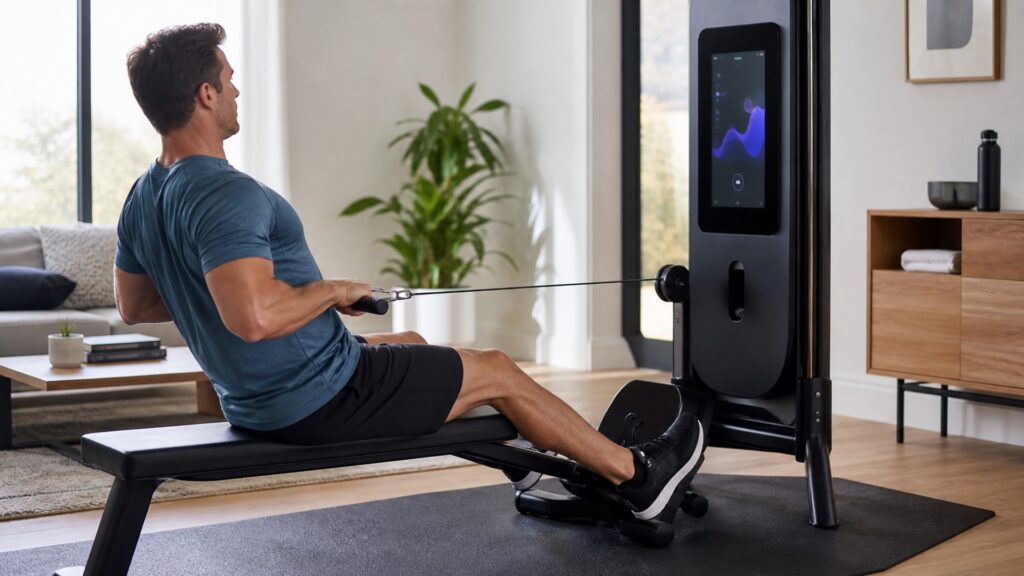
Why Smart Home Gyms Training Function Matters

Training function matters in smart home gyms because the hardware is only valuable if it supports better workouts. A sleek screen, compact frame, or connected resistance system does not mean much unless the system helps users train with appropriate structure, progression, and consistency.

The strongest smart home gyms do more than display classes. They organize the session, guide exercise choices, adjust difficulty sensibly, and make the next workout easier to understand.

By: Review Streets Research Lab
Updated: September 21, 2026
Explainer · 8-12 min read
smart home gyms training function explainer hero image for Review Streets
What You'll Learn

How Training Function Changes Smart Home Gym Value

A practical look at the training logic behind smart home gym hardware and software.

  • Why program structure matters more than hardware novelty
  • How resistance, exercise selection, and progression work together
  • Where guided sessions can improve consistency
  • Why recovery and missed-workout handling matter
  • How to tell whether the system is coaching or just displaying content

Tip: Judge the system by what it makes easier during real workouts, not by how advanced it sounds.

Definitions

Key Concepts Behind Smart Home Gyms Training Function Matters

These concepts clarify the practical signals readers should check before choosing a smart home gym.

Program Structure

Program structure is how the system arranges workouts across days or weeks.

  • Example: a four-week strength plan with planned recovery days
  • Check: see whether each session has a clear next step
  • Limit: a class library is not always a plan

Resistance Progression

Resistance progression is how the system changes load or difficulty over time.

  • Example: gradually increasing cable resistance after completed sets
  • Check: look for small, understandable changes
  • Limit: automatic increases may not reflect fatigue

Exercise Selection

Exercise selection is how well the system chooses movements supported by its hardware.

  • Example: matching cable patterns to a user's goal
  • Check: review whether exercises fit the available attachments
  • Limit: hardware can limit variety

Session Flow

Session flow is how smoothly the user moves through exercises, rests, transitions, and tracking.

  • Example: showing the next movement while setting the resistance
  • Check: test how much setup is needed between exercises
  • Limit: poor flow can make advanced hardware feel slow

Recovery Handling

Recovery handling is how the system responds to soreness, missed days, and lighter training needs.

  • Example: suggesting a lower-intensity session after a hard week
  • Check: see what happens after interruptions
  • Limit: readiness cues are not medical clearance

Coaching Depth

Coaching depth is how much the system explains what to do and why it matters.

  • Example: clear form cues plus a reason for the day's workload
  • Check: look for guidance beyond a timer and rep count
  • Limit: automated coaching has personal limits

Tip: The best smart home gym features are the ones that reduce friction without hiding important limits.

Plan Quality

The System Needs A Real Training Plan

A smart home gym should not rely only on novelty. Strong training function organizes workouts into a sequence that fits the user's goal and equipment.

  • Look for weekly structure.
  • Check whether recovery is included.
  • Make sure the next workout is clear.

The plan is what turns hardware into training.

Progression

Resistance Should Change For A Reason

Smart resistance is useful when it changes difficulty in a way the user can understand and recover from. Random or aggressive increases can make training harder without making it better.

  • Progression should be gradual.
  • Users should be able to repeat or reduce work.
  • Completed sessions should inform future sessions.

Useful progression balances challenge with control.

Exercise Fit

The Hardware Shapes The Exercise Menu

Every smart home gym has physical limits. The training function has to choose movements that the system can perform well rather than forcing exercises that fit poorly.

  • Check cable paths, bench setup, and attachments.
  • Look for smart substitutions.
  • Avoid systems that overpromise exercise variety.

Good training function respects the machine's real strengths.

Session Flow

Transitions Matter During A Workout

A plan can look strong and still feel awkward if every exercise requires too much adjustment. Smooth transitions keep attention on training instead of hardware management.

  • Resistance changes should be quick.
  • Instructions should appear before the set.
  • Tracking should not interrupt the session.

The easier the flow, the more likely the workout gets finished.

Consistency

The Best System Helps Users Return

Training function also includes how the system handles real life. Missed days, soreness, schedule changes, and motivation dips are normal parts of home training.

  • Restart paths should be simple.
  • Lower-intensity options should be available.
  • The system should not punish normal interruptions.

A smart home gym earns value when it keeps the next workout approachable.

Quick Reality Check

Where Training Function Helps And Where It Can Fall Short

Training function is the difference between useful coaching and expensive display hardware.

Where It Helps

It turns the hardware into a structured training system.

It can make progression, tracking, and restart decisions easier.

Where It Falls Short

It cannot fully replace personal coaching for every need.

It may be constrained by the equipment's supported movements.

Common Myths

Misconceptions About Smart Home Gym Training Function

Hardware alone does not prove the training plan is strong.

More technology means better training

Technology helps only when it improves the workout decision.

A class library is the same as a program

Classes provide options, while a program organizes training over time.

Automatic resistance is always smarter

Automatic changes need clear logic and user control.

The machine can solve consistency alone

It can reduce friction, but the routine still has to fit the user.

Tip: Treat strong claims as reasons to inspect the system more closely, not as final proof.

FAQ

Frequently Asked Questions About Smart Home Gym Training Function

Short answers for practical buying and training decisions.

What training feature matters most?

A plan that fits the user's goal, level, schedule, and recovery matters most.

Is automatic resistance important?

It can be important if it changes load smoothly and supports sensible progression.

How do I spot weak training function?

Look for random classes, unclear progression, awkward transitions, or poor restart options.

Can smart home gyms replace coaching?

They can guide many workouts, but they cannot fully replace individualized coaching for every user.

What is the practical takeaway?

Choose a smart home gym for the quality of its training system, not just its hardware.

Bottom Line

Training function matters because it determines whether a smart home gym actually supports better workouts.

The best systems pair hardware with clear structure, sensible progression, smooth sessions, and realistic recovery.

Next Steps

Go Deeper or Compare Your Options

Use these Review Streets paths to compare related categories and practical next decisions.