
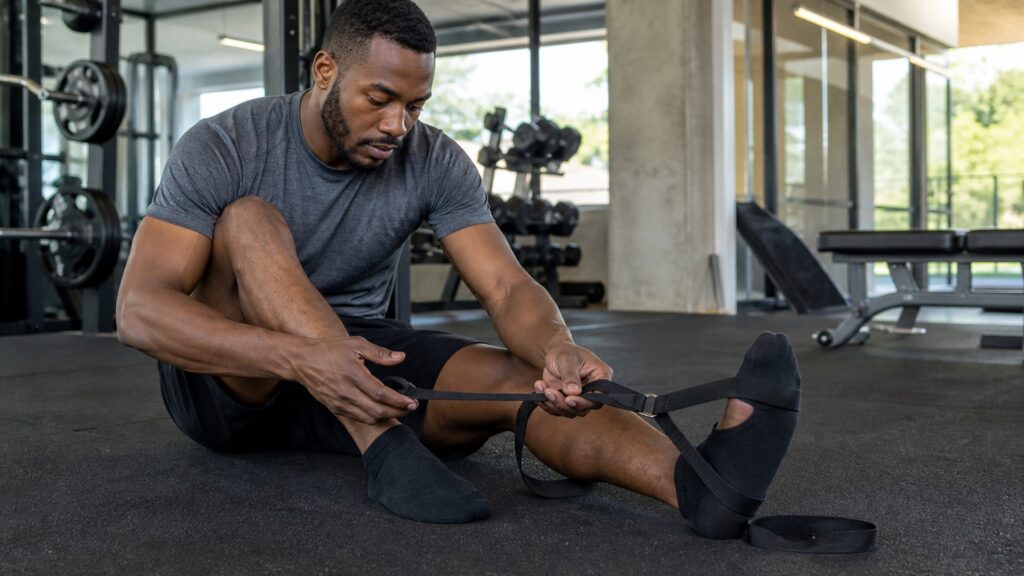
Why Stretching Tools Safety Factors Matters

Safety factors matter because stretching tools can change how much leverage, support, and range a person uses during a stretch. A strap, band, block, wheel, or mobility stick can make a position easier to reach, but it can also make it easier to pull too hard or stay too long.

The safer approach is to use stretching tools for control, not force. The tool should help the user settle into a manageable position, breathe normally, and stop before sharp pain, joint pressure, numbness, or instability shows up.

By: Review Streets Research Lab
Updated: September 30, 2026
Explainer · 8-12 min read
stretching tools safety factors explainer hero image for Review Streets
What You'll Learn

How To Use Stretching Tools Without Forcing Range

A practical look at leverage, support, tension, pain signals, and setup choices before using stretching tools.

  • Why assisted stretching can create more force than expected
  • How stable support changes control and comfort
  • When straps, bands, blocks, wheels, and mobility sticks need different caution
  • Which pain and nerve signs should stop the stretch
  • How to adjust range, tension, and time before pushing deeper

Tip: The right amount of help should make the stretch easier to control, not harder to exit.

Definitions

Key Safety Concepts For Stretching Tools

These concepts help separate controlled assistance from risky forcing.

Assisted Range

Assisted range is the extra position a tool helps the body reach during a stretch.

  • Example: using a strap to guide the leg during a hamstring stretch
  • Check: keep the movement slow enough to stop at any point
  • Limit: extra reach is not automatically better mobility

Leverage

Leverage is the mechanical advantage a tool gives the user over a joint or muscle group.

  • Example: pulling on a strap increases force at the hip or shoulder
  • Check: use small tension changes instead of hard pulls
  • Limit: more leverage can overpower the body's warning signals

Stable Support

Stable support is the surface or position that keeps the body from wobbling during the stretch.

  • Example: placing a block under the hand so the spine does not collapse
  • Check: confirm the tool does not slide, tip, or compress unexpectedly
  • Limit: support helps only when the setup stays steady

Tension Control

Tension control is the ability to increase, hold, or reduce stretch intensity deliberately.

  • Example: loosening a band as soon as calf tension becomes sharp
  • Check: use a level that allows normal breathing
  • Limit: a stretch held too intensely can irritate tissue

Stop Signal

A stop signal is a sensation that means the stretch should end or be reduced.

  • Example: sharp pain, tingling, numbness, pinching, or a feeling that the joint is unstable
  • Check: stop immediately when the sensation changes from stretch to threat
  • Limit: mild muscle tension is different from joint or nerve symptoms

Fit For Purpose

Fit for purpose means the tool matches the body area, stretch goal, and user's control level.

  • Example: using a yoga block for support rather than forcing the floor with the hand
  • Check: choose the tool that reduces strain rather than adding force
  • Limit: some stretches are better modified without a tool

Tip: A stretching tool is safest when it improves control and makes backing off easy.

Leverage

Assistance Can Add More Force Than It Seems

Stretching tools often work by extending reach or changing the pulling angle. That can be useful, but it also means the user may apply more force than the tissue is ready for.

  • Pull gradually and pause before increasing tension.
  • Keep joints lined up instead of twisting around the tool.
  • Use the smallest amount of help that creates a clear stretch.

The goal is a controllable stretch, not the deepest position possible.

Support

A Stable Setup Makes The Stretch Safer

Blocks, straps, bolsters, and rollers can make stretching safer when they reduce wobbling and strain. They create problems when they slide, collapse, or place pressure on the wrong area.

  • Place tools on a surface that will not slip.
  • Avoid stacking support so high that it becomes unstable.
  • Reposition the body before adding more range.

Stability should come before intensity.

Tool Choice

Different Tools Create Different Risks

A strap, resistance band, yoga block, stretching wheel, and mobility stick do not affect the body the same way. Each changes the stretch through a different mix of reach, pressure, and leverage.

  • Use straps for guidance rather than yanking.
  • Treat elastic bands carefully because recoil can change tension quickly.
  • Use wheels and sticks only where pressure feels broad and controlled.

The tool should match the stretch instead of forcing the stretch to match the tool.

Body Signals

Pain, Tingling, And Joint Pressure Change The Decision

A useful stretch may feel like steady muscle tension. It should not feel sharp, electric, numb, pinched, or unstable. Those signs mean the tool is no longer helping.

  • Back off when breathing becomes strained.
  • Stop if symptoms travel down an arm or leg.
  • Avoid holding a position that creates joint pressure instead of muscle tension.

A safer stretch leaves the user able to relax, breathe, and exit smoothly.

Practical Check

Use Smaller Ranges Before Longer Holds

Stretching tools can tempt users to chase longer holds or deeper positions. A better safety check is whether the user can repeat a small range calmly and consistently.

  • Start with short holds and modest tension.
  • Increase only one variable at a time.
  • Skip aggressive stretching when the area is irritated, swollen, or recently injured.

Control should improve before intensity increases.

Quick Reality Check

Where Stretching Tools Help And Where They Need Caution

The same tool that improves access can also increase force.

Where They Help

They can make hard-to-reach positions easier to control.

They can reduce strain when support, setup, and tension are chosen well.

Where They Need Caution

They can add leverage that pushes a joint or muscle too far.

They can hide warning signs when the user focuses only on reaching farther.

Common Myths

Misconceptions About Stretching Tool Safety

A tool can support safer stretching, but it does not make every stretch safe.

A strap makes every stretch safer

A strap can improve control, but it can also create too much pulling force if the user yanks or holds too aggressively.

More range means better flexibility

Useful range is range the user can control without sharp pain, tingling, joint pressure, or strain.

Blocks and supports remove all risk

Support helps only when it is stable, positioned well, and matched to the user's body.

Stretching discomfort should be ignored

Mild muscle tension can be normal, but sharp pain, numbness, or instability should stop the stretch.

Tip: Treat a tool as assistance, not permission to override discomfort.

FAQ

Frequently Asked Questions About Stretching Tool Safety

Short answers for using straps, bands, blocks, wheels, and other stretching aids with better control.

What is the main safety issue with stretching tools?

The main issue is leverage. A tool can let the user apply more force or reach more range than the body can control comfortably.

How hard should I pull on a stretching strap?

Pull only enough to create steady, manageable tension. The stretch should allow normal breathing and an easy release.

Are elastic bands safe for stretching?

They can be, but they need controlled tension because elastic recoil can change force quickly.

When should I stop using a stretching tool?

Stop when the stretch becomes sharp, numb, tingly, pinchy, unstable, or difficult to exit.

What is the practical takeaway?

Use stretching tools to make positions steadier and easier to control, not to force deeper range.

Bottom Line

Safety factors matter because stretching tools can increase both control and force.

The best use keeps tension gradual, support stable, symptoms calm, and exit easy.

Next Steps

Go Deeper or Compare Your Options

Use these Review Streets paths to compare related categories and practical next decisions.