
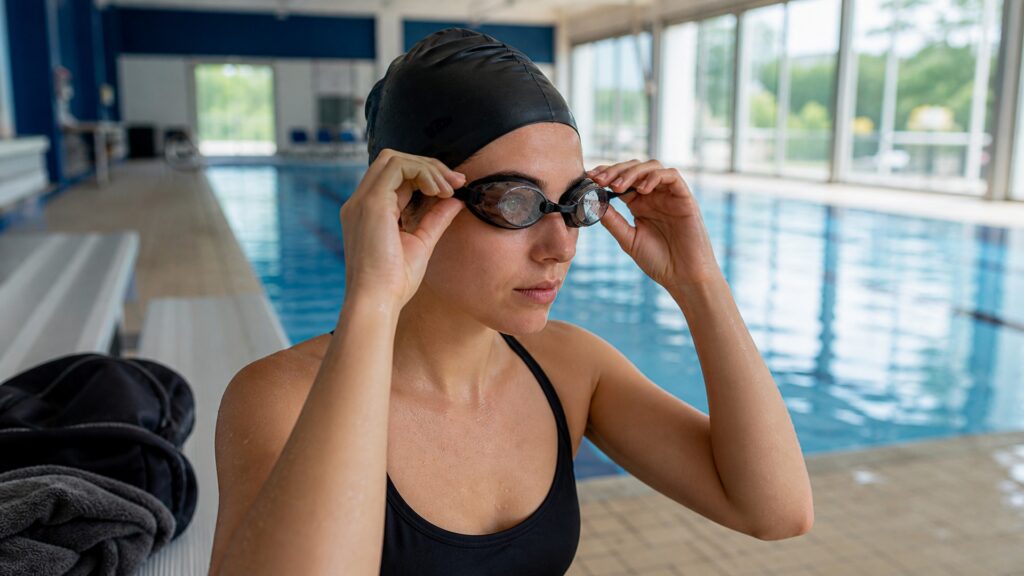
Why Swim Goggles Safety Factors Matters

Safety factors matter with swim goggles because goggles sit directly on the face while shaping what a swimmer can see. A good pair helps the swimmer keep clear vision, avoid painful pressure, and stay aware of walls, lane lines, people, and changing light.

The safest choice is not the tightest strap or the darkest lens. It is the pair that seals gently, stays stable during turns and starts, matches the swimming environment, and lets the swimmer notice what is happening around them.

By: Review Streets Research Lab
Updated: October 2, 2026
Explainer · 8-12 min read
swim goggles safety factors explainer hero image for Review Streets
What You'll Learn

How Swim Goggles Support Safer Swimming

A practical look at fit, visibility, pressure, lens choice, and pre-swim checks.

  • Why clear vision is a safety feature, not only a comfort feature
  • How a gentle seal protects the eye area better than overtightening
  • Where lens tint, anti-fog performance, and light conditions matter
  • Why strap stability should not create painful pressure
  • How to check goggles before lap swimming, open water, or lessons

Tip: A safe goggle setup is calm and predictable before the swim starts.

Definitions

Key Safety Concepts For Swim Goggles

These terms explain the practical details that affect comfort, awareness, and reliable use in the water.

Seal Comfort

Seal comfort is how evenly the gasket rests around the eye without sharp pressure or leaking.

  • Example: a soft gasket that seals during a push-off without leaving painful marks
  • Check: press the goggles lightly to the face before tightening the strap
  • Limit: a seal that only works when the strap is very tight is not a good fit

Clear Field Of View

Clear field of view is the usable vision a swimmer has through the lenses while moving.

  • Example: seeing the wall, lane line, and nearby swimmers during a lap
  • Check: look side to side and downward before entering the water
  • Limit: narrow lenses can make awareness harder in busy pools or open water

Lens Match

Lens match is how well the lens color and brightness fit the swimming environment.

  • Example: using tinted lenses outdoors and clearer lenses in a dim indoor pool
  • Check: compare the lens to the actual light where the swim will happen
  • Limit: dark lenses can reduce visibility when light changes

Anti-Fog Reliability

Anti-fog reliability is how consistently the lenses stay usable during the swim.

  • Example: lenses that remain clear through a lesson or steady lap session
  • Check: avoid wiping the inside coating roughly and rinse as directed
  • Limit: anti-fog coatings wear down and still need care

Strap Stability

Strap stability is how well the goggles stay in place without excessive tension.

  • Example: a split strap that holds during a turn without digging into the face
  • Check: adjust both sides evenly and test a gentle head movement
  • Limit: more strap tension can make leaks worse if the frame fit is wrong

Environment Check

Environment check means matching the goggles to pool, open-water, lesson, or race conditions.

  • Example: choosing wider visibility for open water and reliable fit for lessons
  • Check: consider light, crowding, distance, and supervision before choosing
  • Limit: one pair may not be ideal for every swimming setting

Tip: Fit, vision, and environment should be checked together because one weak point can make the whole swim feel less controlled.

Fit

A Gentle Seal Is Safer Than A Tight Strap

Goggles should seal because the frame fits the face, not because the strap is pulling hard. Overtightening can create pressure around the eyes and still fail to stop leaks if the gasket shape is wrong.

  • Test the seal before fully tightening the strap.
  • Choose a gasket shape that matches the swimmer's face.
  • Replace goggles that need painful tension to work.

A comfortable seal is the first safety check because it keeps the swimmer focused on the water, not the equipment.

Visibility

Clear Vision Helps Swimmers Stay Oriented

Swimmers use vision to judge distance, direction, lane position, and people nearby. Fogged, scratched, or overly dark lenses can make a familiar pool feel harder to read.

  • Check for scratches before relying on an older pair.
  • Use anti-fog care that preserves the lens coating.
  • Pick lens brightness for the actual swim location.

Better vision supports better decisions during starts, turns, shared lanes, and open-water sighting.

Pressure

Stability Should Not Come From Pain

A stable pair of goggles should stay in place without pinching the bridge of the nose or leaving sharp pressure around the eyes. Pain can make swimmers adjust the goggles repeatedly instead of watching the water.

  • Adjust the nose bridge when the design allows it.
  • Set both strap sides evenly.
  • Stop using a pair that causes headaches or sharp pressure.

Secure goggles should feel settled, not forced.

Conditions

Lens Choice Should Match The Light

Tint and mirror finishes can help outdoors, but the same lens may be too dark indoors or in cloudy conditions. Clear or lightly tinted lenses often make more sense when visibility is already limited.

  • Use darker lenses for bright outdoor glare.
  • Use clearer lenses for dim pools or evening swims.
  • Avoid choosing tint only because it looks faster or more technical.

The right lens is the one that lets the swimmer see comfortably in the current conditions.

Pre-Swim Check

Test Goggles Before The Main Set

A quick check before a workout, lesson, or race can catch leaks, fog, twisted straps, and poor visibility early. That is especially important for children, new swimmers, and open-water sessions.

  • Look through the lenses before entering the water.
  • Check that straps are flat and not brittle.
  • Do a short easy swim before relying on the goggles for distance.

Small problems are easier to fix at the wall than in the middle of the swim.

Quick Reality Check

Where Goggle Safety Helps And Where It Has Limits

Goggles can improve comfort and awareness, but they are still only one part of safer swimming.

Where Goggles Help

They protect visibility from splash, chlorine irritation, glare, and fog when they fit well.

They help swimmers stay oriented around walls, lane lines, turns, and other people.

Where They Fall Short

They do not replace supervision, swim skill, lane etiquette, or open-water caution.

They can create problems if the seal, lens, or strap is wrong for the swimmer.

Common Myths

Misconceptions About Swim Goggle Safety

Safer goggles are usually the pair that fits and shows the water clearly, not the pair with the strongest claims.

Tighter straps stop leaks

Leaks usually come from poor gasket fit, hair under the seal, or uneven adjustment. More tension can add pressure without solving the problem.

Dark lenses are always better

Dark lenses help in bright light, but they can make indoor pools, cloudy days, or shaded water harder to see.

Race goggles are safest for everyone

Low-profile race goggles can be fast, but some swimmers need a softer seal, wider view, or easier adjustment.

Anti-fog coating means lenses will never fog

Anti-fog treatment helps, but it can wear down or be damaged by rough wiping.

Tip: Treat comfort complaints and visibility problems as useful information, not as minor annoyances to push through.

FAQ

Frequently Asked Questions About Swim Goggle Safety

Short answers about fit, visibility, pressure, children, and swimming conditions.

How tight should swim goggles be?

They should be snug enough to stay stable, but not so tight that they cause sharp pressure, headaches, or deep discomfort.

Are tinted goggles safer outdoors?

Tinted or mirrored lenses can reduce glare outdoors, but they should still let the swimmer see walls, people, buoys, and changing water conditions clearly.

What is the safest option for children?

Children usually need easy adjustment, soft comfort, reliable visibility, and adult help checking fit before swimming.

Should I replace scratched goggles?

Yes, if scratches, fogging, brittle straps, or gasket wear make vision or fit unreliable.

What is the practical takeaway?

Choose swim goggles that seal comfortably, preserve clear vision, and match the conditions where the swimmer will actually use them.

Bottom Line

Swim goggle safety factors matter because clear vision, gentle fit, and stable adjustment help swimmers stay aware and comfortable in the water.

The best pair is the one that fits the swimmer's face, matches the light, stays clear, and can be trusted before the swim becomes demanding.

Next Steps

Go Deeper or Compare Your Options

Use these Review Streets paths to compare related categories and practical next decisions.

Swim Goggles

Explore the swim goggles category before comparing specific designs.