
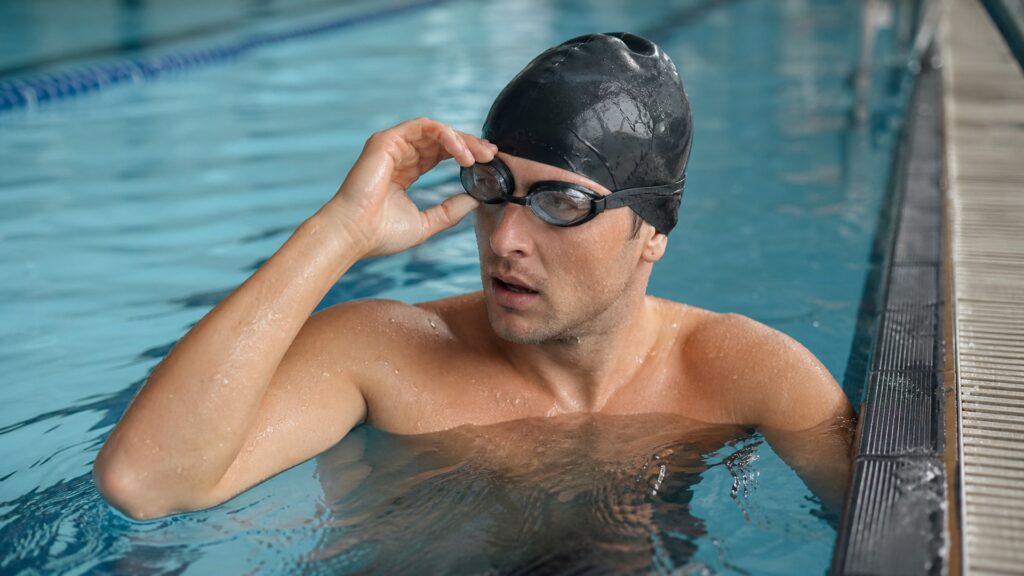
Why Swim Goggles Workout Role Matters

Workout role matters for swim goggles because different swims ask different things from the same piece of gear. Lap swimming, racing, lessons, triathlon practice, and casual pool time do not always need the same lens shape, field of view, strap feel, or tint.

The workout role of swim goggles is to make the planned swim easier to see and finish. A pair that works for short indoor laps may not be the best pair for bright outdoor water, crowded lessons, or race starts.

By: Review Streets Research Lab
Updated: October 2, 2026
Explainer · 8-12 min read
swim goggles workout role explainer hero image for Review Streets
What You'll Learn

How Workout Role Changes Goggle Choice

A practical way to match goggles to the kind of swimming they need to support.

  • Why lap swimming rewards steady comfort
  • How racing changes fit and profile needs
  • Where lessons and children need easier adjustment
  • Why open water puts more weight on visibility
  • How to avoid choosing one pair for every situation

Tip: Start with the swimming situation, then choose the gear detail that solves that specific problem.

Definitions

Key Concepts Behind Why Swim Goggles Workout Role Matters

These concepts keep the decision tied to fit, water conditions, training purpose, and realistic limits.

Lap Role

Lap role is the steady pool use case where comfort, anti-fog performance, and repeatable fit matter most.

  • Example: wearing the same pair for several sets
  • Check: check comfort after more than a few minutes
  • Limit: a race-style fit may feel too sharp

Race Role

Race role is the use case where low drag and secure hold matter during starts, turns, and faster efforts.

  • Example: a low-profile pair used for a meet
  • Check: test whether it stays put during push-offs
  • Limit: secure does not have to mean painful

Lesson Role

Lesson role is the use case where easy adjustment and calm visibility help learning.

  • Example: a child needing help with strap placement
  • Check: check whether the swimmer can tolerate the fit
  • Limit: complicated adjustments can slow the lesson

Open-Water Role

Open-water role is the use case where broader sighting and light management become more important.

  • Example: seeing buoys and other swimmers outdoors
  • Check: review lens tint and side visibility
  • Limit: pool goggles may feel too narrow outside

Comfort Window

Comfort window is how long the goggles remain wearable before pressure or fog becomes distracting.

  • Example: a pair that stays comfortable for a full practice
  • Check: notice marks, headache, or repeated readjustment
  • Limit: short try-ons can miss longer-session problems

Role Fit

Role fit is the match between the goggle design and the swimmer's main session type.

  • Example: using wide-view goggles for open water
  • Check: name the main swim before buying
  • Limit: one pair may not cover every role well

Tip: The useful feature is the one that makes the swim clearer, safer, or easier to repeat.

Lap Swimming

Repeated Pool Sets Need Comfort

Lap swimmers often care most about stable seal, manageable pressure, and lenses that stay clear through repeated lengths. Small irritations become larger when they repeat for a full workout.

  • Choose comfort before aggressive profile.
  • Check anti-fog care.
  • Use a tint that fits the pool lighting.

The best lap goggles disappear into the routine.

Racing

Fast Efforts Need Secure Fit

Racing can make goggles shift during dives, push-offs, or turns. A lower profile can help, but the fit still has to protect vision without causing sharp pressure.

  • Test starts and turns before race day.
  • Adjust straps evenly.
  • Avoid new goggles for an important event.

Race goggles should feel secure before the race gets stressful.

Lessons

Learning Swims Need Easy Adjustment

Beginners and children may need goggles that are simple to put on, easy to adjust, and comfortable enough to reduce anxiety around water.

  • Use soft seals when comfort is the barrier.
  • Check straps before the lesson begins.
  • Help children understand how the goggles should feel.

A calmer fit can make the lesson easier to follow.

Open Water

Outdoor Swims Need Wider Awareness

Open-water swimmers often need to sight forward, manage glare, and stay aware of other people. Lens tint and field of view become more important than they might be indoors.

  • Consider mirrored or tinted lenses for bright light.
  • Use clearer lenses when conditions are dim.
  • Check side awareness before a long swim.

Visibility is part of navigation outside the pool.

One-Pair Limit

One Pair May Not Cover Every Swim

Some swimmers can use one versatile pair everywhere. Others are better served by different goggles for racing, daily pool work, or outdoor water.

  • List the main swim types.
  • Keep a backup pair for important sessions.
  • Retire pairs that fog, leak, or scratch badly.

Workout role keeps the purchase tied to real use.

Quick Reality Check

Where Role-Based Choice Helps

Matching goggles to the workout avoids overbuying and underfitting.

It Helps When

The swimmer alternates between pool laps, lessons, racing, or open water.

Comfort, tint, and visibility needs change by session.

It Has Limits When

The swimmer needs professional instruction or supervision.

A face shape issue requires trying several fits.

Common Myths

Misconceptions About Goggle Workout Role

The same pair is not always equally useful in every swim.

Race goggles are best for all workouts

They can be secure and fast, but may be less comfortable for long practices.

Children just need smaller adult goggles

Children often need easier adjustment and softer comfort, not only smaller size.

Open-water goggles are only about tint

Tint matters, but so do field of view, seal, and stability.

If goggles do not leak, they are perfect

A pair can seal and still be too dark, narrow, painful, or hard to adjust.

Tip: Strong claims still need to match the swimmer, pool, and session.

FAQ

Frequently Asked Questions About Goggle Workout Role

Short answers for practical swimming decisions.

Do lap swimmers need different goggles from racers?

Often, yes. Lap swimmers may prioritize comfort over long sets, while racers may prioritize a secure low-profile fit.

What matters most for open water?

Field of view, tint, stable seal, and sighting comfort matter most.

Should beginners use race goggles?

Usually not as a first choice. Softer, easier goggles are often better for learning.

How many pairs do swimmers need?

Many swimmers can use one versatile pair, but frequent swimmers often keep a backup or a role-specific pair.

What is the practical takeaway?

Choose goggles for the swim you actually plan to do most often.

Bottom Line

Swim goggle workout role matters because lap swimming, racing, lessons, and open water put different pressure on fit, visibility, tint, and adjustment.

The best pair is the one that supports the main swim without creating new distractions.

Next Steps

Go Deeper or Compare Your Options

Use these Review Streets paths to compare related categories and practical next decisions.