
Kick Pattern
Kick pattern is the rhythm, range, and timing of leg movement in the water.
- Example: short fins encouraging a steadier flutter kick
- Check: watch whether the kick stays controlled
- Limit: extra propulsion can hide weak timing
Movement pattern matters in swim training gear because each tool changes how the swimmer moves through the water. Fins alter kick rhythm, paddles change hand pressure, pull buoys affect body position, and snorkels can change how the head and breathing pattern behave during a drill.
A tool is useful only when the movement it creates matches the skill being practiced. If the gear changes the stroke in the wrong way, it can make the swimmer rehearse a pattern that does not carry back to normal swimming.
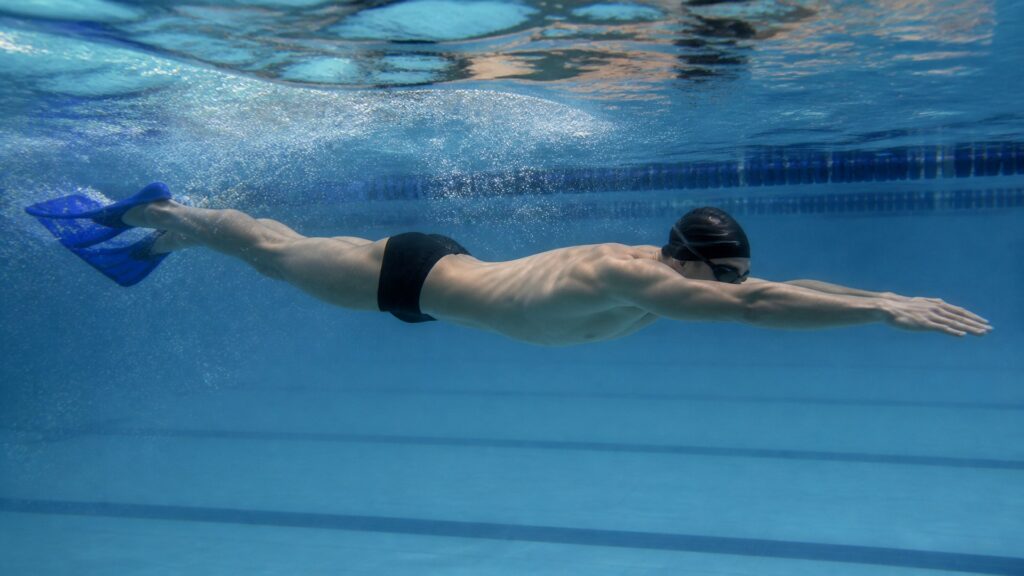
A practical look at kick, pull, body position, breathing, resistance, and carryover.
Tip: Start with the swimming situation, then choose the gear detail that solves that specific problem.
These concepts keep the decision tied to fit, water conditions, training purpose, and realistic limits.
Kick pattern is the rhythm, range, and timing of leg movement in the water.
Pull pattern is how the hand and arm apply pressure through the water.
Body position is how the swimmer balances head, hips, legs, and torso.
Breathing pattern is how breathing timing affects alignment and stroke rhythm.
Resistance pattern is how added drag changes force and tempo.
Carryover pattern is the movement the swimmer can repeat after removing the gear.
Tip: The useful feature is the one that makes the swim clearer, safer, or easier to repeat.
Fins can help swimmers feel propulsion and rhythm, but they can also make a weak kick look better than it is. The movement pattern should stay controlled when the fins come off.
The kick pattern matters more than the extra speed.
Paddles can make catch and pull mechanics easier to feel. They should not be so large that the swimmer changes the stroke only to manage the load.
The pull should become clearer, not rougher.
Pull buoys can help isolate the arms by supporting the legs. That is useful when the goal is pull focus, but swimmers still need to learn balance without the buoy.
Support is a teaching tool, not the final pattern.
A snorkel can reduce breathing interruptions so the swimmer can focus on alignment or stroke timing. It should be paired with regular breathing practice so the skill transfers.
Simplifying breathing helps only when the normal stroke improves.
Movement-pattern work is successful when the swimmer can repeat the intended change without the tool. That is why short checks after drill work matter.
The gear earns its place when the pattern survives.
It keeps training gear connected to the actual stroke.
It shows which tool matches the movement being practiced.
It catches drills that add effort without improving the stroke.
It still needs coach judgment or careful self-awareness.
It cannot guarantee comfort, safety, or correct technique by itself.
Helpful gear should change the movement for a reason.
Fins or paddles can add speed while hiding timing problems.
It supports the body temporarily, but the swimmer must learn balance without it.
Resistance helps only when the stroke stays controlled.
They simplify breathing for a drill, but normal breathing still needs practice.
Tip: Strong claims still need to match the swimmer, pool, and session.
Short answers for practical swimming decisions.
They show whether the tool is helping the swimmer practice the right motion.
Fins, paddles, pull buoys, snorkels, and drag tools can all change movement in different ways.
Swim a normal repeat after the drill and check whether the intended rhythm, position, or pressure remains.
Yes, if it is oversized, overused, uncomfortable, or mismatched to the skill.
Choose swim gear by the movement pattern it teaches, then test the stroke without the tool.
Swim training gear movement pattern matters because tools change kick, pull, breathing, body position, resistance, and carryover.
The right tool makes the intended movement easier to feel without replacing the normal stroke.
Use these Review Streets paths to compare related categories and practical next decisions.
Explore the swim training gear category.
See how common tools change drills and body position.
Review how gear should support the training goal.
Choose a retailer
Prices checked regularly. We may earn a commission at no cost to you.