
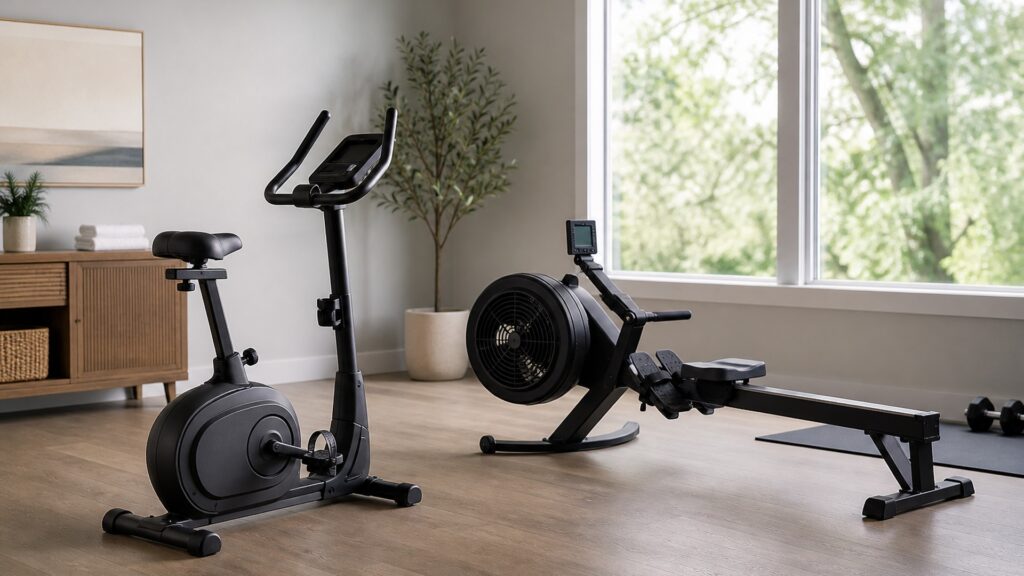
Why Upright Exercise Bikes Movement Pattern Matters

Movement pattern matters in upright exercise bikes because the workout depends on repeated seated pedaling from a fixed position. If the seat height, pedal path, or handlebar reach feels wrong, the ride can become uncomfortable even at moderate effort.

A good upright bike movement pattern feels smooth, stable, and easy to repeat. The rider should be able to pedal with controlled knee motion, steady posture, and resistance that rises without breaking rhythm.

By: Review Streets Research Lab
Updated: October 6, 2026
Explainer · 8-12 min read
upright exercise bikes movement pattern explainer hero image for Review Streets
What You'll Learn

How Pedaling Pattern Shapes Upright Bike Comfort

A practical look at seat height, knee motion, posture, resistance, and repeatability.

  • Why seat height shapes pedaling
  • How knee and hip motion affect comfort
  • Where posture changes the ride
  • Why resistance should stay smooth
  • How to test movement quality

Tip: Set seat height and resistance first, then judge the ride at the pace the user will actually repeat.

Definitions

Key Concepts Behind Upright Exercise Bikes Movement Pattern

These concepts connect upright bike design to comfort, effort, setup, and workout use.

Upright Bike Position

Upright bike position places the rider on a saddle with the torso more vertical than a spin bike.

  • Example: sitting tall while pedaling with hands on fixed bars
  • Check: adjust seat height before judging comfort
  • Limit: some riders may still prefer back support

Seat Height

Seat height controls how much the knee bends through each pedal stroke.

  • Example: raising the seat until the leg extends comfortably
  • Check: pedal slowly and watch for hip rocking
  • Limit: too high or too low can make pedaling uncomfortable

Resistance Range

Resistance range is how much the bike can vary pedaling effort.

  • Example: using light resistance for warmups and higher resistance for intervals
  • Check: try several settings at normal cadence
  • Limit: high resistance is useful only when the motion stays controlled

Console Feedback

Console feedback shows workout information such as time, speed, distance, resistance, or heart rate.

  • Example: watching time and resistance during a steady ride
  • Check: confirm the display is easy to read
  • Limit: metrics do not matter if the bike does not fit

Pedal Path

Pedal path is the circular motion the feet follow during seated cycling.

  • Example: smooth pedaling without the knees drifting awkwardly
  • Check: test the stroke at an easy and moderate pace
  • Limit: pedaling can still bother some knees or hips

Workout Role

Workout role is the job the bike fills in a routine.

  • Example: steady cardio, warmups, intervals, or low-impact exercise
  • Check: match the bike to the rides the user will repeat
  • Limit: one bike may not fit every cardio preference

Tip: An upright bike works best when the seat, resistance, and controls fit the rider's routine.

Seat

Seat Height Shapes The Pedal Stroke

The seat should let the rider pedal without excessive knee bend or hip rocking. Small changes can affect comfort quickly.

  • Set seat height first.
  • Pedal slowly.
  • Watch for hips shifting side to side.

Seat height creates the movement pattern.

Knees

Knee Motion Should Feel Controlled

The knees should track comfortably through the pedal stroke. Awkward movement may point to seat height, pedal position, or fit problems.

  • Check both knees.
  • Avoid forcing high resistance.
  • Stop if pain appears.

Controlled knee motion supports repeatable riding.

Posture

Posture Affects Pedaling Comfort

Upright bikes keep the torso more vertical, but reach and handlebar position still matter. Poor posture can make the ride feel harder than needed.

  • Keep shoulders relaxed.
  • Avoid leaning too far forward.
  • Check hand comfort.

Posture supports the pedal stroke.

Resistance

Resistance Should Not Break Rhythm

Resistance should add effort without making the pedal stroke choppy. Smooth changes help the rider stay in control.

  • Increase resistance gradually.
  • Notice rough spots.
  • Back off if form changes.

Smooth effort keeps the pattern useful.

Test

Test At A Real Workout Pace

A bike can feel fine for a few slow turns and still feel wrong during a real ride. Testing at normal pace gives better evidence.

  • Ride for several minutes.
  • Try easy and moderate resistance.
  • Notice comfort after warming up.

The movement pattern should hold up during use.

Quick Reality Check

Where Movement Checks Help And Where They Have Limits

Movement checks show whether the bike fits the rider's body and ride style.

Where They Help

They reveal seat, knee, posture, and resistance issues.

They show whether the ride can stay smooth at real workout pace.

Where They Have Limits

They cannot replace medical guidance for pain or injury.

They do not make every upright bike fit every rider.

Common Myths

Misconceptions About Upright Bike Movement Pattern

Pedaling looks simple, but setup changes the ride.

Any seat position works

Seat height changes knee and hip motion.

High resistance proves good movement

Too much resistance can hide poor form.

Upright posture solves all comfort issues

Seat, reach, and pedal feel still matter.

Short tests are enough

Comfort should be checked at real workout pace.

Tip: Test the actual seat position, pedal feel, and resistance before trusting category claims.

FAQ

Frequently Asked Questions About Upright Bike Movement Pattern

Short answers for practical upright bike decisions.

Why does movement pattern matter?

It determines whether seated pedaling feels smooth, controlled, and repeatable.

What should I adjust first?

Adjust seat height before judging resistance or ride feel.

What should smooth pedaling feel like?

The rider should pedal without hip rocking, awkward knee tracking, or choppy resistance.

How long should I test?

Ride long enough to check comfort at normal pace and moderate resistance.

What is the practical takeaway?

Choose an upright bike whose seat, pedal path, and resistance support smooth repeatable motion.

Bottom Line

Movement pattern matters because upright bikes depend on repeated seated pedaling from a fixed riding position.

Fit the seat, posture, resistance, and cadence to the rider before judging the bike.

Next Steps

Go Deeper or Compare Your Options

Use these Review Streets paths to compare related categories and practical next decisions.