
Baseline Condition
Documented starting state used to recognize later change.
- Photographs reveal progression
- Measurements reduce guesswork
- Known defects stay visible
Vehicle preservation matters because deterioration is usually cumulative. A paint chip becomes corrosion, a small water leak saturates insulation, stale fluid loses protection, an underinflated tire overheats, a weak battery sulfates in storage, and an undocumented repair creates uncertainty for every later diagnosis.
Preservation is not cosmetic perfection or refusing to use the vehicle. It is the disciplined control of mechanisms that reduce safety, reliability, appearance, and serviceability: scheduled maintenance, cleaning, dry storage, corrosion repair, exercised systems, correct consumables, careful modifications, and records. The aim is to keep defects small, visible, and reversible while preserving evidence about what changed and why.
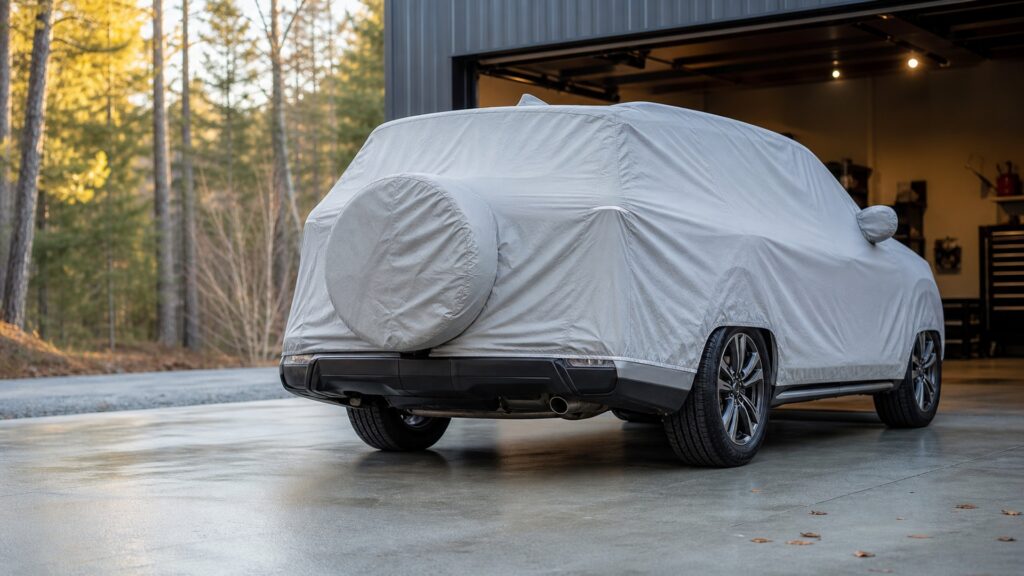
The strongest plan combines condition baselines, time-based maintenance, exposure control, prompt repair, and records that let future changes be interpreted.
Tip: Once each season, compare current photographs and measurements with the baseline at paint edges, seals, tires, underbody areas, fluid levels, battery condition, and known repair sites.
These terms distinguish active preservation from passive storage or appearance work.
Documented starting state used to recognize later change.
Scheduled service intended to limit predictable wear or degradation before failure.
Direction and rate of change observed across repeated inspections.
Work that protects a vehicle during reduced use and supports safe return to service.
Removal of contamination, repair of exposed metal, and restoration of protective barriers.
Evidence linking dates, mileage, parts, fluids, findings, procedures, and verification.
Tip: Use the owner's manual, service information, and qualified inspection for safety-critical, high-voltage, structural, restraint, emissions, and advanced-driver-assistance systems.
Frequent observation catches chips before corrosion spreads, seepage before fluid loss accelerates, water before mold and module damage, and worn seals before adjacent materials abrade. A baseline separates genuine change from remembered impressions.
Preservation creates value by shortening the time between the start of deterioration and corrective action.
Fluids absorb moisture or lose additives, rubber hardens, batteries self-discharge, fuel changes, brakes corrode, seals settle, and tires age while parked. Vehicle-specific time intervals remain relevant even when mileage is low.
Lack of motion changes the failure pattern; it does not suspend it.
Removing salt, mud, insects, plant residue, and brake dust reduces chemical and abrasive exposure. Yet harsh washing, trapped moisture, dirty covers, blocked drains, unsupported lifting, or unventilated storage can create different damage.
Preservation favors repeatable gentle processes over occasional aggressive correction.
Wrong fasteners, unsealed holes, excessive polishing, incompatible sealants, wire taps, hidden corrosion, missing clips, or skipped calibration create future failure and confuse diagnosis. Correct procedures restore protection and document any remaining limitation.
A repair preserves the vehicle only when it restores function without concealing a new weakness.
Receipts, part numbers, fluid specifications, photographs, alignment reports, battery tests, paint measurements, and inspection notes help prove maintenance, identify trends, support warranty claims, and disclose condition honestly to a later owner.
Preserved history reduces the uncertainty that often turns routine service into repeated diagnosis.
Vehicles remain useful when wear is expected, measured, maintained, and repaired before it compounds.
It sustains safe function, reliability, finish, seals, corrosion barriers, service access, and confidence in the vehicle's history.
Early detection keeps more repairs local and reduces the need for aggressive correction or replacement.
Maintenance cannot eliminate aging, collisions, manufacturing defects, severe corrosion, environmental disasters, or consumable wear.
Cosmetic cleanliness alone does not prove mechanical health, and low mileage does not guarantee fluids, tires, batteries, seals, or electronics remain serviceable.
These myths confuse preservation with storage, appearance, or indiscriminate replacement.
Calendar time still affects fluids, tires, rubber, batteries, fuel, corrosion, seals, and lubricated surfaces. Follow vehicle-specific time intervals and inspect storage-related conditions rather than treating the odometer as the only aging measure.
Indoor storage reduces some weather exposure but can retain humidity, pests, salt, fluid leaks, or battery discharge. Ventilation, cleanliness, drainage, exercise, charging strategy, and periodic inspection remain necessary for the exact vehicle.
Unnecessary disassembly and low-quality parts can introduce defects. Replace by schedule, measured condition, service information, safety need, or a supported reliability plan—not simply because an original component is old.
Polished paint can coexist with corrosion, stale fluids, unsafe tires, weak batteries, water intrusion, poor repairs, or missing maintenance. Preservation evaluates mechanical, structural, electrical, material, and documentary condition together during later inspection.
Tip: Use condition evidence and vehicle-specific intervals rather than a universal preservation ritual.
These answers address storage, driving frequency, records, original parts, and prioritization.
Follow manufacturer storage guidance and use a drive long enough to reach normal operating conditions only when safe and appropriate. Brief idling may add moisture without exercising brakes, tires, drivetrain, climate control, and charging systems.
Start with safety and active deterioration: tires, brakes, leaks, overheating, battery or high-voltage warnings, structural corrosion, water intrusion, recalls, and damaged restraints. Appearance work follows after mechanisms that can compound are controlled.
Keep valuable or configuration-specific parts when storage is practical, but safety, reliability, and lawful operation take priority. Document replacements, part numbers, condition, and modifications so originality does not become an excuse for failed equipment.
Retain dated mileage, inspection findings, invoices, part and fluid specifications, photographs, test results, alignment and calibration reports, tire dates, battery history, paint or corrosion repairs, modifications, recalls, and unresolved recommendations.
Condition and documented care can reduce buyer uncertainty, but market value also depends on model, age, mileage, history, originality, demand, and repair quality. Preserve for reliable ownership first rather than assuming every expense returns financially.
Vehicle preservation matters because wear, contamination, corrosion, time, storage, and repair quality accumulate long before a dramatic failure reveals them.
Maintain a documented baseline, follow time and mileage service, control weather and moisture, repair active defects early, use reversible correct procedures, and preserve records that make future condition and diagnosis understandable.
These explainers develop the exposure pathways and exterior barriers that preservation must manage.
Trace how water, salt, ultraviolet radiation, heat, cold, seals, drains, and covers affect vehicle materials.
Review cleaning, paint correction, protective barriers, and inspection as a finish-preservation sequence.
Decide when a reversible protective accessory is preferable to a modification that changes structure, wiring, or calibration.
Choose a retailer
Prices checked regularly. We may earn a commission at no cost to you.