
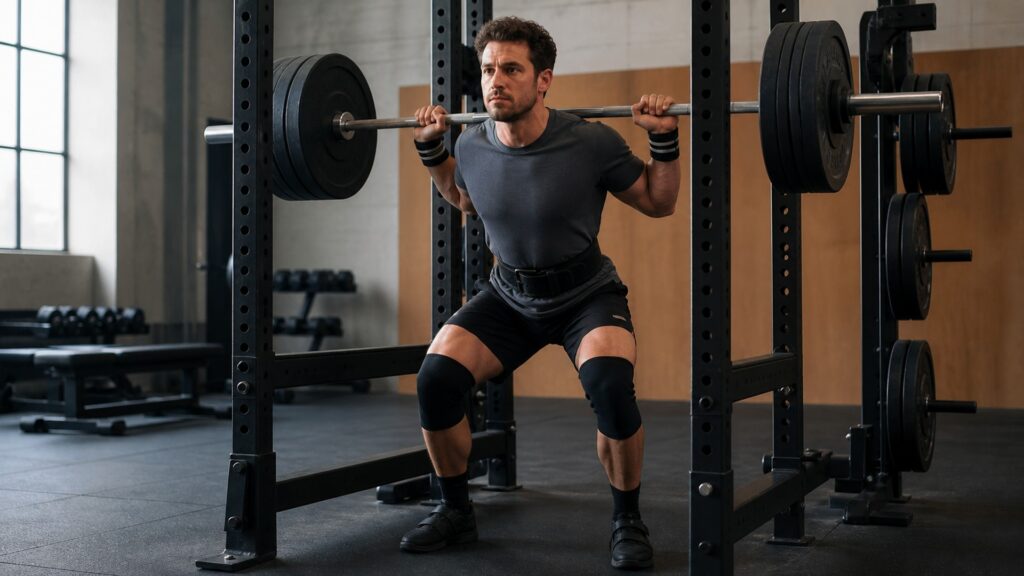
Why Weightlifting Accessories Movement Pattern Matters

Movement pattern matters in weightlifting accessories because each lift places different demands on grip, wrist angle, trunk position, plate security, and setup. A strap that helps a pull is not the same kind of support as a wrist wrap for pressing or a wedge for squatting.

The accessory should match the way the exercise moves. When it does, it can make the lift easier to set up and control. When it does not, it can feel awkward, hide a technique issue, or support the wrong part of the exercise.

By: Review Streets Research Lab
Updated: September 23, 2026
Explainer · 8-12 min read
weightlifting accessories movement pattern explainer hero image for Review Streets
What You'll Learn

How Movement Patterns Shape Accessory Choice

A practical look at matching accessories to pulls, presses, squats, hinges, and loaded setups.

  • Why pulls, presses, squats, and hinges need different support
  • How straps, wraps, belts, collars, wedges, and blocks fit different lifts
  • Where an accessory can change the feel or setup of an exercise
  • Why the same accessory may be useful in one movement and unnecessary in another
  • How to check whether support gear matches the lift

Tip: Match the accessory to the lift pattern before judging whether it is useful.

Definitions

Key Concepts Behind Movement Pattern Fit

These concepts explain how accessory choice changes across common lifting movements.

Pulling Support

Pulling support helps exercises where the hands connect the lifter to a bar or handle.

  • Example: straps used for heavy rows or deadlift variations
  • Check: see whether grip is limiting the pull
  • Limit: pulling support does not belong on every exercise

Pressing Support

Pressing support helps wrist position or comfort during pushing exercises.

  • Example: wrist wraps used for bench press or overhead press
  • Check: watch whether the wrist stays comfortable and stable
  • Limit: wraps do not fix poor bar path or setup

Squat Setup

Squat setup support changes how the lifter positions the feet, heels, trunk, or bar.

  • Example: heel wedges used during a squat variation
  • Check: confirm the setup change helps the intended squat style
  • Limit: setup tools can change what the exercise emphasizes

Hinge Support

Hinge support helps exercises where the hips move back and the lifter handles heavy pulling demands.

  • Example: a belt or straps used during Romanian deadlifts
  • Check: separate bracing needs from grip needs
  • Limit: support gear should not mask back position problems

Load Path Security

Load path security keeps plates or attachments stable as the implement moves.

  • Example: collars on a bar during angled or dynamic lifts
  • Check: make sure plates stay secure through the exercise
  • Limit: collars do not replace safe loading habits

Accessory Timing

Accessory timing is deciding which sets or movements actually need support.

  • Example: using straps for top pulling sets but not warmups
  • Check: choose before the set why the accessory is being used
  • Limit: automatic use can disconnect the tool from the movement

Tip: The best accessory choice follows the exercise pattern, not the accessory's popularity.

Pulls

Pulling Exercises Often Challenge Grip

Rows, deadlift variations, shrugs, and carries can stress the hands before the target muscles are finished. Straps or chalk may help when grip is the wrong limiting factor.

  • Use straps selectively for heavy pulling work.
  • Keep grip training when grip is the goal.
  • Check whether the accessory changes the exercise feel.

Pulling support should serve the pull, not replace all hand strength.

Presses

Pressing Exercises May Need Wrist Support

Bench press, overhead press, and similar movements can place the wrist in demanding positions. Wrist wraps can help when they support position without changing the lift awkwardly.

  • Use wraps for selected heavy pressing sets.
  • Check bar placement and hand position first.
  • Avoid using wraps to ignore pain.

Pressing support works best when it reinforces a stable setup.

Squats

Squat Accessories Can Change Setup

Belts, sleeves, wedges, and shoes can affect how squats feel and how the lifter sets up. Those tools should be chosen for the squat variation and the lifter's needs.

  • Use a belt when bracing feedback helps.
  • Use wedges only for a clear setup reason.
  • Check whether the tool changes comfort or position.

Squat support should match the movement being trained.

Security

Some Movements Make Plate Security More Important

Any lift where plates can shift deserves attention to collars and setup. The more the implement tilts, moves, or changes direction, the more secure loading matters.

  • Use collars when plates might slide.
  • Inspect clips before heavy work.
  • Load both sides carefully before starting.

Secure equipment protects the lift from avoidable interruptions.

Review

Recheck Accessory Fit As Exercises Change

An accessory that fits one movement may not fit another. A lifter should reassess support gear when changing exercises, loads, or training focus.

  • Ask what the movement demands.
  • Use the least support that solves the issue.
  • Remove gear that no longer has a clear role.

Movement-specific judgment keeps accessories useful.

Quick Reality Check

Where Movement Fit Helps And Where It Can Mislead

Accessory value depends on the exercise pattern it supports.

Where It Helps

It points straps, wraps, belts, collars, and setup tools toward the right lifts.

It prevents one accessory from being treated as useful everywhere.

Where It Can Mislead

A movement label alone does not prove the accessory is needed.

Support gear can still hide technique or comfort problems.

Common Myths

Misconceptions About Movement Pattern And Accessories

A useful accessory has to match the exercise, not just the lifter's category.

One accessory works for every lift

Different movement patterns create different support needs.

Straps are only for deadlifts

They can help other pulling exercises, but only when grip is the limiting issue.

Wrist wraps help all upper-body training

They are most relevant when wrist position is challenged, especially pressing.

Collars are optional because they are simple

Simple security tools can matter a lot when plates might move.

Tip: Accessory choice should follow the movement being trained.

FAQ

Frequently Asked Questions About Movement Pattern Fit

Short answers about matching accessories to common lifting patterns.

Why does movement pattern matter for accessories?

Because pulls, presses, squats, hinges, and loaded setups create different support needs.

Which accessories fit pulling exercises?

Straps, chalk, and sometimes belts can fit pulling work, depending on grip and bracing needs.

Which accessories fit pressing exercises?

Wrist wraps may help selected pressing work when wrist position or comfort is the issue.

Do collars depend on movement pattern?

They matter whenever plates could shift during the lift, especially with angled or dynamic movement.

What is the practical takeaway?

Match the accessory to the exercise pattern before deciding whether it belongs in the session.

Bottom Line

Movement pattern matters because weightlifting accessories support different lifts in different ways.

The best accessory choice depends on the exercise, the setup, and the specific support need in that movement.

Next Steps

Go Deeper or Compare Your Options

Use these Review Streets paths to compare related categories and practical next decisions.