
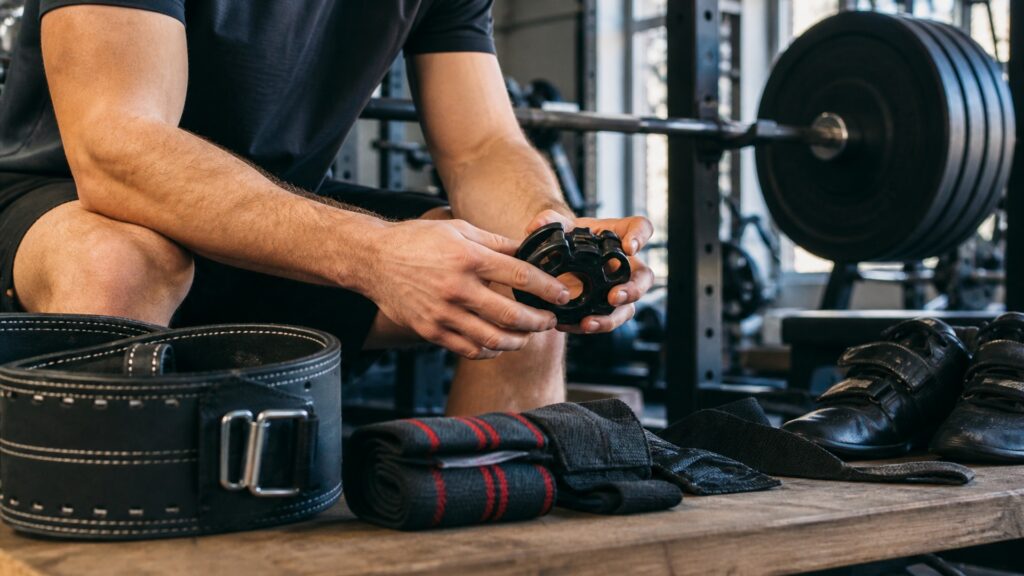
Why Weightlifting Accessories Safety Factors Matters

Safety factors matter in weightlifting accessories because support gear is often used around heavy loads, moving plates, tired hands, and demanding body positions. A worn strap, loose collar, badly placed wedge, or misunderstood belt can create problems instead of reducing them.

Good accessory use starts with the lift, the equipment, and the lifter's condition that day. The accessory should make setup more reliable or support more consistent, not encourage careless loading or ignore warning signs.

By: Review Streets Research Lab
Updated: September 23, 2026
Explainer · 8-12 min read
weightlifting accessories safety factors explainer hero image for Review Streets
What You'll Learn

How Safety Factors Shape Accessory Use

A practical look at inspection, fit, plate security, support limits, and setup judgment.

  • Why straps, belts, wraps, collars, and setup tools need inspection
  • How fit and placement affect accessory usefulness
  • Where accessories can create false confidence
  • Why worn gear should be replaced before it fails
  • How to keep safety checks simple and repeatable

Tip: Treat an accessory as part of the setup check, not as permission to ignore the setup.

Definitions

Key Safety Concepts For Weightlifting Accessories

These concepts explain how accessory condition and placement affect lifting reliability.

Gear Condition

Gear condition is the physical state of the accessory before it is used.

  • Example: checking straps for fraying before heavy pulls
  • Check: inspect stitching, buckles, fabric, and closure points
  • Limit: visual checks cannot make damaged gear safe

Secure Fit

Secure fit means the accessory sits firmly and comfortably enough to do its job.

  • Example: a belt tightened enough for bracing without pinching or shifting
  • Check: test the fit before the work set
  • Limit: too tight or poorly placed gear can interfere with movement

Plate Security

Plate security is keeping loaded plates from sliding or shifting during a lift.

  • Example: using collars on a barbell for loaded movements
  • Check: confirm collars match the bar and hold in place
  • Limit: collars do not replace balanced loading

Support Limit

Support limit is the point where an accessory can help but cannot solve a deeper issue.

  • Example: wrist wraps helping position but not curing pain
  • Check: notice whether the accessory hides discomfort or poor setup
  • Limit: persistent pain needs attention beyond gear choice

Setup Stability

Setup stability is whether blocks, wedges, pads, and other supports stay put during the lift.

  • Example: checking that wedges do not slide before squats
  • Check: test the surface and placement with lighter work first
  • Limit: unstable setup tools can add risk

Use Judgment

Use judgment is deciding whether the accessory fits the lift, load, and lifter readiness.

  • Example: skipping straps when the goal is grip practice
  • Check: ask why the accessory is being used for this set
  • Limit: habit alone is not a safety reason

Tip: A safety check should happen before the set, while the lifter can still change the setup.

Inspection

Check The Accessory Before Heavy Use

Small accessory failures can matter when a lift is loaded. Straps, wraps, belts, collars, clips, and wedges should be inspected before they are trusted.

  • Look for fraying, cracks, loose stitching, or weak closures.
  • Replace worn gear before it fails.
  • Keep dirty or slippery gear from becoming a setup problem.

Inspection is a simple way to prevent avoidable surprises.

Fit

Support Gear Has To Fit The Lifter And Lift

A belt, wrap, sleeve, or strap can be technically useful but poorly fitted. Bad placement can reduce comfort, change the setup, or distract during the set.

  • Check belt position before loading heavily.
  • Wrap wrists firmly without cutting off comfort.
  • Use straps in a way that releases safely.

Fit turns support gear from a product into a usable tool.

Security

Collars And Loading Habits Work Together

Collars help keep plates from shifting, but they are only one part of a safe loading habit. The bar still needs balanced loading, clear space, and attention during changes.

  • Use collars when plates could move.
  • Load both sides evenly.
  • Recheck after plate changes.

Plate security is both a tool choice and a habit.

Limits

Accessories Should Not Hide Warning Signs

Support gear can make a lift feel more secure, but that feeling has limits. Pain, unstable movement, or poor control should not be pushed aside because an accessory is present.

  • Do not use wraps to ignore wrist pain.
  • Do not use a belt to justify a load that feels uncontrolled.
  • Stop if setup tools shift during the lift.

The accessory should support judgment, not replace it.

Routine

Make Safety Checks Repeatable

The best safety habits are simple enough to repeat. Check the accessory, check the fit, check the load, and check the space before the set begins.

  • Build checks into warmups.
  • Keep accessories organized and easy to inspect.
  • Use lighter sets to test new gear.

A repeatable setup makes accessory use more reliable.

Quick Reality Check

Where Safety Factors Help And Where They Are Limited

Accessories can improve reliability, but they do not remove the need for careful lifting.

Where They Help

They encourage inspection, secure loading, and better support fit.

They reduce avoidable setup problems before heavy sets.

Where They Are Limited

They cannot make damaged gear safe.

They cannot replace technique, appropriate loading, or attention to pain.

Common Myths

Misconceptions About Accessory Safety

Support gear is safest when it is checked and used for a clear reason.

A belt automatically makes a lift safe

A belt can help bracing, but it does not fix poor setup or reckless loading.

Collars are unnecessary on controlled lifts

Collars are useful whenever plates could shift, especially as fatigue or bar angle changes.

Worn straps are fine until they break

Visible wear is a reason to replace them before a loaded set exposes the weakness.

If an accessory feels supportive, the lift is safe

Comfort can help, but the lift still needs sound setup and appropriate load choice.

Tip: Safety value comes from condition, fit, and correct use together.

FAQ

Frequently Asked Questions About Accessory Safety

Short answers about inspection, fit, collars, belts, wraps, and setup tools.

What should I inspect first?

Check the parts that hold tension or load: stitching, straps, buckles, collars, clips, and contact surfaces.

Can a belt prevent injury?

A belt can support bracing, but it cannot guarantee safety or replace good lifting decisions.

When should I replace straps or wraps?

Replace them when they show fraying, stretched closures, loose stitching, or unreliable feel.

Do setup tools need safety checks?

Yes. Blocks, wedges, and pads should stay stable and should be tested before heavy work.

What is the practical takeaway?

Weightlifting accessories are safest when they are inspected, fitted correctly, and used for a specific lifting reason.

Bottom Line

Safety factors matter because weightlifting accessories are used around loaded, demanding exercises.

Inspection, fit, plate security, stable setup, and honest judgment keep support gear from becoming a new risk.

Next Steps

Go Deeper or Compare Your Options

Use these Review Streets paths to compare related categories and practical next decisions.