
Session Purpose
Session purpose is the reason a tool is included in that day's workout.
- Example: bringing straps for heavy back work
- Check: name the exercise or set the accessory supports
- Limit: a tool without a purpose becomes clutter
Workout role matters in weightlifting accessories because each item should earn its place in the session. A belt, strap, wrap, collar, sleeve, wedge, block, or pad should support a specific part of lifting rather than simply adding gear to the workout.
When the role is clear, accessories can make setup more reliable, support better positions, protect the flow of the session, or help the lifter focus on the intended exercise. When the role is unclear, they can add clutter, false confidence, or unnecessary steps.
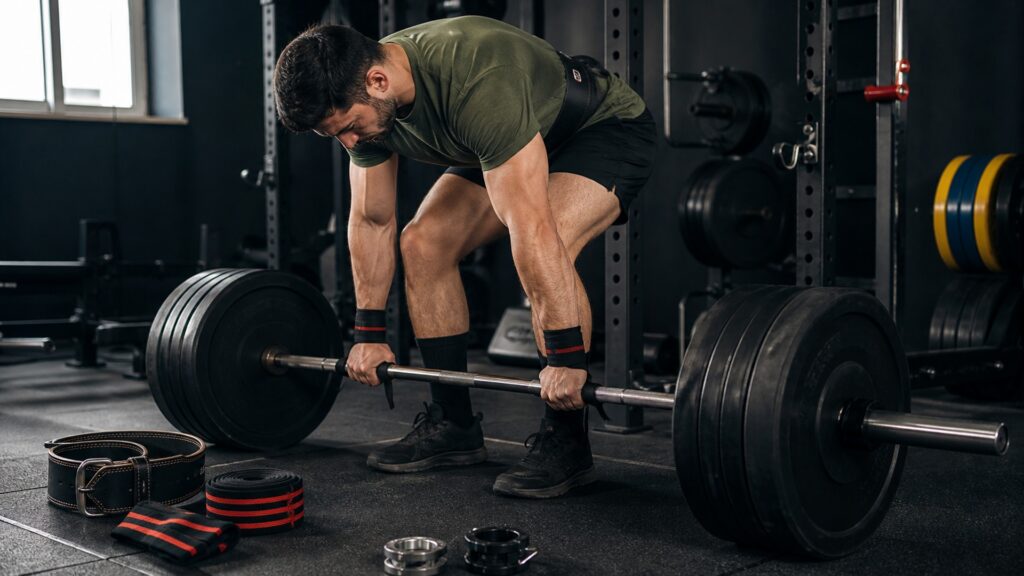
A practical look at matching accessory roles to lifting tasks, setup, comfort, and training priorities.
Tip: If an accessory does not solve a real session need, leave it out.
These concepts explain how accessories fit into the structure of a lifting session.
Session purpose is the reason a tool is included in that day's workout.
Setup support helps the lifter prepare the station, body position, or loaded equipment.
Lifting focus is the main training task the accessory helps preserve.
A comfort role helps reduce avoidable irritation so the lifter can perform the intended movement.
Flow protection keeps small issues from interrupting the workout.
Selective carry means bringing the accessories that match the workout instead of everything available.
Tip: The best accessory role is specific enough to guide when the tool should and should not be used.
A strength workout can include heavy pulls, pressing work, squats, technical practice, or lighter accessory lifts. The gear should match that day's actual work.
Purpose keeps the gym bag from becoming a storage bin.
Collars, chalk, wedges, blocks, and wraps can make the start of a set smoother when they are ready and used correctly. That role is practical rather than flashy.
Reliable setup protects the quality of the session.
An accessory can help the lifter train the intended exercise more effectively. Straps may keep grip from ending a back-focused set early, while a belt may help the lifter brace for selected heavy work.
Accessory use should clarify what the set is for.
Sleeves, wraps, pads, and similar items can make lifting more comfortable. They should make a sound movement easier to repeat, not cover up a problem that needs attention.
Comfort matters, but it should not override judgment.
A focused accessory kit is easier to use than a crowded bag. The lifter should pack around the workout instead of bringing every possible item by default.
The accessory kit should make the workout simpler, not heavier.
A clear role makes accessories easier to use well.
It links each accessory to a lift, setup need, comfort need, or organization problem.
It keeps the session from being slowed by unnecessary gear.
It cannot make an accessory useful when the workout does not need it.
It cannot replace technique, programming, or sensible loading.
More gear is not the same as a better-prepared session.
A better approach is to pack around the day's actual lifts.
Support gear is useful only when it solves a real lifting need.
Comfort can help, but it should not hide pain or poor setup.
Collars, chalk, straps, and wraps can prevent delays when they match the session.
Tip: Use accessories as purposeful tools, not badges of training seriousness.
Short answers about packing, purpose, support, and session flow.
Review the day's lifts and bring the tools that support those exercises or setup needs.
No. Use straps when grip assistance supports the exercise goal, not as a default for every set.
Yes. They support plate security and can be an important part of reliable setup.
Yes, when the right items are ready and organized before the set begins.
Weightlifting accessories matter when each item has a clear role in the workout.
Workout role matters because weightlifting accessories should support specific parts of the session.
The strongest accessory kit is purposeful, organized, and matched to the lifts the user actually plans to perform.
Use these Review Streets paths to compare related categories and practical next decisions.
Review the practical jobs accessories perform.
See how safety checks shape accessory use.
Explore lifting support gear.
Choose a retailer
Prices checked regularly. We may earn a commission at no cost to you.