
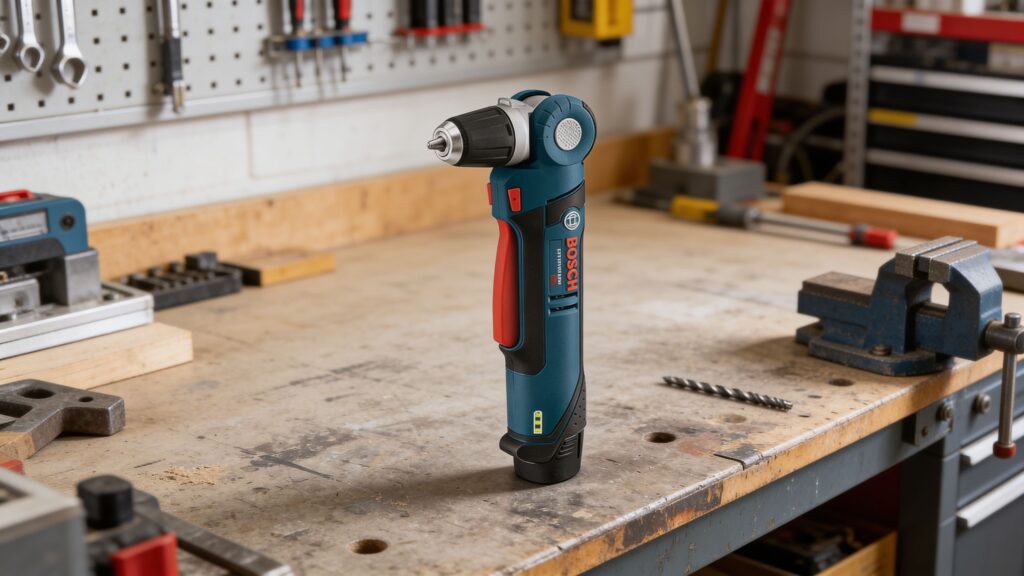
The Bosch AD60 right-angle drill is built for tight workspaces where standard drills struggle to reach. This review examines its real-world performance, handling, durability, and practical limitations. By evaluating its strengths and tradeoffs in everyday tasks, we aim to clarify where this compact tool fits—and where alternatives may offer advantages.
Bosch AD60 Right-Angle Drill Review: Performance, Pros, and Cons
By: Review Streets Research Lab
Updated: April 2, 2026
Approx. 8–10 min read
Quick Summary
The Bosch AD60 is a purpose-built right-angle drill that prioritizes access and control in tight, awkward spaces. In real use, it feels steady under typical fastening and drilling loads, stays manageable for overhead or confined work, and inspires confidence for installation and finish tasks. The main tradeoff is that it’s not the fastest choice for repetitive heavy-duty drilling compared with full-size drills.
8.2
Score
Best for: Compact installs
Pros & Cons
Bosch AD60: what we liked (and what we didn’t)
A quick look at the biggest strengths and tradeoffs based on performance, handling, and everyday usability.
Pros
- Access Advantage: Reaches tight bays and awkward corners where standard drills can’t work efficiently.
- Steady Control: Predictable trigger response helps start holes and drive fasteners cleanly without feeling jumpy.
- Manageable Handling: Balance feels composed in cramped positions, reducing wrist strain during overhead or inside-cabinet work.
- Consistent Results: Maintains usable power for common drilling and fastening tasks without frequent stalls in typical materials.
- Jobsite Confidence: Feels well-built for repeated use, with a sturdy, dependable impression in daily workflows.
Cons
- Not A Speedster: For repetitive hole drilling, it can feel slower than a full-size drill built for production pace.
- Limited Versatility: Best as a specialty tool; many general tasks are still quicker with a standard drill/driver.
- Awkward In Open Work: The right-angle format can feel less natural for long straight runs where reach isn’t the issue.
- Value Tradeoff: Pricing can be harder to justify if you only occasionally need tight-space access.
Specs
Bosch AD60 key specifications
These are the core specs and practical details most buyers compare across right-angle drills.
| Spec | Bosch AD60 |
|---|---|
| Type | Corded right-angle drill |
| Platform | Bosch professional corded tool line |
| Voltage | 120V corded power |
| Speed | Single-speed variable trigger (approx. up to 1,200 RPM) |
| Chuck | 3/8" keyed chuck |
| Torque | Manufacturer-rated for moderate drilling and fastening |
| Length | Compact right-angle head designed for tight spaces |
| Weight | Approx. 3–4 lb class tool (corded configuration) |
| Clutch settings | No adjustable clutch; drill operation only |
| LED light | No integrated work light |
| Included | Right-angle drill with keyed chuck and chuck key |
| Best use | Drilling and fastening in tight framing bays, cabinets, and confined work areas |
| Warranty | Bosch limited warranty (varies by region/product) |
Performance
How the Bosch AD60 performs
We evaluated drilling speed, power delivery, start-up control, and handling in tight or awkward work positions to understand how this right-angle drill behaves during common install, cabinet, and remodel tasks.
Drilling Speed
Moves at a steady, workable pace in typical wood and light drilling tasks, but it’s not built to race through repetitive holes.
Torque & Power
Delivers dependable pull for common drilling and fastening, with the most confidence in controlled, moderate-load work rather than heavy boring.
Control & Handling
The right-angle layout makes placement intuitive in tight bays, and trigger response feels predictable for clean starts and steady pressure.
Balance & Comfort
Comfort is strong in cramped positions, though longer sessions can still fatigue the wrist when pushing harder drilling angles.
Noise & Vibration
Noise is typical for the category, with manageable vibration that stays controlled in normal use and rises when the bit starts to bind.
Overall Performance
A reliable tight-space performer that prioritizes access and control, with enough strength for most install work and realistic limits on heavy drilling.
Testing note: Performance observations are based on hands-on use across common drilling and fastening tasks, focusing on control, comfort, and results in confined work areas.
Build Quality
Build quality & durability
The Metabo HPT D13VF has a straightforward, workmanlike build that feels ready for regular shop and homeowner use. The housing feels rigid in the hand, the grip stays secure even when dusty, and the overall balance favors steady drilling over compact convenience.
Key contact points—chuck, front housing, and switches—feel cohesive with minimal looseness during use. The keyed chuck interface inspires confidence for keeping bits seated, and the controls feel predictable rather than delicate. In practice, that helps reduce re-adjustments and keeps drilling lines more consistent.
In day-to-day handling, it feels comfortable being moved around a workspace, set down between tasks, and used in longer stretches without feeling finicky. Heat buildup feels manageable in typical drilling cycles, and the tool gives the impression it can handle routine bumps and transport without needing to be babied.
The tradeoff is portability: as a full-size corded drill, it’s less nimble in tight bays and overhead positions than smaller cordless options. If your priority is a solid, steady tool for repeated drilling sessions, the sturdier feel can be worth the added bulk and the corded workflow.
Setup & Maintenance
Setup, daily use, and upkeep
The Bosch AD60 is straightforward to set up—most of the “dial-in” is about matching your bit choice and technique to tight-space work. Focus on secure bit seating, stable bracing, and controlled pressure so you get cleaner starts, fewer stalls, and steadier results when drilling or fastening in cramped areas.
Best setup for common tasks
- Cabinet Installs: Use short bits or extensions that keep clearance tight, and brace the head so it doesn’t twist as the fastener bites.
- Stud Bay Drilling: Start with a sharp bit and moderate pressure, clearing chips often so the tool stays smooth in confined angles.
- Hardware Fastening: Use controlled trigger input and stop early to avoid stripping, especially when you can’t easily re-align in tight spaces.
- Plumbing/Electrical Pass-Throughs: Align the head square to the surface and work in short bursts to keep the hole clean and avoid binding.
What to do for smoother starts
- Feather The Trigger: Ease into rotation so the bit doesn’t wander when you’re starting at an angle or on slick hardware.
- Seat The Bit: Apply light forward pressure before full speed so the tip “bites” instead of skating across the surface.
- Use A Pilot: When accuracy matters, start with a small pilot hole to guide the larger bit and reduce grabbing in tight positions.
Maintenance (simple but important)
- Chuck Care: Keep the chuck jaws clean so bits clamp evenly and don’t slip during angled starts.
- Dust Cleanup: Wipe down the head and vents after dusty work to keep airflow and controls from getting gritty.
- Cord Check: Inspect the cord and strain relief for nicks or kinks, especially after transport or tight-jobsite routing.
- Bit Condition: Swap dull bits early—sharp cutting reduces heat, binding, and the sudden grabs that can twist your wrist.
Tip: In tight spaces, keep two points of contact—one hand stabilizing the head and one controlling the trigger—and use short, controlled bursts. This improves accuracy, reduces wrist strain, and helps prevent bind-ups when the bit catches mid-hole.
Real-World Use
Where the Bosch AD60 fits best
On paper, the Bosch AD60 is a right-angle drill designed for access. In real projects, its value becomes clear whenever a standard drill can’t reach comfortably or safely, allowing work to continue in tight framing bays, cabinets, and other confined areas.
Cabinet and fixture installations
Tight interior spaces inside cabinets, vanities, and built-ins are where the AD60 feels most natural. Its angled head allows the bit to sit square to the surface while your hands stay clear of surrounding panels, improving control and reducing awkward wrist angles.
Framing and stud-bay drilling
When drilling holes through studs or joists in narrow framing bays, the right-angle layout helps maintain alignment where longer drills simply won’t fit. It keeps the work moving without needing to remove nearby material just to gain clearance.
Electrical and plumbing access holes
Running wiring or small-diameter pipe often requires drilling in corners, behind framing, or near obstacles. In these situations the AD60’s shape makes positioning easier and reduces the chance of the tool body interfering with nearby structures.
Where it’s less ideal
For open workspaces or repetitive drilling tasks, a standard drill can feel faster and more comfortable. The AD60 excels as a specialty access tool, but its angled design isn’t always the most efficient choice when clearance isn’t a problem.
Value
Is the Bosch AD60 worth it?
The Bosch AD60 makes the most sense when tight-space access is a recurring problem you need to solve cleanly—cabinet installs, stud-bay drilling, and remodel work where a standard drill simply can’t fit. If you only occasionally run into clearance issues, a more general-purpose drill (plus an angled attachment) may cover your needs for less.
Price-to-performance takeaway
You’re paying for access, controllable handling in awkward positions, and the confidence of a purpose-built layout that keeps jobs moving without workaround drilling. Value improves when the tool replaces time-consuming repositioning and reduces the risk of mistakes in confined areas, while lower-cost options can be sufficient if tight-space tasks are rare.
Tip: If you already own a capable standard drill, weigh how often you truly need right-angle access before buying. For frequent cabinet or stud-bay work, a dedicated right-angle drill is usually the better long-term purchase than relying on occasional attachments.
FAQ
Bosch AD60 FAQ
Quick answers to the most common questions about the Bosch AD60—use cases, what to expect in real-world work, and the tradeoffs that matter when choosing a right-angle drill.
Is the Bosch AD60 a right-angle drill or an attachment?
It’s a dedicated right-angle drill, not an accessory. The angled head is built into the tool, which generally provides better control and stability in tight spaces than add-on attachments.
Is the Bosch AD60 corded or cordless?
The AD60 is commonly found as a corded right-angle drill. That means consistent run time and output, but you’ll need to manage cord routing when working in tight areas.
Can it handle drilling through studs and joists?
It can handle typical framing tasks when paired with sharp bits and steady technique. For frequent large-hole boring or heavy, repetitive drilling, a full-size drill or a higher-output right-angle model may be a better fit.
What kind of projects is it best for?
It’s best for cabinet work, fixture installs, and remodel tasks where access is the limiting factor—like drilling and fastening in stud bays, corners, and other confined work zones.
Is it overkill if I rarely work in tight spaces?
If tight clearance jobs are occasional, a standard drill may cover most needs, and a right-angle attachment can be enough for rare use. A dedicated right-angle drill is easier to justify when access problems show up regularly.
What should I look for when buying one?
Prioritize ease of positioning, stable bit alignment, and comfortable control in awkward angles. Also consider whether you prefer corded consistency or the mobility of cordless right-angle options for your typical work areas.
What are the most common downsides?
The biggest tradeoffs are specialization and pace: it’s not as efficient as a standard drill for open, repetitive drilling, and the right-angle layout can feel less natural when clearance isn’t the issue.
Alternatives
Best alternatives to the Bosch AD60
If the Bosch AD60 fits your needs but you want a different tradeoff—more power for heavy boring, cordless mobility, or a lighter compact design—these alternatives represent the most relevant directions to consider.
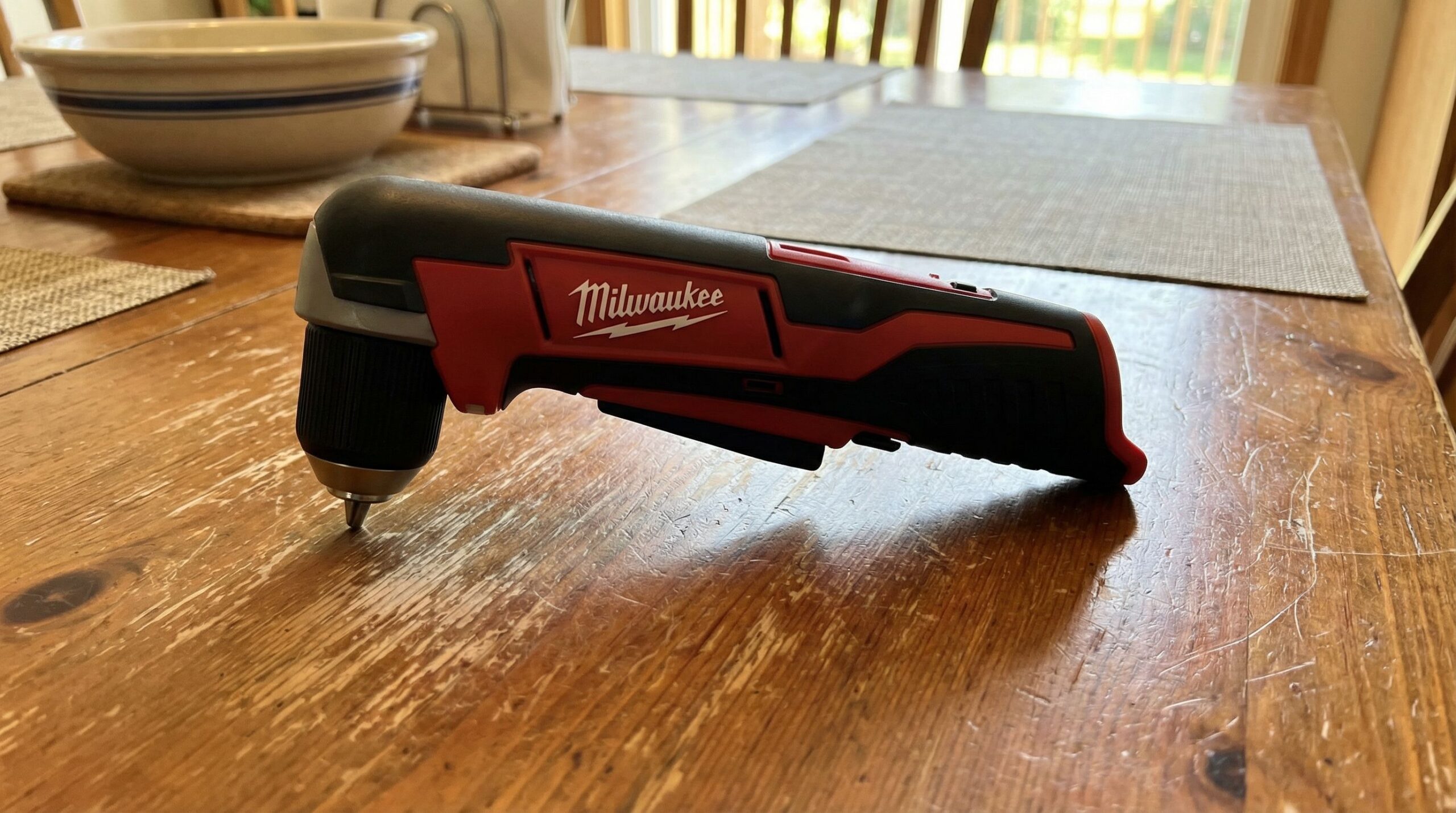
Milwaukee 2807-20
Heavy duty
A classic right-angle drill designed for tougher boring tasks like running large bits through studs or joists. It’s larger and more powerful than the AD60, making it a better fit when drilling speed and torque matter more than compact handling.
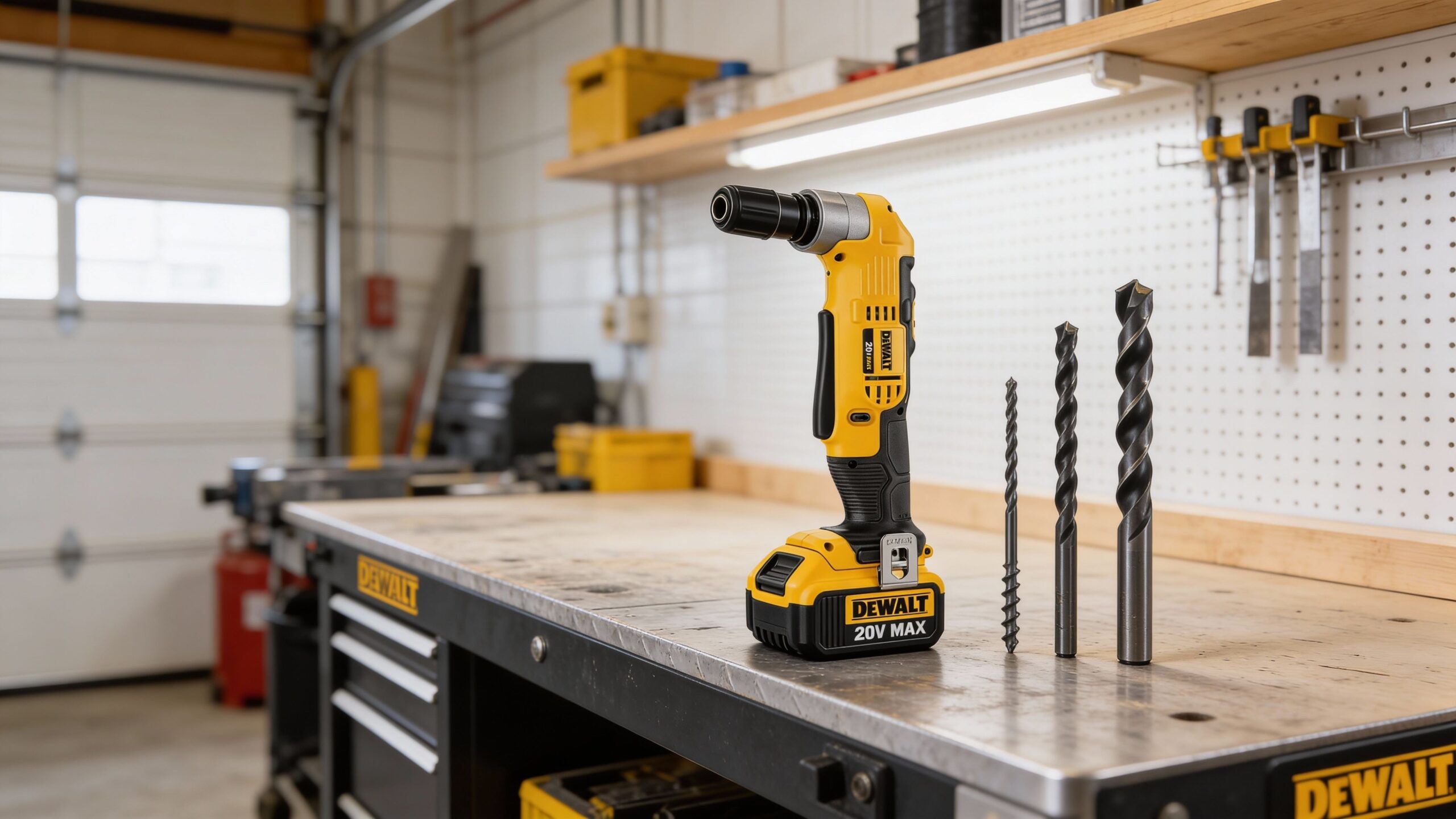
DeWalt DCD740
Cordless freedom
A cordless right-angle drill that trades the AD60’s corded consistency for mobility. It’s easier to maneuver on ladders or across larger job sites where extension cords become inconvenient.
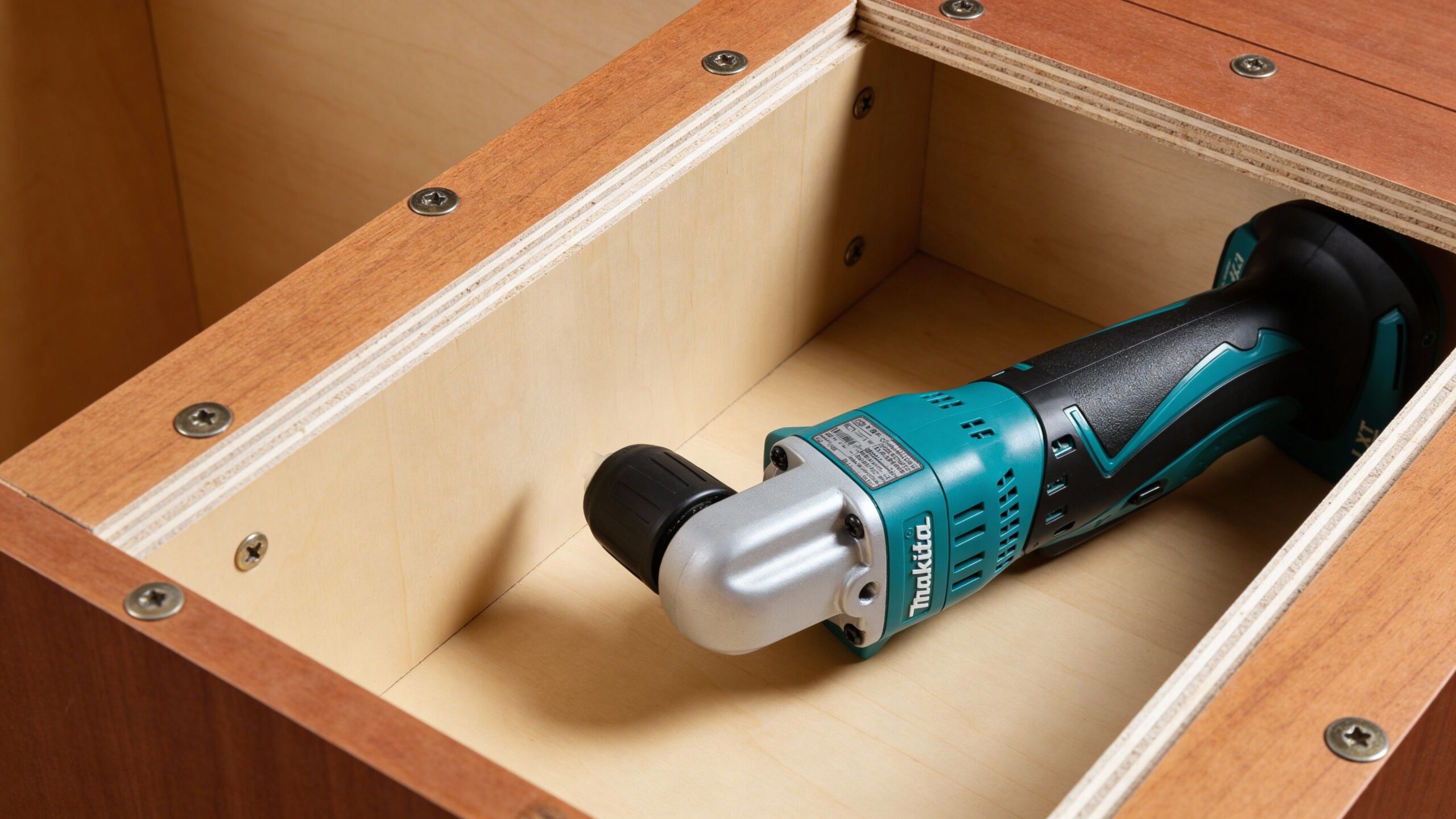
Makita DA3010F
Compact control
A smaller right-angle drill that emphasizes lightweight handling and smooth control in tight interiors. It’s a practical option if maneuverability and comfort matter more than maximum drilling power.
Sources
Sources & reference notes
Specifications and product details referenced in this review were verified using publicly available manufacturer documentation and current product listings. Where configurations or included accessories vary by seller, we note differences directly in the article.
- Bosch — product documentation and published specifications for the Bosch AD60 right-angle drill.
- Manufacturer and retailer information used to confirm intended use cases, common accessories, and compatibility expectations for right-angle drill applications.
- Retail product listings used to confirm current naming, SKU variations, and bundled accessories across tool-only and packaged options.
Where to Buy
Bosch AD60
Right-Angle Drill
Typical price range: $129–$249
Pricing varies by retailer and included accessories.
Check Current PriceReview Snapshot
Bosch AD60
8.2
Tight-space control tool
Best for cabinet, stud-bay, and install work where access matters most, with a tradeoff in speed and versatility versus standard drills.
- Performance: Steady results for typical drilling and fastening in confined areas
- Handling: Easier positioning in corners, but less natural for open, repetitive work
- Value: Worth it when tight-clearance jobs are frequent, less so for occasional use
Top 10 List
See the best right-angle drills
Want the full picture? Our Top 10 breaks down the best right-angle drills by handling, value, and real-world access.
View the Top 10Compare Models
Compare this drill head-to-head
See how the Bosch AD60 stacks up against other right-angle drills across access, handling, and overall value.
View ComparisonsAccessories You’ll Want
- High-quality bit set (durable Phillips, Torx, and square bits reduce cam-out and stripped fasteners in tight spaces)
- Sharp wood drill bits (clean-cutting bits help prevent grabbing and keep hole starts steadier when drilling at awkward angles)
- Compact drill extensions (short extensions improve reach behind obstructions without making the setup feel unwieldy)
- Magnetic bit holder (faster bit changes and fewer dropped screws when working inside cabinets or overhead)
- Work light or headlamp (better visibility in stud bays and cabinets improves alignment and reduces rework)
Tip: Right-angle drills are all about access—choose bits and extensions that keep the overall setup short and stable, and prioritize sharp cutting edges to reduce binding and control issues in cramped positions.