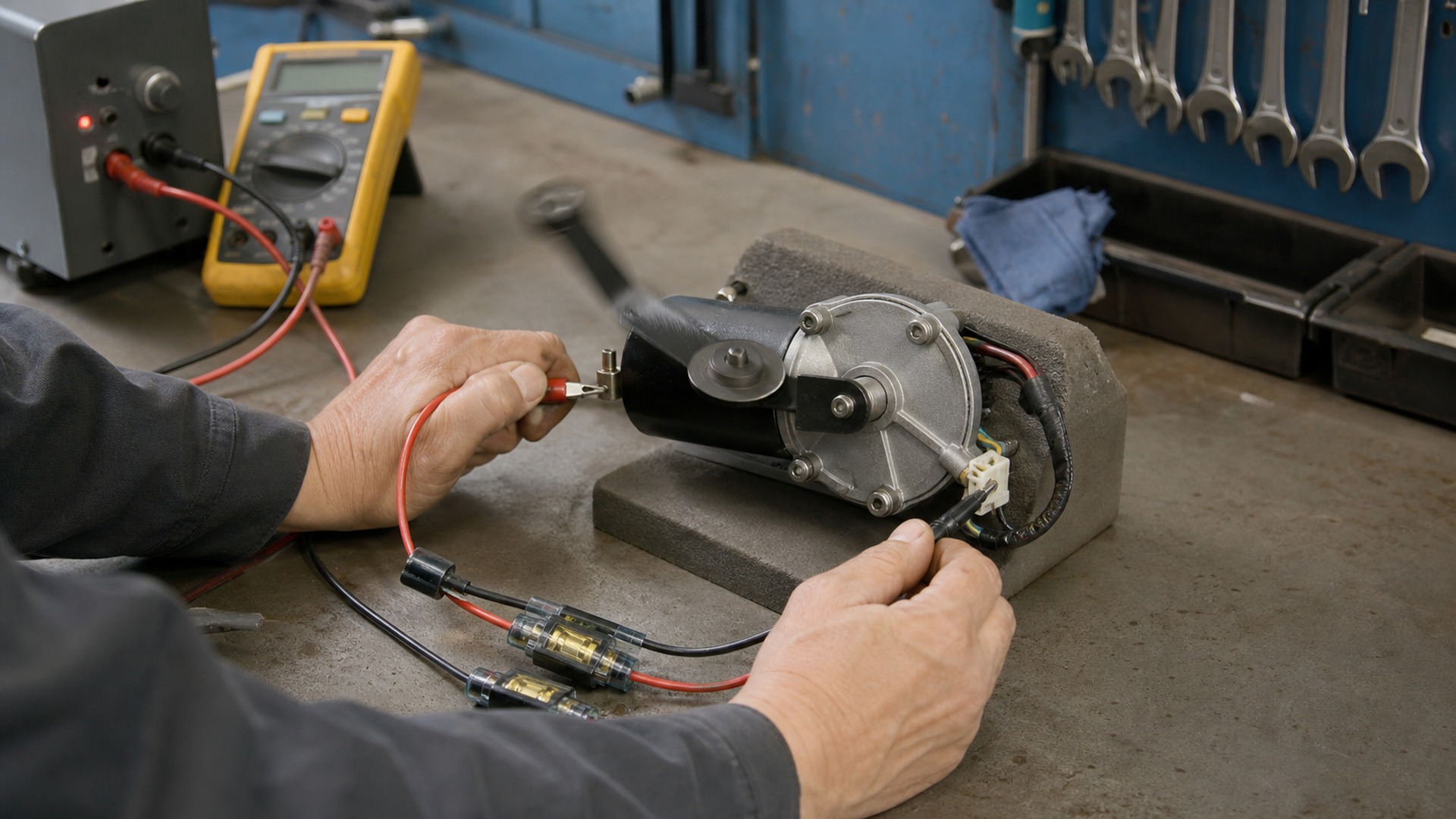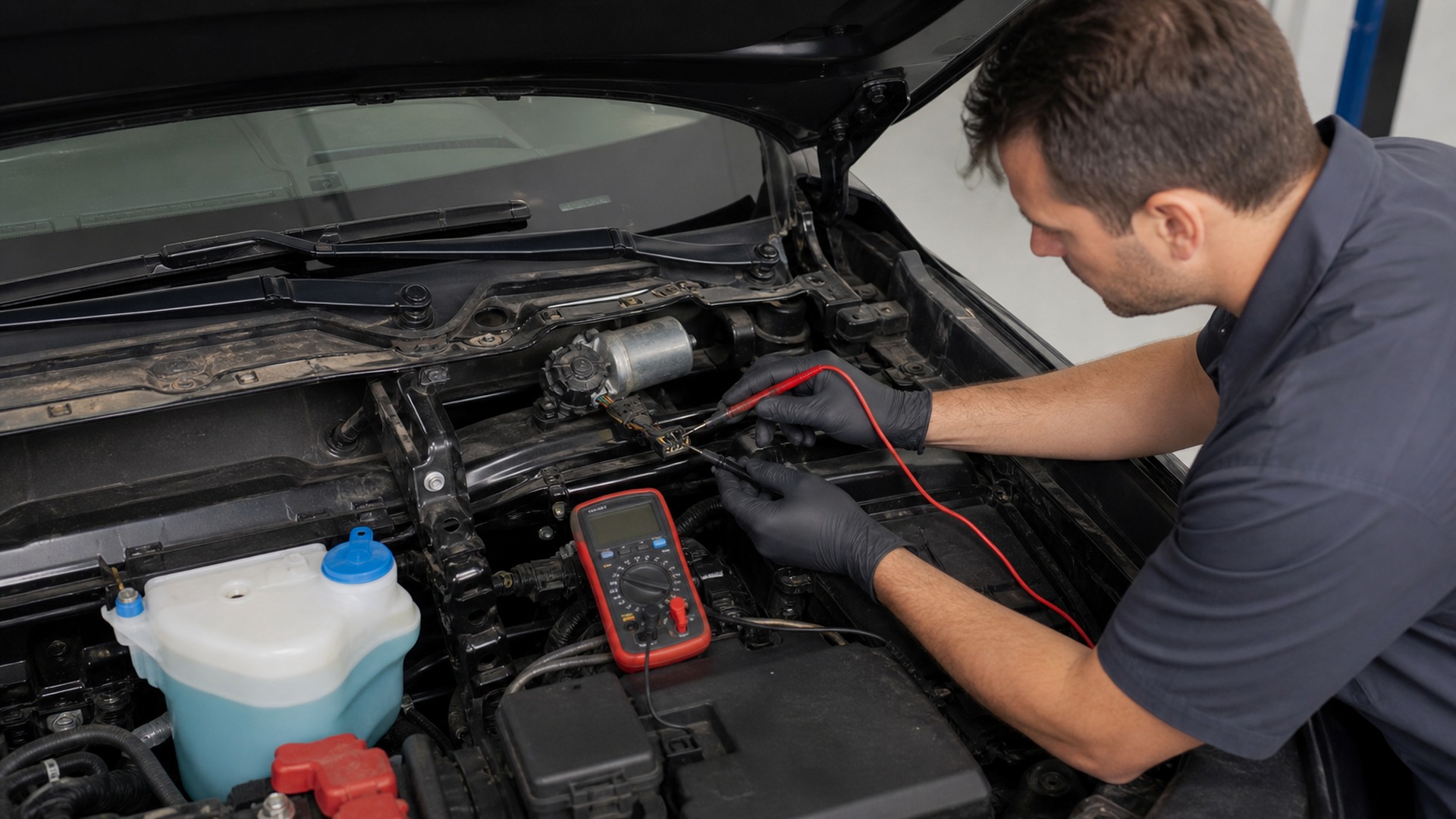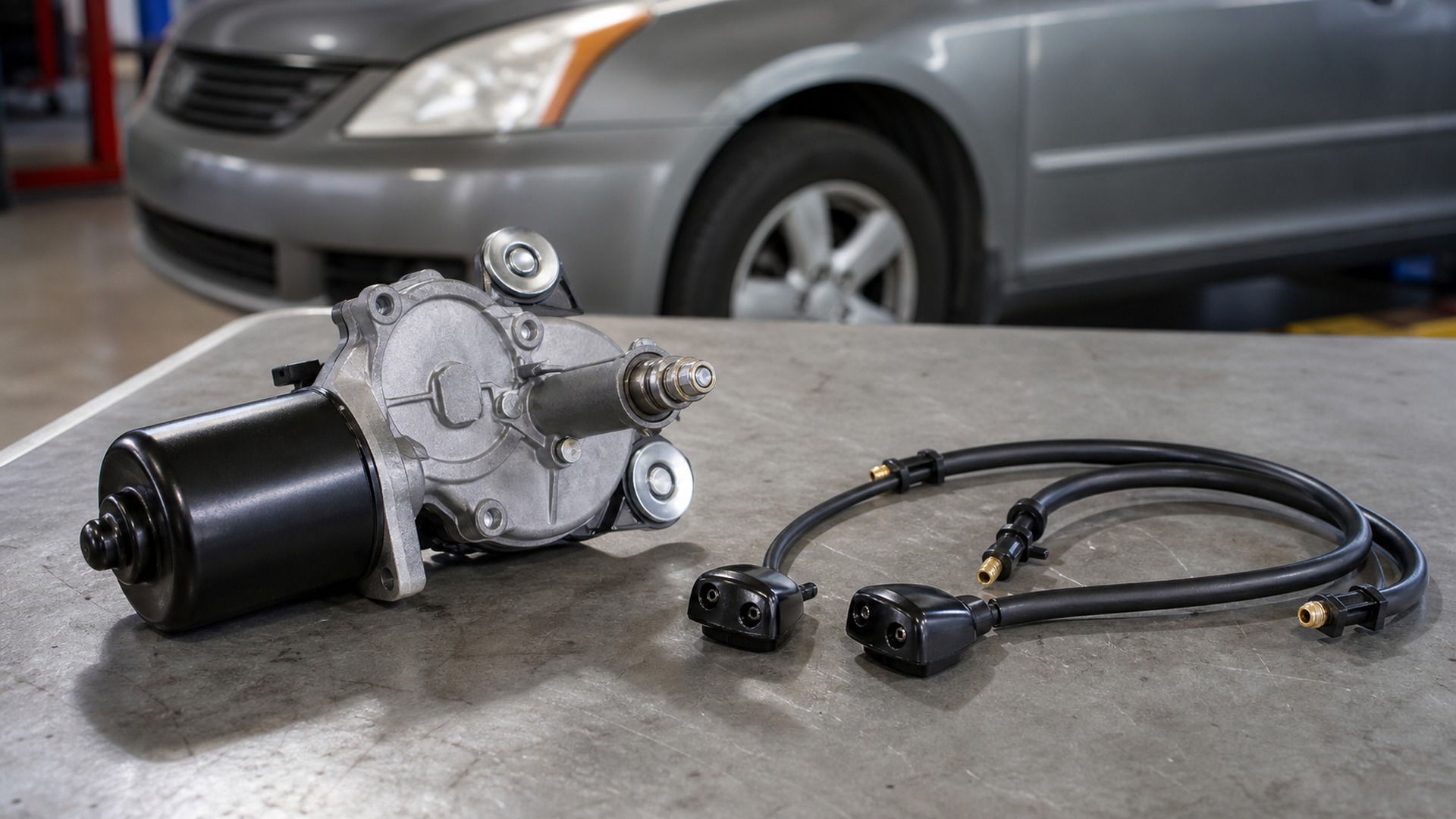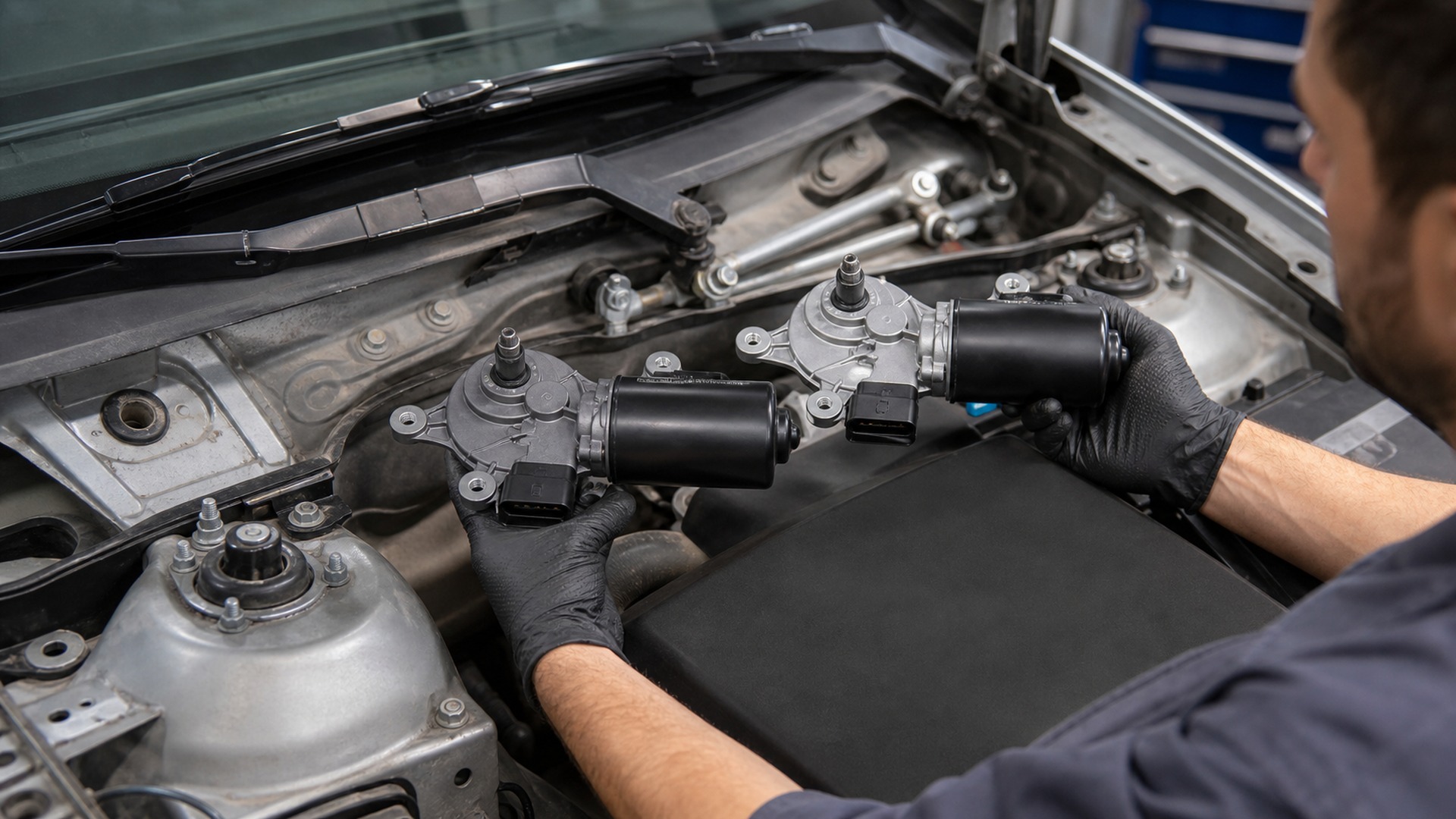
Why Wiper Motors Safety Factors Matters
Understand Wiper Motors in plain language, including key definitions, how it works, common misconceptions, practical checks, and related Review Streets paths.

Reviews You Can Trust
Understand Wiper Motors in plain language, including key definitions, how it works, common misconceptions, practical checks, and related Review Streets paths.
Understand Wiper Motors in plain language, including key definitions, how it works, common misconceptions, practical checks, and related Review Streets paths.
Understand Wiper Motors in plain language, including key definitions, how it works, common misconceptions, practical checks, and related Review Streets paths.
Understand Wiper Motors in plain language, including key definitions, how it works, common misconceptions, practical checks, and related Review Streets paths.
Understand Wiper Motors in plain language, including key definitions, how it works, common misconceptions, practical checks, and related Review Streets paths.
Understand Wiper Motors in plain language, including key definitions, how it works, common misconceptions, practical checks, and related Review Streets paths.
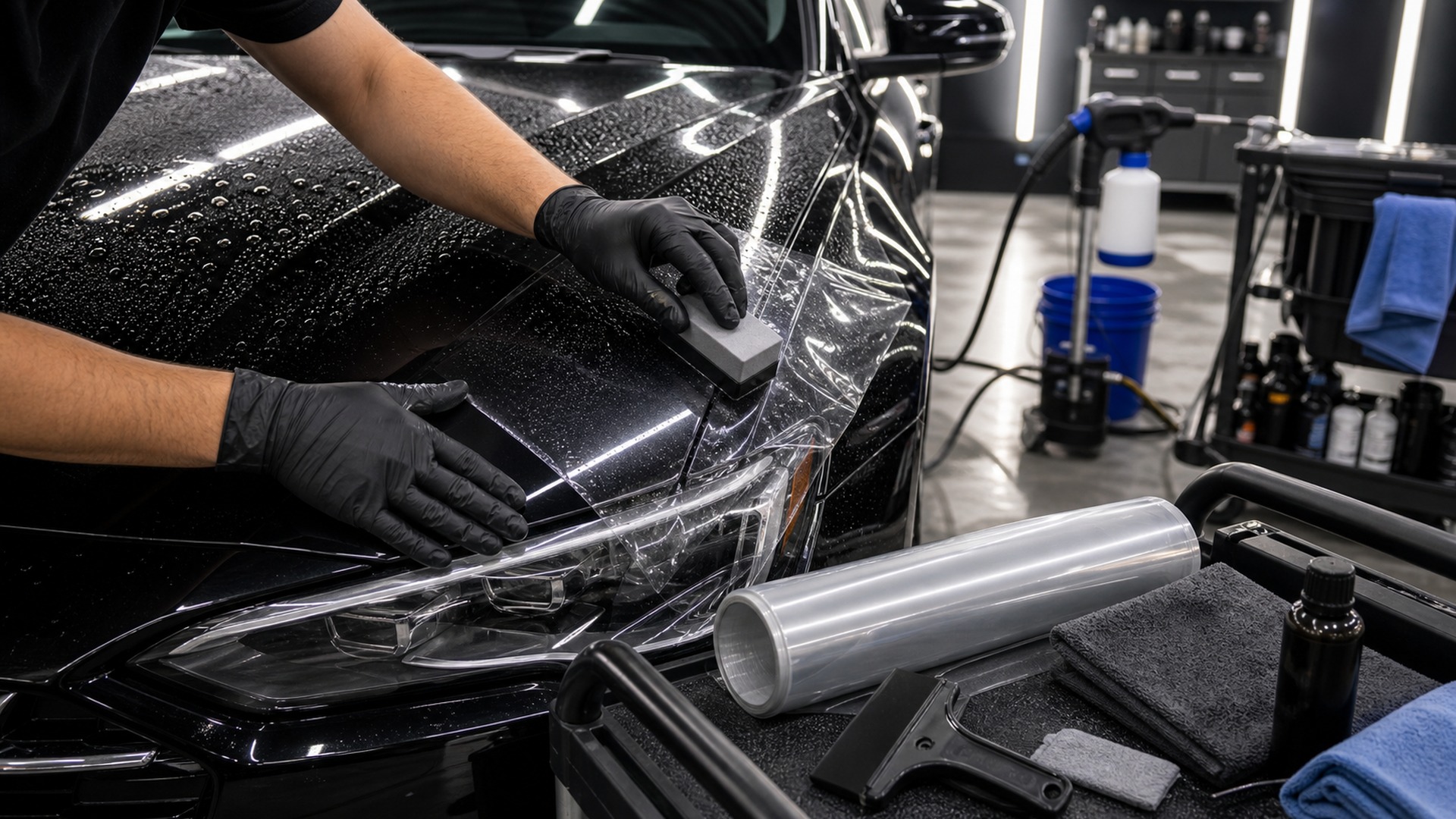
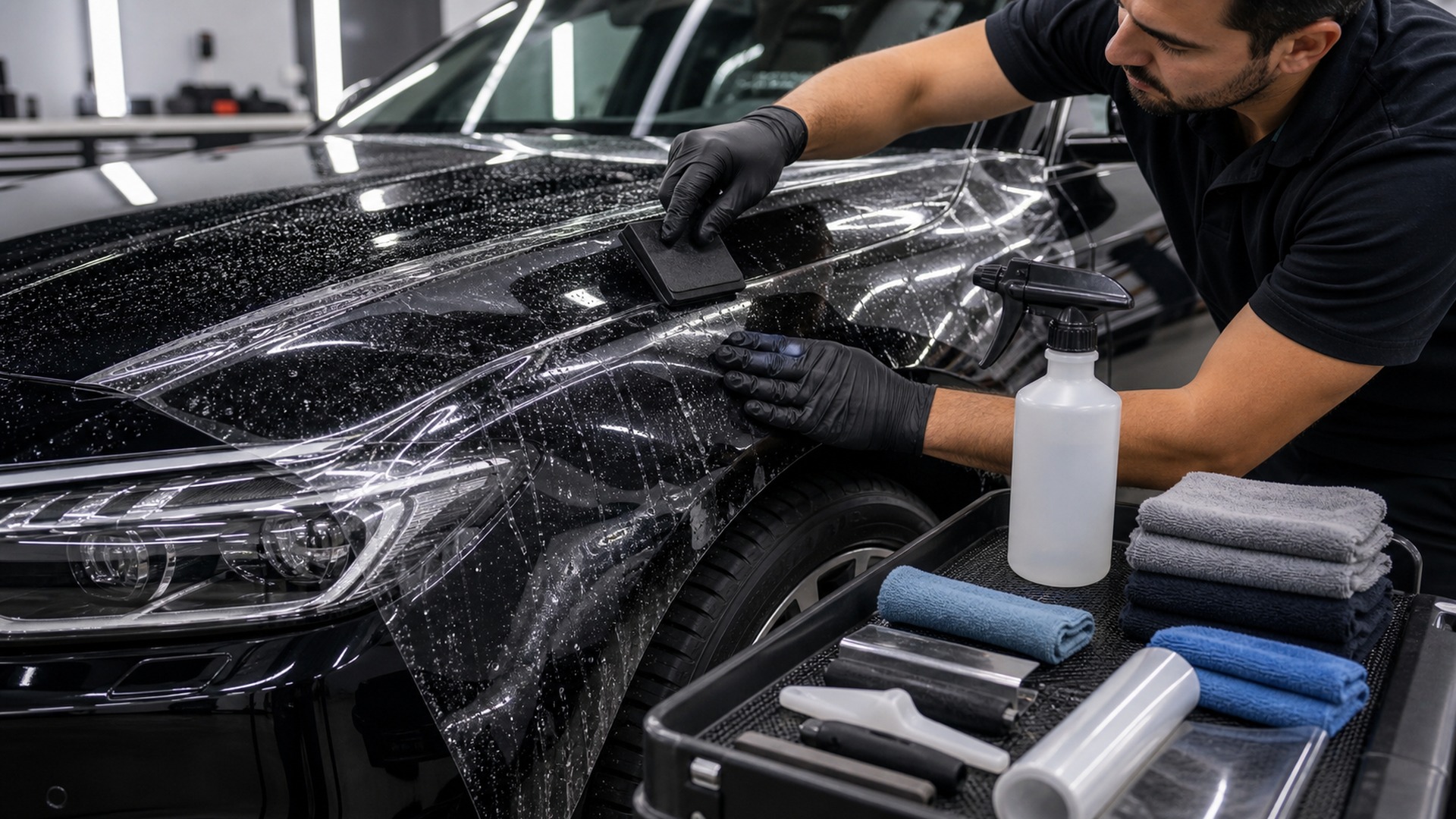
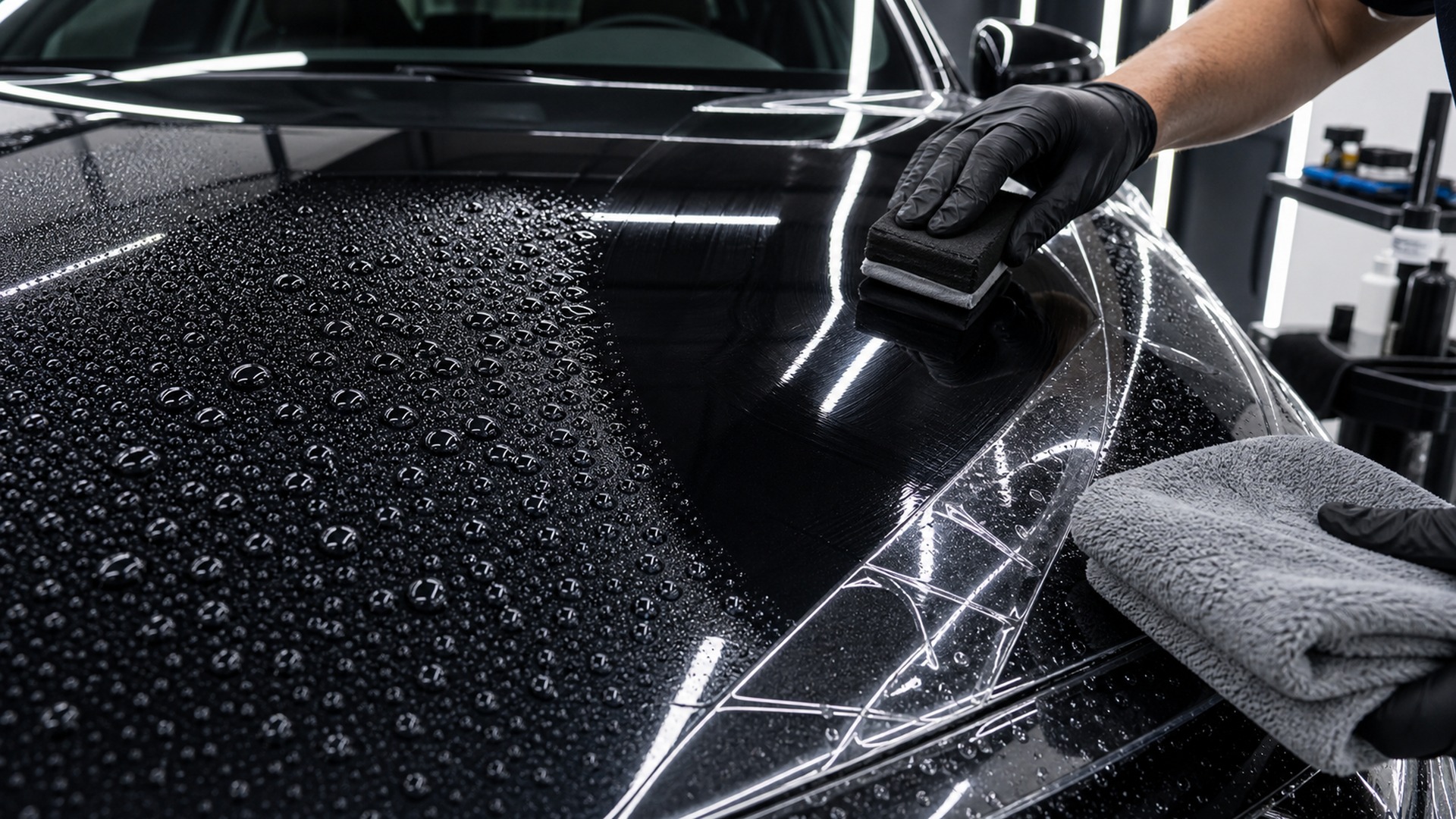
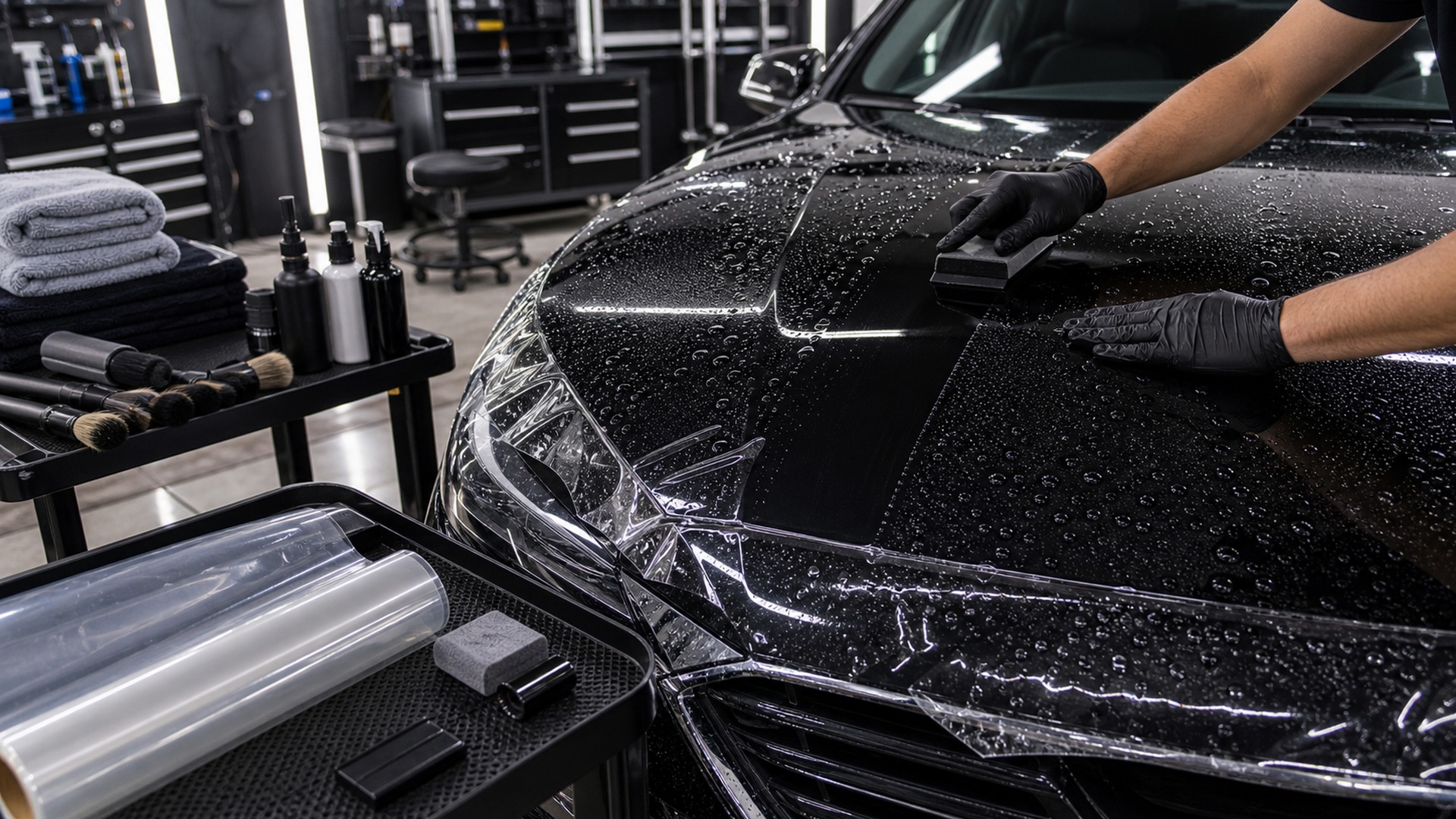
Choose paint protection when the decision concerns future exposure after the paint is clean: easier contaminant release, a sacrificial chemical-contact layer, or physical film over selected impact zones. Protection requires paint assessment, preparation, installation, cure, and maintenance; it is not a cleaning substitute.
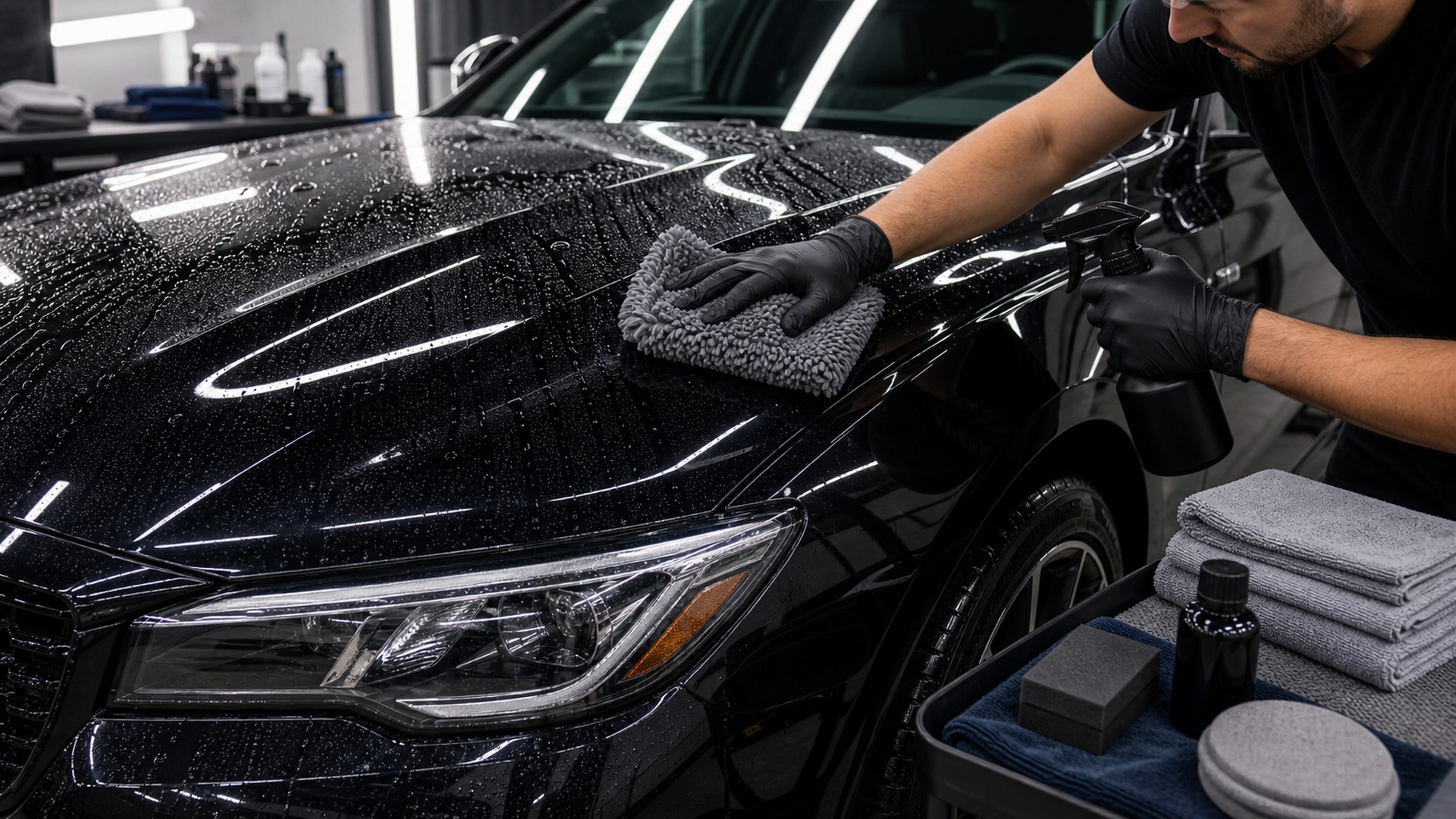
Paint protection begins at installation but survives through maintenance. Road film, minerals, insects, bird waste, sap, salts, iron particles, wash residue, and dressings can mask behavior or exceed a layer’s chemical and physical limits. Safe cleaning restores observability before anyone diagnoses failure.
Paint protection intentionally leaves supported material on prepared exterior paint. Wax, sealant, coating, or film remains after service, then faces weather, washing, contamination, abrasion, and impact within defined limits. Coverage, cure, adhesion, edges, maintenance, and eventual renewal are central evidence.
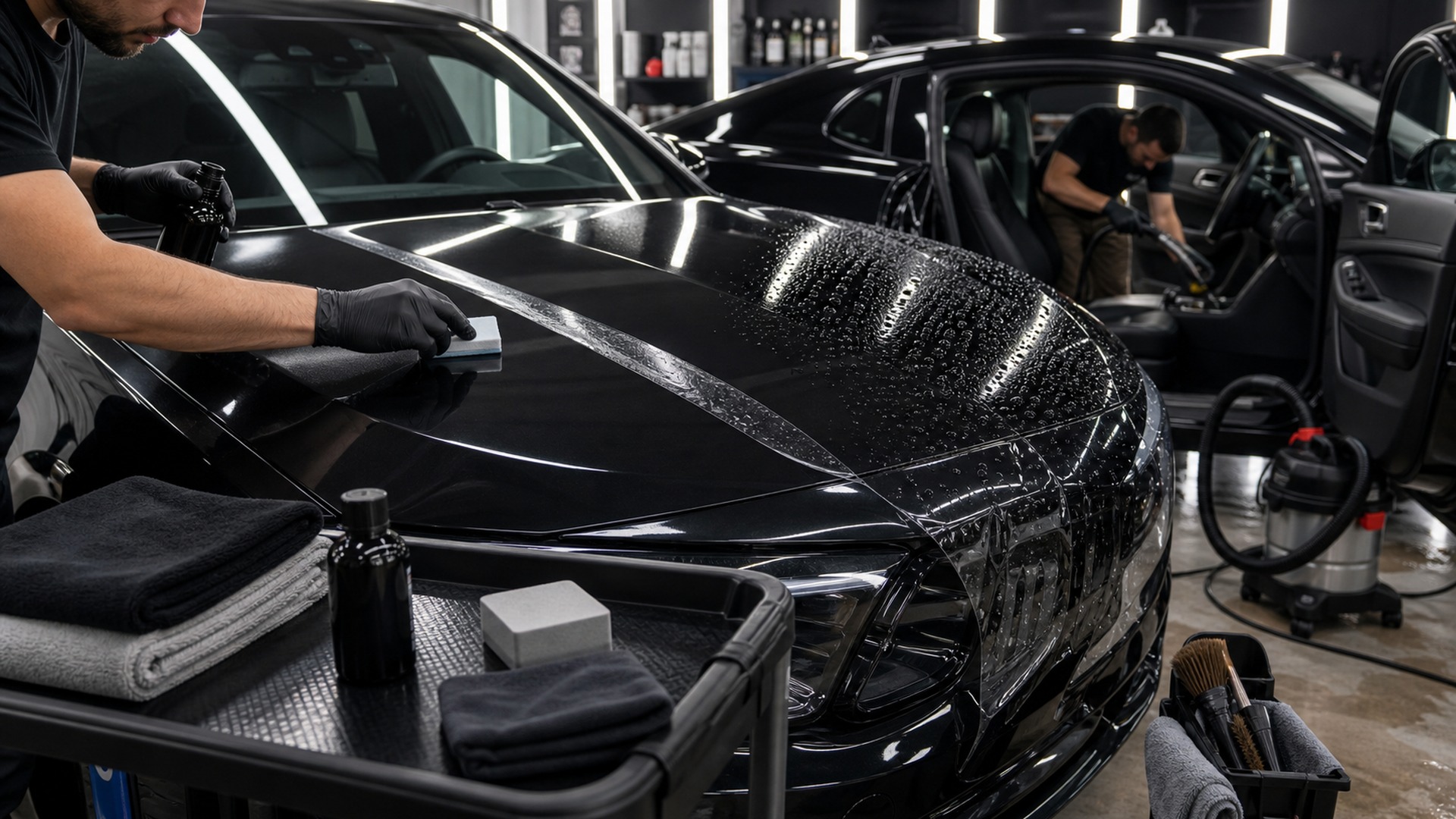
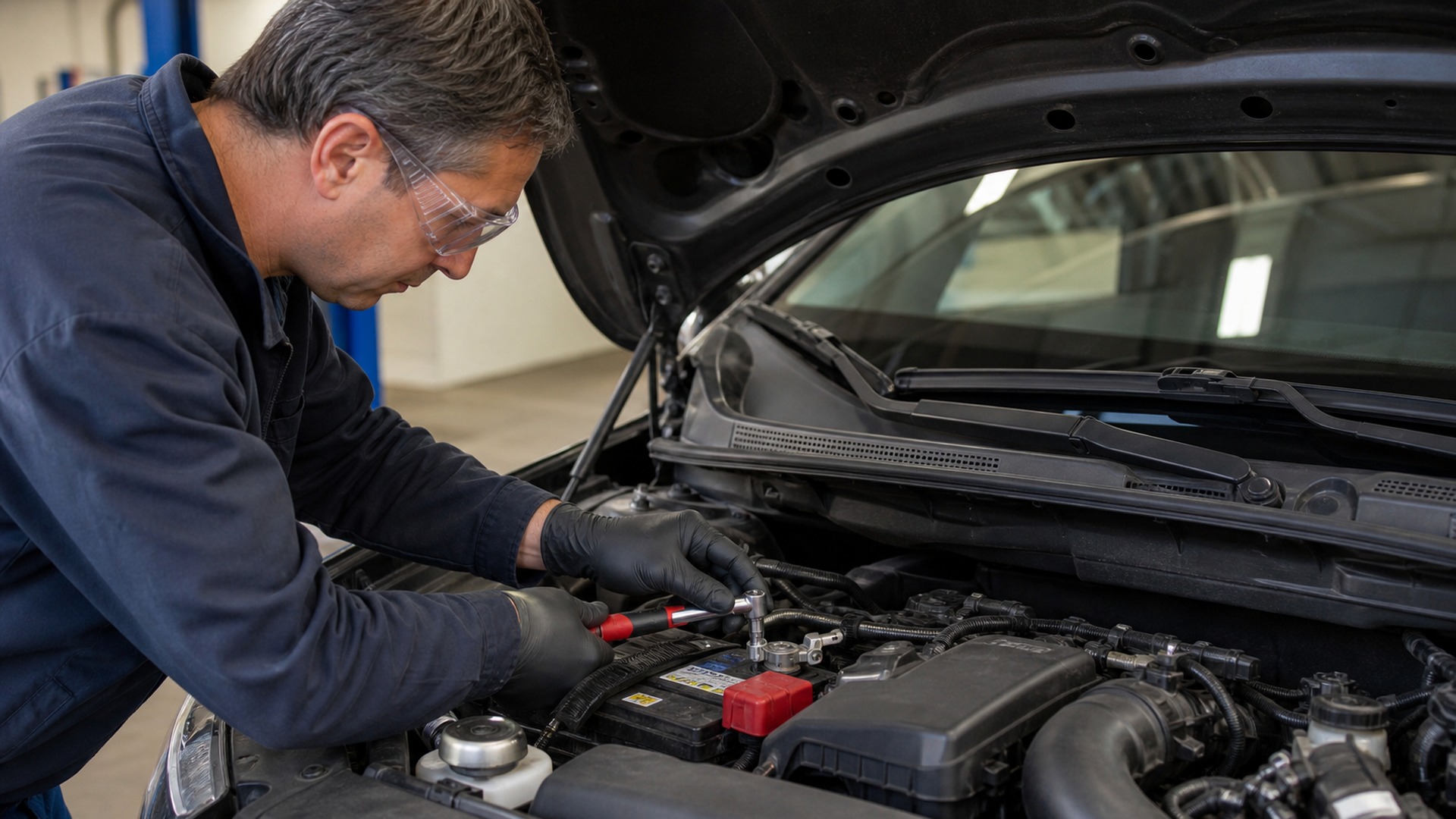
Paint-protection work combines cleaning chemicals, solvents or carriers, powered tools, water, sharp film-cutting implements, awkward body positions, and a vehicle filled with sensitive trim and electronics. Safety begins with labels and safety data sheets, then converts their limits into ventilation, PPE, ignition control, handling, storage, and spill plans.
Paint protection matters because different materials perform different functions. Wax and sealant leave replenishable films; ceramic coatings alter surface interaction after wetting, leveling, and cure; paint-protection film adds a thicker polymer sheet held by adhesive. These functions address different exposures and cannot be ranked by one number.
Use paint protection when the desired result must remain on prepared exterior paint between washes. Repeated highway impact, mineral fallout, bird waste, ultraviolet exposure, or difficult maintenance can justify wax, sealant, coating, or film—but only after the actual exposure and required coverage are named.