
Electrical Pain TherapyHealthPain Relief

Why Electrical Pain Therapy Electrical Pain Therapy Health Function Matters

For electrical pain therapy a sound approach must deliver low level external electrical pulses through skin electrodes to influence sensory signaling or muscle response for temporary symptom management with results depending on placement settings and the condition Here the main issue is the claimed health role It uses electrode pulse width and pulse rate to explain what changes the outcome where uncertainty enters and.

Electrical Pain TherapyHealthPain Relief

How Electrical Pain Therapy Works

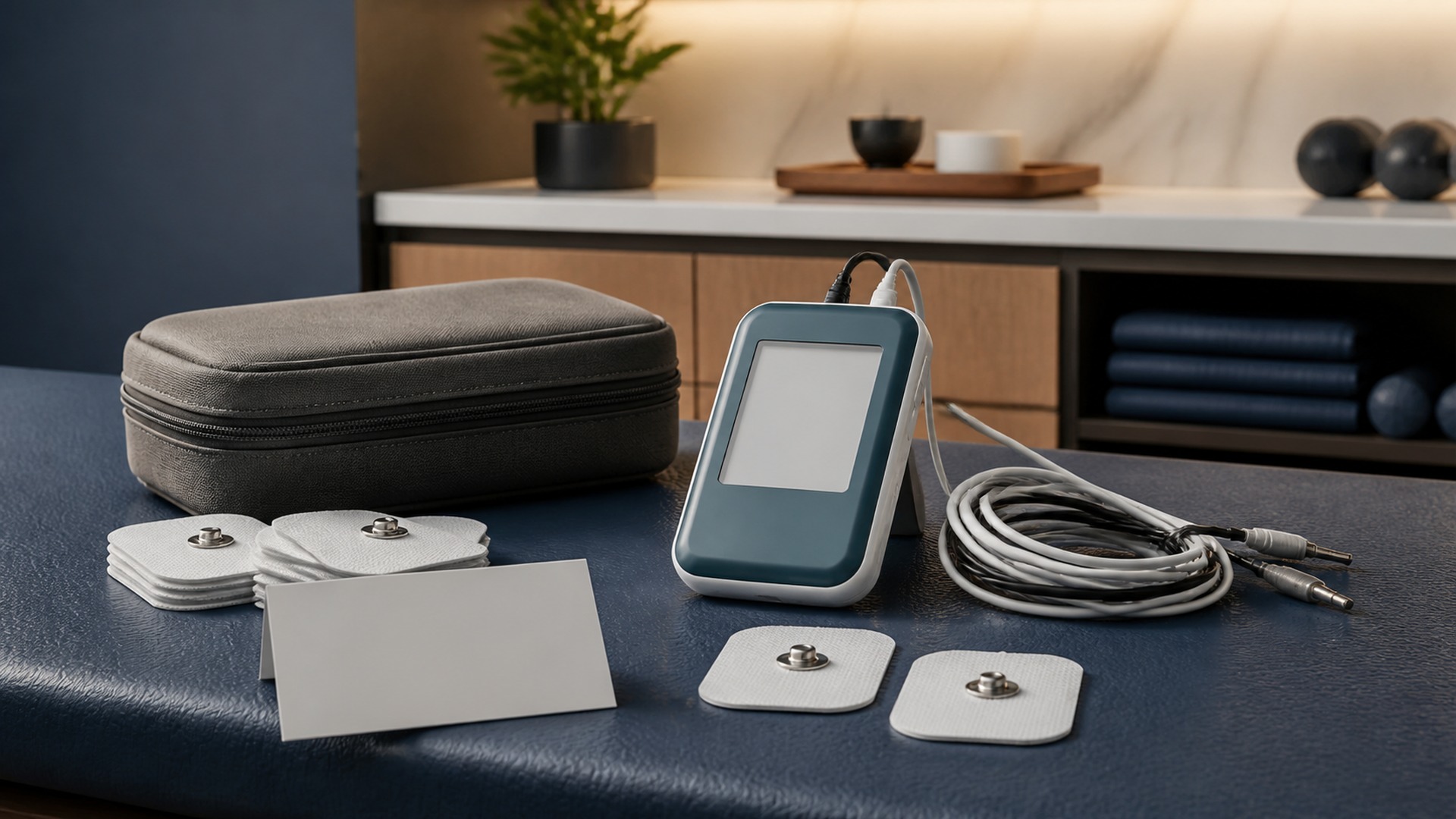
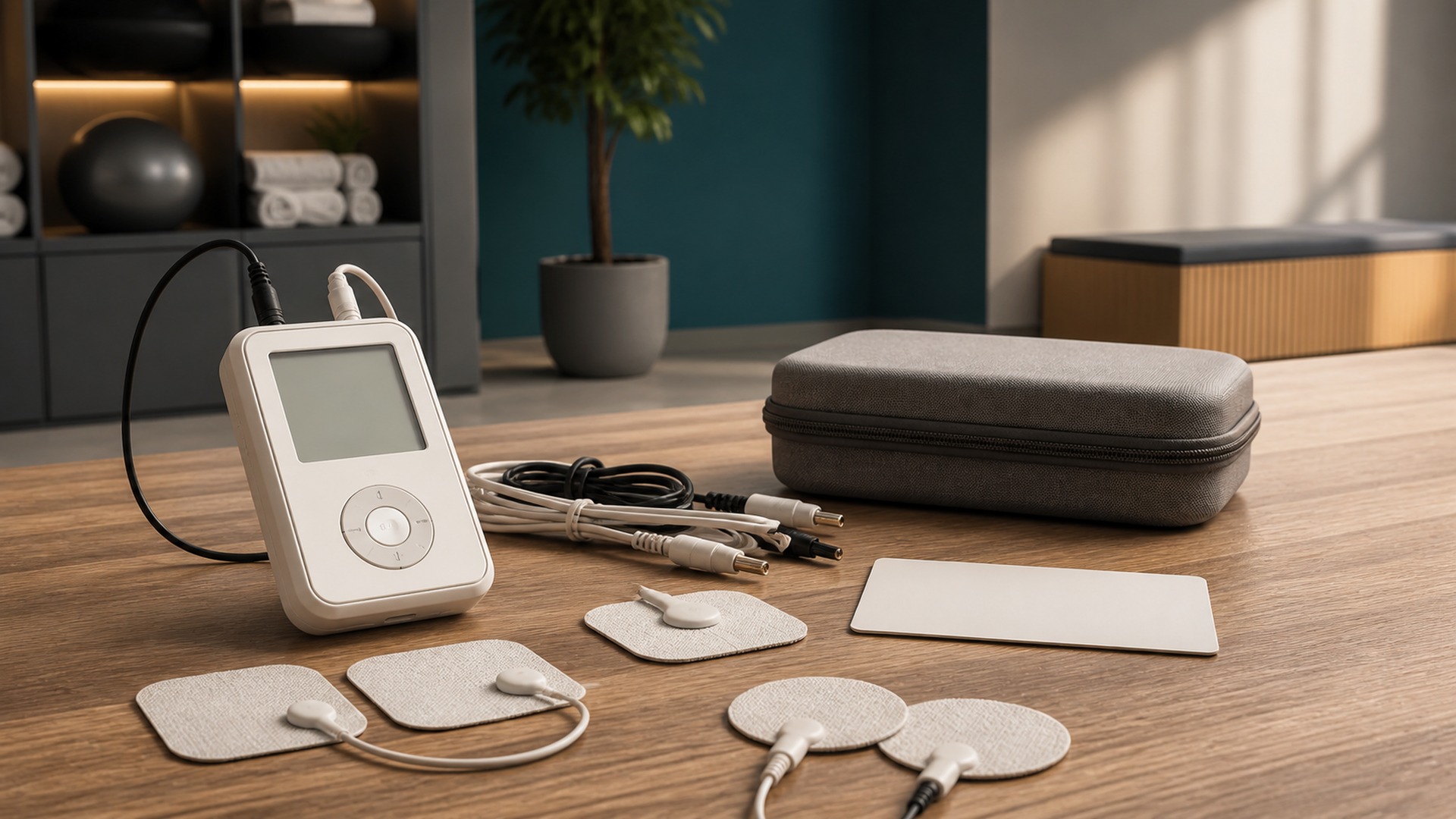
Electrical Pain Therapy products deliver low-level external electrical pulses through skin electrodes to influence sensory signaling or muscle response for temporary symptom management, with results depending on placement, settings, and the condition. Here, the main issue is the operating sequence. It uses electrode, pulse width, and pulse rate to explain what changes the outcome, where uncertainty enters, and which response is proportionate.

Cold TherapyHealthPain Relief

What Makes Cold Therapy Different from Manual Pain Relief Tools

Cold therapy changes tissue temperature through heat transfer, while manual tools apply user-controlled pressure, rolling, or leverage whose force, location, and technique determine exposure. The decision depends on different mechanisms. For cold therapy, examine cooling source and sleeve insulation; for manual pain relief tools, examine contact surface and applied force. Only then do added features help, because the direct job is understood.

Cold TherapyHealthPain Relief

What Makes Cold Therapy Different from Heat Therapy

Cold removes thermal energy and lowers surface temperature; heat adds thermal energy and raises it, so timing, skin checks, exposure limits, and impaired-sensation risks differ. The deciding issue is different mechanisms. For cold therapy, examine cooling source and sleeve insulation; for heat therapy, examine heating element and controller setting. Only then do added features help, because the direct job is understood.

Cold TherapyHealthPain Relief

When to Use Cold Therapy Instead of Foot & Leg Pain Relief

Cold fits a time limited localized cooling goal while foot and leg products may alter cushioning compression support movement or pressure during longer activities The word instead makes this a use case decision not a contest over secondary capabilities A situation favors cold therapy when the required job is to remove heat from a localized area A situation favors foot leg pain relief when.

Cold TherapyHealthPain Relief

When to Use Cold Therapy Instead of Electrical Pain Therapy

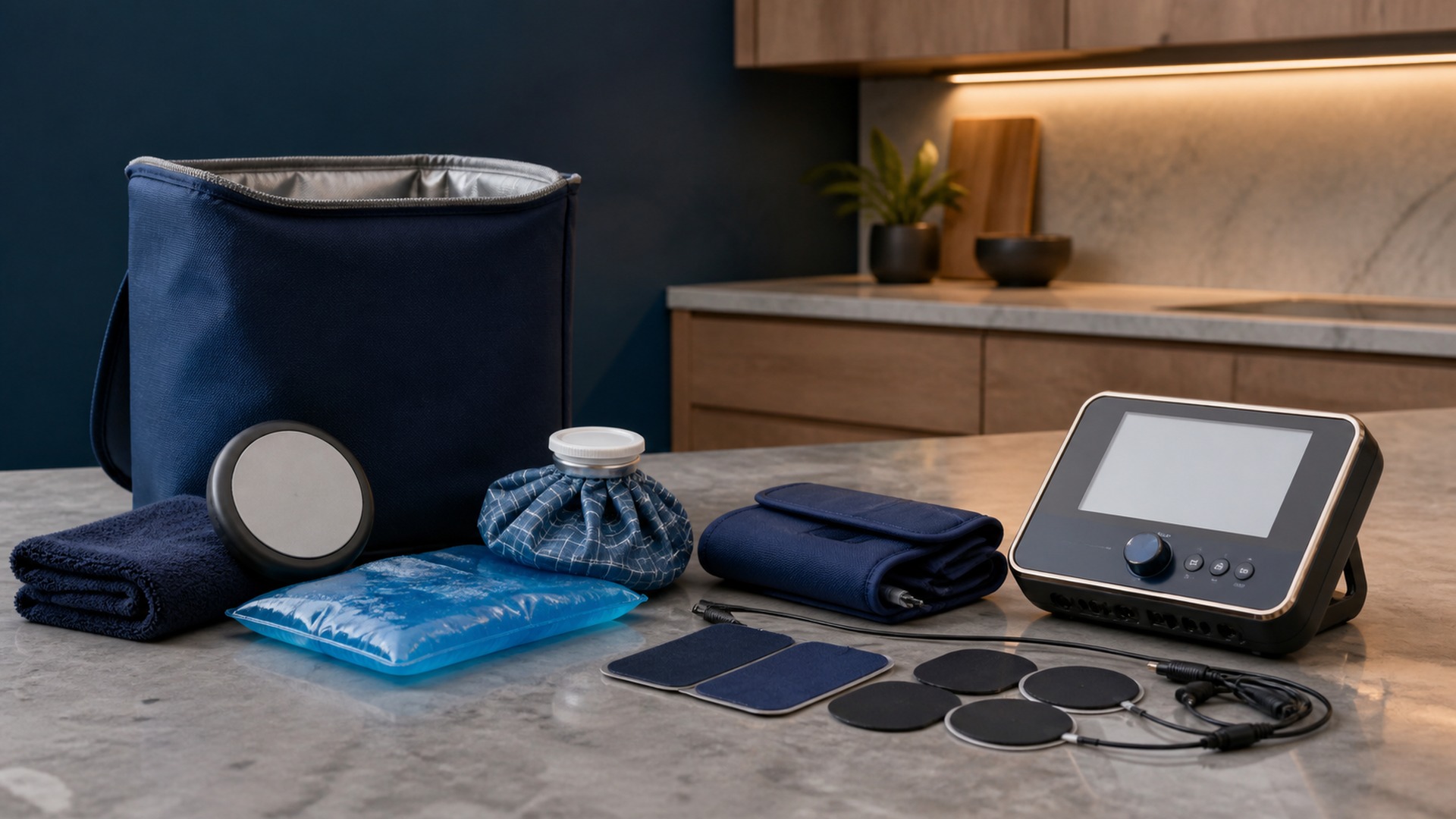
A chilled pack needs insulation a clock and complete warmth recovery an electrical unit instead requires compatible hardware deliberate pad geometry waveform controls and screening for implanted electronics The word instead makes this a use case decision not a vote for whichever option has more capabilities A situation favors cold therapy when the required job is to remove heat from a localized area A.

Cold TherapyHealthPain Relief

Why Cold Therapy Cold Therapy Daily Routine Matters

For cold therapy a sound approach must verify pack integrity chill it to the maker’s target fit the sleeve apply it by the clock watch for mottling or hard numbness end the session and wait for normal warmth Here the main issue is the repeat use process It uses cooling source sleeve insulation and contact footprint to explain what changes the outcome where uncertainty.

Cold TherapyHealthPain Relief

Why Cold Therapy Cold Therapy Safety Factors Matters

Safe use of cold therapy depends on the condition of cooling source, correct handling of sleeve insulation, and a planned response when contact footprint is not working as expected. This explainer centers on the safe-use plan. It explains foreseeable misuse, maintenance failures, user warning signs, and the point at which normal operation should give way to a backup or qualified response.