Electrical Pain TherapyHealthPain Relief

Why Electrical Pain Therapy Electrical Pain Therapy Daily Routine Matters

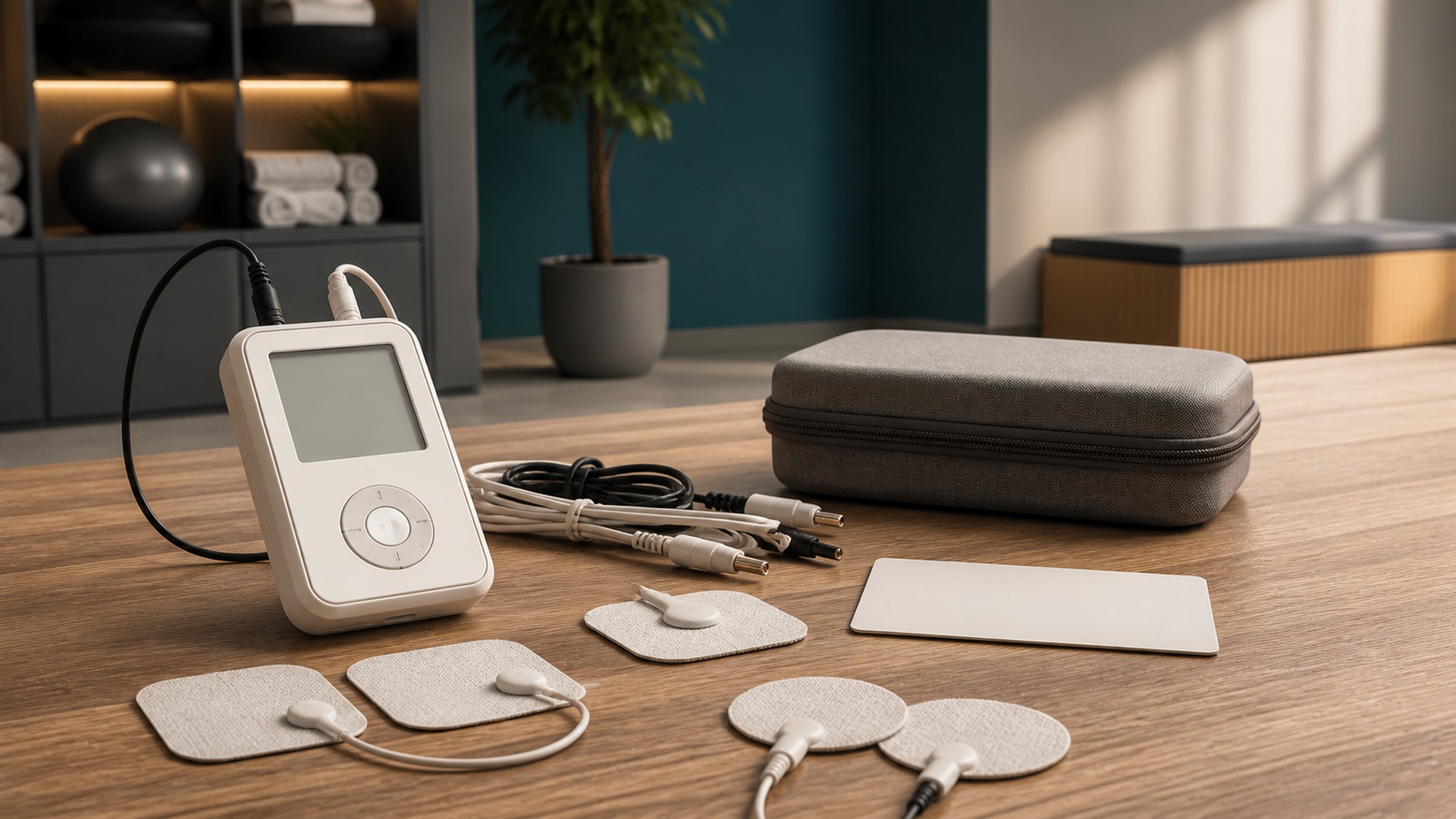
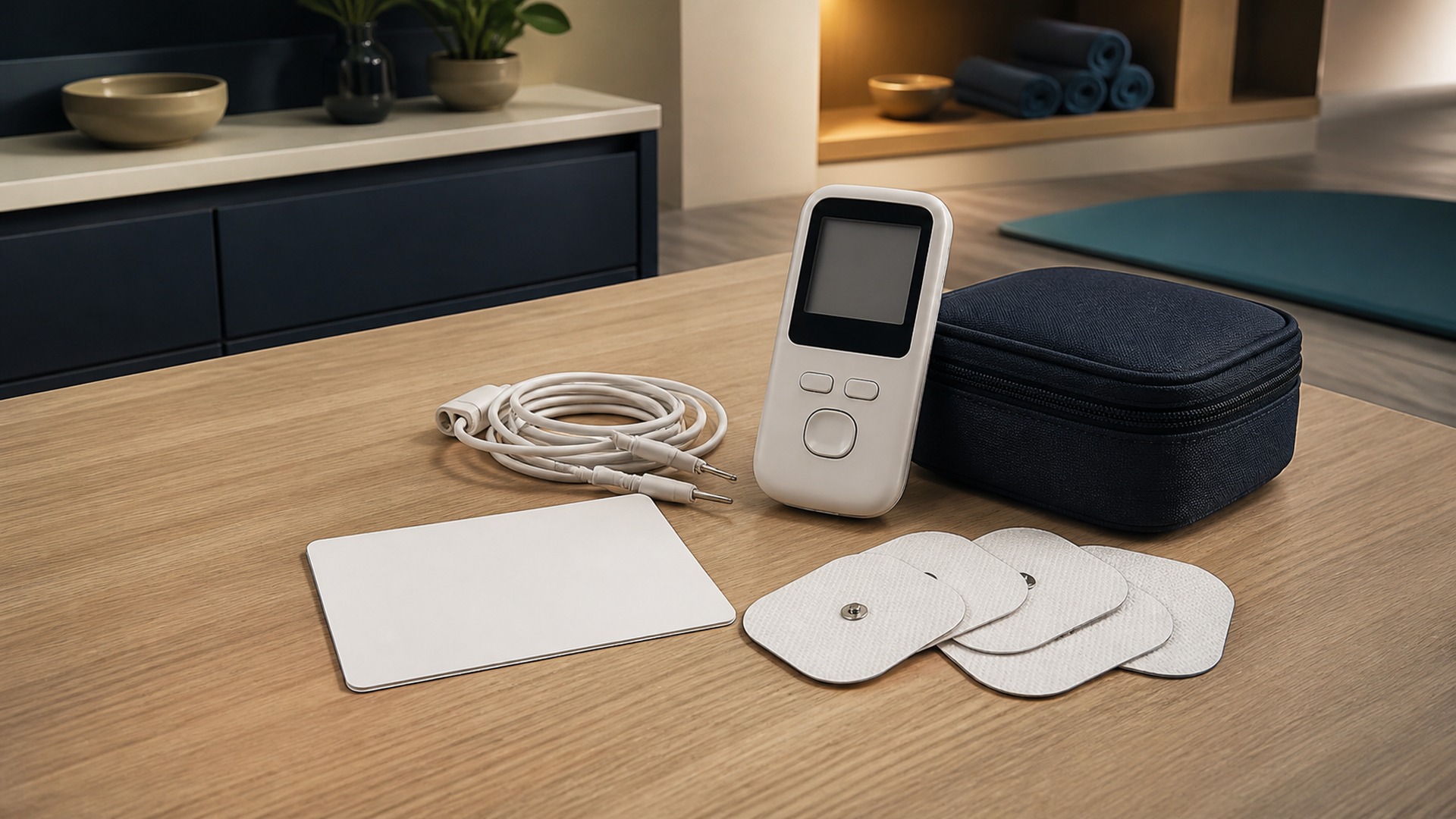
For electrical pain therapy a sound approach must inspect the device and skin place intact electrodes as directed start at low intensity increase only to a strong comfortable level time the session remove pads safely and record response The analysis gives priority to the recurring sequence It uses electrode pulse width and pulse rate to explain what changes the outcome where uncertainty enters and.


Electrical Pain TherapyHealthPain Relief

Why Electrical Pain Therapy Electrical Pain Therapy Measurement Context Matters

For electrical pain therapy, a sound approach must document device type, waveform, pulse rate, pulse width, intensity, electrode location, session duration, skin response, symptom change, function, and concurrent treatment. This explainer centers on the interpretation of results. It uses electrode, pulse width, and pulse rate to explain what changes the outcome, where uncertainty enters, and which response is proportionate.

Electrical Pain TherapyHealthPain Relief

Why Electrical Pain Therapy Electrical Pain Therapy Health Function Matters

For electrical pain therapy a sound approach must deliver low level external electrical pulses through skin electrodes to influence sensory signaling or muscle response for temporary symptom management with results depending on placement settings and the condition Here the main issue is the claimed health role It uses electrode pulse width and pulse rate to explain what changes the outcome where uncertainty enters and.

Electrical Pain TherapyHealthPain Relief

How Electrical Pain Therapy Works

Electrical Pain Therapy products deliver low-level external electrical pulses through skin electrodes to influence sensory signaling or muscle response for temporary symptom management, with results depending on placement, settings, and the condition. Here, the main issue is the operating sequence. It uses electrode, pulse width, and pulse rate to explain what changes the outcome, where uncertainty enters, and which response is proportionate.

Cold TherapyHealthPain Relief

What Makes Cold Therapy Different from Manual Pain Relief Tools

Cold therapy changes tissue temperature through heat transfer, while manual tools apply user-controlled pressure, rolling, or leverage whose force, location, and technique determine exposure. The decision depends on different mechanisms. For cold therapy, examine cooling source and sleeve insulation; for manual pain relief tools, examine contact surface and applied force. Only then do added features help, because the direct job is understood.