

HealthNatural Wellness

What Makes Herbal Supplements Different from Vitamin Supplements

Herbal supplements contain complex plant-derived constituents, while vitamin supplements provide defined essential nutrients; both vary in form, dose, evidence, quality, and interaction risk. This guide explains the working pathway, decision variables, real-world limits, common myths, and practical checks for choosing or using the approach responsibly.


HealthNatural Wellness

Why Probiotics Matter

Probiotics are live microorganisms identified by strain and dose; effects are product- and outcome-specific rather than interchangeable across every fermented food or supplement. This guide explains the working pathway, decision variables, real-world limits, common myths, and practical checks for choosing or using the approach responsibly.

HealthNatural Wellness

Why Natural Wellness Matters

Natural wellness matters as a preference and product category, but source does not establish safety or effectiveness; the specific ingredient, dose, evidence, and interaction profile do. This guide explains the working pathway, decision variables, real-world limits, common myths, and practical checks for choosing or using the approach responsibly.

HealthNatural Wellness

How Natural Wellness Products Works

Natural wellness products span nutrients, botanicals, microorganisms, topical preparations, and sensory tools whose mechanisms, doses, evidence, interactions, and quality controls differ substantially. This guide explains the working pathway, decision variables, real-world limits, common myths, and practical checks for choosing or using the approach responsibly.
HealthMobility & Support

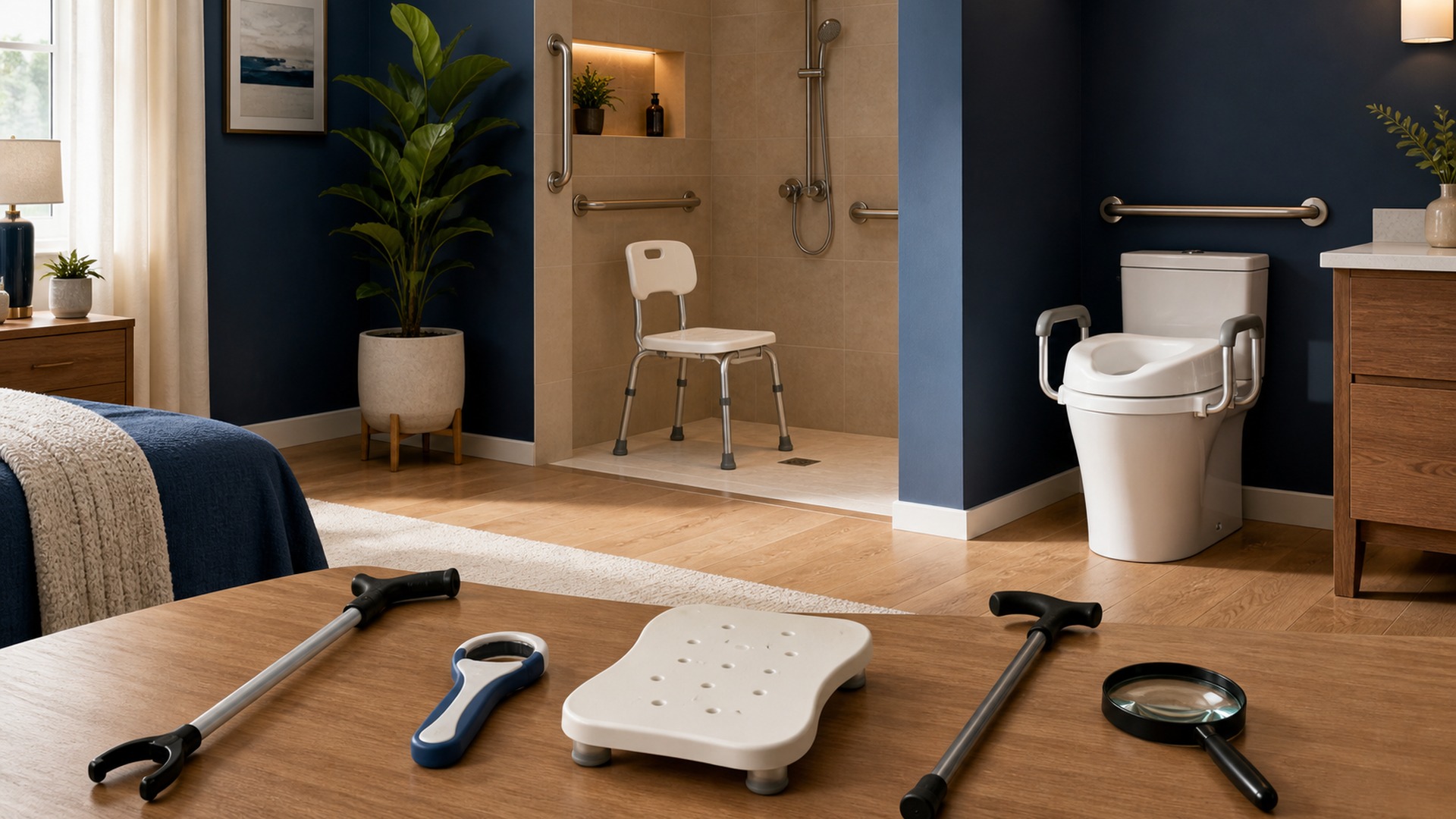
Why Assistive Devices Matter

Assistive devices change the task or environment so a person can perform an activity with greater safety, access, efficiency, comfort, or independence. This guide explains the working pathway, decision variables, real-world limits, common myths, and practical checks for choosing or using the approach responsibly.
HealthMobility & Support

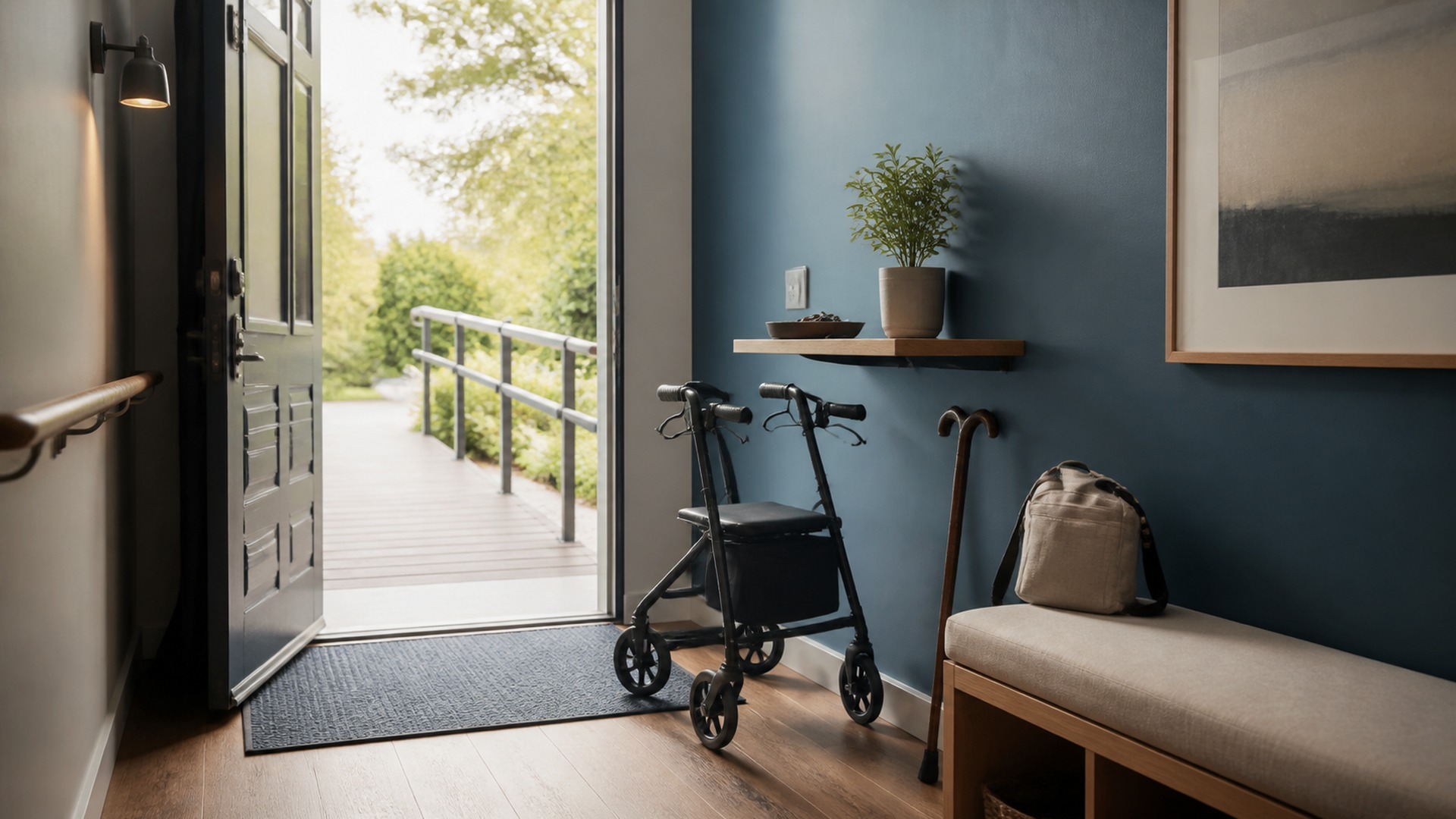
Why Mobility Independence Matters

Mobility independence means completing meaningful movement with the least necessary assistance while preserving safety, choice, dignity, access, and sustainable effort. This guide explains the working pathway, decision variables, real-world limits, common myths, and practical checks for choosing or using the approach responsibly.

HealthMobility & Support

Why Home Safety Matters

Home safety aligns lighting, flooring, stairs, bathrooms, storage, alarms, routes, and emergency access with the abilities and risks of the people using the space. This guide explains the working pathway, decision variables, real-world limits, common myths, and practical checks for choosing or using the approach responsibly.
HealthMobility & Support

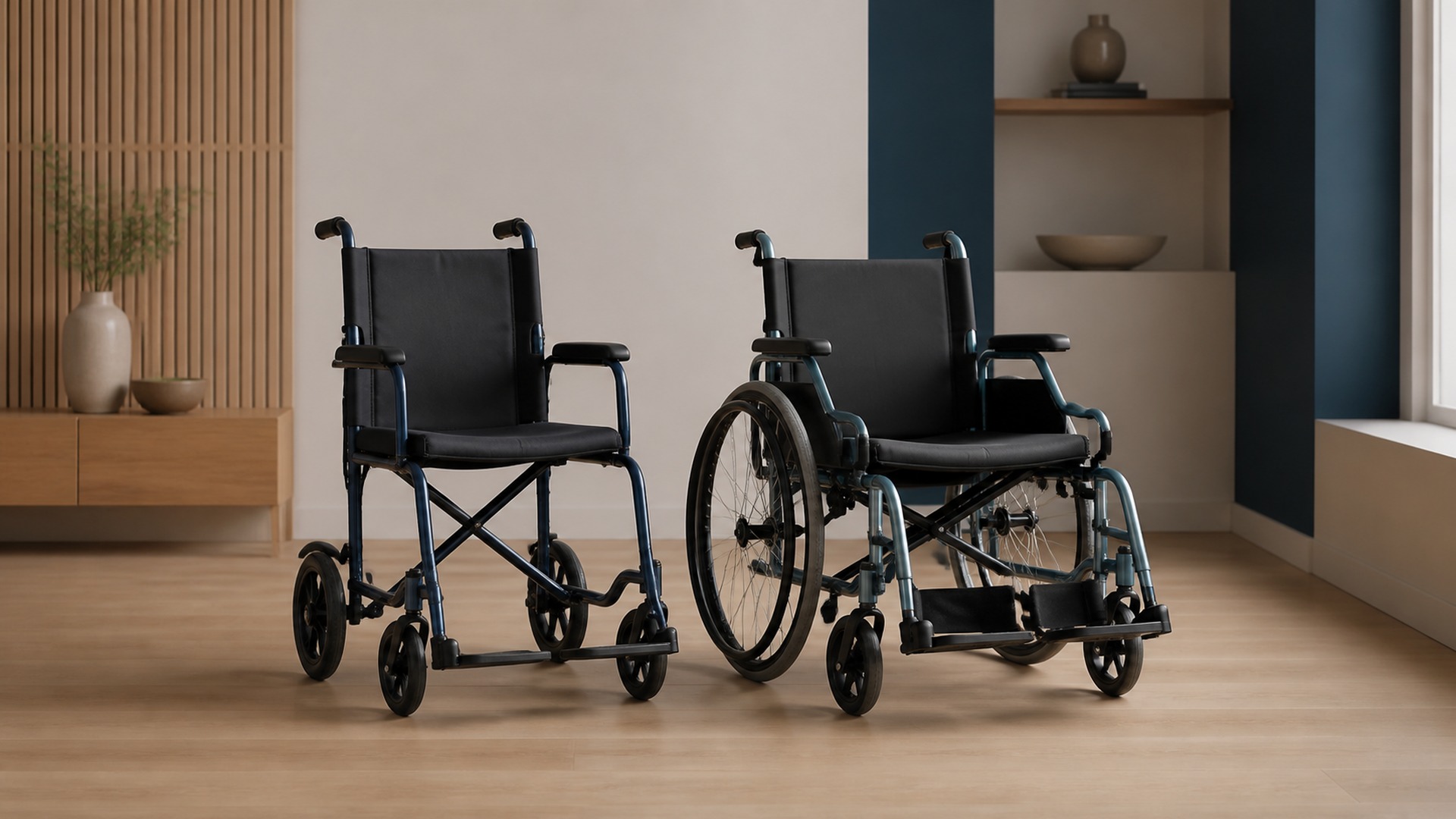
When to Use Transport Chairs Instead of Wheelchairs

Transport chairs are pushed by a caregiver for short assisted movement; wheelchairs may support independent propulsion, positioning, longer use, and more individualized configuration. This guide explains the working pathway, decision variables, real-world limits, common myths, and practical checks for choosing or using the approach responsibly.

HealthMobility & Support

What Makes Canes Different from Walkers

Canes provide one-point or multi-point unilateral support; walkers create a broader support frame and usually accept more load but require more space and coordination. This guide explains the working pathway, decision variables, real-world limits, common myths, and practical checks for choosing or using the approach responsibly.
HealthMobility & Support

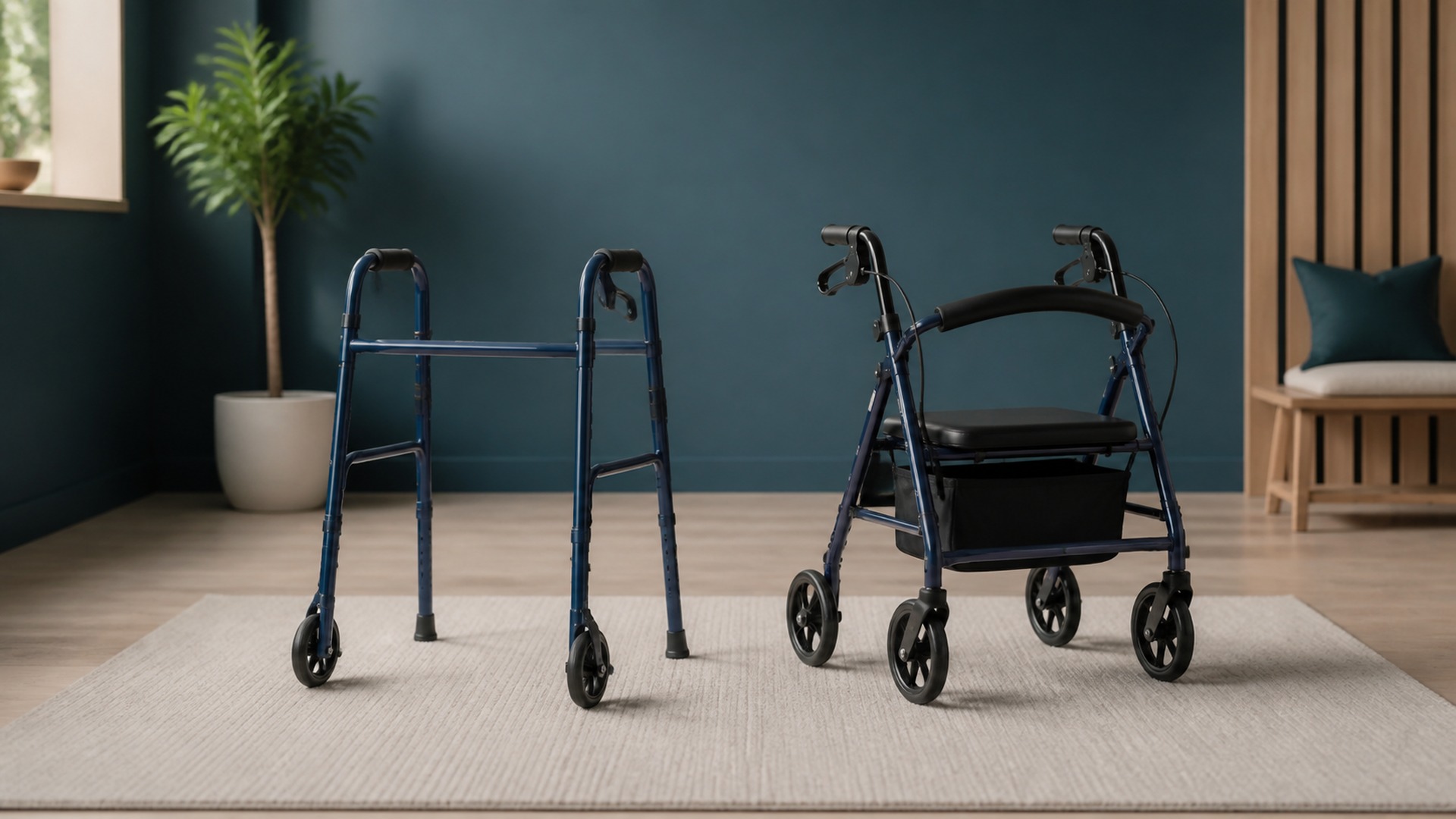
What Makes Walkers Different from Rollators

Walkers prioritize a stable frame that is lifted or slid, while rollators use wheels, brakes, and often a seat for continuous movement with different control demands. This guide explains the working pathway, decision variables, real-world limits, common myths, and practical checks for choosing or using the approach responsibly.

HealthMobility & Support

Why Fall Prevention Matters

Fall prevention combines hazard reduction, strength and balance, vision and medication review, appropriate footwear, assistive devices, and plans tailored to individual risk. This guide explains the working pathway, decision variables, real-world limits, common myths, and practical checks for choosing or using the approach responsibly.