
GPS Signal
A GPS signal helps the watch estimate outdoor position, route, distance, and pace.
- Example: recording a running route
- Check: wait for signal lock before starting
- Limit: buildings, trees, and terrain can affect accuracy
GPS sports watches work by combining satellite positioning, wrist sensors, activity profiles, onboard software, and companion apps to estimate pace, distance, route, effort, and training patterns. The watch collects signals during movement, then turns them into maps, splits, heart-rate trends, and workout summaries.
A GPS sports watch is most useful when outdoor route and pace data matter. Its value comes from repeatable tracking, sport-specific settings, battery planning, and clear review tools rather than perfect precision in every environment.
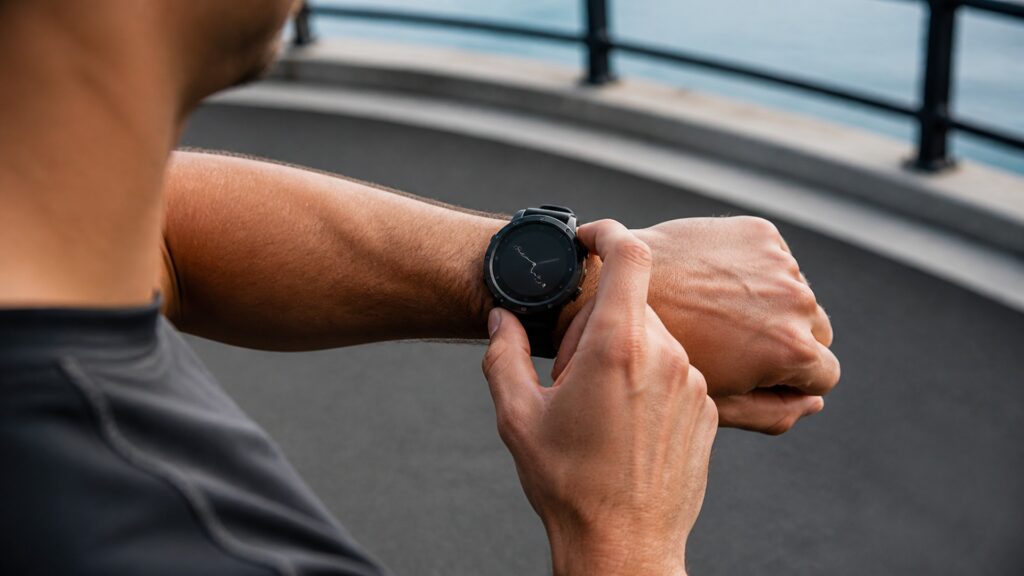
A practical explanation of satellite positioning, sensors, sport modes, battery tradeoffs, and app feedback.
Tip: Use GPS watch data as consistent sport feedback, not as perfect measurement.
These concepts clarify the practical signals readers should check before choosing equipment or planning workouts.
A GPS signal helps the watch estimate outdoor position, route, distance, and pace.
A sport mode tells the watch which activity is being tracked.
Optical heart-rate tracking estimates pulse from light changes at the wrist.
Pace estimate is the watch's calculation of speed over distance.
Battery mode controls how often the watch records signals and uses sensors.
The training app stores, summarizes, and compares workouts.
Tip: The best equipment choice is the one that matches the training job, available space, and user's current ability.
GPS sports watches use satellite positioning to estimate outdoor route, distance, and pace. Signal quality affects how cleanly the watch records the workout.
Position data is the base for many outdoor metrics.
Heart-rate sensors, motion sensors, altimeters, and other watch features help add effort and environment context. These readings are estimates, but they can support useful training review.
Sensors make route data more meaningful.
A run, bike, hike, swim, or strength profile changes what the watch records and how it summarizes the session. Choosing the right mode helps the app interpret the workout.
The mode tells the watch what problem to solve.
Longer GPS sessions require battery planning. Saver modes can extend runtime, but they may reduce sensor frequency or route detail.
Battery settings are part of data quality.
The companion app makes watch data useful by showing maps, splits, trends, training load, and history. The best watch is one whose app helps the user make decisions.
Clear review turns tracking into feedback.
GPS watches are strong outdoor training tools, but their readings still need context.
They track outdoor routes, pace, distance, and workout history.
They support sport-specific training review across repeated sessions.
Signal, terrain, buildings, fit, and battery modes can affect readings.
They should not be treated as perfect medical or lab measurements.
A GPS watch is powerful, but it still works through estimates.
Signal conditions and recording settings can affect distance and route detail.
Useful metrics are the ones tied to a decision.
Fit and motion can affect optical readings.
Longer runtime can reduce recording detail.
Tip: Treat strong claims as reasons to inspect the workout fit more closely.
Short answers for practical training and buying decisions.
They use satellite positioning and software to estimate route and distance.
Yes. Sport modes tell the watch which metrics and summaries to prioritize.
They can be very useful, but accuracy varies with signal conditions, settings, and fit.
Choose for sport modes, battery life, GPS performance, comfort, and app clarity.
Use GPS sports watches for outdoor training trends, not perfect single readings.
GPS sports watches work by turning satellite, sensor, and app data into route, pace, distance, and effort feedback.
Their best use is repeatable sport tracking with settings that match the workout.
Use these Review Streets paths to compare related categories and practical next decisions.
Review how satellite, sensor, and app data work together.
See how watch features should support training decisions.
Compare GPS watches with simpler wearable tracking.
Choose a retailer
Prices checked regularly. We may earn a commission at no cost to you.