
Training Function
Training function is the job the watch has in the user's sport routine.
- Example: pace control for running intervals
- Check: name the decision the watch should support
- Limit: features without a decision can become clutter
Training function matters for GPS sports watches because different athletes need different data from the same device. A runner may need pace, laps, intervals, and route history. A cyclist may need GPS tracks, heart-rate zones, and app syncing. A hiker may care more about battery life, route navigation, and elevation.
A GPS sports watch is most useful when its features match the training decision the user wants to make. Without that function, advanced metrics can become clutter instead of guidance.
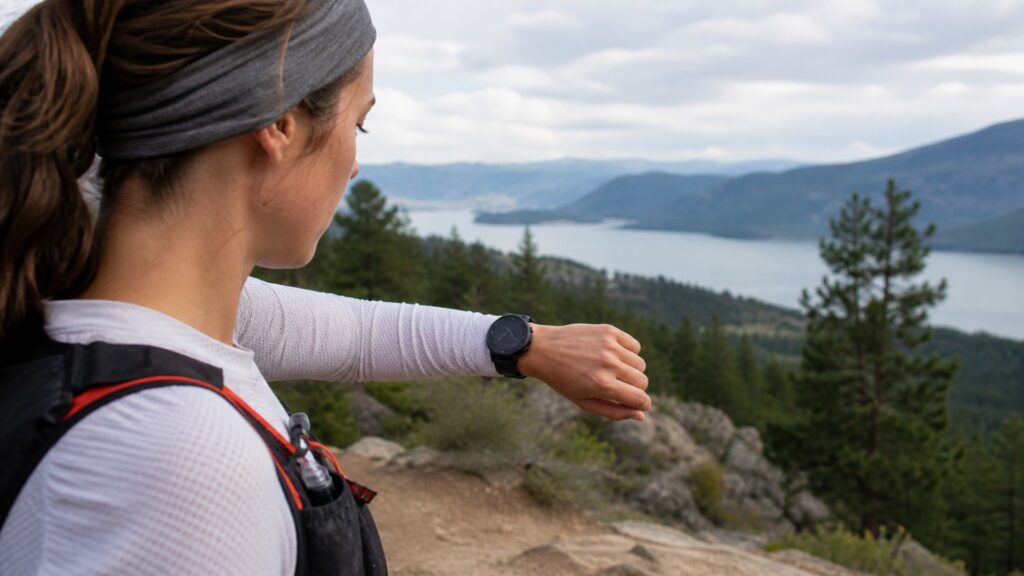
A practical guide to matching GPS watch features with the training decisions they should support.
Tip: Choose the GPS watch around the training decision it should support.
These concepts clarify the practical signals readers should check before choosing equipment or planning workouts.
Training function is the job the watch has in the user's sport routine.
Pace control uses speed or split data to guide effort.
Route tracking records where the workout happened.
A training zone groups effort by heart rate, pace, or power-style targets.
A navigation role helps the user follow, return, or review routes.
An app summary turns workouts into trends and decisions.
Tip: The best equipment choice is the one that matches the training job, available space, and user's current ability.
A GPS sports watch should help the user make a practical training decision, such as pacing, logging distance, following a route, managing intervals, or reviewing weekly load.
The function turns watch data into usable feedback.
Pace, splits, laps, and alerts can help users manage effort during steady sessions, intervals, or races. They work best when the user understands signal limits and avoids chasing every instant change.
Pace tools are strongest when they guide effort calmly.
GPS tracks, maps, elevation, and navigation tools are useful when the route matters. Trail users, cyclists, and distance athletes may value these features more than simple step tracking.
Route data matters most when the workout depends on place.
A short interval workout and a long hike do not need the same battery setup. GPS frequency, sensors, maps, music, and screen settings can change runtime.
Battery planning is part of the training function.
An advanced watch can be a poor fit if the user only needs simple tracking. A basic watch can be too limited if the user needs maps, multisport modes, or long battery life.
The right watch fits the sport decisions the user will actually make.
A clear function keeps GPS watch data tied to action.
It separates useful metrics from distracting extras.
It makes sport modes, battery, sensors, and app choices easier to judge.
It cannot make poor GPS signal or fit perfect.
It does not replace coaching, medical advice, or user judgment.
More data is useful only when it supports a clear decision.
Better depends on the function the user needs.
Some metrics do not change training decisions.
Cyclists, hikers, triathletes, and walkers may use different functions.
The workout function determines how much battery matters.
Tip: Treat strong claims as reasons to inspect the workout fit more closely.
Short answers for practical training and buying decisions.
It shows which watch data should guide the user's sport routine.
Pace, laps, intervals, route history, and heart-rate trends often matter.
Battery life, route tools, elevation, and reliable GPS can matter more.
Only if those metrics support decisions the user will actually make.
Choose a GPS sports watch by the training function it needs to serve.
Training function matters because GPS sports watches should support specific sport decisions.
The best watch is the one whose GPS, sensors, battery, modes, and app match the user's routine.
Use these Review Streets paths to compare related categories and practical next decisions.
Review how satellite, sensor, and app data work together.
See how watch features should support training decisions.
Compare GPS watches with simpler wearable tracking.
Choose a retailer
Prices checked regularly. We may earn a commission at no cost to you.