
The Metabo HPT DN18DSAL right-angle drill is designed for drilling in tight, hard-to-reach spaces where standard drills struggle. This review examines its real-world performance, build quality, and key tradeoffs, helping readers understand how it compares with competing models and whether it fits the demands of their projects.
Metabo HPT DN18DSAL Right-Angle Drill Review: Performance, Pros, and Cons
By: Review Streets Research Lab
Updated: April 13, 2026
Approx. 8–10 min read
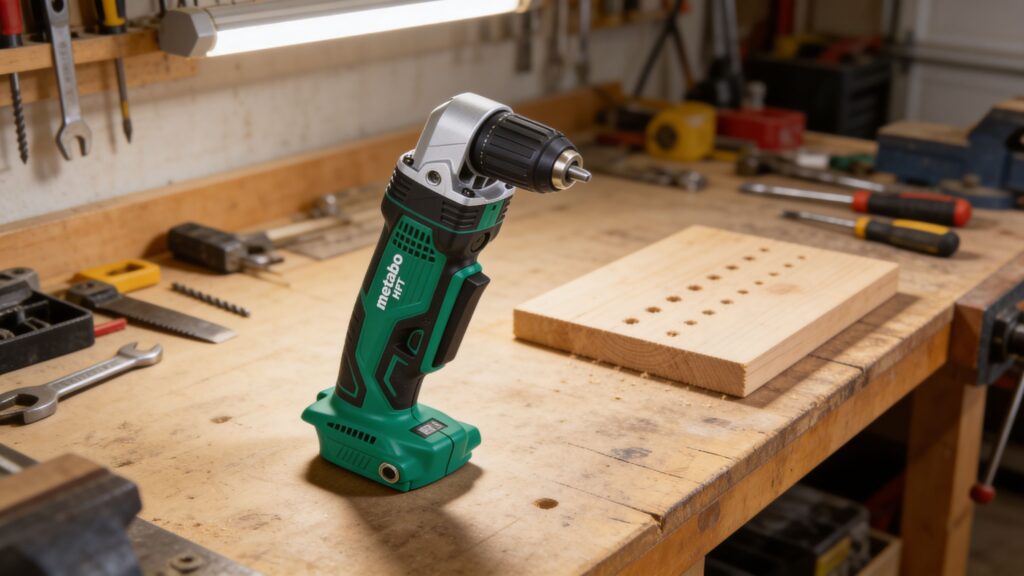
Quick Summary
The Metabo HPT DN18DSAL is a compact right-angle drill built for tight-space drilling where access and control matter as much as power. In real use it feels steady and predictable on cabinetry, framing edges, and retrofit work, with handling that supports longer sessions without feeling unwieldy. The main tradeoff is that demanding, high-load holes can take more patience than larger, higher-torque alternatives.
8.2
Score
Best for: Compact installs
Pros & Cons
Metabo HPT DN18DSAL: what we liked (and what we didn’t)
A quick look at the biggest strengths and tradeoffs based on performance, handling, and everyday usability.
Pros
- Tight-Space Access: Right-angle layout makes it easier to drill where standard drills can’t fit without awkward workarounds.
- Controlled Starts: Predictable trigger response helps place holes cleanly, especially in finish work and edge drilling.
- Comfortable Handling: Balanced feel supports longer sessions with less wrist strain than improvised angle adapters.
- Reliable Workflow: Consistent performance in common materials builds confidence for cabinetry, framing edges, and retrofit installs.
- Practical Versatility: Works well across pilot holes, hardware installs, and light fastening where access is the main challenge.
Cons
- Slower Under Load: Dense materials and larger holes can take more patience than higher-torque, full-size alternatives.
- Learning Curve: The angle format changes leverage and bit alignment, which can feel unfamiliar for first-time users.
- Awkward With Accessories: Some bits and attachments add bulk, reducing the advantage in the tightest corners.
- Value Depends: If you rarely drill in confined spaces, a standard drill can cover most tasks for less cost.
Specs
Metabo HPT DN18DSAL key specifications
These are the core specs and practical details most buyers compare across right-angle cordless drills.
| Spec | Metabo HPT DN18DSAL |
|---|---|
| Type | Cordless right-angle drill |
| Platform | Metabo HPT MultiVolt / 18V platform |
| Voltage | 18V (compatible with 18V battery system) |
| Speed | Variable speed trigger; approx. 0–1,800 RPM |
| Chuck | 3/8" keyless chuck |
| Torque | Manufacturer-rated torque suitable for light to medium drilling tasks |
| Length | Compact right-angle head designed for tight access |
| Weight | Approx. 3–4 lbs depending on battery pack |
| Clutch settings | Multiple clutch positions plus drill mode |
| LED light | Yes (integrated work light near trigger) |
| Included | Tool only; battery and charger typically sold separately |
| Best use | Tight-space drilling in cabinetry, framing edges, and retrofit installations |
| Warranty | Metabo HPT limited warranty (varies by region/product) |
Performance
How the Metabo HPT DN18DSAL performs
We evaluated access in tight spaces, drilling and fastening behavior, start/stop control, comfort in awkward positions, and overall usability across common homeowner, install, and remodel scenarios to understand how this right-angle drill performs in everyday work.
Drilling Speed
Quick and consistent on pilot holes and typical wood drilling, with pace that stays steady when the bit is sharp and the hole size is reasonable.
Torque & Power
Strong enough for most tight-space drilling and light driving, but heavier, high-load holes can feel slower than full-size drill/driver options.
Control & Handling
Easy to place and start holes cleanly, with predictable response that helps avoid wandering when working close to edges or hardware.
Balance & Comfort
Comfortable in cabinets, between studs, and overhead, with a grip and stance that reduce wrist strain compared to improvised angle solutions.
Noise & Vibration
Typical right-angle drill noise with generally controlled vibration, though it can feel busier when pushed hard in dense material.
Overall Performance
A dependable, tight-space specialist that prioritizes access and control, delivering confident results for installs and remodel work with a few limits under heavy load.
Testing note: Performance observations are based on practical drilling, driving, and handling scenarios in common materials where right-angle access and control are frequent real-world constraints.
Build Quality
Build quality & durability
The Metabo HPT DN18DSAL feels like a practical, work-oriented right-angle drill built for tight-space tasks that happen every day in installs and remodels. The housing feels rigid in hand, the grip provides secure traction, and the overall layout favors control in awkward positions over a “featherweight” feel.
Key contact points—chuck, angle head, and battery interface—come across as secure with minimal flex during normal drilling pressure. The chuck holds bits confidently, and the tool doesn’t feel loose or prone to wandering once you set your angle. That steadiness helps reduce re-seats and keeps hole placement more predictable in cabinets and between obstructions.
In everyday handling, it gives the impression of a tool you can transport, set down, and use repeatedly without needing to baby it. The surfaces and seams feel tidy, and the drill maintains a composed feel during longer bursts, without seeming overly sensitive to heat or constant repositioning as you move from one tight spot to the next.
As with many right-angle drills, the design trades some all-purpose rugged heft for portability and access. It feels durable enough for regular jobsite-style use, but the lighter, more compact build is best suited to consistent install and retrofit work rather than treating it like a full-size, high-abuse drilling workhorse.
Setup & Maintenance
Setup, daily use, and upkeep
The Metabo HPT DN18DSAL is straightforward to get dialed in—most of the “setup” is about choosing the right bit, setting your approach angle, and using controlled pressure so the right-angle head stays planted. When the tool is matched to the material, you’ll get cleaner starts, fewer stalls, and more predictable results in tight spaces.
Best setup for common tasks
- Cabinet Installs: Use a short bit or driver to keep the head compact, and brace the tool against a surface so the angle stays steady.
- Pilot Holes: Start with a smaller pilot bit to reduce grabbing, then step up if you need a cleaner, more accurate final hole.
- Hardware Mounting: Use controlled speed and light pressure so the bit doesn’t walk, especially near edges or on laminated surfaces.
- Light Fastening: Drive with steady, moderate pressure and back off as the screw seats to avoid cam-out and surface damage.
What to do for smoother starts
- Lead With The Tip: Set the bit straight, then bring the drill up to speed gradually so the head doesn’t twist off-line.
- Use A Pilot: A small starter hole reduces wandering and makes the tool feel more controlled in awkward positions.
- Stabilize Your Elbow: Anchor your forearm against your body or a nearby surface to steady the angle during the first second of rotation.
Maintenance (simple but important)
- Chuck Cleanliness: Clear dust and debris so bits seat fully and clamp consistently, especially after woodworking or drywall work.
- Vent Care: Keep intake areas free of buildup so airflow stays open during repeated drilling in confined areas.
- Battery Contact Check: Wipe contacts and rails with a dry cloth if you notice grime; avoid oils or sprays that attract dust.
- Bit Condition: Replace worn bits early—dull cutting edges increase binding, heat, and battery drain in tight-space drilling.
Tip: In tight or overhead work, use two hands when possible, brace the head against a stable surface, and start at a controlled speed. This improves hole placement, reduces wrist twist from the right-angle leverage, and helps prevent sudden bind-ups that can jerk the tool off-line.
Real-World Use
Where the Metabo HPT DN18DSAL fits best
On paper, the Metabo HPT DN18DSAL is a cordless right-angle drill designed for tight access. In real projects, its value shows up when standard drills can’t reach the spot you need—making controlled drilling and fastening possible in cabinets, framing corners, and crowded work areas.
Cabinet and installation work
This drill is particularly useful when installing cabinetry, hardware, or built-ins where clearance is limited. The angled head helps reach screws and pilot holes inside tight enclosures, allowing cleaner placement without awkward body positioning or extension attachments.
Stud bays and framing edges
When drilling between studs or close to structural members, the right-angle design makes it easier to keep the bit aligned. It allows more confident drilling in cramped framing spaces where a full-size drill would require repositioning or partial disassembly.
Retrofit and repair projects
For retrofits—such as adding wiring routes, installing brackets, or repairing hardware in existing structures—the compact angle head reduces the need to remove surrounding components. The tool’s controlled starts help place holes accurately even when working around obstacles.
Where it’s less ideal
If most drilling happens in open spaces or involves large holes and heavy-duty fasteners, a standard drill/driver may complete the work faster. The DN18DSAL prioritizes access and control in confined areas rather than maximum torque for demanding drilling tasks.
Value
Is the Metabo HPT DN18DSAL worth it?
The Metabo HPT DN18DSAL makes the most sense when tight access is a regular problem you need to solve—cabinet installs, retrofit work, and crowded framing spaces where a standard drill simply can’t reach cleanly. If most of your drilling happens in open areas, a conventional drill/driver will usually deliver more all-around capability for the money.
Price-to-performance takeaway
You’re paying for specialized access, better control in awkward positions, and a workflow upgrade that reduces workarounds. Value improves if you already own compatible batteries and chargers, and it’s typically strongest when purchased as part of a platform you plan to keep using rather than as a one-off tool for a single project.
Tip: Before buying, decide whether you need a dedicated right-angle drill or just occasional tight-space help. If you already own Metabo HPT batteries, tool-only can be the smart route; if not, compare kit vs. tool-only so the battery and charger cost doesn’t surprise you.
FAQ
Metabo HPT DN18DSAL FAQ
Quick answers to the most common questions about the Metabo HPT DN18DSAL—compatibility, use cases, and what to expect in real-world work.
Is the Metabo HPT DN18DSAL a right-angle drill?
Yes. The DN18DSAL is designed with a right-angle head that allows drilling and fastening in tight spaces where a standard straight drill body would not fit easily.
Does the DN18DSAL work with Metabo HPT batteries?
Yes. It runs on Metabo HPT’s 18V battery platform. If you already own compatible batteries and a charger from other tools in the lineup, the tool-only version integrates easily into that system.
Can this drill handle heavy-duty drilling?
It’s capable for typical wood drilling, pilot holes, and light fastening, especially in tight areas. For large hole saws or frequent heavy drilling, a full-size drill or hammer drill is usually the more efficient choice.
Who is this drill best suited for?
It’s most useful for installers, remodelers, and DIYers who often work in cabinets, stud bays, or confined areas where a traditional drill is difficult to position.
Is a right-angle drill necessary for most projects?
Not always. Many projects can be completed with a standard drill/driver. A right-angle drill becomes valuable when access is restricted and you need a cleaner, more controlled approach in tight spaces.
Should I buy this as a kit or tool-only?
Tool-only is usually the better value if you already own compatible batteries. If you’re starting from scratch, comparing kit bundles can make more sense because they include a battery and charger needed to run the tool.
What are the main downsides of this drill?
The main tradeoff is specialization. It’s excellent for tight access but doesn’t match the raw drilling speed or torque of larger drill/driver models when working in open spaces.
Alternatives
Best alternatives to the Metabo HPT DN18DSAL
If the Metabo HPT DN18DSAL’s tight-access design appeals to you but you’re considering a different tradeoff—lower cost, a different battery platform, or a more compact install-focused tool—these alternatives represent the most relevant directions to compare.
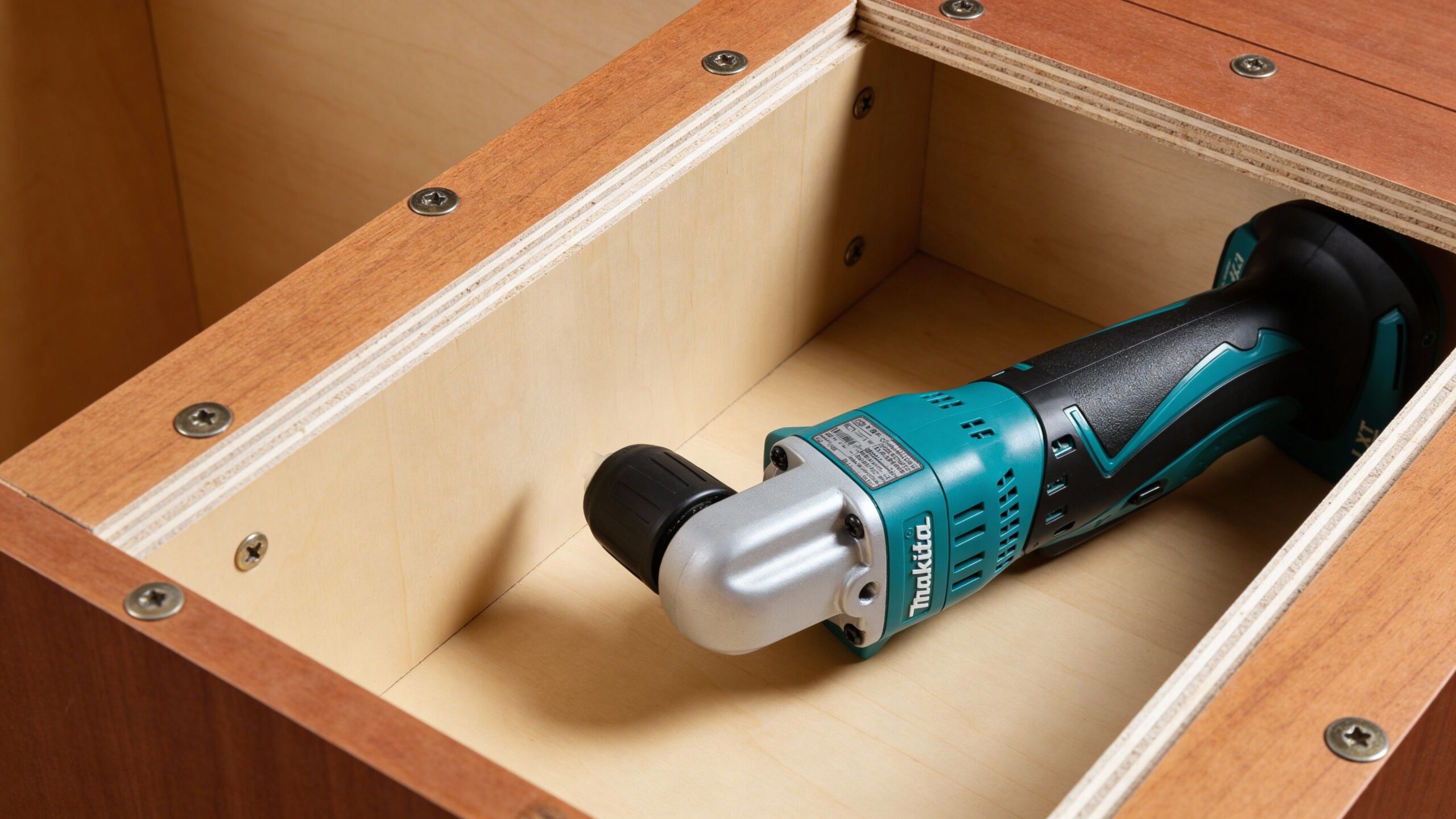
Makita XAD03Z Right-Angle Drill
Best value
A budget-friendly right-angle drill that handles light install and DIY tasks well. It’s often easier to justify for occasional tight-space work, especially if you already use Ryobi’s ONE+ battery platform.
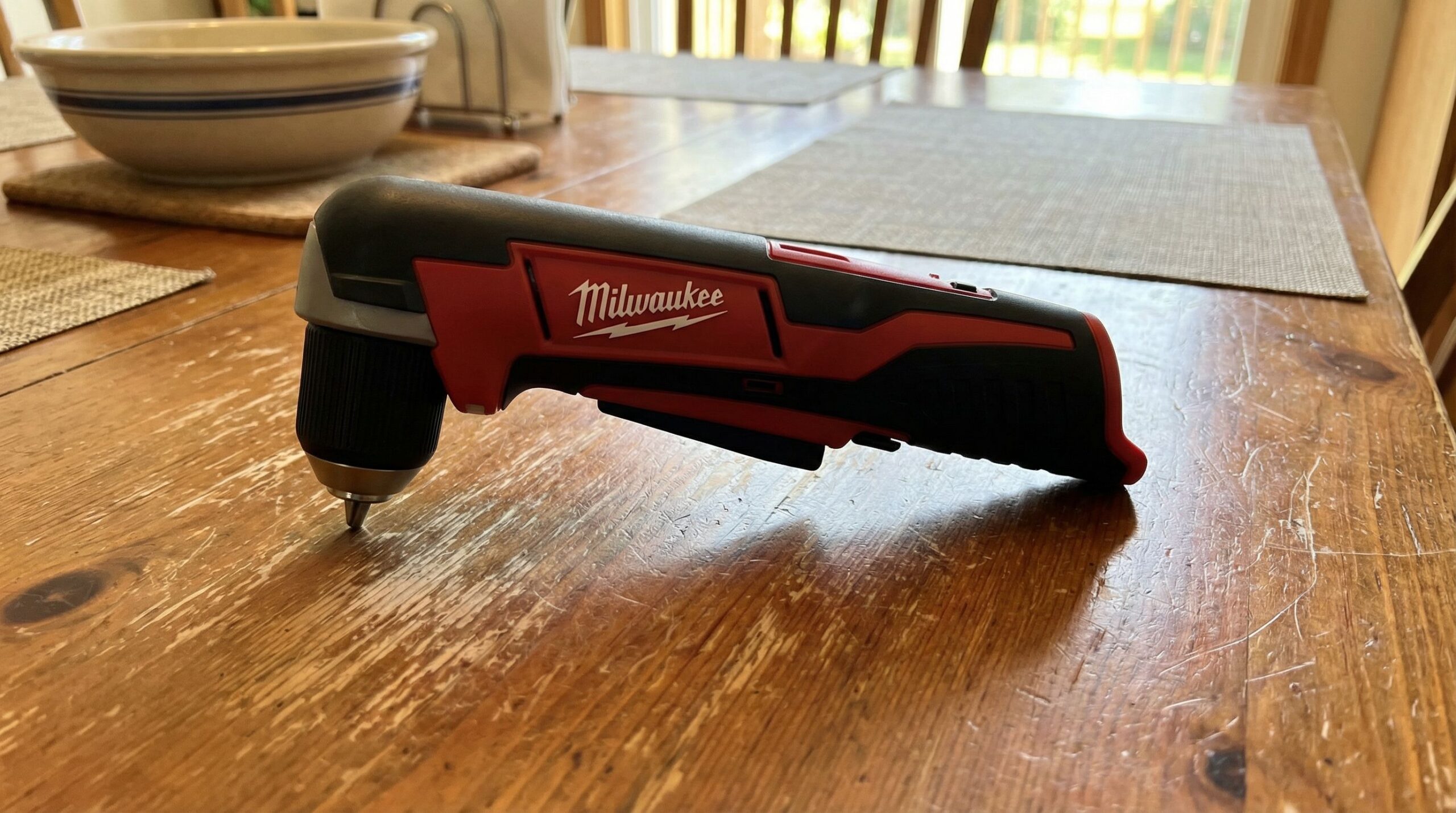
Milwaukee 2807-20 (M12)
Platform match
A common choice for users already invested in the M18 ecosystem. It offers a similar right-angle format with dependable jobsite durability, making it a logical alternative if battery platform continuity is the priority.
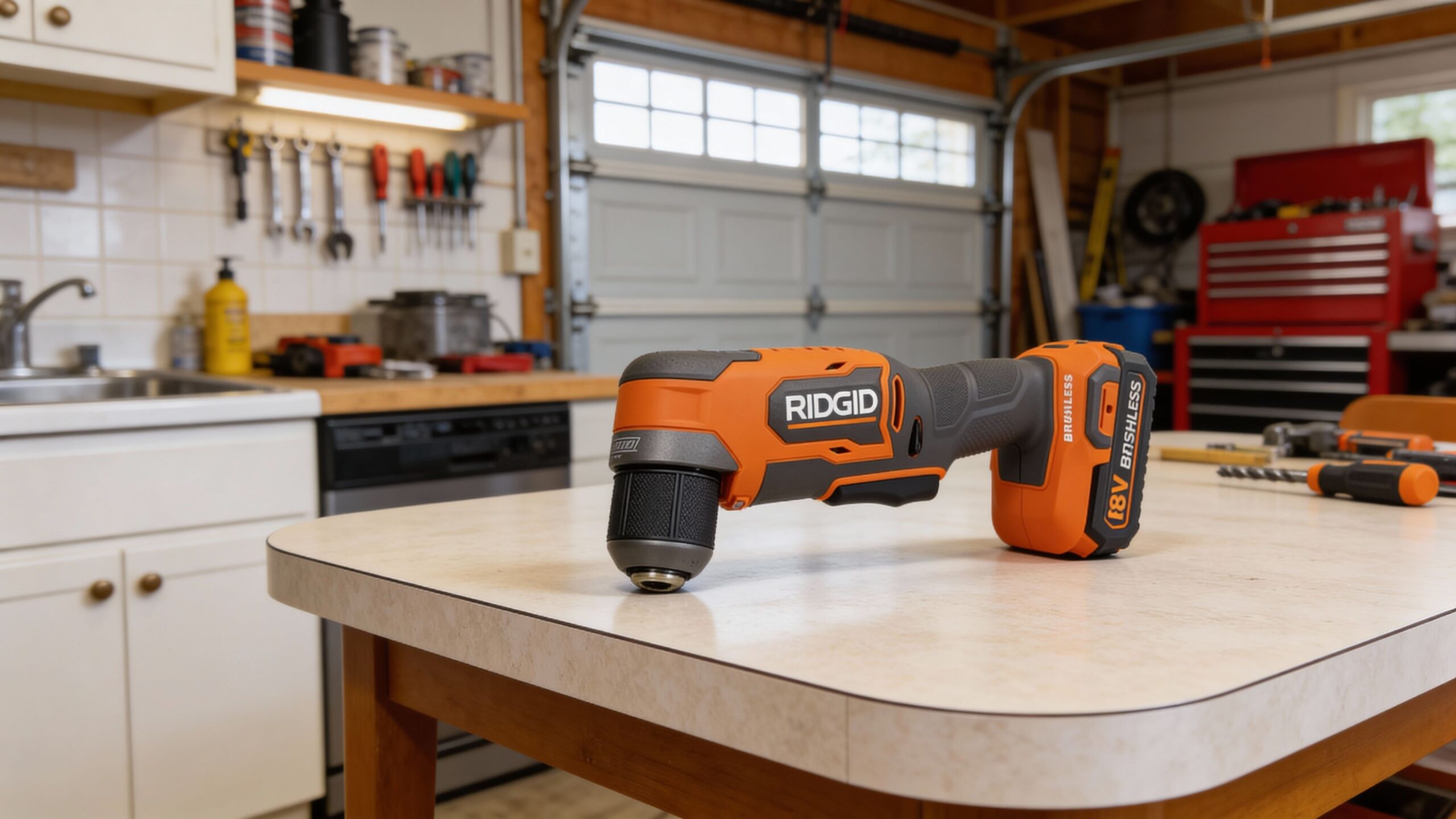
Ridgid R8711
Higher torque
A heavier-duty right-angle drill designed for tougher drilling tasks and larger bits. It’s the better option when power and durability matter more than compact handling in extremely tight areas.
Sources
Sources & reference notes
Specifications and platform details referenced in this review were verified using publicly available manufacturer information and current product listings. Where configurations vary by kit, we note differences directly in the article.
- Metabo HPT — product documentation and published specifications for the Metabo HPT DN18DSAL right-angle drill.
- Metabo HPT 18V platform and battery compatibility information for tool-only and kit configurations.
- Retail product listings used to confirm current naming, SKU variations, and bundled accessories.
Where to Buy
Ridgid R8711
18V Right-Angle Drill
Typical price range: $79–$169
Pricing varies by retailer and whether the listing is tool-only or bundled with a battery and charger.
Check Current PriceReview Snapshot
Metabo HPT DN18DSAL
8.2
Tight-space control specialist
Best for installs and retrofits where access matters most; slower than full-size drills when the work gets heavy.
- Performance: Steady results on common drilling tasks in confined spaces
- Handling: Easier alignment and less wrist strain, with some leverage learning curve
- Value: Best if tight-access work is frequent and you already own compatible batteries
Top 10 List
See the best right-angle drills now
Want the full picture? Our Top 10 breaks down the best right-angle drills by access, control, value, and everyday usability.
View the Top 10Compare Models
Compare this drill head-to-head
See how the Metabo HPT DN18DSAL stacks up against other right-angle drills across access, control, and everyday usability.
View ComparisonsAccessories You’ll Want
- Quality drill/driver bit set (durable tips reduce cam-out and stripped heads when driving in awkward positions)
- Bradboint and twist drill bit assortment (sharper bits start cleaner and cut with less wandering in tight access work)
- Extra battery pack (a compact pack for balance plus a higher-capacity option for fewer mid-task swaps)
- Stubby bit set (shorter bits keep the overall reach compact for cabinets, stud bays, and tight corners)
- Magnetic bit holder (faster bit changes and fewer drops when working overhead or inside enclosures)
Tip: Right-angle drills are often bought for one tight job, but they pay off over time when your batteries, charger, and go-to bits all fit the same platform and don’t add unnecessary bulk at the head.