
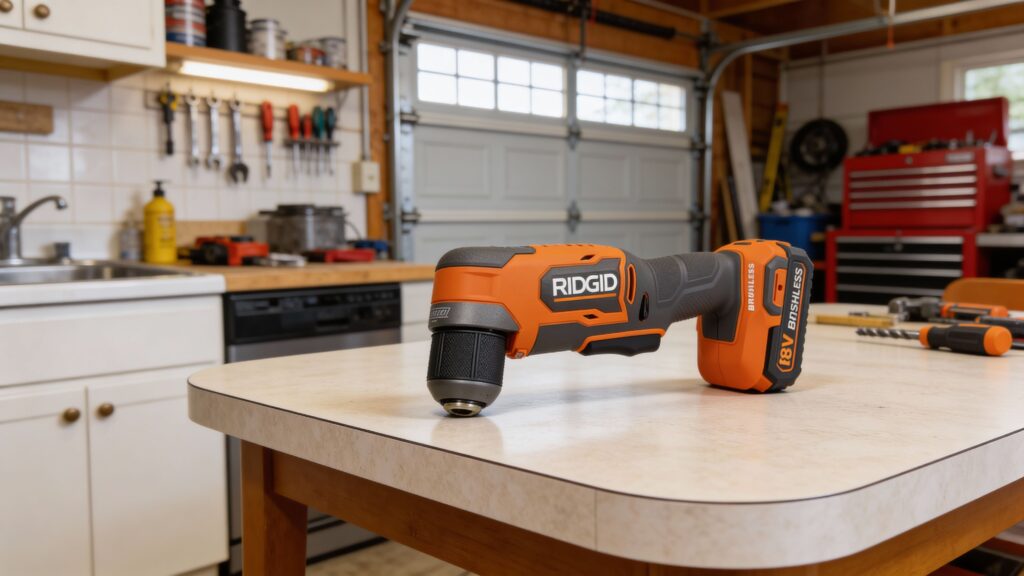
The Ridgid R8711 right-angle drill is designed for drilling and fastening in tight, hard-to-reach spaces where standard drills struggle. This review examines its power, ergonomics, durability, and real-world performance, highlighting practical strengths, limitations, and key tradeoffs to help readers determine where it fits among comparable right-angle drill options.
Ridgid R8711 Right-Angle Drill Review: Performance, Pros, and Cons
By: Review Streets Research Lab
Updated: April 2, 2026
Approx. 8–10 min read
Quick Summary
The Ridgid R8711 is a compact right-angle drill built for drilling and fastening where a standard drill can’t reach. In real-world use, it prioritizes access, steady control, and manageable fatigue during overhead or cabinet work, making it a practical choice for installs, repairs, and light remodeling. The main tradeoff is that it’s not the fastest option for heavy, repetitive drilling compared with larger right-angle or full-size drill setups.
8.1
Score
Best for: Compact installs
Pros & Cons
Ridgid R8711: what we liked (and what we didn’t)
A quick look at the biggest strengths and tradeoffs based on performance, handling, and everyday usability.
Pros
- Tight-Space Reach: Fits where standard drills can’t, helping you finish cabinet, stud-bay, and corner work without awkward workarounds.
- Controlled Start: Predictable trigger response makes it easier to begin holes cleanly and drive fasteners without sudden jumpiness.
- Steady Handling: Comfortable balance for overhead and one-handed positioning, reducing fatigue during install-heavy tasks.
- Reliable Bite: Maintains consistent progress on common drilling and fastening jobs without feeling fragile or finicky.
- Jobsite Practicality: Built for everyday fixes and light remodeling, with a straightforward design that’s easy to grab and use.
Cons
- Not A Speedster: Drilling can feel slower on repetitive hole work, so larger drills may finish high-volume tasks faster.
- Awkward On Open Work: In wide-open drilling, a standard drill often feels more natural and efficient to control.
- Battery Bulk: Bigger packs improve runtime but can make the tool feel heavier and less nimble in tight quarters.
- Limited Versatility: Best as a specialty solution, not a do-everything drill for heavy framing or frequent large-hole drilling.
Specs
Ridgid R8711 key specifications
These are the core specs and practical details most buyers compare across right-angle drills.
| Spec | Ridgid R8711 |
|---|---|
| Type | Cordless right-angle drill |
| Platform | RIDGID 18V battery system |
| Voltage | 18V (RIDGID platform) |
| Speed | Single-speed operation (manufacturer-rated RPM) |
| Chuck | 3/8" keyed chuck |
| Torque | Manufacturer-rated for compact drilling and fastening |
| Length | Compact right-angle head for tight-clearance access |
| Weight | Varies by battery; heavier with larger capacity packs |
| Clutch settings | No clutch; dedicated drill operation |
| LED light | Yes (integrated work light) |
| Included | Tool only (battery and charger sold separately) |
| Best use | Drilling and fastening in tight spaces, cabinet installs, stud bays |
| Warranty | RIDGID limited warranty and service agreement (varies by registration) |
Performance
How the Ridgid R8711 performs
We evaluated drilling feel, power delivery, control, and handling in tight-clearance tasks—like cabinet installs, stud-bay drilling, and hardware work—to show how this right-angle drill behaves in everyday remodel and repair scenarios.
Drilling Speed
Steady for typical holes in wood and light materials, but it’s not built for fast, high-volume drilling.
Torque & Power
Good bite for practical drilling and fastening in cramped areas, with some slowdown when the work gets dense.
Control & Handling
Easy to start holes cleanly and keep the bit tracking straight, especially when space forces awkward angles.
Balance & Comfort
Comfortable for overhead and inside-cabinet work, though larger batteries can make it feel less nimble.
Noise & Vibration
Typical right-angle drill noise with manageable vibration; most noticeable when pushing through tougher spots.
Overall Performance
A dependable tight-space specialist with strong control and practical power, trading speed and versatility for access.
Testing note: Performance observations are based on real-world drilling, driving, and handling scenarios using common construction materials and fasteners.
Build Quality
Build quality & durability
The Ridgid R8711 feels like a practical, work-ready specialty tool. The housing comes across as rigid, the grip is secure enough for awkward positions, and the overall feel leans more toward steady control than ultra-light minimalism.
Key contact points—chuck, head housing, and battery interface—feel dependable with little obvious flex. The chuck engagement feels consistent, and the tool tracks cleanly when you’re drilling from less-than-ideal angles, which helps reduce re-seats and keeps holes more predictable.
In everyday handling, it comes across as the kind of tool you can toss in a bag, set down between tasks, and move around a job without feeling like it needs special treatment. Heat and strain feel manageable for typical install and repair pacing, with the right-angle form factor encouraging controlled, stop-and-go workflow.
The tradeoff is that right-angle packaging can feel bulkier in the hand than a standard drill, especially with larger batteries. You gain access and stability in tight spots, but you give up some portability and versatility compared with a compact drill/driver.
Setup & Maintenance
Setup, daily use, and upkeep
The Ridgid R8711 is straightforward to set up—most adjustments come down to choosing the right bit and positioning the head correctly in tight spaces. Because right-angle drills are often used where clearance is limited, careful alignment and steady pressure help produce cleaner holes, smoother fastener driving, and more consistent results.
Best setup for common tasks
- Cabinet Installs: Use compact bits and keep the head square to the surface so holes start cleanly without scraping nearby panels.
- Stud Bay Drilling: Position the drill head flat against the work area and apply steady forward pressure to keep the bit tracking straight.
- Hardware Mounting: Start slowly with short driver bits to maintain control in confined spaces.
- Repair Work: Use lighter pressure and shorter bursts so the bit clears chips and avoids binding in tight corners.
What to do for smoother starts
- Square The Head: Align the right-angle head carefully before pulling the trigger to prevent wandering in tight spaces.
- Feather The Trigger: Ease into rotation so the bit settles into the material instead of skipping across the surface.
- Use Pilot Holes: For harder materials or longer fasteners, start with a small pilot to keep the bit centered.
Maintenance (simple but important)
- Chuck Cleaning: Remove dust and debris so bits seat fully and stay secure during angled drilling.
- Vent Clearing: Brush away buildup near cooling openings to maintain airflow during longer tasks.
- Battery Contacts: Keep contacts free of dust so the tool maintains consistent power delivery.
- Bit Condition: Replace worn bits promptly to reduce binding and keep holes clean.
Tip: When working in tight areas, brace the drill head firmly and control the trigger gradually. Keeping the tool square and steady reduces bit wandering and helps prevent sudden bind-ups.
Real-World Use
Where the Ridgid R8711 fits best
On paper, the Ridgid R8711 is built for access. In real projects, it matters most when a standard drill can’t physically fit—turning tight-clearance drilling and fastening into a controlled, repeatable process instead of a workaround-heavy struggle.
Cabinet installs and interior hardware
When you’re working inside cabinets, under sinks, or near finished surfaces, the right-angle format helps you keep the bit aligned without scraping surrounding panels. The result is steadier starts and fewer awkward repositioning steps that slow down install work.
Stud bays and tight framing access
For drilling in confined framing areas—between studs, near joists, or around obstructions—the R8711 provides a more workable approach than forcing a full-size drill into the space. It supports a slower, more controlled workflow that improves accuracy when angles are limited.
Quick repairs and punch-list work
In everyday fix-it tasks, it’s a convenient specialty tool that reduces time spent disassembling or removing nearby parts just to create clearance. It’s most helpful when access is the bottleneck and you want a simple, reliable tool that keeps the job moving.
Where it’s less ideal
For open-area drilling, high-volume hole work, or frequent long-fastener driving, a standard drill/driver typically feels faster and more natural to handle. The R8711 is best treated as a tight-space solution rather than a primary, do-everything drill.
Value
Is the Ridgid R8711 worth it?
The Ridgid R8711 makes the most sense when you regularly encounter tight spaces where a standard drill simply won’t fit. For cabinet work, stud-bay drilling, and repair tasks that demand access more than raw speed, it can save time and frustration. If your projects mostly involve open-area drilling or general DIY work, a conventional drill may deliver better overall value.
Price-to-performance takeaway
What you’re paying for here is specialized access and dependable control in confined areas. The value shows up when the tool prevents awkward workarounds or repeated repositioning. It becomes especially practical for those already using Ridgid’s 18V platform, where battery compatibility makes it an easy addition to an existing tool lineup.
Tip: If you already own Ridgid 18V batteries, tool-only purchases often deliver the best value. If you’re new to the platform, compare kit options that include a battery and charger before deciding.
FAQ
Ridgid R8711 FAQ
Quick answers to the most common questions about the Ridgid R8711—compatibility, use cases, and what to expect in real-world work.
Is the Ridgid R8711 a cordless right-angle drill?
Yes. It’s a cordless right-angle drill designed for drilling and fastening in areas where a standard drill can’t fit, such as cabinets, stud bays, and tight corners.
Does the R8711 work with Ridgid 18V batteries?
It’s intended for the Ridgid 18V platform. If you already own Ridgid 18V batteries and a charger, tool-only purchases are typically the easiest way to add it to your setup.
Can it replace a standard drill/driver?
Not usually. A right-angle drill is best treated as a specialty tool for access and control in tight spaces. For general drilling, driving, and high-volume work, a standard drill/driver is typically faster and more versatile.
What types of projects suit it best?
It’s most useful for cabinet and interior installs, drilling between studs or joists, hardware mounting, and repair work where clearance is the main obstacle and controlled starts matter.
Is it overkill for basic DIY?
If you rarely work in tight spaces, it can be more specialty than you need. The value improves when your projects frequently involve cramped access where a standard drill becomes awkward or unusable.
What should I consider when buying tool-only vs a kit?
Tool-only makes sense if you already have Ridgid 18V batteries and a charger. If you’re new to the platform, compare kit options so you’re not paying a premium later for a battery and charger separately.
What are the most common tradeoffs?
The biggest tradeoffs are slower pace on repetitive drilling, less comfort for open-area work compared with a standard drill, and added bulk when using larger batteries—balanced by much better access in tight spaces.
Alternatives
Best alternatives to the Ridgid R8711
If the Ridgid R8711’s tight-space capability appeals to you but you want a different tradeoff—lower cost, lighter handling, or a different battery platform—these alternatives offer meaningful variations worth considering.
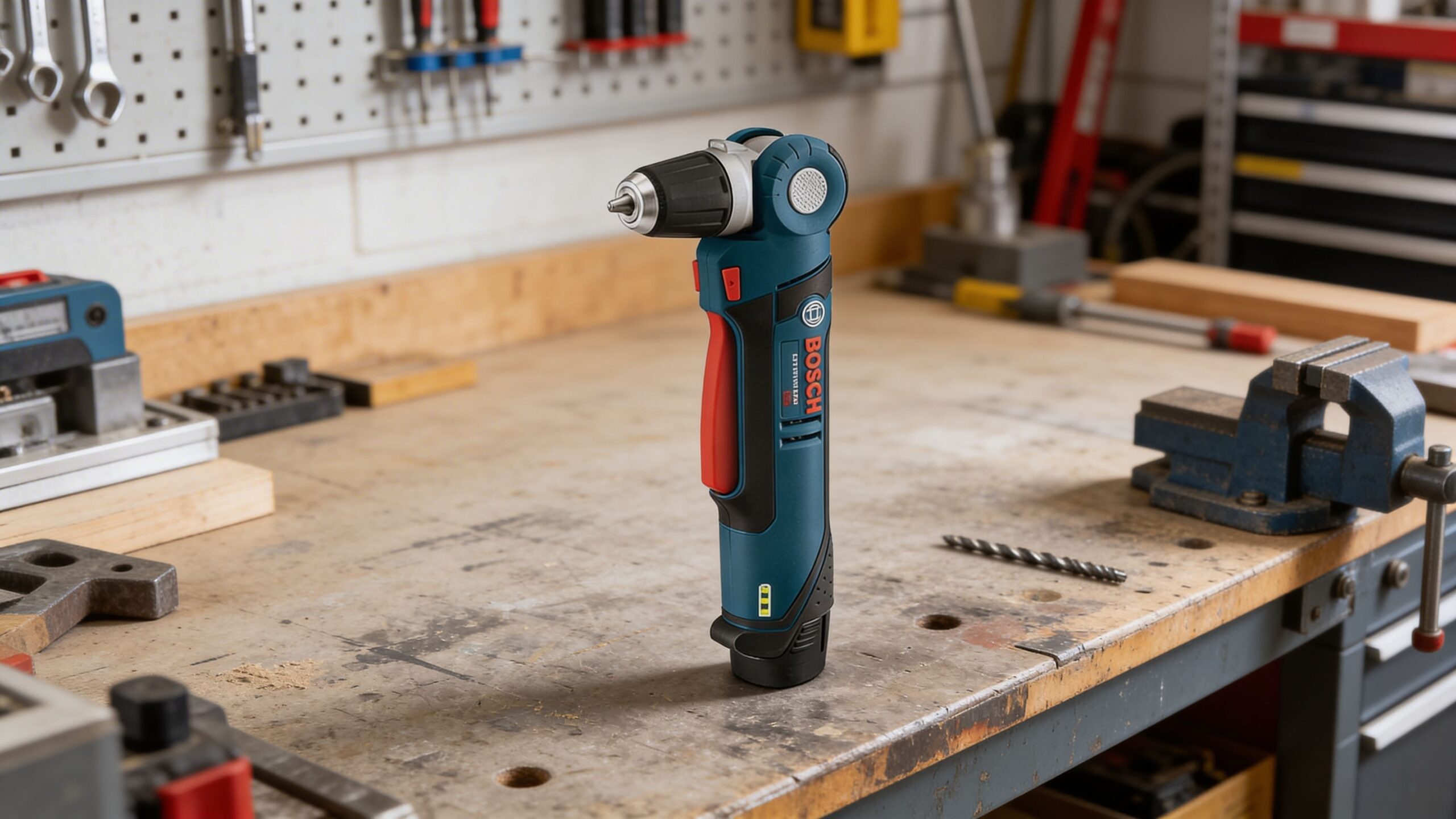
Bosch AD60 Right-Angle Drill
Best value
A budget-friendly right-angle option for occasional tight-space drilling and fastening. It’s a practical choice for light-duty projects or homeowners already invested in the Ryobi ONE+ ecosystem who want access to confined areas without stepping up to a higher-priced tool.
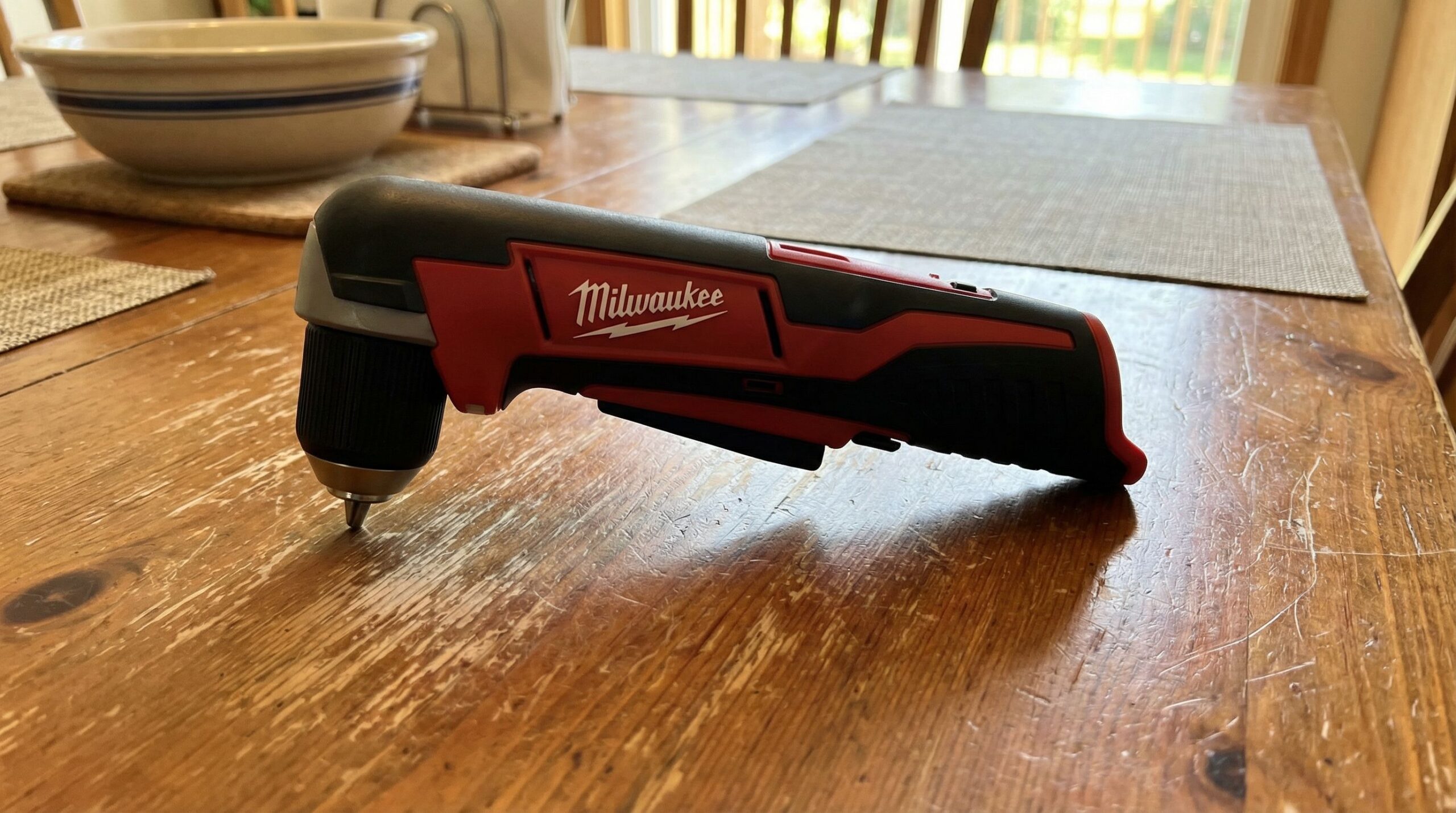
Milwaukee 2807 (M12 Right-Angle Drill)
Compact platform
A smaller 12V alternative that prioritizes maneuverability and lighter handling. It’s appealing for installers or repair work where reduced weight and compact batteries make extended use in tight locations more comfortable.
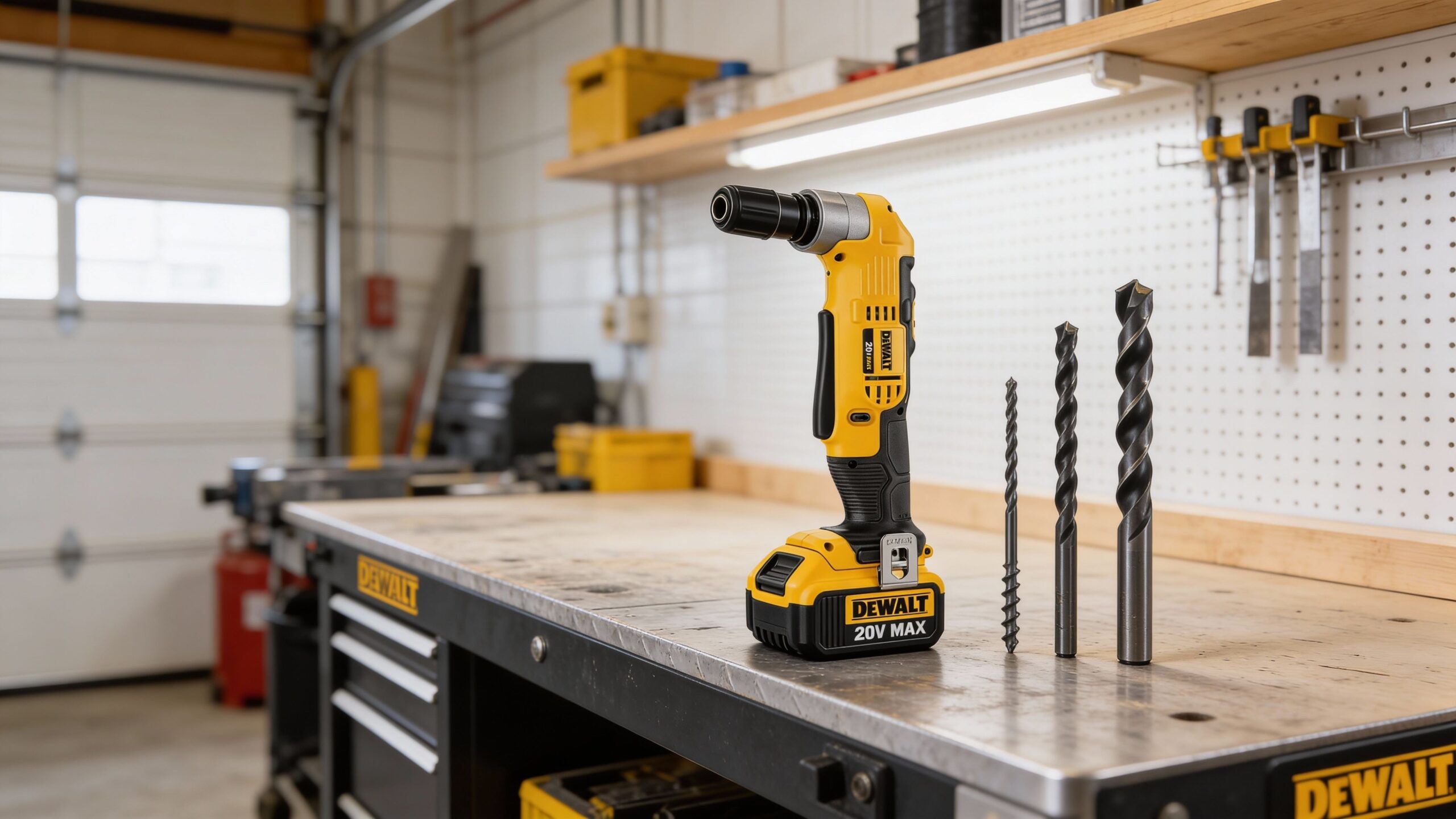
DeWalt DCD740B (20V MAX Right-Angle Drill)
Platform swap
A comparable right-angle drill for users already invested in DeWalt’s 20V MAX ecosystem. It offers similar tight-space access but integrates into a different battery lineup, which can simplify ownership if the rest of your tools run on that platform.
Sources
Sources & reference notes
Specifications and platform details referenced in this review were verified using manufacturer documentation and current product listings. Where configurations vary by kit, we note differences directly in the article.
- RIDGID — product documentation and published specifications for the Ridgid R8711 right-angle drill.
- RIDGID 18V platform compatibility information for tool-only and kit configurations.
- Retail product listings used to confirm current naming, SKU variations, and bundled accessories.
Where to Buy
Ridgid R8711
18V Right-Angle Drill
Typical price range: $79–$169
Pricing varies by retailer and whether the listing is tool-only or bundled with a battery and charger.
Check Current PriceReview Snapshot
Ridgid R8711
8.1
Tight-space specialist tool
Best for confined drilling and fastening where access matters most, with a tradeoff in speed and general-purpose versatility.
- Performance: Steady progress on common drilling and fastening tasks in tight clearances
- Handling: Easier positioning in cramped areas, but bulkier than a standard drill
- Value: Most practical if you already own Ridgid 18V batteries for occasional-to-regular tight-space jobs
Top 10 List
See the best right-angle drills
Want the full picture? Our Top 10 breaks down the best right-angle drills by access, control, and everyday usability.
View the Top 10Compare Models
Compare this drill head-to-head
See how the Ridgid R8711 stacks up against other top right-angle drills across access, control, and value.
View ComparisonsAccessories You’ll Want
- Compact drill/driver bit set (short bits help fit into cabinets and tight clearances without awkward angles)
- Bradboint and twist drill bit assortment (sharp bits start cleaner and reduce wandering when you can’t perfectly square up)
- Extra battery pack (a compact pack for balance plus a higher-capacity option for longer install sessions)
- Stubby bit extensions (adds reach when needed without creating the long, wobbly stack-ups that can ruin alignment)
- Magnetic bit holder (speeds up repetitive driving and helps prevent dropped bits in cramped or overhead work)
Tip: Right-angle drills work best with compact bits and clean seating—keeping a set of short drivers and sharp drill bits on hand can improve control more than changing tools.