What Makes Electric Cars Different from Coupe Cars

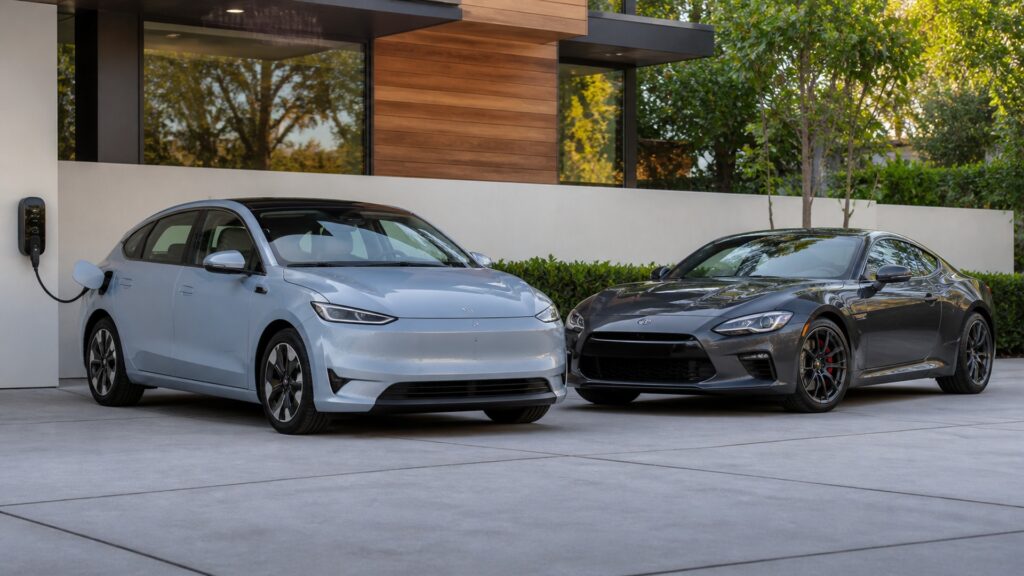
Electric cars and coupes are described on different grounds. Electric identifies how a car is powered; coupe describes a body style, traditionally with two side doors and a relatively low roof. A coupe can be electric, and an electric car can have several different body layouts. The terms do not define opposite kinds of vehicle.

For a useful comparison, separate the electric powertrain from the doors, seats, roof, and luggage opening. Charging and energy recovery are powertrain differences. Rear-seat access and loading convenience are body differences. Ride comfort, performance, refinement, and ownership cost depend on the actual models rather than either label alone.

By: Review Streets Research Lab
Updated: October 5, 2026
Explainer · 8-12 min read
electric cars explainer hero image for Review Streets
What You'll Learn

Separate the Motor from the Body

Understand what each description tells you and what it leaves unanswered.

  • Recognize that an electric coupe belongs to both categories.
  • Distinguish charging needs from passenger access.
  • Compare braking behavior and power delivery directly.
  • Inspect luggage openings and seating.
  • Use exact models when comparing costs and comfort.

Tip: Describe each candidate by both body style and powertrain before drawing conclusions.

Definitions

The Features Behind the Comparison

These terms identify independent parts of the vehicle.

Battery-electric propulsion

Battery-electric propulsion uses a rechargeable traction battery to supply electric drive motors.

  • Example: charging the car between journeys
  • Check: range and compatible charging
  • Limit: it does not specify how many doors the car has

Traditional coupe body

A traditional coupe body has two side doors and commonly emphasizes a lower roof profile.

  • Example: rear passengers entering past a front seat
  • Check: the actual entry path and seating layout
  • Limit: the name is also used more broadly in vehicle marketing

Charging routine

A charging routine is the practical arrangement for replenishing the vehicle's battery.

  • Example: charging during an overnight parking period
  • Check: access, compatibility, time, and price
  • Limit: a nearby charger does not guarantee convenient availability

Regenerative braking

Regenerative braking uses the drive system to recover some energy while slowing the vehicle.

  • Example: recovering energy during deceleration
  • Check: the car's modes and operating limits
  • Limit: friction brakes remain necessary

Rear-seat access

Rear-seat access is the route and effort involved in entering and leaving the back seats.

  • Example: moving a coupe's front seat for a passenger
  • Check: door opening and seat movement
  • Limit: electric propulsion does not automatically improve entry

Driving character

Driving character is the combined feel of controls, response, ride, and handling.

  • Example: smooth maneuvering and a comfortable ride on familiar roads
  • Check: the exact trim and equipment
  • Limit: neither coupe styling nor electric power guarantees a particular feel

Tip: A body feature should not be credited to the powertrain, or the other way around.

Energy

Charging Replaces a Fuel Routine, Not a Body Style

A battery-electric car needs compatible charging and an energy plan for its journeys. A gasoline coupe instead uses a refueling routine. But an electric coupe has the same charging questions as any other EV. Check the actual propulsion system before treating the two names as a buying choice.

  • Identify the powertrain in both cars.
  • Check where energy will be replenished.
  • Consider the longer journeys you repeat.

DOE consumer guidance recommends assessing daily driving, longer trips, and charging access together. DOE: EV ownership considerations.

Doors and Seats

Passenger Access Comes from the Body

A two-door coupe usually asks rear passengers to enter past a moved front seat. A four-door electric sedan can offer a different route, but that advantage comes from the doors. An electric coupe may preserve the same access limitations, and some coupes have no rear seats at all.

  • Try entry and exit with the actual passengers.
  • Check front-seat position after rear entry.
  • Use a realistic parking-space width.

A passenger who finds the access awkward needs a more suitable layout, regardless of whether the wheels are driven by an engine or motor.

Response

Electric Power Changes Some Driving Sensations

Electric propulsion can provide smooth output without conventional engine gear changes. Deceleration may also feel different when lifting off, depending on regenerative settings. These characteristics do not establish steering quality, ride comfort, or overall performance. A gasoline coupe and an electric car can each be tuned for relaxed or more assertive driving.

  • Test gentle starts and parking maneuvers.
  • Learn the selected braking mode.
  • Compare ride on ordinary road surfaces.

The accelerator response that impresses during a brief demonstration may matter less than comfortable control in repeated traffic.

Packaging

Cargo Access Must Be Inspected Separately

Coupe-shaped cars can have a separate trunk or a liftback. Electric cars can have either arrangement too, and some have additional front storage. Check the opening and the usable space with required seats occupied. A low roof, deep compartment, or narrow aperture can affect real luggage more than a total capacity number suggests.

  • Bring a representative rigid item.
  • Check rear-seat headroom and foot space.
  • Confirm the load fits with the closure fully shut.

The presence of a battery does not tell you whether the stroller passes through the luggage opening.

Ownership

Compare Complete Cars at Comparable Specifications

Electric cars avoid several combustion-engine service tasks, but still have tires, brakes, suspension, and other maintenance needs. A coupe's costs depend on its powertrain, equipment, tire sizes, and condition. Compare actual purchase and insurance quotes, energy prices, and service requirements over the same ownership period.

  • Use the exact trim and wheel setup.
  • Include charging installation if required.
  • Keep uncertain resale assumptions separate.

DOE's maintenance overview explains the powertrain distinction; it does not rank every EV against every coupe on total cost. DOE: electric-vehicle maintenance.

Quick Reality Check

Two Descriptions, Different Information

Use both descriptions to understand the candidate vehicle.

Electric Tells You

The car uses electric propulsion and, for a battery-electric model, depends on external charging.

Energy use, charging capability, and braking behavior deserve investigation.

Coupe Tells You

The car has a particular body concept that may prioritize two-door access and a lower roof.

The actual seats, door openings, luggage access, and driving setup still need checking.

Common Myths

Misconceptions About Electric Cars and Coupes

Avoid treating overlapping labels as universal performance claims.

An electric car cannot be a coupe

An electric powertrain can be installed in a coupe body.

A coupe is always faster or more engaging

Performance and control feel depend on the specific vehicle.

An EV automatically has easier rear access

Access depends on door and seat design, not the source of propulsion.

Tip: Compare the feature you care about directly on the actual cars.

FAQ

Questions About EV and Coupe Differences

Answers about the overlap between powertrain and body.

Is coupe another word for gasoline car?

No. Coupe describes a body concept, and its powertrain can vary.

Can an electric coupe have a rear hatch?

Yes. A liftback or hatch describes the rear closure and can coexist with coupe styling.

Does electric propulsion mean no servicing?

No. Several engine-related tasks disappear, but the remaining vehicle systems still need care.

What is a fair comparison?

Name each car's powertrain and body, then compare charging or refueling, seating, cargo access, driving feel, and complete ownership costs.

Bottom Line

Electric describes propulsion; coupe describes the body. Their practical differences must be assessed separately.

Choose a combination of energy routine, space, and driving behavior that suits your needs rather than assuming one label answers every question.

Next Steps

Go Deeper or Compare Your Options

Use these Review Streets paths to compare related categories and practical next decisions.