When to Use Electric Cars Instead of Coupe Cars

Choose an electric car over a gasoline coupe when dependable charging, suitable range, and the actual vehicle's comfort and space make it a better match for your routine. Quiet propulsion and charging during existing parking time can be useful advantages, but neither compensates for a car that fails your passenger or travel needs.

The categories overlap: electric describes propulsion, while coupe describes a body style. An electric coupe can satisfy both preferences. If you are comparing a practical electric car with a traditional gasoline coupe, separate the powertrain decision from the seating, doors, roofline, and driving character of those particular models.

By: Review Streets Research Lab
Updated: October 5, 2026
Explainer · 8-12 min read
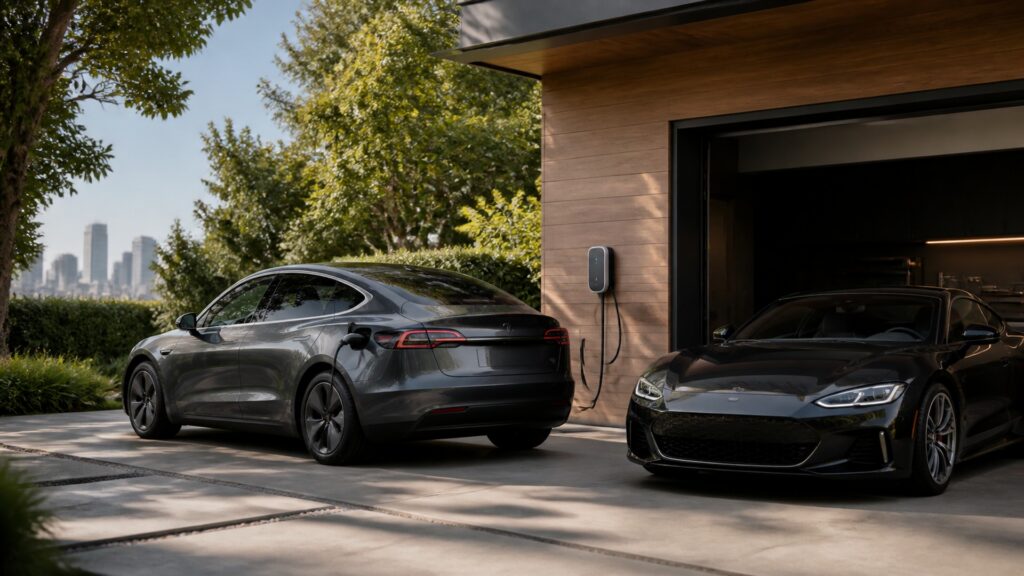
electric cars explainer hero image for Review Streets
What You'll Learn

Decide Whether Electric Driving Fits Your Routine

Assess the change in energy supply without losing sight of the car itself.

  • Separate electric propulsion from coupe styling.
  • Check where charging would fit into parked time.
  • Assess the commute and occasional long trips.
  • Compare passenger access and comfort directly.
  • Include maintenance, tires, and charging in ownership costs.

Tip: A charging plan and a realistic test drive answer different questions; complete both.

Definitions

Key Terms for the Powertrain Decision

These concepts help compare the ownership routines fairly.

Battery-electric propulsion

Battery-electric propulsion uses electric motors supplied by a rechargeable traction battery.

  • Example: driving without a gasoline engine
  • Check: range and charging capability of the exact car
  • Limit: the body may still be a coupe

Charging opportunity

A charging opportunity is a period when the car can use compatible equipment while parked.

  • Example: charging during a work shift
  • Check: permission, availability, and usable charging time
  • Limit: parking near equipment does not guarantee access

Charging power

Charging power is the rate at which electrical energy is supplied, measured in kilowatts.

  • Example: a vehicle accepting power from a compatible charger
  • Check: both vehicle and equipment limits
  • Limit: advertised maximum power is not sustained throughout every session

Energy consumption

Energy consumption is the electricity used to cover a distance.

  • Example: comparing kilowatt-hours per 100 miles
  • Check: comparable conditions and rating methods
  • Limit: electricity price is a separate input to running cost

Regenerative braking

Regenerative braking uses the drive system to recover some energy as the vehicle slows.

  • Example: recovering energy when lifting off or braking
  • Check: the car's operating modes and limits
  • Limit: it does not replace the need for the normal brakes

Route margin

Route margin is the reserve allowed beyond the expected energy needed for a trip.

  • Example: keeping enough charge for a charging-site diversion
  • Check: weather, speed, terrain, and available alternatives
  • Limit: rated range alone does not describe that reserve

Tip: Do not confuse battery capacity in kilowatt-hours with charging power in kilowatts.

Daily Routine

Electric Driving Is Attractive When Charging Fits Parked Time

If the car can recharge where it already spends hours, energy supply can become part of parking rather than a separate stop. Confirm permission, compatible equipment, and whether the available charging rate meets your normal use. A charger across town can create a very different ownership experience from an accessible one at home or work.

  • Identify the usual location and a backup.
  • Confirm the vehicle's connector and charging capability.
  • Include access restrictions and fees.

Charging time depends on equipment, the car, and battery conditions; the highest advertised rate is not a universal refill time. DOE: charging equipment and power.

Trips

Use the Long Journey as a Practical Test

An electric car that easily covers local errands may still require planning for a recurring long drive. Look at compatible stops, destination charging, and alternatives if a site is unavailable. A gasoline coupe may remain more convenient for some routes, while an electric car may fit others without much disruption.

  • Check the entire route, not just the first stop.
  • Allow for weather and highway conditions.
  • Consider the time you can comfortably spend stopped.

DOE consumer guidance recommends reviewing both daily driving and longer journeys before deciding whether an EV meets your needs. DOE: electric vehicles for consumers.

Cabin

Choose More Doors Only When the Actual Car Provides Them

Moving from a two-door coupe to a four-door electric car can improve rear-seat access, but the benefit comes from the body layout. An electric coupe may retain the same access compromises. Battery packaging, seat height, and roof shape also vary, so assess comfort directly rather than assuming electric cars are spacious.

  • Set the front seats for their regular users.
  • Try rear entry and seating with your passengers.
  • Check luggage with the required seats occupied.

A passenger who struggles to enter a coupe needs a better access arrangement, not merely a different motor.

Driving

Try the Controls at Ordinary Speeds

Electric propulsion often delivers smooth response without conventional engine gear changes, but pedal tuning, steering, ride, and regenerative deceleration vary. Try maneuvering, joining normal traffic, and easing to a stop. A gasoline coupe may offer a driving character you prefer; an electric car should earn its place through the experience you actually want.

  • Learn the available regenerative settings.
  • Check low-speed smoothness and brake response.
  • Assess comfort on familiar road surfaces.

Energy recovery can be limited under some battery or road conditions. Follow the vehicle's instructions and remain ready to use the brake pedal normally.

Ownership

Reduced Engine Service Is Only Part of the Cost

A battery-electric car does not need engine oil service, but tires, brakes, suspension, cooling requirements, and other inspections still matter. Compare actual service schedules, insurance quotes, and energy costs. If buying used, include battery condition and the remaining warranty terms in the vehicle assessment.

  • Use the exact maintenance schedule.
  • Price electricity where you will actually charge.
  • Include purchase cost and any installation work.

DOE notes that all-electric vehicles generally need less maintenance than combustion vehicles; that does not make an individual car maintenance-free or guarantee the lowest total cost. DOE: EV maintenance.

Quick Reality Check

Which Routine Favors Which Car?

Keep the ownership conditions separate from the body preference.

Reasons to Favor the Electric Car

Compatible charging fits normal parking time and the route plan is workable.

The actual cabin, luggage access, driving feel, and cost estimate meet your needs.

Reasons to Keep the Gasoline Coupe

Its body arrangement suits you and uncertain charging would add recurring inconvenience.

Its driving character or complete ownership cost is a better fit after a direct comparison.

Common Myths

Misconceptions About Electric Cars and Coupes

Avoid turning one advantage into an automatic buying decision.

An electric car cannot be a coupe

Propulsion and body style are separate characteristics.

Every charging session uses the advertised peak rate

Vehicle limits, battery state, temperature, and the charging equipment affect actual power.

Electric cars need no maintenance

They still have tires, brakes, suspension, and model-specific inspection and service requirements.

Tip: Choose the whole vehicle and its ownership routine, not one appealing specification.

FAQ

Questions About Switching from a Coupe to an EV

Practical answers for an overlapping comparison.

Must I give up coupe styling to drive electric?

No. If that body style matters, look for an electric vehicle with the layout you want and assess its suitability normally.

Is home charging essential?

Not always. Work or public charging can work if access, compatibility, timing, and cost are dependable.

Will an electric car automatically be cheaper?

No. Calculate the complete comparison for your mileage, energy prices, insurance, purchase costs, and expected ownership period.

What should I verify on a used electric car?

Check its condition and history, battery assessment where available, charging operation, remaining warranty, and suitability for your routes, alongside an ordinary vehicle inspection.

Bottom Line

Choose electric when the charging routine and the actual car improve the way you use it.

Keep body style, passenger access, driving preference, and total cost in the decision; a powertrain label cannot answer those questions by itself.

Next Steps

Go Deeper or Compare Your Options

Use these Review Streets paths to compare related categories and practical next decisions.