Why Hatchbacks Fitment Matters

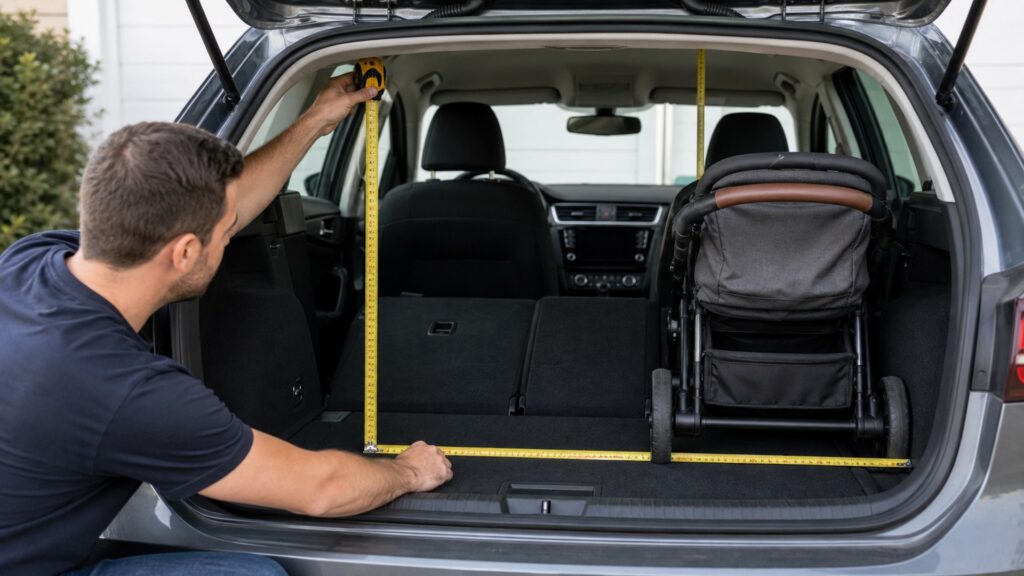
Hatchback fitment is the match between a specific vehicle and the equipment or replacement part you want to install. A roof rack, luggage liner, rear carrier, or hatch component must suit the actual body, mounting arrangement, and operating clearances. Being the right general size is only one part of fitting correctly.

Start with the model year, body version, trim, and relevant factory equipment. Then check the manufacturer's application information and installation instructions. A product that sits in place can still be unsuitable if it loads the wrong surface, obstructs the hatch, prevents a seat from locking, or interferes with visibility.

By: Review Streets Research Lab
Updated: October 5, 2026
Explainer · 8-12 min read
hatchbacks explainer hero image for Review Streets
What You'll Learn

Check Compatibility Before Installation

Use the exact vehicle and intended task to narrow the choice.

  • Identify the body and factory equipment accurately.
  • Distinguish attachment points from nearby trim.
  • Check moving clearance as well as static size.
  • Keep load limits separate from a fit claim.
  • Know when a professional fitment check is needed.

Tip: Save the product's exact part number and application notes, not just its listing title.

Definitions

What a Fitment Claim Must Cover

Compatibility involves geometry, attachment, operation, and permitted use.

Vehicle application

Vehicle application is the precise set of vehicles for which a product is specified.

  • Example: a liner listed for a particular hatchback body and model year
  • Check: body variant, trim, and equipment exclusions
  • Limit: a sedan with the same model name may use a different part

Mounting interface

The mounting interface is the intended connection between equipment and the vehicle.

  • Example: a rack foot and its specified roof attachment
  • Check: the approved mounting location and hardware
  • Limit: nearby plastic trim is not automatically a load-bearing point

Fit kit

A fit kit provides components specified for a particular mounting arrangement.

  • Example: vehicle-specific pads and clamps for a roof rack
  • Check: the combination of bars, feet, and kit
  • Limit: compatible-looking pieces do not prove a valid system

Operating clearance

Operating clearance is the space required while a vehicle part moves.

  • Example: the hatch swinging beneath a roof box
  • Check: the entire movement path
  • Limit: clearance with the hatch closed is not enough

Load limit

A load limit is the permitted weight for the relevant vehicle or equipment arrangement.

  • Example: the allowed roof load including the carrier
  • Check: all applicable instructions and weight definitions
  • Limit: a physical fit does not establish carrying capacity

Functional interference

Functional interference occurs when an installed item prevents normal intended operation.

  • Example: a liner obstructing a seatback latch
  • Check: latches, belts, controls, cameras, and required visibility
  • Limit: an obstruction may appear only when the item is loaded

Tip: A correct application still needs a correct installation.

Identity

Match the Exact Body and Equipment

A model name can cover several body versions and equipment combinations. A hatchback cargo floor may differ from the sedan sold under the same badge. Roof rails, panoramic glass, spoilers, or an adjustable luggage floor can affect compatibility. Read the exclusions in the product listing before assuming a year-and-model match is sufficient.

  • Confirm the model year and body style.
  • Record the relevant factory options.
  • Use part numbers and manufacturer application data.

When buying used equipment, identify the complete system; an unidentified bracket can make an otherwise suitable product unusable.

Attachment

Use the Specified Mounting System

Racks are systems of connected components, not simply bars of an appropriate length. The vehicle-facing pieces must suit the roof and the stated attachment method. Thule's fit tool asks for vehicle details to identify compatible products. Use such guidance from the equipment manufacturer rather than copying a setup seen on a similar-looking car.

  • Check every component in the approved combination.
  • Follow the supplied assembly and tightening instructions.
  • Resolve missing parts before installation.

Do not improvise a mounting point because it appears strong or convenient. Thule: vehicle compatibility guide.

Movement

Check the Hatch Through Its Full Travel

A roof box or rear-mounted carrier can conflict with the hatch, spoiler, wiper, or surrounding bodywork. A static measurement with everything closed misses those interactions. Follow the equipment maker's specified clearance check, and do not operate the hatch with a rear carrier attached unless its instructions allow that operation.

  • Check hatch-to-box clearance by the prescribed method.
  • Account for straps, clamps, and protruding loads.
  • Confirm that intended locks and releases remain usable.

Thule provides a hatch-clearance measurement for roof boxes, illustrating why compatibility includes the moving door rather than only the roof length. Thule: roof-box hatch clearance.

Interior

A Liner or Organizer Must Preserve the Car's Functions

Interior accessories should sit as intended without preventing seatback locking, covering needed anchors, trapping belts, or obstructing access to required equipment. Check them in each cargo-floor position you use. A flexible mat that appears harmless can move or bunch up when a heavy object is dragged across it.

  • Try folding and restoring the seats.
  • Check the spare-wheel or repair-kit access.
  • Use specified retention features where supplied.

Good fitment remains useful when the cabin changes between passenger use and luggage carrying.

Limits

Separate Compatibility from Permission to Carry

A product can fit the vehicle yet be inappropriate for a particular load. Read the limits for the car, mounting system, carrier, and attachment method together. Include the equipment's own weight where the instructions require it. If the limits or their definitions are unclear, get confirmation from the manufacturer or a qualified installer before loading.

  • Identify the permitted use and applicable limits.
  • Do not assume a rack creates towing capacity.
  • Recheck the installation as instructed by its manufacturer.

Replacement hatch supports, locks, and powered components also need the correct application; do not choose them solely by appearance or overall length.

Quick Reality Check

A Fit Claim Versus a Complete Fit Check

A listing is a starting point, not the whole installation assessment.

Useful Evidence

The exact body and options appear in the manufacturer's application information.

Required hardware, movement clearance, operating functions, and load limits all agree.

Reasons to Pause

Compatibility depends on a similar vehicle, a vague universal claim, or unidentified secondhand parts.

The installation requires forcing trim, inventing attachments, or accepting interference.

Common Myths

Misconceptions About Hatchback Fitment

Similar dimensions do not guarantee compatibility.

If it bolts on, it is suitable

Attachment alone does not establish correct load paths, operation, or permitted use.

All versions of a model use the same accessories

Body, equipment, and production changes can affect fit. Check the exact application.

A higher-rated carrier increases the vehicle limit

Equipment does not raise the vehicle's permitted load. All applicable restrictions remain relevant.

Tip: Resolve an uncertain application before buying or installing the product.

FAQ

Questions About Hatchback Compatibility

Practical checks for accessories and replacement components.

Can I transfer a rack from another hatchback?

Only if the manufacturer confirms the required components and application for the new car. Some parts may transfer while the fit kit does not.

Does universal fit mean no checks are needed?

No. Read the dimensions, mounting requirements, exclusions, and load limits.

Can I modify a liner that blocks a latch?

Use the specified product and installation guidance. Do not accept interference with seat locking or restraint functions.

When should I use a professional installer?

Use qualified help when compatibility, mounting, electrical integration, or permitted loads cannot be confidently established from the manufacturer's instructions.

Bottom Line

Correct fitment means the equipment belongs on that exact hatchback and works without compromising its intended functions.

Confirm the application, mounting system, clearance, and limits before installation; then follow the inspection instructions for continued use.

Next Steps

Go Deeper or Compare Your Options

Use these Review Streets paths to compare related categories and practical next decisions.