When to Use Hatchbacks Instead of Electric Cars

A hatchback and an electric car are not mutually exclusive choices. Hatchback describes the rear opening and body layout; electric describes the propulsion system. An electric hatchback can give you both. The useful buying question is whether a particular gasoline or hybrid hatchback suits your needs better than the battery-electric car you are considering.

A fuel-powered hatchback can make sense when its loading layout works well and dependable charging does not fit your parking or travel routine. An electric car can be the more convenient choice when charging is readily available and its space, range, and price meet the same requirements. Start with those conditions rather than assuming one label rules out the other.

By: Review Streets Research Lab
Updated: October 5, 2026
Explainer · 8-12 min read
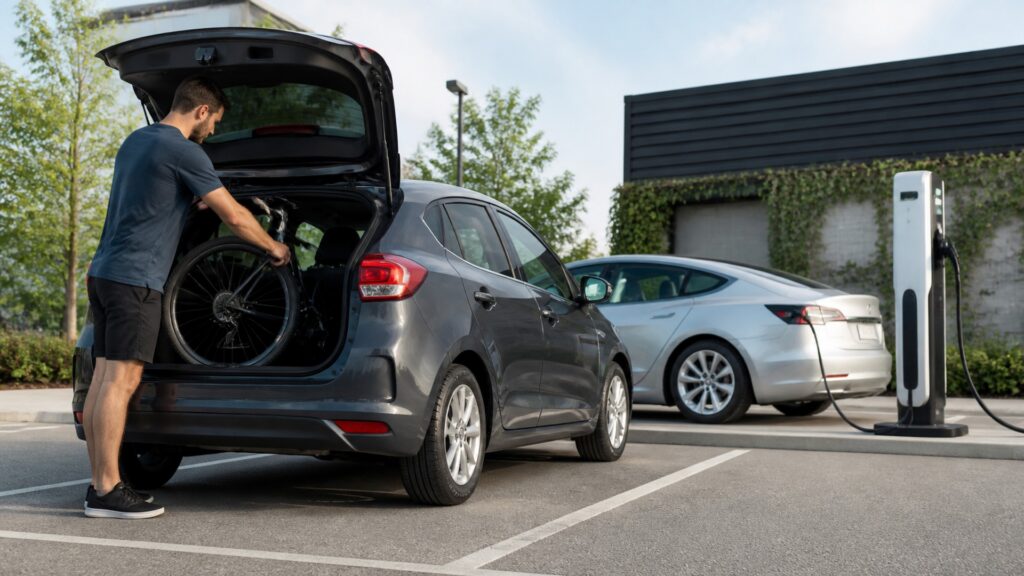
hatchbacks explainer hero image for Review Streets
What You'll Learn

Separate Cargo Needs from Charging Needs

Compare two real cars on the tasks each must perform.

  • Distinguish body layout from propulsion.
  • Check charging access before promising yourself an easy routine.
  • Test cargo with the seats you need occupied.
  • Consider unusual journeys as well as the commute.
  • Compare complete ownership costs using your own inputs.

Tip: Write down the actual models and powertrains before comparing them.

Definitions

The Choices Hidden Inside the Comparison

These terms describe separate parts of vehicle ownership.

Hatchback body

A hatchback has a rear door that opens into the luggage area, usually lifting the rear glass with it.

  • Example: loading a tall box through the rear opening
  • Check: opening dimensions and seating arrangement
  • Limit: this does not identify the fuel or motor

Battery-electric vehicle

A battery-electric vehicle uses stored electricity and electric propulsion without a gasoline engine.

  • Example: recharging the traction battery while parked
  • Check: the exact car's charging requirements
  • Limit: an ordinary hybrid is not the same thing

Non-plug-in hybrid

A non-plug-in hybrid combines an engine and electric propulsion without requiring external charging.

  • Example: a gasoline hybrid hatchback used without a home charger
  • Check: the specified fuel and service schedule
  • Limit: it still needs fuel and engine maintenance

Dependable charging access

Dependable access means a compatible charger is realistically available when you need it.

  • Example: an assigned parking space with permitted charging
  • Check: access hours, availability, and price
  • Limit: a nearby map pin alone is insufficient

Range allowance

A range allowance is the margin kept between the expected journey and the energy available.

  • Example: allowing extra energy for a cold return trip
  • Check: route, weather, speed, and charging stops
  • Limit: a published range is not a promise for every trip

Usable cargo space

Usable cargo space is the room that remains in the seating arrangement you actually require.

  • Example: carrying luggage with rear passengers aboard
  • Check: the load with those seats upright
  • Limit: maximum folded-seat volume may not apply

Tip: A car must pass both the transport test and the energy-supply test.

First Decision

Choose the Body Layout on Its Own Merits

Begin with passengers, luggage, and parking. If a hatchback opening is essential for a regular load, compare hatchbacks with the powertrains available to you. If the proposed electric car has an equally useful rear opening, cargo access is not a reason to reject electric propulsion. Conversely, a large electric sedan may still have an opening that frustrates your particular load.

  • Bring a representative bulky item.
  • Keep required passenger seats in use.
  • Check the opening rather than exterior size alone.

For example, a folded stroller and two rear passengers establish a more useful requirement than a preference for a category name.

Parking Routine

Favor Fuel When Charging Would Be an Unreliable Chore

A gasoline or non-plug-in hybrid hatchback may be easier to live with if you park wherever a space is available and cannot count on convenient public charging. Consider the detour, waiting time, access restrictions, and what happens when the preferred charger is unavailable. Public charging can work well, but it needs to fit your life in practice.

  • Identify a realistic primary charging location.
  • Check a backup location and its access rules.
  • Compare the time commitment with ordinary refueling.

A charging plan based on a place you regularly visit is stronger than one based on a charger you hope will usually be free.

Longer Trips

Examine Your Difficult Journeys Before the Easy Ones

A predictable commute may be straightforward for either car. The deciding trip could be a regular late arrival in a rural area or an urgent journey with little schedule flexibility. Check compatible charging along that route and allow for conditions that reduce available range. A fuel-powered hatchback may suit those trips better if charging stops would be awkward.

  • Map the full round trip.
  • Include destination charging only when access is dependable.
  • Allow room for diversions and delays.

The Department of Energy recommends assessing daily driving and longer routes separately, including compatible charging and a range buffer. DOE: choosing an electric vehicle.

Ownership

Use Your Prices, Not a Universal Savings Claim

Compare purchase price, insurance, servicing, tires, and the energy prices you would actually pay. Home electricity and frequent public fast charging can produce different running-cost estimates. A lower purchase price can matter more to a low-mileage household than a modest energy saving on each mile. Keep the comparison tied to the same period and expected distance.

  • Obtain quotes for the actual cars.
  • Include any charging installation you would need.
  • Keep uncertain resale values clearly identified.

A cost estimate is useful when its assumptions resemble your life; a headline claim that one powertrain is always cheaper is not.

Decision

Keep an Electric Hatchback on the Shortlist

If you can charge reliably and an electric hatchback fits the people and cargo, there may be no need to choose between the two ideas. If charging is the obstacle, a suitable gasoline or non-plug-in hybrid hatchback remains a reasonable alternative. Do not solve a charging problem by accepting a body layout that cannot do the job.

  • Decide which requirements are non-negotiable.
  • Test the actual cars with the same load.
  • Choose the combination that meets the whole routine.

Someone with easy overnight charging and someone with changing street parking can rationally make different choices for the same weekly mileage.

Quick Reality Check

When Each Choice Can Make Sense

The deciding conditions are personal and vehicle-specific.

Gasoline or Hybrid Hatchback

Its cargo arrangement meets your needs and charging access would be uncertain or inconvenient.

Frequent difficult routes favor the refueling routine, and the full cost comparison supports it.

Battery-Electric Car or Hatchback

Dependable charging fits existing parking time and the car meets your space requirements.

Routine and occasional journeys work with a realistic charging plan.

Common Myths

Misconceptions About Hatchbacks and Electric Cars

Avoid treating overlapping categories as opposites.

A hatchback cannot be electric

Body style and propulsion are separate. A car can be both.

A nearby charger guarantees convenient ownership

Compatibility, availability, access hours, and cost still need checking.

Electric cars always cost less overall

Energy and maintenance can favor electric driving, but purchase price, insurance, mileage, and other costs affect the total.

Tip: Compare the same passenger and cargo needs before comparing running costs.

FAQ

Questions About Choosing a Hatchback or EV

Practical answers before making a shortlist.

Is this really gasoline versus electric?

Only when the hatchback under consideration is gasoline-powered. Confirm the powertrain; hatchbacks may also be hybrid or electric.

Can public charging replace home charging?

It can, if compatible charging is reliably available at a workable cost and fits your schedule. Test that routine rather than assuming it.

Does folding the seats make every hatchback practical?

No. You may need those seats for passengers, and opening shape can limit a load even when the total volume looks generous.

What should I check first?

Confirm passenger and cargo needs, then identify a dependable way to refuel or recharge each candidate.

Bottom Line

Choose a fuel-powered hatchback when its practical layout fits and the charging routine does not.

If charging and cargo access both work in an electric hatchback, the supposed either-or decision disappears.

Next Steps

Go Deeper or Compare Your Options

Use these Review Streets paths to compare related categories and practical next decisions.