
GPS Sports Watch
A GPS sports watch tracks route, pace, distance, sport modes, and workout history.
- Example: recording an outdoor run
- Check: match features to the user's sports
- Limit: it does not create the workout
Use GPS sports watches instead of exercise bikes when the main need is sport tracking, outdoor route data, pace, distance, navigation, and workout history rather than a dedicated indoor cycling machine. A GPS watch measures training. An exercise bike provides the cardio session.
The better choice depends on whether the user is missing feedback or missing equipment. If the user runs, rides outdoors, hikes, or trains across routes, a GPS watch may help. If the user needs an indoor cardio option, an exercise bike is usually the clearer fit.
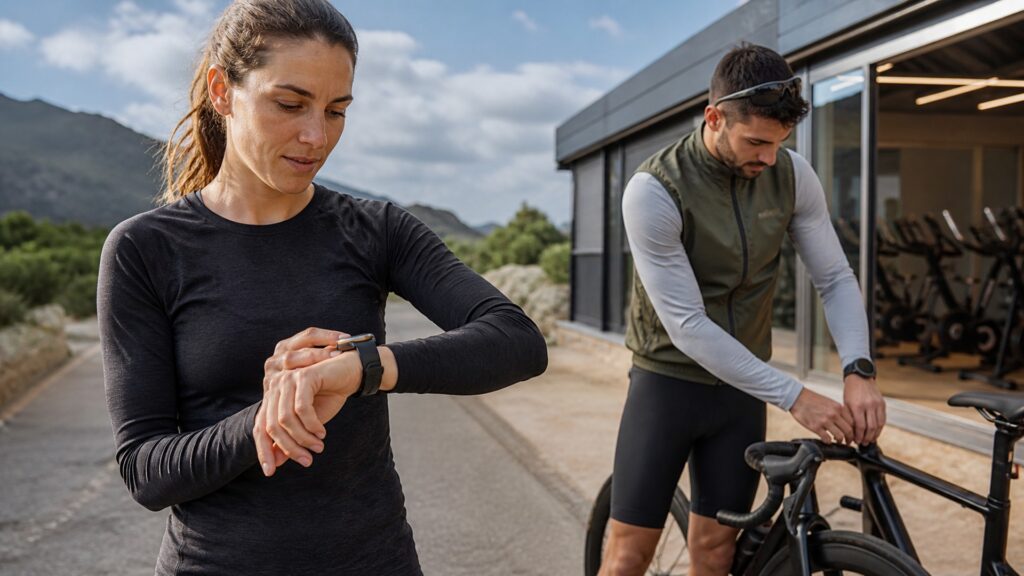
A practical decision guide for choosing sport tracking over a dedicated indoor cycling machine.
Tip: Choose the watch for sport feedback and the bike for the workout.
These concepts clarify the practical signals readers should check before choosing equipment or planning workouts.
A GPS sports watch tracks route, pace, distance, sport modes, and workout history.
An exercise bike is stationary cardio equipment for indoor cycling workouts.
Sport feedback helps the user review pace, distance, route, effort, and training trends.
Cardio equipment provides the exercise stimulus for aerobic training.
Route need means the user benefits from map, distance, elevation, or navigation data.
The missing piece is the part of the routine the purchase should solve.
Tip: The best equipment choice is the one that matches the training job, available space, and user's current ability.
A GPS sports watch is useful when the user wants route tracking, pace, distance, sport modes, heart-rate trends, or workout history. It supports training review across outdoor sessions.
A GPS watch is strongest when feedback is the goal.
An exercise bike is the better choice when the user needs a reliable indoor cardio workout. It supplies resistance, cadence, and a repeatable movement pattern.
A bike is strongest when exercise equipment is missing.
The two tools can complement each other. The bike provides the indoor session, and the GPS watch helps review estimated effort, consistency, and training history.
Tracking and training can share the routine.
A GPS sports watch can guide and record training, but it does not provide resistance or cardio by itself. If the barrier is lack of indoor equipment, the bike may matter more.
Data still needs action behind it.
If the user needs sport feedback, route tracking, and training history, choose the watch. If the user needs an indoor cardio option, choose the bike. If both needs are real, the watch can support bike training later.
The gap should lead the purchase.
The decision depends on whether the user needs sport feedback or a cardio machine.
The goal is route tracking, pace, distance, sport modes, or workout history.
The user already has ways to exercise but needs better training visibility.
The goal is a dedicated indoor cardio session.
The user needs equipment that provides the workout itself.
Tracking and cardio equipment solve different problems.
A watch tracks and guides activity but does not create the cycling workout.
A bike can show ride data, but it does not track routes like a GPS watch.
Better depends on whether the missing need is feedback or exercise.
They can work together when one tracks and the other provides cardio.
Tip: Treat strong claims as reasons to inspect the workout fit more closely.
Short answers for practical training and buying decisions.
Choose it when sport tracking, route data, pace, and workout history are the missing pieces.
Choose it when the user needs a dedicated indoor cardio workout.
Many watches can log indoor and outdoor cycling sessions, though GPS route data applies outdoors.
A watch can support awareness, while a bike provides structured cardio. The better choice depends on the barrier.
Use GPS watches for sport feedback and exercise bikes for cardio sessions.
Use GPS sports watches when sport feedback is missing, and use exercise bikes when the workout itself is missing.
The strongest choice solves the real gap in the routine.
Use these Review Streets paths to compare related categories and practical next decisions.
Review how satellite, sensor, and app data work together.
See how watch features should support training decisions.
Compare GPS watches with simpler wearable tracking.
Choose a retailer
Prices checked regularly. We may earn a commission at no cost to you.