
Signal Awareness
A timely indication that a configured radio, optical, location, or database observation met the detector's alert rules.
- It contains uncertainty
- It depends on lawful use
- It requires calm interpretation
Use a radar detector only where lawful and when the missing capability is awareness of supported radio, laser, or location-based events. The product must provide suitable bands, classification, direction, filtering, and alert presentation for the routes and vehicle in question. That is a specialized receiver decision.
Use a car stereo head unit when the missing capability is media selection, phone integration, navigation display, audio processing, or dashboard control. Replacing the receiver does not add radar sensitivity unless a separate detector and supported interface are included. If the detector can use vehicle speakers, treat that as alert delivery after detection—not a reason to replace an otherwise adequate head unit.
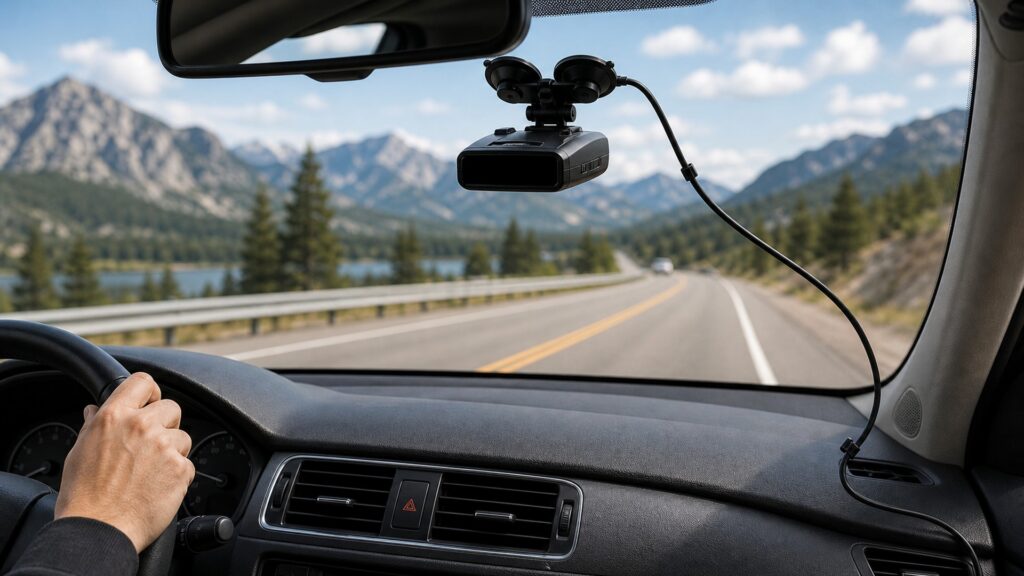
The decision separates lawful signal awareness from everyday dashboard media and audio control.
Tip: If the requirement starts with bands, direction, or nuisance filtering, evaluate detectors; if it starts with sources, calls, or audio outputs, evaluate head units.
These terms define the choice without relying on dashboard appearance.
A timely indication that a configured radio, optical, location, or database observation met the detector's alert rules.
The frequency regions enabled and supported by the receiver under its current regional and user configuration.
A detector estimate of whether received energy is stronger from ahead, beside, or behind.
The installed dashboard device responsible for media sources, user interface, calls, audio routing, and related integration.
A factory control, chime, camera, amplifier, setting, microphone, or vehicle display behavior preserved through an upgrade.
A familiar, lawful drive containing representative fixed sources, road geometry, power transitions, and audio conditions used to evaluate configuration.
Tip: Keep detector specifications, head-unit functions, and shared interfaces on separate requirement lists.
Some jurisdictions or vehicle classes prohibit detectors, and mounting rules may add separate limits. Confirm current official requirements for home routes and travel before purchasing, installing, transporting, or relying on the device.
No feature score can rescue a prohibited use case.
A detector is appropriate when lawful awareness depends on receiver sensitivity, supported bands, directional context, nuisance rejection, GPS lockouts, or a warning database. Those are not head-unit processing stages.
Specialized selection follows the signal environment, not dashboard fashion.
A new head unit makes sense when daily source control, smartphone integration, screen function, processing, preamp outputs, or retained vehicle features are inadequate. Detection alerts are a separate optional input.
Do not replace a working dashboard system to solve an antenna problem.
If the detector supports an appropriate output, existing speakers or a phone may improve audibility without a receiver replacement. Verify latency, pairing, ducking, volume, call priority, and reconnection under actual use.
Integration is valuable only when it remains simpler than the problem it solves.
The detector trial should cover startup, configured modes, known fixed sources, mute, direction, and false-alert behavior. The head-unit trial should cover sources, calls, controls, channels, retained features, and sleep.
The right choice produces its intended result without creating a new distraction or integration fault.
Speaker quality and display size occur after detection; they cannot restore radio energy lost through treated glass, bad orientation, interference, or disabled receiver coverage.
An adequate receiver can relay a supported detector alert without being replaced.
A detector can remain independent when its own display and speaker are clear.
A receiver change may be warranted for separate audio, phone, navigation, control, or integration deficiencies.
Each added interface creates fit, power, update, and recovery obligations.
These myths confuse a dashboard component with the specialized sensor feeding it.
Display area only changes presentation. Radar sensitivity depends on antenna design, receiver noise, filtering, placement, glass attenuation, orientation, interference, and enabled coverage before any alert reaches the dashboard or vehicle speakers.
Bluetooth compatibility does not establish lawful use, safe mounting, audio profile support, pairing stability, latency, priority, or recovery. Many detectors use their own speaker and may not support the intended receiver handoff.
The choice depends on law, vehicle class, routes, signal environment, installation, attention, and the actual unmet function. Drivers who need better sources, calls, or audio processing have a head-unit problem instead.
Integration can improve audibility, but delay, excessive volume, repeated interruptions, confusing tones, failed reconnection, or masked vehicle warnings can increase workload. Test alert priority and recovery before treating shared speakers as an improvement.
Tip: Assign every required outcome to the hardware that creates it.
These answers focus the buying decision on law, function, and verifiable use.
Only where lawful, when the unmet need is supported radio, laser, directional, or location awareness and the vehicle can provide suitable placement, power, and alert recognition. Define the routes and filtering needs before buying.
Choose it for persistent deficits in source selection, calls, navigation display, audio processing, channel outputs, controls, or factory integration. Verify the complete vehicle configuration and retained functions rather than selecting by screen size alone.
Usually the two can remain independent if lawful placement, power, and driver workload are acceptable. Supported audio integration is optional; test the detector's own alerts before adding wireless or receiver-mediated complexity.
Confirm legal conditions, cold and hot startup, enabled bands, sensitivity modes, known fixed sources, direction, mute, lockouts, database age, display brightness, alert volume, interference, cable security, shutdown, and parked battery behavior.
Check connection time, alert latency, volume ownership, media ducking and restoration, calls, navigation prompts, factory warnings, manual mute, dropped links, app background behavior, startup, shutdown, and recovery after either device restarts.
Use radar detectors instead of car stereo head units when lawful signal awareness is the actual missing function and the installation can support reception, filtering, alerts, and safe driver response.
Use a head unit for media, calls, navigation display, processing, outputs, and controls. Shared speakers can relay an alert, but they do not turn dashboard audio hardware into a detector.
These explainers show how each product produces its result and where fit or operating behavior can change the decision.
Understand how antenna capture, band analysis, filtering, direction, and alerting create signal awareness.
Understand source selection, controls, processing, outputs, and dashboard integration.
Verify glass, orientation, mount, power, heat, interference, and legal fit.
Choose a retailer
Prices checked regularly. We may earn a commission at no cost to you.