
Added Load
Added load is resistance supplied by gear rather than bodyweight alone.
- Example: a weighted vest for push-ups
- Check: confirm the movement is already controlled
- Limit: load can expose weak technique
Use weighted training gear instead of bodyweight training equipment when the exercise is already controlled and the next useful step is added load. Bodyweight equipment can support leverage, range, pulling, pushing, dips, and suspension-style control. Weighted gear adds resistance to make familiar movements more demanding.
The decision is not about which option is harder. Weighted gear makes sense when extra load improves the training effect. Bodyweight equipment makes sense when the user still needs better control, leverage, range, or setup before adding weight.
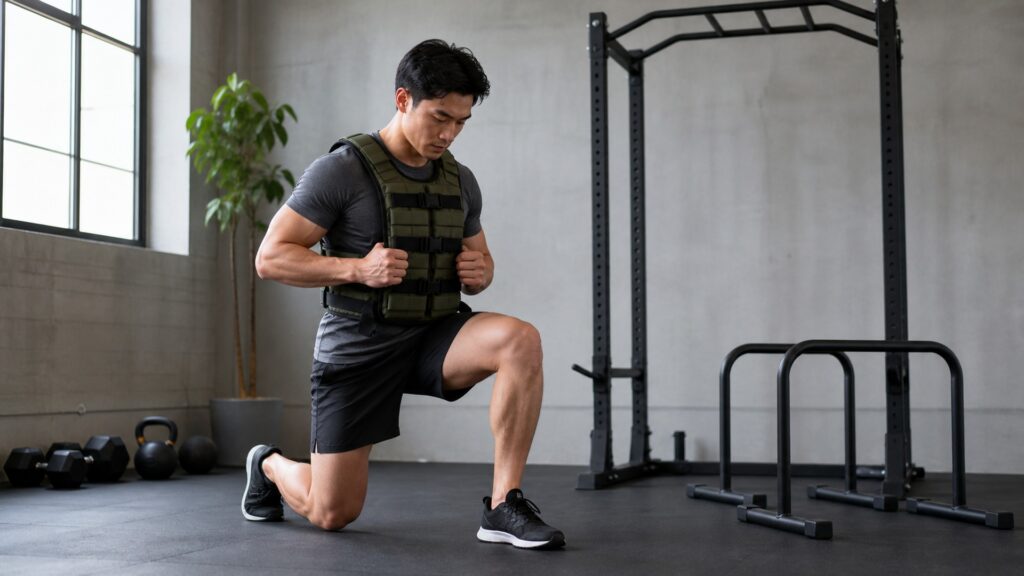
A practical decision path for choosing wearable or attached load over bodyweight-focused equipment.
Tip: Add weight after the movement is already worth loading.
These concepts clarify the practical signals readers should check before choosing equipment or planning workouts.
Added load is resistance supplied by gear rather than bodyweight alone.
Bodyweight equipment helps train with body mass, leverage, or support.
A progression step is the amount of added difficulty between training levels.
Secure fit is how well weighted gear stays in place while moving.
Leverage progression changes difficulty by changing body angle or position.
Training readiness is whether the user can handle added load without losing form.
Tip: The best equipment choice is the one that matches the training job, available space, and user's current ability.
Weighted gear is useful when the user can already perform the movement well and needs a controlled increase in resistance. It can extend push-ups, pull-ups, squats, carries, and walking work.
Weighted gear should build on control, not replace it.
Bodyweight equipment is often better when the user needs leverage control, pulling practice, dip support, suspension work, or a stable setup before adding load.
Better control often matters before more resistance.
Weighted gear works only when it stays secure during the real exercise. A vest, belt, or ankle weight that shifts can make a familiar movement feel awkward.
Fit determines whether added load feels usable.
Weighted gear can be too blunt if the load increments are large. Progression should be gradual enough that the user can repeat the exercise cleanly.
The right load is challenging but still controlled.
A strong home or gym setup may use bodyweight equipment for control and weighted gear for overload. The categories complement each other when the role is clear.
The best setup uses each tool where it fits.
The decision depends on whether the workout needs more load or better control.
The movement is already controlled and needs added resistance.
A vest, belt, or other load can progress the exercise without disrupting form.
The user still needs leverage, range, pulling support, or control practice.
Added weight would make technique worse or less repeatable.
More load is not automatically the next best step.
It is useful only when added load supports clean movement.
Bars, rings, parallettes, and straps can support advanced control work.
Fit, load increments, and movement type matter.
Add weight when control and range are already reliable.
Tip: Treat strong claims as reasons to inspect the workout fit more closely.
Short answers for practical training and buying decisions.
Choose it when the exercise is controlled and added load is the clearest progression.
Stay with bodyweight tools when control, range, leverage, or pulling support still needs work.
Yes. Use bodyweight equipment for control and weighted gear for added resistance.
A well-fitting vest or belt is often easier to manage than limb weights for many strength drills.
Use weighted gear after the movement is ready for more load.
Use weighted training gear when clean bodyweight work needs added resistance.
Use bodyweight equipment when the next step is better control, range, leverage, or setup.
Use these Review Streets paths to compare related categories and practical next decisions.
Review how wearable load changes movement.
See why added load needs a clear purpose.
Compare weighted accessories with broader training tools.
Choose a retailer
Prices checked regularly. We may earn a commission at no cost to you.