
Movement Pattern
A movement pattern is the repeated way the body moves during an activity.
- Example: arm swing during walking
- Check: compare activities with different wrist motion
- Limit: wrist movement does not capture every effort
Movement pattern matters for fitness bands because wrist-worn sensors interpret motion from the way the arm, hand, and body move. Walking, cycling, rowing, lifting, and daily chores can create different sensor signals even when the user feels active in each case.
Fitness-band data is most useful when the user understands which movements the band reads well and which movements need extra context. A band can show trends, but it may miss or misread activities where wrist motion does not match total body effort.
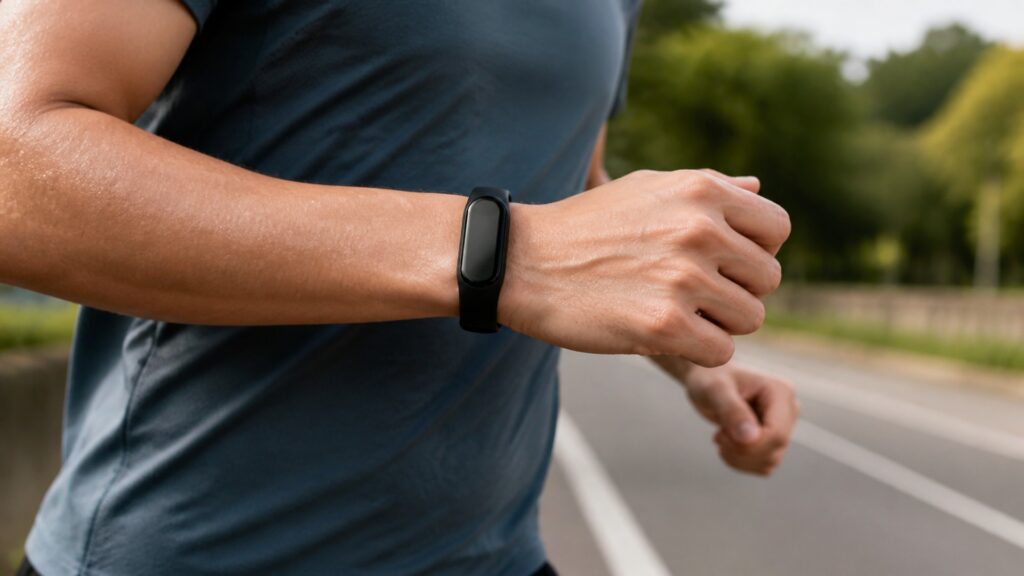
A practical look at why wrist motion, activity type, and sensor position affect wearable tracking.
Tip: Read fitness-band data through the movement pattern behind it.
These concepts clarify the practical signals readers should check before choosing equipment or planning workouts.
A movement pattern is the repeated way the body moves during an activity.
A wrist signal is the motion or body data the band collects from its position.
Activity detection is software classification of movement into an activity type.
Manual logging means starting or labeling a workout in the app.
Sensor position is how the band sits on the wrist during movement.
Trend reading compares repeated data over time instead of trusting one value alone.
Tip: The best equipment choice is the one that matches the training job, available space, and user's current ability.
Fitness bands collect signals from the wrist, so activities with clear arm motion are often easier to interpret. Walking may register differently from cycling, lifting, or pushing a stroller.
The wrist signal shapes the data.
Cycling can raise effort with limited arm swing. Rowing may create repetitive wrist movement that is not the same as walking. Strength training can involve pauses, grip changes, and uneven motion.
Activity type changes what the band can see.
Manual logging gives the app more context before it interprets the data. It can be especially useful for workouts that do not look like steady walking from the wrist.
A label can make the data easier to interpret.
A band that slides, gaps, or sits too loosely can produce weaker readings. Movement pattern and fit work together because the sensor needs stable contact while the wrist moves.
Stable contact improves useful feedback.
The safest way to use fitness-band data is to compare repeated patterns rather than judge a single reading. Similar workouts tracked in similar ways usually tell the clearest story.
Trends are more useful than isolated numbers.
Movement patterns explain why fitness-band readings vary by activity.
It shows why some activities track more cleanly than others.
It helps users decide when manual logging or context is needed.
It does not make wrist data perfectly accurate.
It cannot capture every form of effort or technique.
A wearable reads signals, not the full workout perfectly.
Some hard activities create fewer step-like wrist signals.
Many workouts need manual logging or later review.
Numbers need context from activity type and fit.
Sensor contact and stability affect readings.
Tip: Treat strong claims as reasons to inspect the workout fit more closely.
Short answers for practical training and buying decisions.
The band estimates activity from wrist signals, which change by exercise type.
Steady walking and running often create clearer wrist patterns than some cycling or strength work.
Manual logging helps when the wrist signal may not identify the activity well.
Yes. Fit, wrist position, and motion can affect optical readings.
Interpret band data through the movement pattern that created it.
Movement pattern matters because fitness bands read activity from wrist signals.
Use activity type, fit, and manual logging to give the data the right context.
Use these Review Streets paths to compare related categories and practical next decisions.
Review how wrist-worn tracking works.
See how band data should support training decisions.
Compare tracking tools with dedicated cardio equipment.
Choose a retailer
Prices checked regularly. We may earn a commission at no cost to you.