Why Fuel Economy Matters in Autos

Fuel economy matters because it affects more than the amount spent at the pump. It changes driving range, trip planning, operating cost, emissions, and sometimes the weight, performance, or complexity built into the vehicle.

This explainer shows how economy ratings are produced, why real-world results can differ, and how buyers should compare MPG, MPGe, hybrids, EVs, vehicle size, tires, speed, and driving habits together.

By: Review Streets Research Lab
Updated: June 23, 2026
Explainer · 8-12 min read
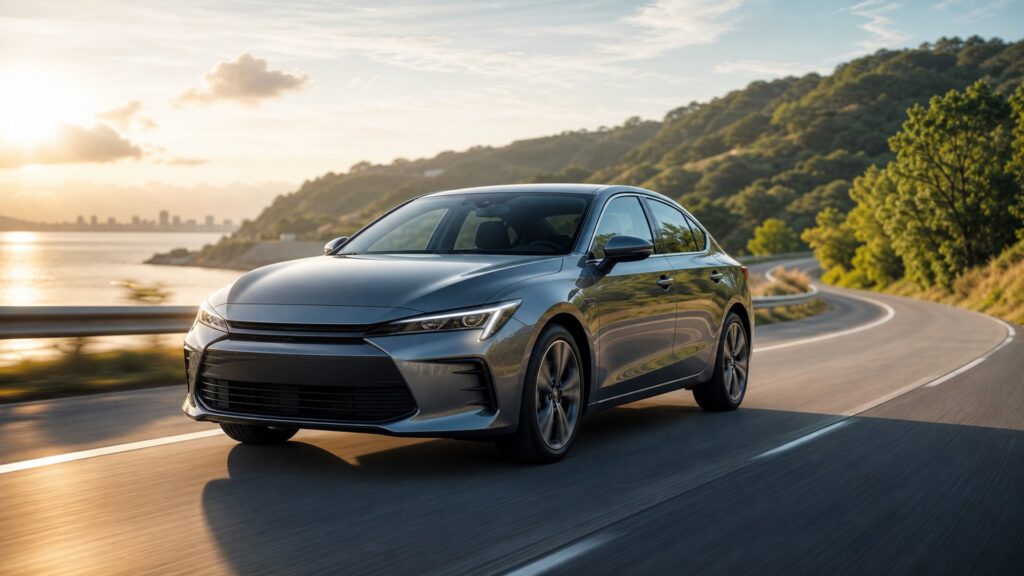
modern car dashboard and road scene suggesting fuel economy and efficient driving
What You'll Learn

How Fuel Economy Shapes Real Ownership

A practical explanation of efficiency ratings, energy losses, driving conditions, and the tradeoffs behind fuel-saving vehicle design.

  • What MPG, combined MPG, and MPGe actually represent
  • Why city, highway, and mixed driving produce different results
  • How aerodynamics, rolling resistance, weight, and speed change energy use
  • Where hybrid systems and regenerative braking help most
  • Why real-world fuel economy can differ from lab ratings
  • How fuel economy connects to total ownership cost and range
  • Which efficiency tradeoffs matter before choosing an auto

Tip: Read the concept as part of a system, then connect it back to the use case.

Definitions

Key Concepts That Define fuel economy in autos

These definitions connect the main idea to the variables, limits, and practical signals readers need to compare options.

Miles Per Gallon

A measure of how far a gas or hybrid vehicle travels for each gallon of fuel consumed.

  • Meaning: Higher MPG means less fuel for the same distance
  • Includes: City, highway, and combined ratings
  • Decision signal: Links efficiency to fuel cost and range

MPGe

A comparison metric that expresses electric energy use in gasoline-equivalent terms.

  • Meaning: Converts electricity use into a familiar fuel-economy scale
  • Includes: EV and plug-in hybrid efficiency comparisons
  • Decision signal: Helps compare energy use, not charging convenience

Drive Cycle

The standardized test pattern used to estimate fuel economy under repeatable conditions.

  • Meaning: Simulates selected city and highway behavior
  • Includes: Speed changes, stops, cruising, and acceleration patterns
  • Decision signal: Explains why ratings differ from personal driving

Rolling Resistance

The energy lost as tires deform and roll against the road surface.

  • Meaning: Affects how much energy is needed to keep moving
  • Includes: Tire compound, pressure, size, load, and road texture
  • Decision signal: Links tires and maintenance to efficiency

Aerodynamic Drag

Air resistance that rises quickly with speed and increases energy demand.

  • Meaning: Becomes more important during highway driving
  • Includes: Vehicle shape, frontal area, roof racks, and speed
  • Decision signal: Explains why high-speed driving reduces economy

Regenerative Braking

A hybrid or EV system that recaptures some braking energy and stores it for later use.

  • Meaning: Reduces wasted energy during slowing
  • Includes: Motor-generator action, battery limits, and brake blending
  • Decision signal: Helps most in stop-and-go driving

Tip: Keep the definitions connected; the strongest answer usually comes from the whole system, not one term.

Energy Path

How Fuel Becomes Miles Driven

Fuel economy follows the energy path from stored fuel or electricity to motion at the tires. Every conversion, friction point, and speed choice determines how much useful movement comes from the energy consumed.

  • Engines convert fuel into mechanical force but lose energy as heat
  • Transmissions keep engines closer to efficient operating ranges
  • Electric motors often waste less energy during low-speed operation
  • Tires, bearings, accessories, and air resistance consume energy continuously
  • Driver inputs change how often the vehicle enters inefficient conditions

Fuel economy improves when more stored energy reaches the road as useful motion.

Efficiency Systems

Why Engines, Motors, and Hybrids Behave Differently

Gas engines, hybrids, plug-in hybrids, and EVs manage energy in different ways. Their economy advantage depends on speed, trip length, charging access, temperature, and how often braking energy can be recovered.

  • Gas engines are often less efficient in short stop-and-go trips
  • Hybrids can shut off engines and recapture braking energy
  • EVs avoid idling losses but can use more energy in cold weather
  • Plug-in hybrids depend heavily on charging habits and trip length

The best fuel-economy choice depends on the driving pattern as much as the rating.

Tradeoffs

Where Fuel-Saving Design Creates Compromises

Efficiency improvements usually come with tradeoffs in cost, weight, acceleration feel, cargo space, tire choice, repair complexity, or charging routine. A higher rating is useful only if the tradeoff fits the owner.

  • Smaller engines may save fuel but feel strained under heavy load
  • Hybrid hardware can improve city economy while adding complexity
  • Low-rolling-resistance tires may change ride or grip characteristics
  • Aerodynamic shapes can affect visibility, cargo height, or styling

Fuel economy is a decision factor, not a universal upgrade by itself.

Real-World Limits

Why Conditions Change the MPG You See

Fuel economy ratings are repeatable estimates, but real-world driving changes the load. Speed, hills, weather, tire pressure, roof cargo, traffic, short trips, and maintenance all affect the result.

  • Cold starts waste energy before the vehicle reaches efficient temperature
  • High speeds increase aerodynamic drag faster than many drivers expect
  • Underinflated tires and heavy cargo increase rolling demand
  • Aggressive acceleration and braking reduce the benefit of efficient hardware

Real MPG is the rating filtered through roads, weather, maintenance, and habits.

Practical Check

How to Compare Fuel Economy Before Choosing

A smart comparison starts with annual mileage, fuel price, charging access, trip type, and vehicle needs. The highest rating may not create the lowest overall cost if purchase price or routine fit is poor.

  • Estimate city and highway miles separately
  • Compare fuel savings against purchase price and insurance changes
  • Account for charging access if considering EVs or plug-in hybrids
  • Check tank size or battery range alongside efficiency
  • Consider tires, maintenance, cargo, and climate before assuming ratings

Fuel economy matters most when it is connected to the owner's actual miles.

Quick Reality Check

Where Fuel Economy Helps and Where It Has Limits

A balanced look at fuel economy as a powerful ownership metric that still needs cost, range, and driving-pattern context.

What Fuel Economy Clarifies

It helps estimate operating cost, refueling frequency, range expectations, and energy use across vehicles that otherwise seem similar.

It also exposes tradeoffs between size, performance, tires, aerodynamics, hybrid systems, and daily driving habits.

Where the Shortcut Breaks Down

A rating cannot predict every driver's result because weather, speed, traffic, terrain, maintenance, and load all change energy demand.

Fuel savings also need to be compared with purchase price, repairs, insurance, charging access, and the vehicle's actual usefulness.

Common Myths

Misconceptions About fuel economy in autos

Common shortcuts and misunderstandings can make the topic seem simpler than it is.

The highest MPG is always cheapest

A higher MPG rating lowers fuel use, but total cost also includes purchase price, insurance, repairs, depreciation, tires, and financing. A more efficient vehicle is not automatically cheaper for every owner.

Highway ratings match every road trip

Highway ratings come from standardized tests, not every real road. High cruising speeds, hills, roof cargo, wind, tire pressure, and heavy loads can reduce economy even during mostly highway driving.

Hybrids only help in city traffic

Hybrids often show their biggest advantage in stop-and-go driving, but many also improve highway efficiency through engine tuning, aerodynamics, and electrical assistance. The benefit depends on the system design.

Fuel economy does not matter for low mileage

Fuel economy matters less when annual mileage is low, but it can still affect range, resale interest, emissions, and ownership planning. The right weight depends on miles, fuel price, and budget.

Tip: Treat strong claims as starting points for comparison, not final answers.

FAQ

Frequently Asked Questions About fuel economy in autos

Concise answers to common questions readers may have after the main explanation.

What does MPG actually tell you?

MPG tells you how many miles a vehicle is expected to travel per gallon of gasoline under a test cycle. It is a comparison tool, not a promise for every route.

Why is my real fuel economy lower?

Real economy can be lower because of speed, traffic, cold starts, hills, tire pressure, maintenance, cargo, roof racks, and aggressive acceleration. Ratings assume controlled conditions that may not match your routine.

How should I compare MPG and MPGe?

Use MPG for gasoline use and MPGe for electric energy comparison, but also check fuel price, electricity cost, charging access, tank size, battery range, and how often you take long trips.

Does vehicle size affect fuel economy?

Yes. Larger and heavier vehicles usually require more energy to accelerate, climb, and stop. Shape, tire size, powertrain design, and hybrid assistance can soften or worsen that basic demand over time.

When does fuel economy matter most?

It matters most for high-mileage drivers, commuters, road-trippers, fleet use, and buyers sensitive to operating cost. It matters less when mileage is low or other vehicle needs dominate.

Bottom Line

Fuel economy matters because it links vehicle design, driving pattern, operating cost, and range.

The practical takeaway is to compare efficiency with real miles, trip type, purchase price, and vehicle usefulness instead of chasing one rating alone.

Next Steps

Go Deeper or Compare Your Options

Use these Review Streets paths to connect the explainer to related categories, comparisons, and next decisions.

How Autos Work

Compare this with automotive systems to see how it connects with fuel economy in autos in real auto decisions.

Quick Summary

fuel economy in autos Explained

  • Fuel economy affects cost, range, refueling frequency, and emissions.
  • MPG and MPGe are comparison tools, not guarantees.
  • Speed, weather, tires, terrain, and driving style change real results.
  • Hybrids and EVs gain efficiency in different ways.
  • The best comparison uses annual miles and actual driving patterns.