
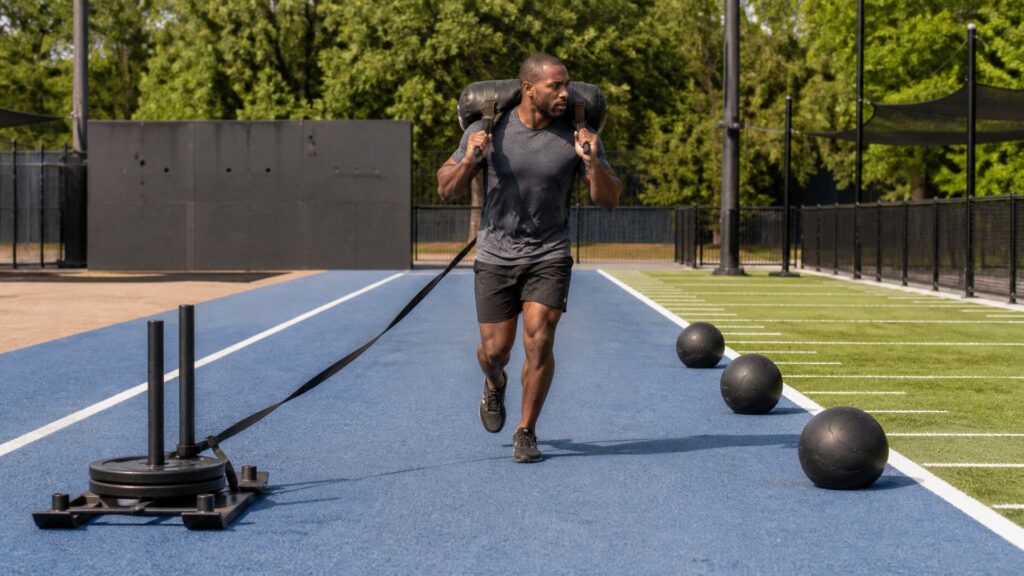
Why Functional Training Equipment Workout Role Matters

Workout role matters in functional training equipment because the same tool can serve very different jobs. A kettlebell might be used for strength, conditioning, loaded carries, warmups, skill practice, or accessory work. The equipment only makes sense when its role in the workout is clear.

Without a defined role, functional equipment can turn into random circuit gear. With a defined role, it becomes easier to choose the right tool, load, exercise, rest period, and progression.

By: Review Streets Research Lab
Updated: October 5, 2026
Explainer · 8-12 min read
functional training equipment workout role explainer hero image for Review Streets
What You'll Learn

How Workout Role Turns Equipment Into A Plan

A practical way to decide whether a functional tool belongs in strength work, conditioning, warmups, skill practice, or accessories.

  • Why the same tool can serve several different workout jobs
  • How strength, power, conditioning, and mobility roles change the setup
  • Where load, speed, rest, and technique should match the role
  • Why random circuits can hide weak programming
  • How to choose equipment that fills a real gap

Tip: Before adding a tool, decide what job it is supposed to do in the workout.

Definitions

Key Concepts Behind Functional Training Equipment Workout Role Matters

These concepts clarify the practical signals readers should check before choosing equipment or planning workouts.

Workout Role

Workout role is the job an exercise or tool serves inside a session.

  • Example: using sled pushes for conditioning rather than max strength
  • Check: name the role before choosing load and reps
  • Limit: one tool can have several roles but not all at once

Primary Lift

A primary lift is the main strength or power focus of a session.

  • Example: heavy kettlebell deadlifts as the main hinge pattern
  • Check: give it enough rest and attention
  • Limit: not every functional tool is ideal for heavy primary work

Accessory Work

Accessory work supports the main goal without being the main focus.

  • Example: band pulls after pressing exercises
  • Check: keep it tied to a clear need
  • Limit: too many accessories can clutter the workout

Conditioning Tool

A conditioning tool raises work capacity through repeated effort, pace, or intervals.

  • Example: battle rope intervals or sled pushes
  • Check: match effort and rest to the conditioning goal
  • Limit: conditioning should not destroy technique

Skill Practice

Skill practice uses a tool to improve coordination, timing, or control.

  • Example: learning kettlebell clean mechanics
  • Check: use loads that allow quality reps
  • Limit: fatigue can interfere with learning

Warmup Role

A warmup role prepares the body for later work without exhausting it.

  • Example: light band walks before lower-body training
  • Check: keep the work specific and manageable
  • Limit: warmups should not become the workout by accident

Tip: The best equipment choice is the one that matches the training job, available space, and user's current ability.

Purpose

Give Each Tool A Job Before The Session Starts

Functional tools can look flexible, but flexibility needs direction. The same sandbag can train strength, carries, conditioning, or grip depending on how it is loaded and placed in the session.

  • Decide whether the tool is primary, accessory, conditioning, skill, or warmup work.
  • Choose load and rest around that role.
  • Remove drills that do not support the day's goal.

A clear role keeps the equipment from becoming clutter.

Strength

Strength Roles Need Load And Recovery

When functional equipment is used for strength, the session needs enough resistance, stable technique, and rest between hard efforts. Treating every tool as circuit gear can make strength work too rushed.

  • Use loads that challenge the target pattern.
  • Rest long enough to keep reps clean.
  • Avoid speed when control is the main goal.

Strength work should feel deliberate, not random.

Conditioning

Conditioning Roles Need Pacing

Battle ropes, sleds, medicine balls, kettlebells, and carries can all build conditioning. The key is matching work intervals, rest, and technique standards to the user's capacity.

  • Pick intervals the user can repeat.
  • Stop before technique collapses.
  • Do not confuse exhaustion with useful conditioning.

Conditioning should be repeatable enough to train, not just survive.

Skill

Skill Roles Need Lower Fatigue

Some functional tools reward practice. Kettlebell cleans, medicine ball throws, and rope patterns require timing and coordination that fatigue can quickly degrade.

  • Practice new skills early in the session.
  • Use manageable loads.
  • Keep reps crisp and stop before form unravels.

Learning happens faster when the role is practice, not punishment.

Practical Check

Keep The Tool Only If It Fills A Gap

A piece of equipment earns its place when it does a job the plan needs. If it duplicates another tool or appears only because it is available, the workout may become busier without becoming better.

  • Identify the missing role.
  • Choose the simplest tool that fills it.
  • Review whether the tool still belongs after a few weeks.

The best role is specific enough to guide decisions.

Quick Reality Check

Where Workout Role Helps And Where It Has Limits

Role-based planning keeps functional equipment tied to useful training decisions.

Where It Helps

It clarifies load, reps, rest, order, and progression.

It prevents random circuits from replacing a coherent session.

Where It Falls Short

It does not choose the correct technique by itself.

A tool may still be unnecessary if another option fills the role better.

Common Myths

Misconceptions About Workout Role

Versatile equipment still needs a specific purpose.

Functional tools should always be used in circuits

Some tools work better as strength, skill, warmup, or accessory work.

More roles mean a better tool

A tool is useful when it fills the role the plan actually needs.

Harder always means better conditioning

Conditioning should be paced enough to repeat with acceptable technique.

Accessory work is optional filler

Good accessory work addresses a specific support need.

Tip: Treat strong claims as reasons to inspect the workout fit more closely.

FAQ

Frequently Asked Questions About Workout Role

Short answers for practical training and buying decisions.

Why does workout role matter?

It determines how the tool should be loaded, ordered, paced, and progressed.

Can one tool have several roles?

Yes, but the role should be clear for each session.

What is a common mistake?

Using every functional tool as circuit equipment, even when the goal is strength, skill, or preparation.

How do I pick the right role?

Start with the workout goal, then choose the tool that supports that job with the least confusion.

What is the practical takeaway?

Functional equipment works best when each tool has a defined job inside the plan.

Bottom Line

Workout role matters because functional training equipment can serve many jobs, but each session needs a clear one.

Defining the role makes load, order, rest, and progression easier to choose.

Next Steps

Go Deeper or Compare Your Options

Use these Review Streets paths to compare related categories and practical next decisions.