
Movement Pattern
A movement pattern is the repeated way the body moves during a sport or workout.
- Example: running strides versus cycling cadence
- Check: choose the matching sport mode
- Limit: one pattern does not explain every metric
Movement pattern matters for GPS sports watches because the watch interprets running, cycling, hiking, rowing, walking, swimming, and gym work through different sensor signals. Outdoor route movement creates GPS data, while indoor or wrist-heavy movement may depend more on accelerometers, heart-rate estimates, and sport modes.
A GPS sports watch is most useful when the movement pattern matches the way the device collects data. The user gets clearer feedback by choosing the right activity profile and interpreting route, pace, cadence, and effort in the context of the workout.
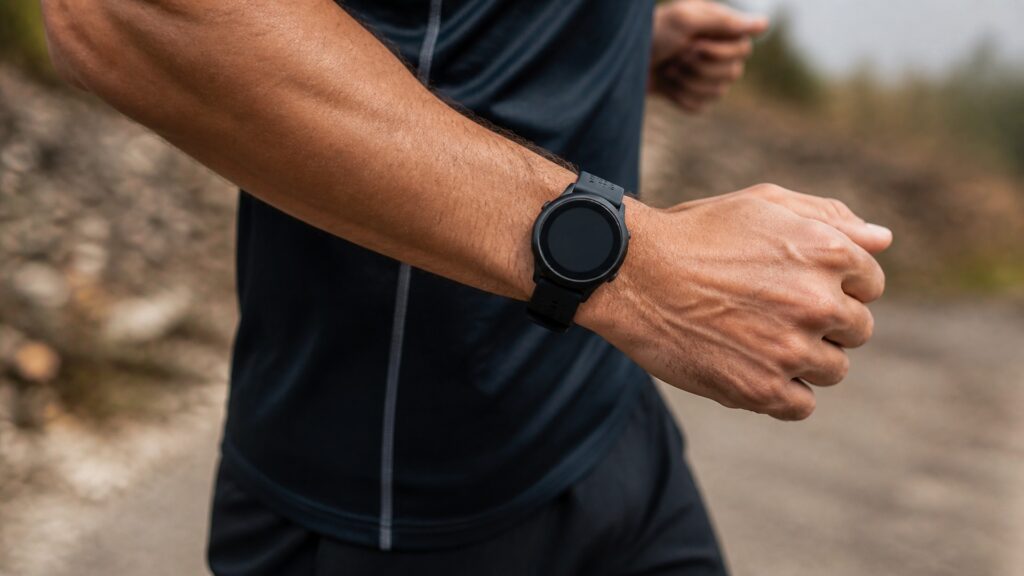
A practical look at why sport type, wrist motion, route movement, and sensor settings affect wearable tracking.
Tip: Match GPS watch data to the movement pattern behind the workout.
These concepts clarify the practical signals readers should check before choosing equipment or planning workouts.
A movement pattern is the repeated way the body moves during a sport or workout.
Route movement is activity through outdoor space that GPS can map.
Wrist motion is the movement the watch senses from its position on the arm.
Sport mode tells the watch what activity is being recorded.
Cadence signal is the repeated rhythm the watch estimates from movement.
Trend comparison means reviewing similar workouts over time.
Tip: The best equipment choice is the one that matches the training job, available space, and user's current ability.
GPS sports watches do not read every workout the same way. A run, ride, hike, swim, and indoor session each gives the device different signals to interpret.
The movement pattern shapes the meaning of the data.
GPS is strongest when the workout moves through outdoor space. Route, distance, elevation, and pace make more sense when the activity gives the watch a clear path to record.
Outdoor movement gives GPS its main job.
On machines or indoor workouts, GPS route data is usually less useful. Time, heart-rate trends, cadence, intervals, or machine data may matter more.
The setting changes which metrics matter.
A loose watch can reduce heart-rate quality and motion consistency. Secure fit helps the sensors read repeated movement with less noise.
Good fit makes the movement signal easier to read.
A watch summary is clearest when the user compares similar sessions. A hilly trail run, flat road run, indoor ride, and rowing session all need different context.
Movement context keeps the data useful.
Movement pattern explains why GPS watch data varies by sport.
It shows why different activities produce different watch metrics.
It helps users choose activity modes and compare workouts fairly.
It does not make GPS, wrist sensors, or app estimates perfect.
It cannot replace technique review, coaching, or judgment.
A sports watch needs movement context to be useful.
GPS matters most when the activity moves through outdoor space.
Manual sport modes often give cleaner context.
Different movement patterns need different interpretation.
Fit can affect motion and optical sensor readings.
Tip: Treat strong claims as reasons to inspect the workout fit more closely.
Short answers for practical training and buying decisions.
It changes which sensors and metrics are most useful.
Outdoor running, cycling, hiking, and walking usually benefit most from route tracking.
Indoor workouts often need time, cadence, effort, or machine data more than GPS.
Yes. Sport modes help the watch interpret the workout correctly.
Match the watch mode and data review to the movement pattern.
Movement pattern matters because GPS sports watches interpret each sport through different signals.
Use sport modes, fit, and like-for-like comparisons to make the data useful.
Use these Review Streets paths to compare related categories and practical next decisions.
Review how satellite, sensor, and app data work together.
See how watch features should support training decisions.
Compare sport feedback with dedicated indoor cardio equipment.
Choose a retailer
Prices checked regularly. We may earn a commission at no cost to you.