Why Lifting Belts Matter

Lifting belts matter because they change how a lifter organizes pressure and tension around the torso during heavy movements. A belt does not lift the weight for the user; it gives the abdomen and trunk a firm surface to brace against during squats, deadlifts, presses, and other loaded patterns.

That makes the belt a context tool, not a universal safety device. It can help some lifters create a more consistent brace under heavier loads, but it cannot replace technique, appropriate programming, or qualified coaching. The real explanation sits in breathing, pressure, belt placement, and movement demand.

By: Review Streets Research Lab
Updated: August 31, 2026
Explainer · 8-12 min read
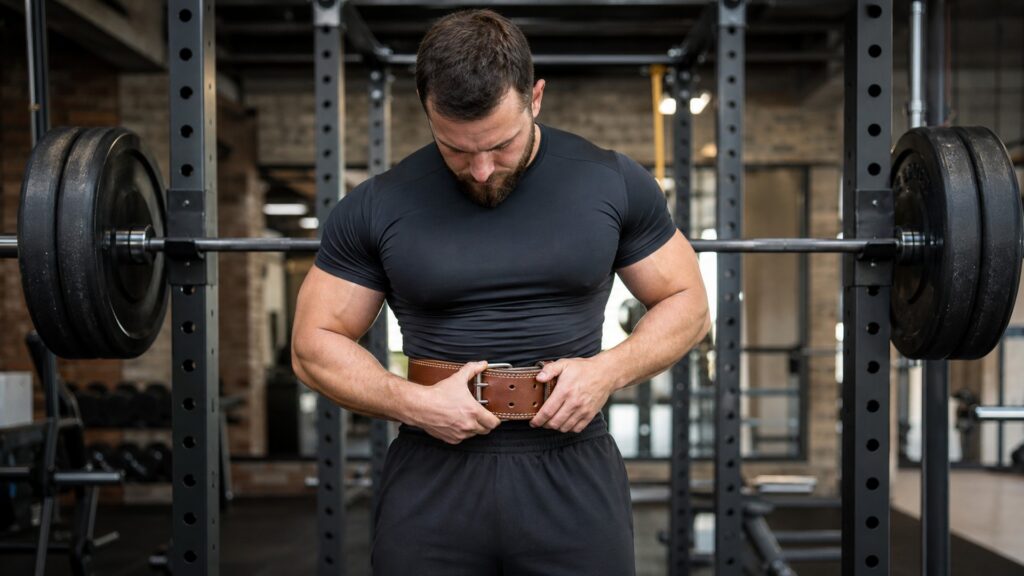
lifting belts explainer hero image for Review Streets
What You'll Learn

How a Lifting Belt Changes Bracing Under Load

A belt matters when the lift demands torso stiffness and the user knows how to brace into the belt rather than simply wearing it.

  • Why a belt provides a bracing surface instead of passive protection
  • How breathing and torso pressure interact with belt tightness
  • Which lifts usually make belt use more relevant
  • Why belt placement and thickness change comfort and setup
  • Where belts can hide weak technique or poor load choices
  • How to separate belt use from lifting straps or other accessories

Tip: For lifting belts, the useful first question is what condition the tool or metric changes.

Definitions

Key Concepts That Define Lifting Belts

These terms explain the belt as a bracing tool rather than a passive shield.

Lifting belt

A lifting belt is a stiff band worn around the torso to give the lifter a surface to brace against.

  • It is most relevant during heavier loaded movements.
  • It does not lift the weight or correct technique by itself.
  • Its usefulness depends on placement, tightness, and bracing skill.

Bracing

Bracing is the deliberate organization of breath, abdominal pressure, and trunk tension before and during a lift.

  • The belt can make the brace easier to feel.
  • A poor brace can remain poor even with a belt.
  • Bracing should match the lift and load.

Torso stiffness

Torso stiffness is the lifter's ability to keep the trunk organized while force moves through the body.

  • Squats and deadlifts make this demand obvious.
  • Stiffness does not mean holding a painful or rigid posture.
  • It helps transfer force without treating the belt as armor.

Intra-abdominal pressure

Intra-abdominal pressure is pressure created inside the trunk during breathing and bracing.

  • A belt gives that pressure a surface to press into.
  • The concept explains feedback, not guaranteed safety.
  • It depends on the lifter's active setup.

Belt tightness

Belt tightness is the fit choice that balances feedback with breathing room.

  • Too loose may provide little cueing.
  • Too tight can make the brace awkward or uncomfortable.
  • Different lifts and torso shapes can call for different settings.

Loaded compound lift

A loaded compound lift is a movement such as a squat, deadlift, hinge, or press that asks multiple joints and the torso to coordinate under load.

  • These lifts often make bracing more important.
  • They are where belts usually make the most sense.
  • The lift still needs appropriate load selection and technique.

Tip: A belt only becomes meaningful when the lifter actively breathes and braces into it.

Bracing Surface

A Belt Gives the Torso Something to Brace Against

The belt's main job is to create a firm boundary around the midsection. When the lifter breathes and braces into that boundary, the torso can feel more organized under a heavy load.

  • The belt does not create bracing by itself.
  • The user must actively press the abdomen and trunk into the belt.
  • A useful brace supports the lift without forcing a painful position.
  • The effect is most relevant when torso stiffness is a limiting factor.
  • The belt changes feedback as much as it changes support.

A lifting belt matters because it can make bracing more tangible.

Movement Context

Heavy Compound Lifts Make the Belt More Relevant

Belts usually matter most in movements where the torso must transfer force while the load tries to fold, extend, or rotate the body. Squats, deadlifts, heavy hinges, and some presses create that demand more clearly than small isolation exercises.

  • A squat asks the torso to stay organized while the legs move the load.
  • A deadlift asks the trunk to hold position during a hinge and pull.
  • A heavy press can demand bracing to control rib and pelvis position.
  • Light accessory work may not need the same bracing feedback.
  • The lift pattern should justify the belt, not the other way around.

The belt belongs where bracing is central to the movement.

Setup

Tightness and Placement Change the Result

A belt that is too loose offers little feedback, while a belt that is too tight can block breathing or make the setup awkward. Width, thickness, buckle style, and torso shape all affect how usable the belt feels.

  • The belt should allow a deliberate breath and brace.
  • Placement may differ between squats, deadlifts, and presses.
  • Thicker belts can feel stable but harder to position.
  • Lever, prong, and Velcro closures change adjustment speed.
  • Comfort matters because the brace has to be repeatable.

The practical value of a belt depends on setup precision, not just ownership.

Limits

A Belt Does Not Guarantee Safety or Better Technique

A belt can support a bracing strategy, but it cannot make an unsafe load appropriate or correct movement errors automatically. Treating it as protection can encourage heavier attempts before the lifter has earned them.

  • Poor bar path or rushed setup can remain poor with a belt.
  • A belt may mask inconsistent breathing or trunk control.
  • Some lifters use belts too early because the gear feels serious.
  • Injury concerns require qualified evaluation, not accessory selection.
  • Training without a belt may still be useful for skill and awareness.

The belt matters only inside a sound lifting context.

Decision Use

Use the Belt When Bracing Is the Actual Bottleneck

The decision to use a belt should come from the lift and load. If grip is failing, straps may be the relevant accessory; if balance or mobility is the issue, the belt may not address the problem.

  • Ask whether the target lift needs more torso-pressure feedback.
  • Use the belt consistently enough to practice the same brace.
  • Avoid changing several variables at once when evaluating its effect.
  • Do not treat beltless work as automatically inferior.
  • Keep symptoms, pain, and medical concerns outside gear-based conclusions.

A lifting belt matters when it solves a bracing problem, not when it becomes a symbol of serious training.

Quick Reality Check

Where Lifting Belts Helps and Where the Explanation Needs Limits

A balanced view of what lifting belts clarifies, plus what the concept should not be stretched to prove.

What Lifting Belts Clarifies

Lifting Belts helps readers connect the category name to actual mechanisms, setup choices, and use conditions.

It also makes comparison more honest by separating the main job from marketing claims or vague performance language.

Where the Shortcut Breaks Down

The explanation cannot prove that one product, score, or accessory is best for every body, routine, or training goal.

It also cannot replace qualified guidance for pain, symptoms, health concerns, or individualized programming.

Common Myths

Misconceptions About Lifting Belts

Common shortcuts and misunderstandings can make the topic seem simpler than it is.

Lifting Belts is only about preference

Preference matters, but the category also has real mechanics. Sensor placement, bracing, elastic tension, pressure method, or setup can change how the tool behaves.

More advanced always means more useful

A feature-rich device or accessory can still be a poor match if it does not solve the actual tracking, support, resistance, or recovery problem.

One metric or feature tells the whole story

A single score, material, attachment, or device format needs context from fit, setup, exercise type, routine, and the user's reason for using it.

If it feels helpful once, it is always the right choice

A useful first session does not prove the tool fits every workout. Conditions, fatigue, exercise selection, and setup quality can change the result.

Fitness gear can replace professional guidance

Consumer fitness tools can support training decisions, but health concerns, persistent pain, unusual symptoms, or complex programming questions need qualified human judgment.

Tip: A belt deserves credit for bracing feedback, not for magical protection or automatic technique improvement.

FAQ

Frequently Asked Questions About Lifting Belts

Concise answers to common questions readers may have after the main explanation.

What is the simplest way to understand lifting belts?

Start by identifying the main job: what signal, load, support, pressure, or decision the tool changes. Then judge the category by that job.

Is lifting belts always important?

No. Its importance depends on the activity, training goal, user tolerance, setup quality, and whether the issue it addresses is actually limiting the session.

Can the same tool work for beginners and advanced users?

Often yes, but the reason may differ. A beginner may need structure or simplicity, while an advanced user may need precision around a specific bottleneck.

What is the biggest mistake when comparing options?

The biggest mistake is treating the category label as the explanation. The better comparison follows mechanism, fit, adjustment, limits, and use context.

Can this prevent injury or guarantee better results?

No. Fitness products and metrics can support decisions, but they should not be presented as guarantees of safety, recovery, performance, or health outcomes.

Bottom Line

Lifting belts matter because they can make bracing more consistent when heavy lifts demand torso pressure and control.

They are not safety guarantees or shortcuts around technique. The belt is useful when the lift, load, placement, and breathing strategy all point to a real bracing need.

Next Steps

Go Deeper or Compare Your Options

Use these Gym Accessories explainers to compare belt bracing with strap-assisted grip and other portable support tools.

Quick Summary

Lifting Belts Explained

  • A lifting belt gives the torso a surface to brace against.
  • The user must actively create the brace.
  • Heavy squats, deadlifts, hinges, and some presses make belt use more relevant.
  • Tightness and placement change comfort and feedback.
  • Belts do not guarantee safety or fix poor technique.