Why Recovery Tools Matter

Recovery tools matter because they give exercisers a repeatable way to apply pressure, movement, vibration, compression, or positioning around training. Foam rollers, massage guns, mobility balls, compression gear, and stretching aids do not all work the same way, but they share one practical purpose: making recovery routines easier to perform consistently.

Their importance should stay realistic. A tool can help someone organize warmups, cooldowns, comfort work, or mobility practice, but it does not erase poor programming, treat injuries, or guarantee faster adaptation. The mechanism is support around training, not magic after training.

By: Review Streets Research Lab
Updated: August 31, 2026
Explainer · 8-12 min read
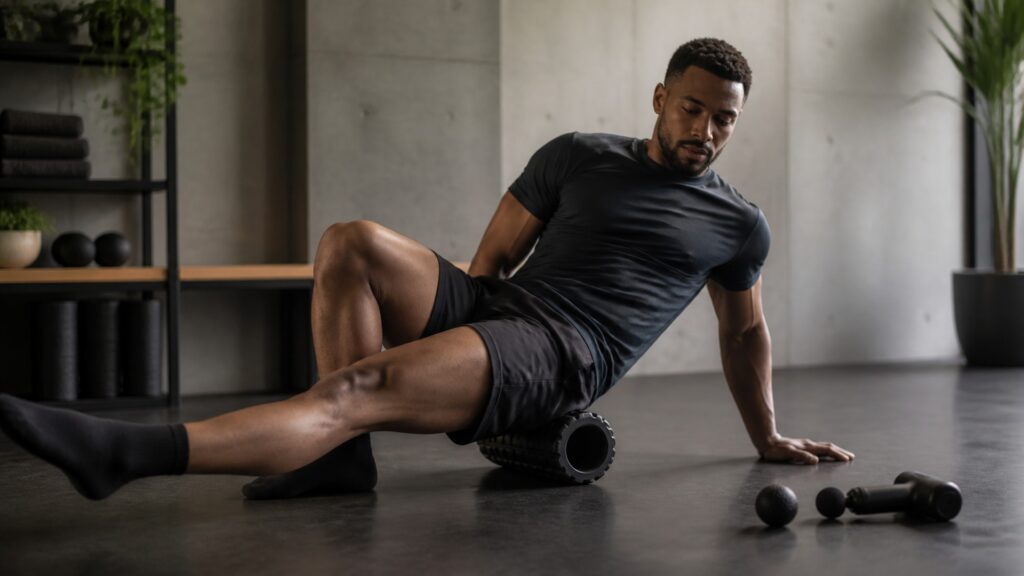
recovery tools explainer hero image for Review Streets
What You'll Learn

How Recovery Tools Support the Space Around Workouts

Recovery tools matter when they make pressure, movement, or routine structure easier to apply while keeping claims modest.

  • How rollers, massage guns, compression, and mobility tools differ by mechanism
  • Why user-controlled pressure changes the experience
  • How tools can support warmup or cooldown routines
  • Where comfort and perceived soreness differ from medical treatment
  • Why too much pressure can be counterproductive
  • How to place recovery tools inside a broader training routine

Tip: For recovery tools, the useful first question is what condition the tool or metric changes.

Definitions

Key Concepts That Define Recovery Tools

These terms keep recovery tools grounded in the physical input they deliver instead of the outcome claims often attached to them.

Recovery tool

A recovery tool is gear used around training to apply pressure, vibration, compression, movement assistance, or positioning.

  • It can make warmup or cooldown routines more repeatable.
  • It may change comfort or body awareness.
  • It should not be framed as a cure or guaranteed adaptation shortcut.

Soft-tissue pressure

Soft-tissue pressure is force applied to muscles or surrounding tissue through a roller, ball, hand, or device head.

  • Broad pressure feels different from narrow pressure.
  • User position controls how intense a roller feels.
  • Sharp pain is not proof that the tool is working.

Percussive vibration

Percussive vibration is the repeated pulsing action used by many massage guns.

  • It concentrates input through a small attachment.
  • Speed and pressure change the sensation.
  • It can be convenient, but it does not replace load management.

Mobility routine

A mobility routine uses repeated positions or movements to explore range and control.

  • Tools can make positions easier to set up.
  • The routine should match the movement the user cares about.
  • Mobility work is not the same as treating an injury.

Pressure tolerance

Pressure tolerance is how much pressure or vibration a user can apply comfortably and repeatably.

  • Tolerance varies by area, fatigue, and personal preference.
  • More intensity is not automatically more useful.
  • A tolerable dose is easier to repeat consistently.

Use boundary

A use boundary marks the point where recovery gear stops being a product decision and becomes a health or programming question.

  • Persistent pain, numbness, swelling, or unusual symptoms sit beyond gear comparison.
  • Recovery tools cannot undo poor sleep or excessive workload.
  • Knowing the boundary keeps claims honest.

Tip: For recovery gear, distinguish a controllable sensation from a promised physiological outcome.

Mechanism

Recovery Tools Apply a Physical Input Around Training

Most recovery tools matter because they create a controllable input: pressure from a roller, vibration from a massage gun, compression from sleeves, or leverage from a mobility tool. The user decides where, how long, and how intensely to apply it.

  • Foam rollers use bodyweight pressure across a broad surface.
  • Massage guns use repeated pulses over a smaller contact area.
  • Compression gear applies sustained external pressure.
  • Mobility tools help position a joint or tissue through a range.
  • The effect depends on tolerance, placement, and timing.

The tool is a delivery method for pressure, vibration, compression, or positioning.

Routine Design

Tools Make Recovery Behaviors Easier to Repeat

A recovery tool can matter even when its physiological claims are modest. It gives the user a clear action before or after training, which can make warmups, cooldowns, and self-checks less vague.

  • A short rolling routine can focus attention on tight-feeling areas.
  • A massage gun can make targeted pressure easier than using bodyweight.
  • A mobility strap can make positions easier to repeat.
  • A consistent routine can reveal what usually feels restricted.
  • The routine should not become a substitute for appropriate training load.

Repeatability is one of the category's most practical benefits.

Tradeoffs

Pressure Is Useful Only When It Is Tolerable

Recovery tools invite the idea that more intensity means a better result. In practice, excessive pressure or vibration can make a session unpleasant and may encourage the user to ignore signals that deserve attention.

  • Mild discomfort and sharp pain should not be treated as the same thing.
  • Small contact areas can feel intense quickly.
  • Long sessions can crowd out sleep, food, and sensible programming.
  • A tool that is hard to use may not get used consistently.
  • The best pressure level is the one the user can control and repeat.

A recovery tool matters most when it supports awareness rather than forcing intensity.

Limits

Recovery Gear Does Not Replace Load Management

Recovery tools sit around the workout, not above it. They cannot undo poor sleep, excessive volume, poor technique, illness, or an injury that needs qualified care.

  • A tool may change comfort without solving the reason soreness appeared.
  • Perceived relief is useful but should not be exaggerated into treatment claims.
  • Recovery routines need to coexist with rest, nutrition, and sensible workload.
  • Persistent or unusual pain is outside a product-comparison decision.
  • Marketing language can outrun the evidence behind a device.

The limit is straightforward: tools can support recovery habits, but they do not control recovery alone.

User Context

The Right Tool Depends on the Problem It Helps Organize

A runner with tight-feeling calves, a lifter who wants a quick warmup routine, and a desk worker returning to training may all use recovery tools differently. The useful match starts with the action the tool makes easier.

  • Choose broad pressure when the goal is general rolling.
  • Choose targeted pressure only when the user can control placement.
  • Choose mobility aids when position and range are the main tasks.
  • Avoid tools that create more irritation than useful feedback.
  • Keep medical concerns separate from gear selection.

Recovery tools matter when they help a repeatable routine, not when they promise to solve every recovery problem.

Quick Reality Check

Where Recovery Tools Helps and Where the Explanation Needs Limits

A balanced view of what recovery tools clarifies, plus what the concept should not be stretched to prove.

What Recovery Tools Clarifies

Recovery Tools helps readers connect the category name to actual mechanisms, setup choices, and use conditions.

It also makes comparison more honest by separating the main job from marketing claims or vague performance language.

Where the Shortcut Breaks Down

The explanation cannot prove that one product, score, or accessory is best for every body, routine, or training goal.

It also cannot replace qualified guidance for pain, symptoms, health concerns, or individualized programming.

Common Myths

Misconceptions About Recovery Tools

Common shortcuts and misunderstandings can make the topic seem simpler than it is.

Recovery Tools is only about preference

Preference matters, but the category also has real mechanics. Sensor placement, bracing, elastic tension, pressure method, or setup can change how the tool behaves.

More advanced always means more useful

A feature-rich device or accessory can still be a poor match if it does not solve the actual tracking, support, resistance, or recovery problem.

One metric or feature tells the whole story

A single score, material, attachment, or device format needs context from fit, setup, exercise type, routine, and the user's reason for using it.

If it feels helpful once, it is always the right choice

A useful first session does not prove the tool fits every workout. Conditions, fatigue, exercise selection, and setup quality can change the result.

Fitness gear can replace professional guidance

Consumer fitness tools can support training decisions, but health concerns, persistent pain, unusual symptoms, or complex programming questions need qualified human judgment.

Tip: Recovery gear claims should stay anchored to the input the tool delivers: pressure, vibration, compression, or positioning.

FAQ

Frequently Asked Questions About Recovery Tools

Concise answers to common questions readers may have after the main explanation.

What is the simplest way to understand recovery tools?

Start by identifying the main job: what signal, load, support, pressure, or decision the tool changes. Then judge the category by that job.

Is recovery tools always important?

No. Its importance depends on the activity, training goal, user tolerance, setup quality, and whether the issue it addresses is actually limiting the session.

Can the same tool work for beginners and advanced users?

Often yes, but the reason may differ. A beginner may need structure or simplicity, while an advanced user may need precision around a specific bottleneck.

What is the biggest mistake when comparing options?

The biggest mistake is treating the category label as the explanation. The better comparison follows mechanism, fit, adjustment, limits, and use context.

Can this prevent injury or guarantee better results?

No. Fitness products and metrics can support decisions, but they should not be presented as guarantees of safety, recovery, performance, or health outcomes.

Bottom Line

Recovery tools matter when they make warmup, cooldown, pressure, or mobility routines easier to apply consistently.

Their limits matter just as much. A roller, massage gun, or compression sleeve can support the space around training, but it cannot substitute for rest, sensible workload, or medical guidance when concerns appear.

Next Steps

Go Deeper or Compare Your Options

Use these related explainers to compare recovery-tool mechanisms and separate them from lifting-support accessories.

Why Lifting Belts Matter

Use this next when the support question turns from general gym accessories to bracing under loaded lifts.

Quick Summary

Recovery Tools Explained

  • Recovery tools deliver pressure, vibration, compression, or positioning.
  • Routine consistency can be more defensible than dramatic outcome claims.
  • Pressure should be controllable and tolerable.
  • Comfort changes should not be overstated as treatment.
  • Persistent pain or symptoms need qualified guidance.