
Reliability
The probability that a vehicle or system performs its intended function for a specified time and conditions.
- Conditions must be defined
- Minor and major failures count differently
- Past data estimates rather than guarantees
Vehicle reliability is the likelihood that a vehicle performs its required functions over time and use. It is broader than an engine reaching high mileage. Starting, charging, braking, steering, cooling, climate control, driver assistance, hardware, software, and warnings all contribute to dependable transportation.
Two failures with equal frequency can create very different outcomes. A trim rattle is inconvenient; an intermittent no-start can strand a driver; a cooling fault can turn a leak into major damage. The question is not simply which model breaks least. Consider fault patterns and consequences, maintenance, repair access, parts and technician support, warranty, climate, mileage, duty, and evidence from the individual vehicle.
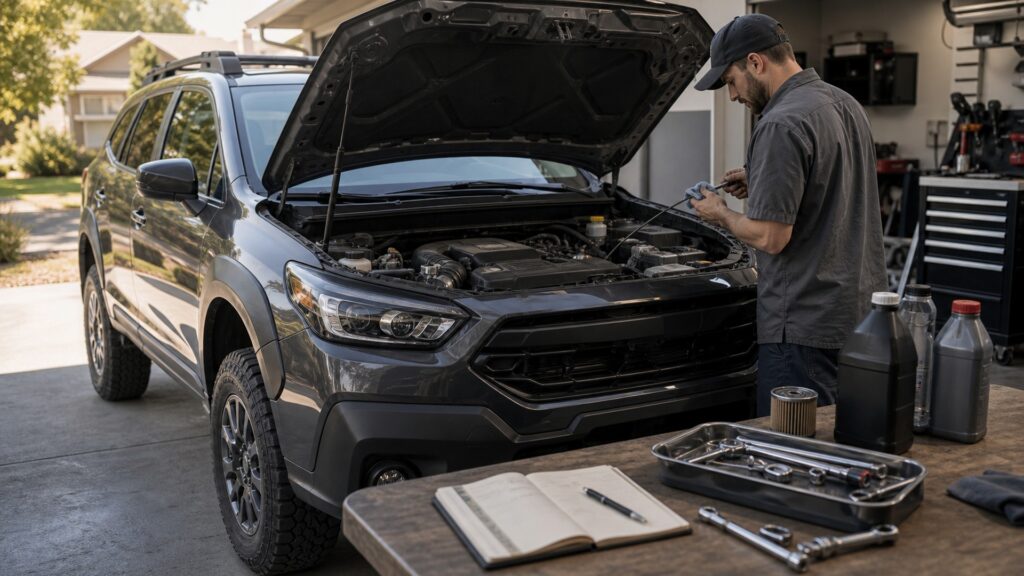
Combine population evidence with the exact vehicle's age, configuration, history, present condition, service network, and mission.
Tip: A reliable model can be a poor example after neglect, collision repair, flooding, modification, or skipped fluids. A less celebrated model may serve well when its known issues were corrected and the vehicle was maintained for its operating conditions.
These terms distinguish dependable operation from durability, easy repair, and simple absence of recalls.
The probability that a vehicle or system performs its intended function for a specified time and conditions.
The ability of materials and components to resist wear, fatigue, corrosion, heat, and aging over accumulated use.
The share of time a vehicle is ready for use, reflecting both failures and how quickly service restores it.
How readily inspection, servicing, diagnosis, and repair can be completed correctly.
The real pattern of trips, loads, speeds, temperatures, idling, towing, charging, and storage imposed on a vehicle.
Dated evidence of maintenance, diagnosis, campaigns, repairs, parts, fluids, and mileage for one vehicle.
Tip: Use them to compare the practical interruption a fault creates, not just the number of complaints attached to a nameplate.
Small defects may irritate without preventing travel; a cooling, charging, immobilizer, or safety-system fault can remove the vehicle from service. Compare how often faults arise, whether warning arrives, and what happens if repair is delayed.
One failure count cannot express radically different outcomes.
A component can be inexpensive yet leave a vehicle parked while an intermittent symptom is reproduced or a backordered module arrives. Common platforms, accessible service information, local expertise, modular parts, and warranty support can improve availability.
Dependability includes how efficiently the vehicle returns to use.
Repeated cold starts, short trips, stop-and-go heat, road salt, desert temperatures, rough roads, heavy payload, towing, fast charging, or long storage stress different fluids, seals, bearings, brakes, batteries, cooling circuits, and suspension parts.
Another owner's easy life may not predict your demanding one.
Oil, coolant, filters, brake fluid, transmission service, tire care, software, inspections, and corrosion protection work when their intervals and specifications match the vehicle. Deferred leaks or warnings can damage adjacent systems.
Good maintenance reduces preventable failures; it cannot promise a defect-free machine.
A pre-purchase review should check identification, open recalls, warning lamps, readiness monitors, fluid condition, leaks, tires, brakes, underbody, collision signs, accessories, charging, climate control, and behavior cold and hot.
Model history narrows the questions; the actual vehicle answers them.
The useful measure combines fault likelihood, seriousness, warning, repairability, parts support, downtime, cost, and whether the vehicle can fulfill its intended mission.
Consistent records, completed campaigns, clean cold and warm operation, healthy fluids and tires, credible diagnostic data, an independent inspection, and accessible parts and expertise support a reliable purchase decision.
The design's known failure modes are understood, affordable within the owner's reserve, and compatible with climate, trip length, annual mileage, cargo, towing, charging, and expected ownership period.
Intermittent warnings, overheating history, repeated battery replacement, fluid mixing or loss, unfinished diagnosis, scarce modules, structural corrosion, flood or collision evidence, modifications, missing records, and seller resistance to inspection raise uncertainty.
No score or brand reputation guarantees one used vehicle. Walk away or price contingencies when inspection access, history, parts support, or the financial consequence of failure does not fit the mission.
Reliability myths confuse reputation, maintenance, recalls, or high mileage with a guarantee about one vehicle.
Platforms, engines, transmissions, batteries, software, suppliers, factories, model years, options, and duty cycles differ within a badge. Study the exact configuration, then inspect the individual vehicle rather than transferring a corporate reputation wholesale.
Maintenance controls contamination, wear, adjustment, and early detection, but random defects, aging electronics, material fatigue, corrosion, software faults, collision damage, and design weaknesses can still occur despite complete service records.
A recall addresses a safety-related defect or noncompliance, not general failure frequency. One model may have a recall and strong everyday dependability; another may lack recalls yet generate expensive non-safety repairs.
Mileage records use, while age advances corrosion, seal hardening, battery degradation, fluid aging, wiring exposure, and obsolescence. Highway miles can be gentle; short trips and long storage can be demanding.
Tip: A sound decision uses multiple evidence layers and gives the most weight to costly, safety-relevant, or use-ending failure paths.
These answers turn reliability from a badge-level claim into an inspection, use-case, and ownership-reserve decision.
Use several: model- and powertrain-specific owner data, technical service information, recall records, warranty trends where available, qualified repair experience, and an independent inspection. Each source sees different failures and carries different selection bias.
More modules and software add possible faults, yet electronic control can improve protection, diagnosis, efficiency, and mechanical life. Architecture, validation, suppliers, updates, repair support, and component quality matter more than electronics count alone.
Strong records confirm timing, specifications, mileage, recurring repairs, and ownership behavior, materially reducing uncertainty. They do not replace inspection because undocumented work, present wear, collision damage, and emerging faults may still exist.
A service contract may transfer some covered repair cost, but exclusions, deductibles, claim authorization, labor rates, diagnosis, parts delays, rental limits, and provider stability remain. It does not prevent breakdowns or eliminate downtime.
Walk away when probable failure consequences exceed the budget or tolerance for downtime, essential diagnosis is refused, parts or expertise are unavailable, structural or flood damage is credible, or the vehicle cannot meet its mission reliably.
Vehicle reliability matters because transportation value disappears when faults, uncertain diagnosis, unavailable parts, or long repairs keep the vehicle from its job. Frequency, consequence, warning, maintainability, and downtime belong in the same evaluation.
Use reputation to form questions, then rely on configuration-specific history, VIN checks, records, cold and warm testing, independent inspection, local repair support, and a reserve sized for the failures that would matter most.
Related explainers connect dependable operation to system interactions, safety-test evidence, and the body-format tradeoffs that change wear, tires, loads, and repair exposure.
Trace propulsion, braking, electrical, cooling, tire, and controller dependencies to understand how one fault can interrupt several functions.
Keep recall, crash-test, and driver-assistance evidence separate from general dependability while evaluating both.
Compare SUV and sedan mass, tires, cargo packaging, aerodynamics, and mission before assuming either format is inherently more reliable.
Choose a retailer
Prices checked regularly. We may earn a commission at no cost to you.