
Why Weighted Training Gear Movement Pattern Matters

Movement pattern matters in weighted training gear because added load changes exercises differently depending on how the body moves. A vest during squats, ankle weights during leg lifts, wrist weights during punches, and a belt during pull-ups all affect mechanics in different ways.

The same amount of weight can be helpful in one pattern and distracting in another. The key question is whether the added load supports the movement pattern or changes it into something less useful.

By: Review Streets Research Lab
Updated: October 5, 2026
Explainer · 8-12 min read
weighted training gear movement pattern explainer hero image for Review Streets
What You'll Learn

How Movement Patterns Shape Weighted Gear Fit

A practical look at load placement, body position, range, speed, and control.

  • Why load placement changes each movement pattern
  • How centered load differs from limb load
  • Where speed and swinging motions need caution
  • Why range of motion should stay consistent
  • How to judge whether a pattern is ready for weight

Tip: The load should fit the movement pattern, not force the movement to fit the load.

Definitions

Key Concepts Behind Weighted Training Gear Movement Pattern Matters

These concepts clarify the practical signals readers should check before choosing equipment or planning workouts.

Movement Pattern

A movement pattern is the basic action being trained, such as squatting, pushing, pulling, walking, hinging, or rotating.

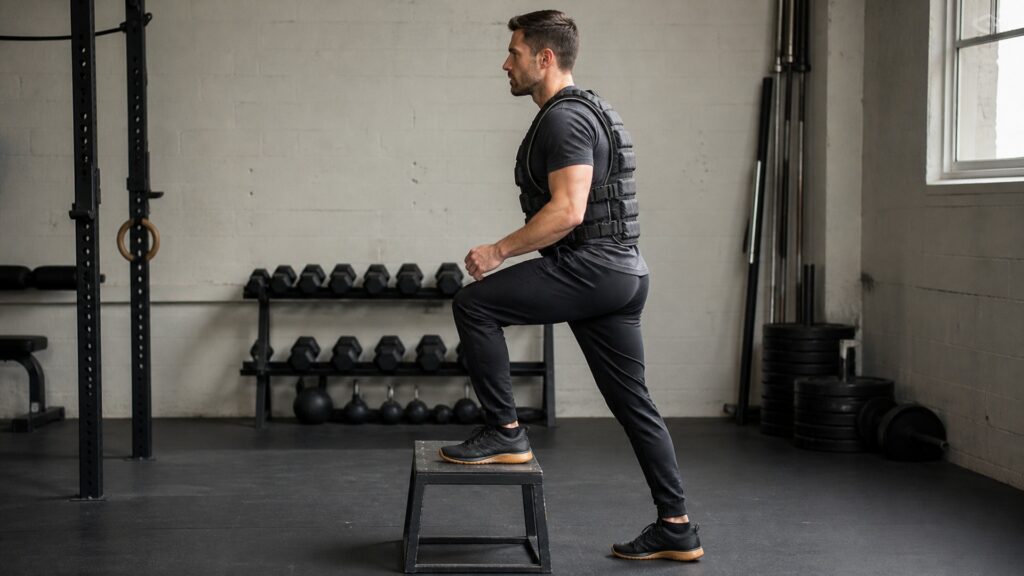
  • Example: a weighted vest during step-ups
  • Check: name the pattern before adding load
  • Limit: one load style does not fit every pattern

Centered Load

Centered load keeps resistance close to the torso.

  • Example: a weighted vest during squats
  • Check: watch posture and balance
  • Limit: centered load still increases total demand

Limb Load

Limb load places weight on wrists or ankles.

  • Example: ankle weights during leg raises
  • Check: watch joint comfort and control
  • Limit: small weights can create large changes at the limb

Range Control

Range control is keeping the intended range of motion under load.

  • Example: same squat depth with and without a vest
  • Check: compare loaded and unloaded reps
  • Limit: load often shortens range when too heavy

Speed Sensitivity

Speed sensitivity is how much a movement changes when performed quickly with load.

  • Example: wrist weights during fast punches
  • Check: be cautious with swinging or ballistic drills
  • Limit: fast limb loading can raise joint stress

Pattern Readiness

Pattern readiness is whether the movement is stable enough to load.

  • Example: consistent lunges before adding a vest
  • Check: look for repeatable balance and alignment
  • Limit: readiness differs by exercise

Tip: The best equipment choice is the one that matches the training job, available space, and user's current ability.

Main Decision

Match The Load To The Pattern

Weighted gear should support the movement pattern being trained. A vest may suit squats or step-ups, while wrist or ankle weights can be more disruptive in fast limb movements.

  • Name the pattern first.
  • Choose load placement second.
  • Compare loaded reps with unloaded reps.

The movement pattern should decide the gear.

Placement

Centered Load Usually Behaves Differently

Load near the torso often changes total effort without pulling as strongly on the limbs. That can make vests easier to manage for many strength and walking drills.

  • Use centered load for many controlled movements.
  • Watch posture and breathing.
  • Keep load low enough to preserve range.

Centered load is not automatically safe, but it is often easier to control.

Limb Loading

Wrist And Ankle Weights Need More Caution

Weight at the end of a limb can change leverage, rhythm, and joint stress. It may be useful for controlled drills but less appropriate for fast or swinging movements.

  • Start very light.
  • Avoid uncontrolled swinging.
  • Stop if the movement path changes.

Small limb weights can have an outsized effect.

Range

Loaded Range Should Stay Honest

If added weight shortens range, changes alignment, or makes the user avoid the hardest part of the movement, the pattern may not be ready for load.

  • Keep depth, reach, and control consistent.
  • Use less weight when range changes.
  • Progress after the same pattern is repeatable.

A heavier partial rep is not always better training.

Practical Check

Test The Pattern Before Progressing

The best check is simple: compare unloaded movement with lightly loaded movement. If the pattern stays clean and the added effort is useful, progression may make sense.

  • Film or observe a few reps.
  • Check balance and comfort.
  • Increase load only after clean repetition.

Good weighted gear keeps the pattern recognizable.

Quick Reality Check

Where Movement Pattern Checks Help And Where They Have Limits

Pattern checks show whether weighted gear supports the exercise or distorts it.

Where They Help

They reveal whether load placement matches squats, pulls, walking, core work, or limb drills.

They help prevent small weights from changing mechanics unexpectedly.

Where They Fall Short

They do not replace coaching or medical guidance for pain.

A clean pattern may still need slower progression.

Common Myths

Misconceptions About Weighted Gear Movement Patterns

The same weight does not behave the same everywhere.

All five-pound loads are equal

Five pounds on the torso is different from five pounds at the ankle or wrist.

If a movement is easy unloaded, it is ready for weight

Balance, range, and control still need to hold under load.

Fast drills benefit from added limb weight

Fast limb loading can change mechanics and stress joints.

More range loss is just normal difficulty

Lost range can mean the load is too heavy or poorly placed.

Tip: Treat strong claims as reasons to inspect the workout fit more closely.

FAQ

Frequently Asked Questions About Movement Patterns

Short answers for practical training and buying decisions.

Why does movement pattern matter?

Because load placement affects squats, pulls, walking, rotation, and limb movements differently.

Are weighted vests safer than ankle weights?

They are often easier to control for many drills, but fit, load, and movement still matter.

When should I avoid limb weights?

Use caution with fast, swinging, or poorly controlled movements.

How do I know the pattern is ready?

The loaded version should keep similar range, balance, alignment, and control.

What is the practical takeaway?

Choose weighted gear only when the movement pattern stays clean under load.

Bottom Line

Movement pattern matters because weighted gear changes each exercise according to load placement, speed, and control.

The right gear adds challenge while keeping the original movement recognizable and repeatable.

Next Steps

Go Deeper or Compare Your Options

Use these Review Streets paths to compare related categories and practical next decisions.