
Secure Fit
Secure fit means the gear stays in place during the full exercise.
- Example: a vest that does not bounce during walking
- Check: test easy reps before hard sets
- Limit: loose gear can shift load unexpectedly
Safety factors matter in weighted training gear because added load changes balance, fatigue, joint stress, heat, fit, and movement quality. A weighted vest, ankle weight, wrist weight, or belt can feel simple, but poor fit or too much load can change the exercise quickly.
Good safety checks keep weighted gear useful. The goal is not to avoid challenge. The goal is to add load in a way the user can control, repeat, and recover from.
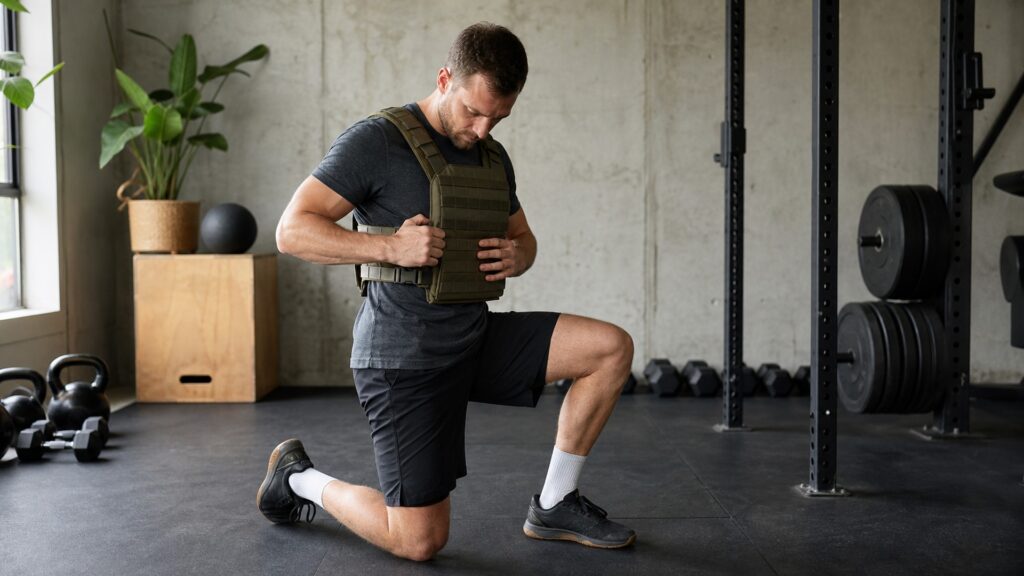
A practical look at fit, load amount, placement, fatigue, heat, and movement control.
Tip: A weighted tool is useful only when the user can control it.
These concepts clarify the practical signals readers should check before choosing equipment or planning workouts.
Secure fit means the gear stays in place during the full exercise.
Load amount is how much weight is added to the movement.
Load placement is where the weight sits on the body.
Fatigue control is stopping or adjusting before tired movement becomes sloppy.
Heat and comfort describe how gear affects temperature, breathing, rubbing, and focus.
A joint signal is discomfort, awkward pressure, or pain that suggests the load is not fitting the movement.
Tip: The best equipment choice is the one that matches the training job, available space, and user's current ability.
Weighted gear should stay secure during the actual movement. A vest that bounces or ankle weights that slide can change mechanics and distract the user.
Fit is the first safety check.
Weighted gear can make familiar drills feel manageable at first, then become sloppy as fatigue builds. Starting light helps the user see whether the movement still works.
A safe load is one the user can control late in the set.
Torso load, wrist load, ankle load, and belt load all affect the body differently. Load at the end of a limb can change leverage more than the same weight near the center.
Placement is a safety decision, not just a comfort preference.
As the user tires, weighted gear can change posture, breathing, balance, or range of motion. The session should stop or adjust before the movement breaks down.
Fatigue turns small load problems into bigger ones.
Weighted gear should challenge muscles and conditioning without creating sharp pain, awkward pressure, or persistent irritation. Discomfort is useful information.
The right gear should feel challenging, not wrong.
Safety checks make added load more predictable, but they do not make every drill appropriate.
They reveal problems with fit, load, placement, heat, fatigue, and joint comfort.
They help users progress without losing movement quality.
They cannot make painful gear suitable.
They cannot replace qualified guidance for injury or medical concerns.
Simple gear still needs careful setup.
Small loads can still change mechanics when placed at the wrists or ankles.
Shifting load can alter posture and control.
Heat and discomfort can reduce quality and increase risk.
Pain is a signal to stop, reduce load, or choose another tool.
Tip: Treat strong claims as reasons to inspect the workout fit more closely.
Short answers for practical training and buying decisions.
Check fit, load amount, load placement, movement quality, heat, and joint comfort.
They can be used cautiously for controlled drills, but they can change leverage and joint demand.
Start light enough that posture, breathing, range, and comfort stay consistent.
Stop when pain, slipping, bouncing, lost range, or poor control appears.
Safety factors matter because added load changes more than effort; it changes movement and fatigue.
Safety factors matter because weighted training gear changes load, fit, fatigue, and joint demand.
The best setup adds challenge while keeping the gear secure and the movement controlled.
Use these Review Streets paths to compare related categories and practical next decisions.
Review how load affects familiar exercises.
See how movement patterns change weighted-gear fit.
Connect safety to training purpose.
Choose a retailer
Prices checked regularly. We may earn a commission at no cost to you.