
Workout Role
Workout role is the job the gear has in the session.
- Example: using a vest to progress step-ups
- Check: name the role before adding weight
- Limit: a vague role can make load feel random
Workout role matters for weighted training gear because the same vest, belt, ankle weight, or wrist weight can either support the exercise or make it less controlled. The role explains whether the gear is being used for strength progression, loaded walking, conditioning, carry work, or controlled bodyweight overload.
Weighted gear works best when the reason for adding load is clear before the workout starts. Without that role, extra weight can turn into fatigue, shifting posture, or awkward movement instead of useful progression.
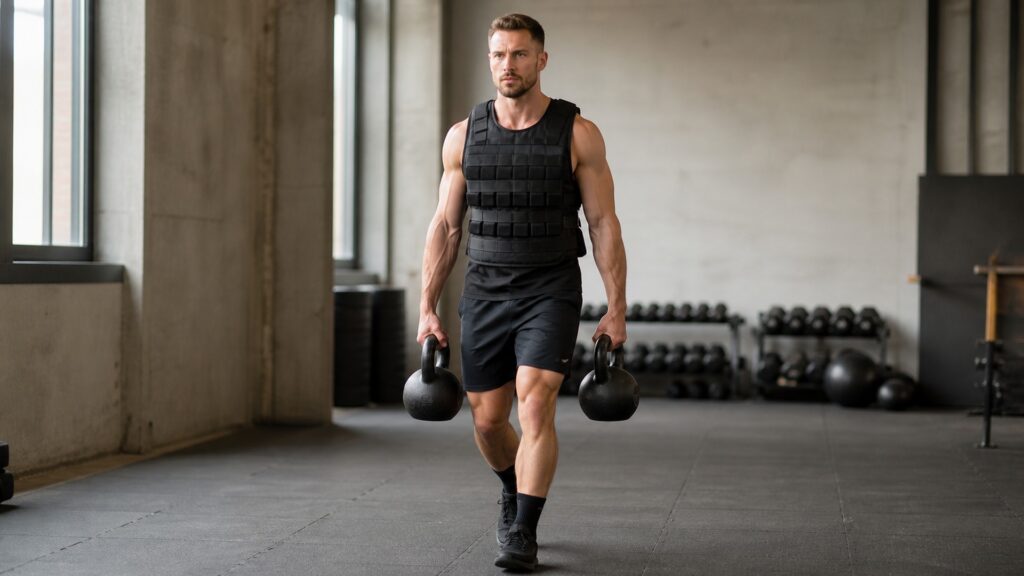
A practical guide to matching wearable or attached load with the job it should perform in training.
Tip: Use weighted gear when the session has a clear reason for added load.
These concepts clarify the practical signals readers should check before choosing equipment or planning workouts.
Workout role is the job the gear has in the session.
Loaded progression adds resistance after the movement is already controlled.
Conditioning load raises effort during repeated or sustained work.
Fit control is how well gear stays stable during the role it is assigned.
Load placement is where the added weight sits on the body.
Role mismatch happens when the gear changes the workout in a way the user does not need.
Tip: The best equipment choice is the one that matches the training job, available space, and user's current ability.
Weighted gear should have a clear job before it goes into a workout. The same added load can support strength work, walking intensity, or controlled conditioning, but each role changes the right amount of weight and the best placement.
The role gives the weight a reason to be there.
For push-ups, pull-ups, squats, step-ups, and carries, weighted gear is useful only when the base movement is already repeatable. Added load should make the exercise more productive without changing the main pattern.
Strength work benefits from load only when form stays steady.
Weighted gear can raise effort during walking or repeated bodyweight work, but it can also shorten the session too much. The useful load is the one that keeps pace and movement quality workable.
Conditioning load should support the session, not take it over.
A vest that works for slow squats may bounce during faster movement. An ankle weight that feels fine during a controlled lift may feel awkward during walking. Fit has to be checked against the real workout role.
Fit is practical only when tested in context.
If added weight makes the exercise slower, less stable, or less specific to the training goal, the gear is not serving its role. A simpler unloaded drill can be the better choice.
The best role is the one the gear can support cleanly.
A named role keeps weighted gear tied to a training purpose.
It shows whether the workout needs resistance, conditioning load, or no added weight.
It makes load, fit, and progression easier to judge.
It does not guarantee safe technique.
It cannot make poorly fitting gear useful.
Added weight helps only when it serves the session.
Some workouts need speed, control, or range more than load.
Too much weight can reduce range, pace, or posture.
Vests, belts, ankle weights, and wrist weights affect movement differently.
The role changes the safest load, fit, and exercise choice.
Tip: Treat strong claims as reasons to inspect the workout fit more closely.
Short answers for practical training and buying decisions.
It explains why load is being added and what the gear should improve.
Controlled strength progression, loaded walking, carries, and moderate conditioning can fit well.
Avoid it when it makes movement unstable, rushed, painful, or less specific to the goal.
Yes. Even light load can change gait, posture, and fatigue.
Add weight only when it clearly supports the workout role.
Workout role matters because weighted training gear should add useful resistance, not random difficulty.
Choose the load, placement, and exercise around the job the gear needs to perform.
Use these Review Streets paths to compare related categories and practical next decisions.
Review how wearable load changes training.
See why added load needs a clear job.
Compare load placement with movement quality.
Choose a retailer
Prices checked regularly. We may earn a commission at no cost to you.