

HealthMobility & Support

Why Mobility Independence Matters

Mobility independence means completing meaningful movement with the least necessary assistance while preserving safety, choice, dignity, access, and sustainable effort. This guide explains the working pathway, decision variables, real-world limits, common myths, and practical checks for choosing or using the approach responsibly.

HealthMobility & Support

Why Home Safety Matters

Home safety aligns lighting, flooring, stairs, bathrooms, storage, alarms, routes, and emergency access with the abilities and risks of the people using the space. This guide explains the working pathway, decision variables, real-world limits, common myths, and practical checks for choosing or using the approach responsibly.

HealthMobility & Support

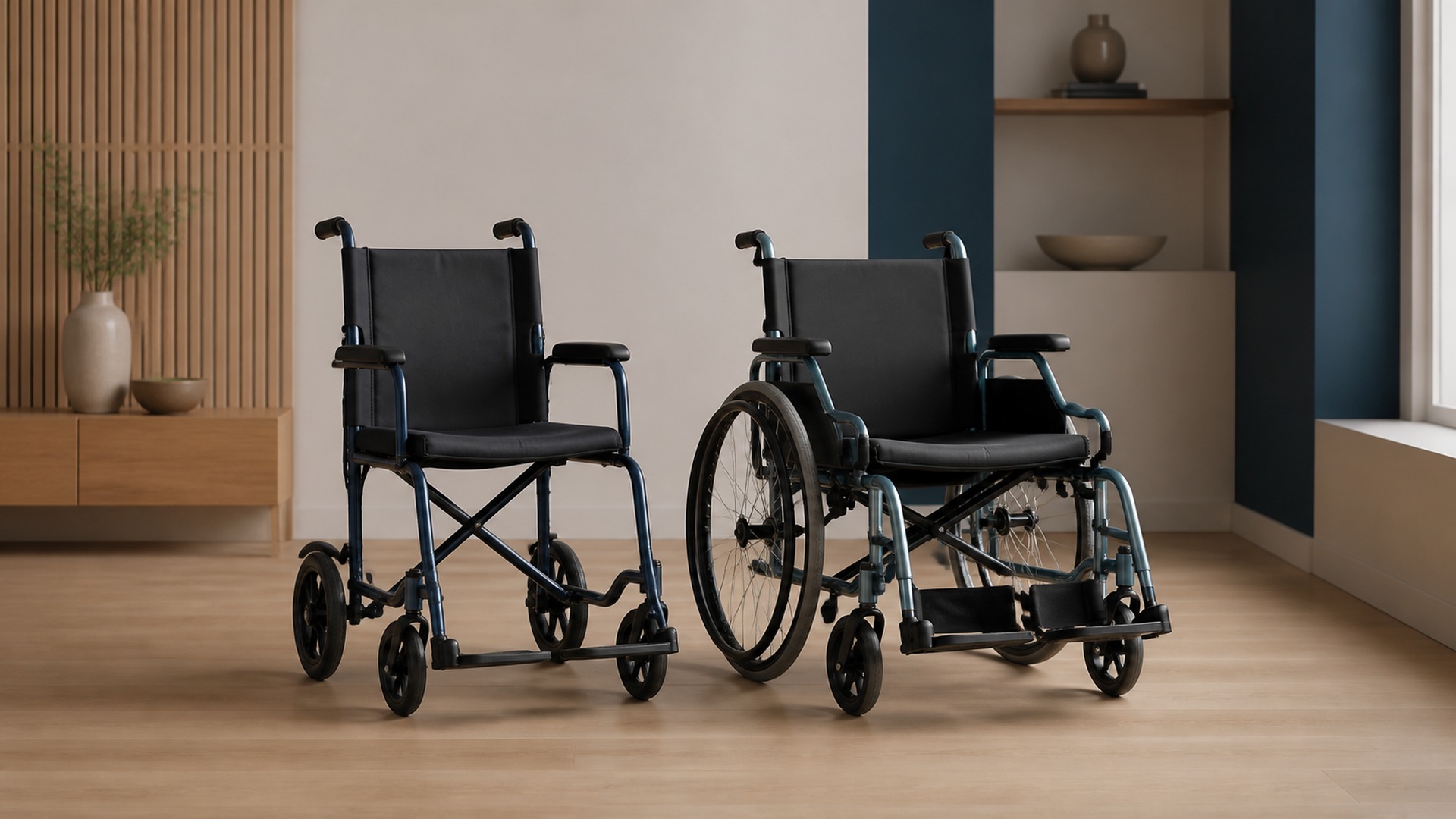
When to Use Transport Chairs Instead of Wheelchairs

Transport chairs are pushed by a caregiver for short assisted movement; wheelchairs may support independent propulsion, positioning, longer use, and more individualized configuration. This guide explains the working pathway, decision variables, real-world limits, common myths, and practical checks for choosing or using the approach responsibly.
HealthMobility & Support

What Makes Canes Different from Walkers

Canes provide one-point or multi-point unilateral support; walkers create a broader support frame and usually accept more load but require more space and coordination. This guide explains the working pathway, decision variables, real-world limits, common myths, and practical checks for choosing or using the approach responsibly.

HealthMobility & Support

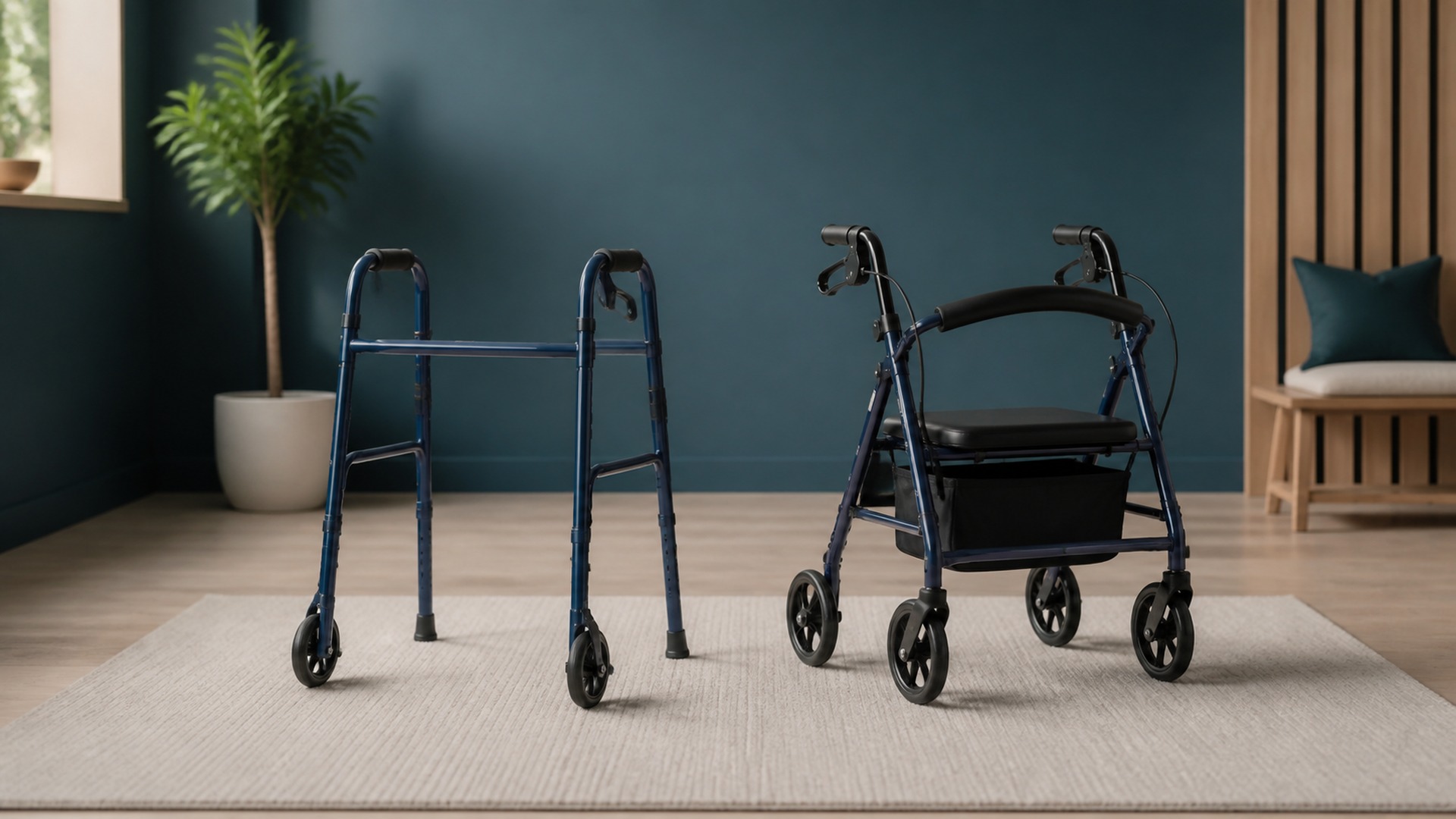
What Makes Walkers Different from Rollators

Walkers prioritize a stable frame that is lifted or slid, while rollators use wheels, brakes, and often a seat for continuous movement with different control demands. This guide explains the working pathway, decision variables, real-world limits, common myths, and practical checks for choosing or using the approach responsibly.

HealthMobility & Support

Why Fall Prevention Matters

Fall prevention combines hazard reduction, strength and balance, vision and medication review, appropriate footwear, assistive devices, and plans tailored to individual risk. This guide explains the working pathway, decision variables, real-world limits, common myths, and practical checks for choosing or using the approach responsibly.
HealthMobility & Support

Why Mobility Support Matters

Mobility support can improve stability, conserve energy, reduce risky compensation, and preserve participation when the device, fit, training, and environment match the user. This guide explains the working pathway, decision variables, real-world limits, common myths, and practical checks for choosing or using the approach responsibly.

HealthMobility & Support

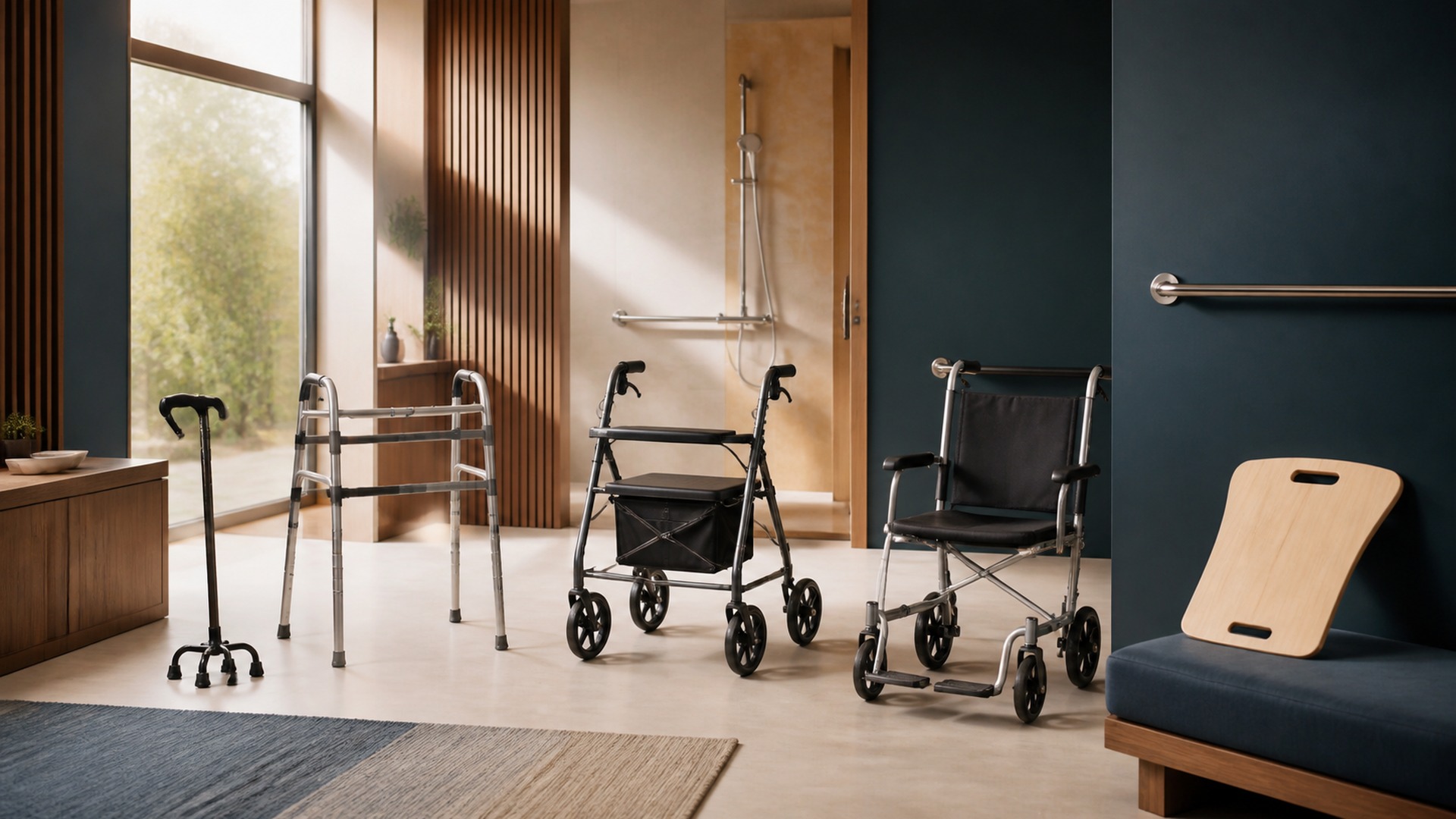
How Mobility & Support Products Works

Mobility and support products redistribute load, widen the base of support, provide handholds, reduce required effort, or enable assisted transport for a defined user and environment. This guide explains the working pathway, decision variables, real-world limits, common myths, and practical checks for choosing or using the approach responsibly.

HealthMental Wellness

Why Emotional Wellness Matters

Emotional wellness involves recognizing, expressing, regulating, and responding to emotions while maintaining function, relationships, autonomy, and access to appropriate support. This guide explains the working pathway, decision variables, real-world limits, common myths, and practical checks for choosing or using the approach responsibly.

HealthMental Wellness

Why Mental Recovery Matters

Mental recovery restores attention and emotional capacity after sustained demand through sleep, breaks, reduced stimulation, social support, and changes to the source of overload. This guide explains the working pathway, decision variables, real-world limits, common myths, and practical checks for choosing or using the approach responsibly.

HealthMental Wellness

Why Stress Management Matters

Stress management reduces avoidable load, improves recovery opportunities, and creates proportionate responses without claiming that all stress can or should disappear. This guide explains the working pathway, decision variables, real-world limits, common myths, and practical checks for choosing or using the approach responsibly.