Beauty Products Buying Guide for Beginners
Build a first beauty routine with clear jobs, forgiving formats, manageable tools, and one-at-a-time additions that make results easier to understand.

Reviews You Can Trust
Build a first beauty routine with clear jobs, forgiving formats, manageable tools, and one-at-a-time additions that make results easier to understand.
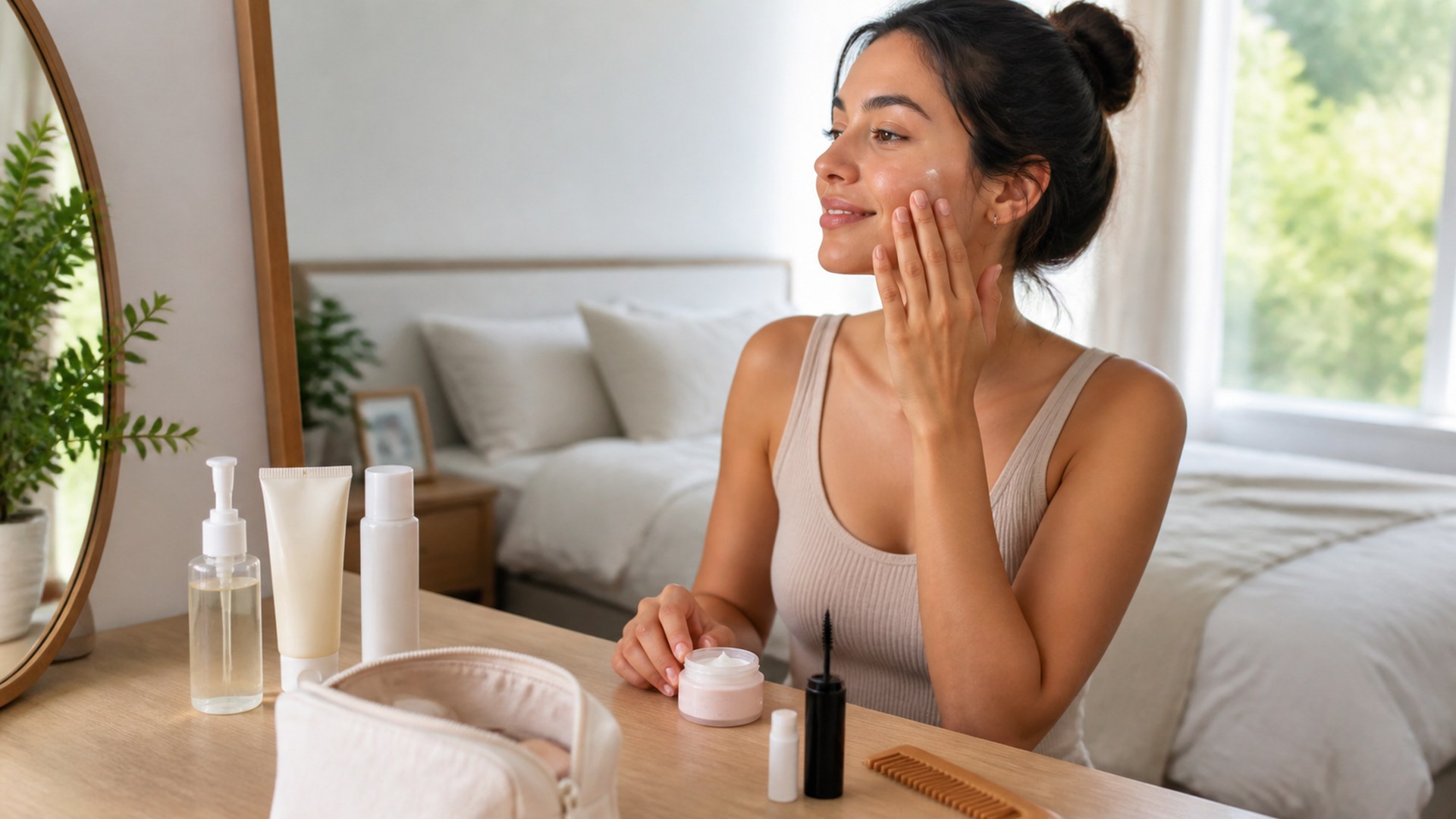
A practical framework for building a mixed beauty routine without duplicate steps, mismatched formats, unusable shades, or packages that outlast realistic use.
Mineral sunscreens use zinc oxide, titanium dioxide, or both to help protect skin from UV exposure. This beginner guide explains the protective film, white cast, texture, sensitive-skin appeal, and the tradeoffs shoppers should understand.
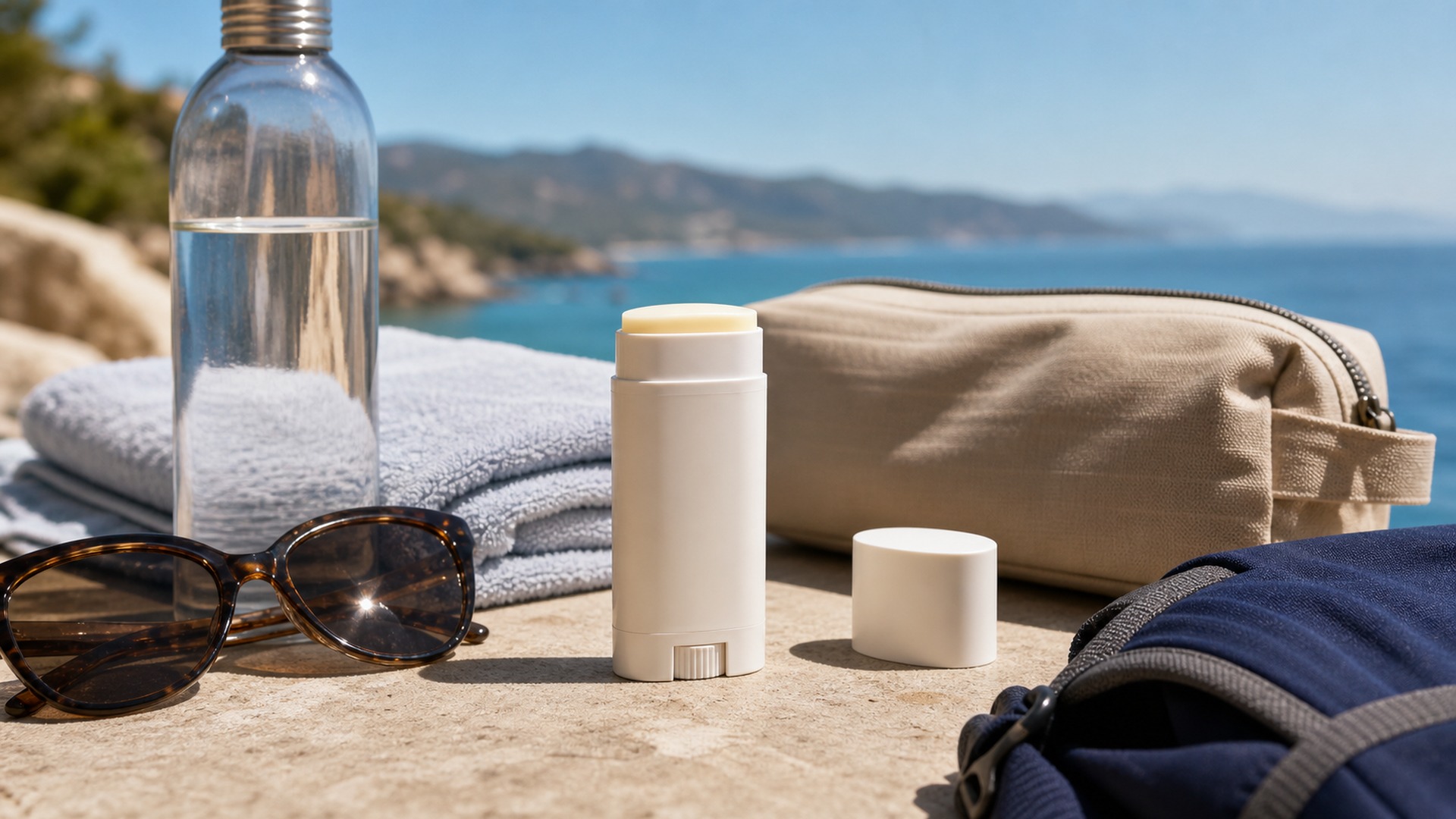
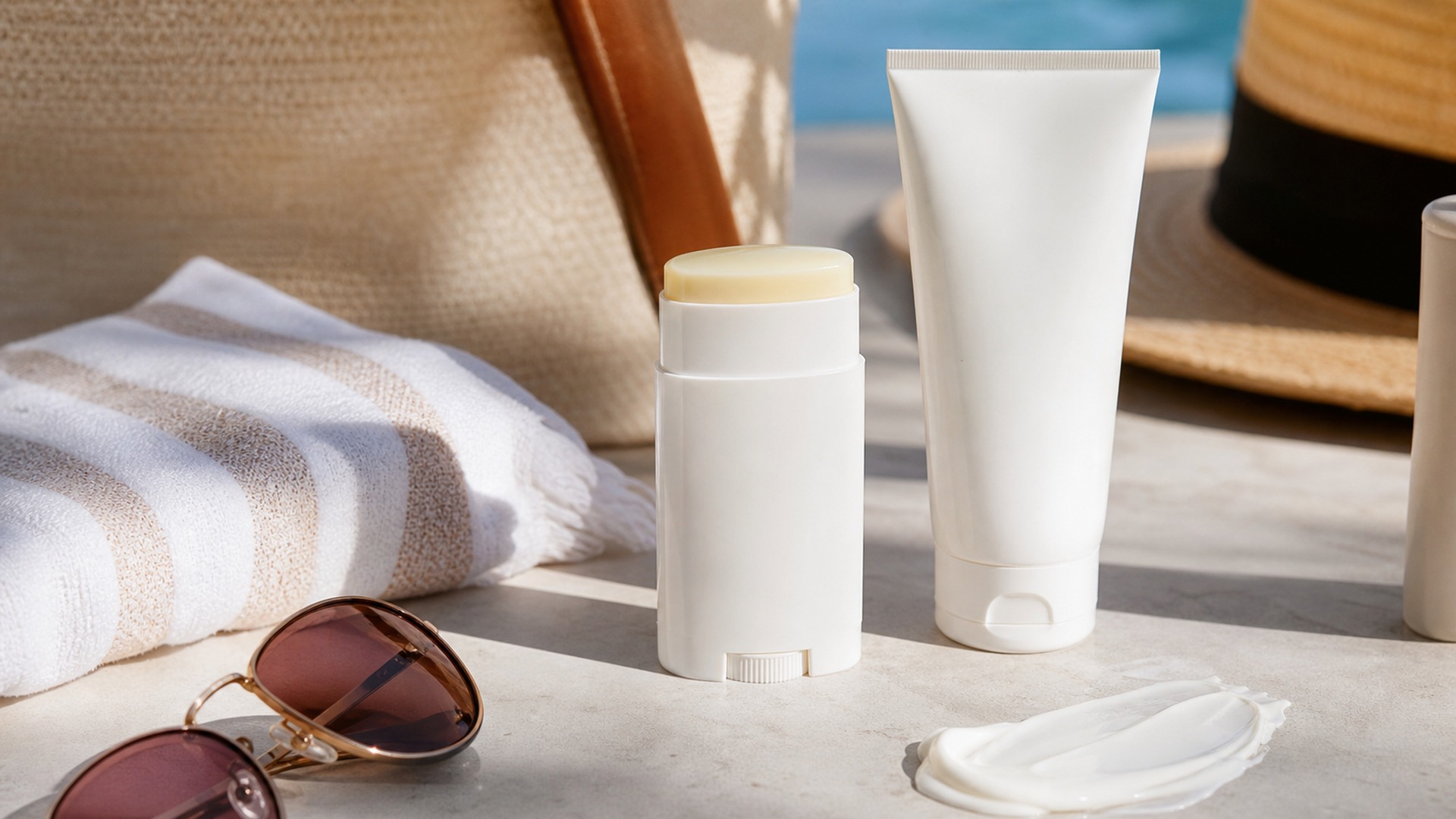
Sunscreen sticks work best when convenience improves follow-through: travel bags, outdoor sports, face touch-ups, ears, hands, and reapplication. This explainer shows where sticks help, where they are limited, and how to pair them with lotions.
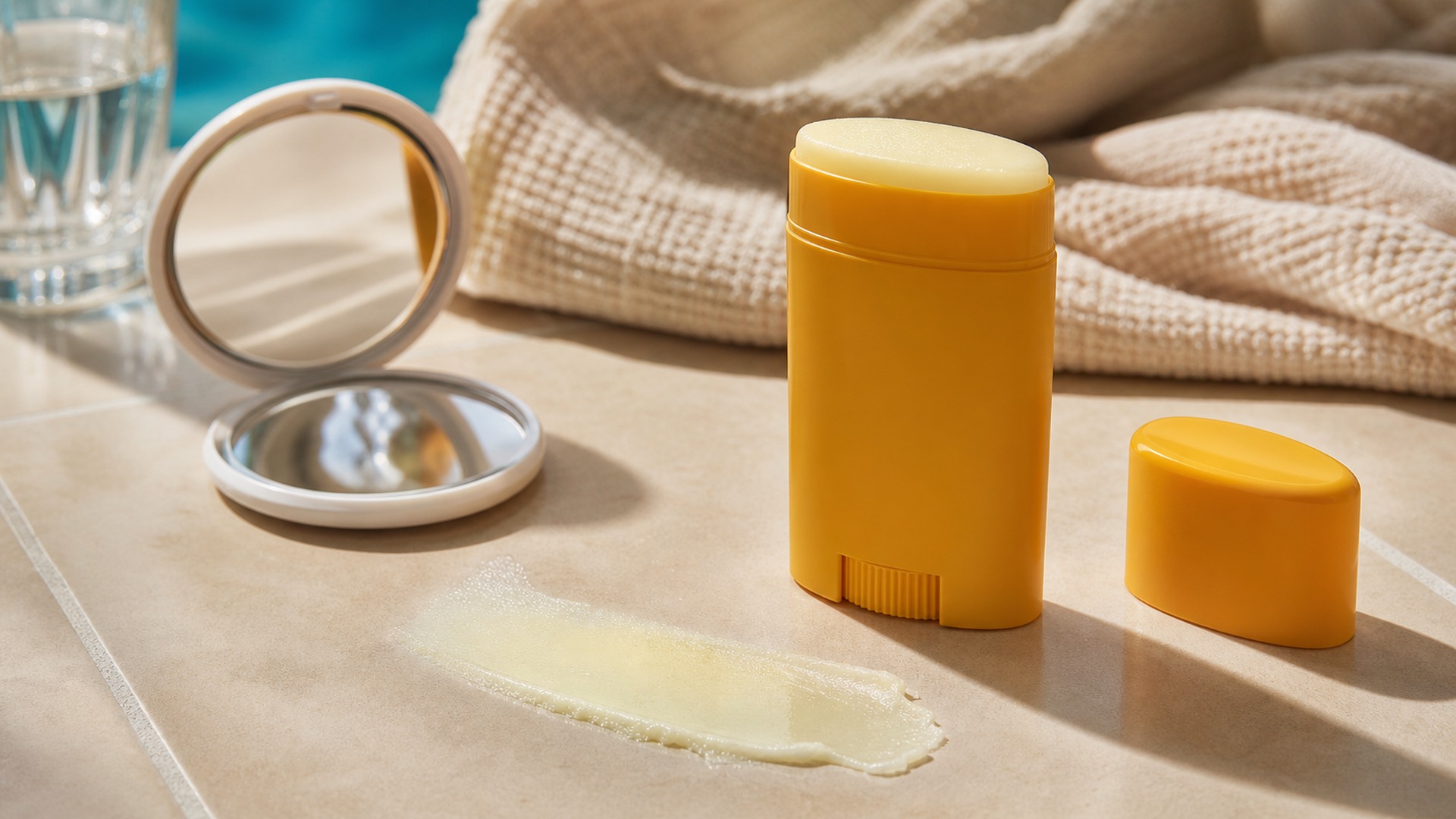
Sunscreen sticks are convenient, but reliable protection requires more than one swipe. This explainer covers overlapping passes, pressure, missed facial zones, blending, large-area limits, and when to reapply after sweat, water, or rubbing.
Sunscreen sticks are solid SPF formats designed for portable, targeted application. This explainer compares sticks with lotions by coverage, deposit amount, face use, travel convenience, reapplication, and the risk of missed or too-thin areas.
Mineral sunscreen can be appealing for sensitive or acne-prone skin, but it is not automatically perfect. This explainer covers zinc oxide, formula simplicity, eye comfort, white cast, comedogenic texture concerns, and how to compare options carefully.
Zinc oxide and titanium dioxide are mineral UV filters, but they do not behave identically. This explainer covers wavelength coverage, dispersion, coatings, surface-film quality, white cast, and why the formula matters.
Face sunscreen amount matters because SPF testing assumes a generous layer that many people under-apply. This guide explains practical amount cues, even coverage, missed areas, layering, and when reapplication becomes necessary.
Face sunscreen matters because everyday UV exposure adds up during commutes, errands, windowside time, and outdoor routines. This explainer covers SPF, UVA coverage, texture, layering, reapplication, and why consistency is the practical goal.
Chemical sunscreen ingredient lists can look cryptic. This explainer clarifies UVB filters, UVA filters, broad-spectrum blends, photostability, concentration limits, and why the full formula matters more than memorizing one ingredient.
Chemical sunscreens use organic UV filters to absorb ultraviolet energy before it can damage skin. This explainer breaks down filter blends, photostability, application, comfort, and the practical tradeoffs shoppers should understand before comparing formulas.