Milwaukee 0370-20 vs Bosch 1006VSR: Which Corded Drills Is Better?

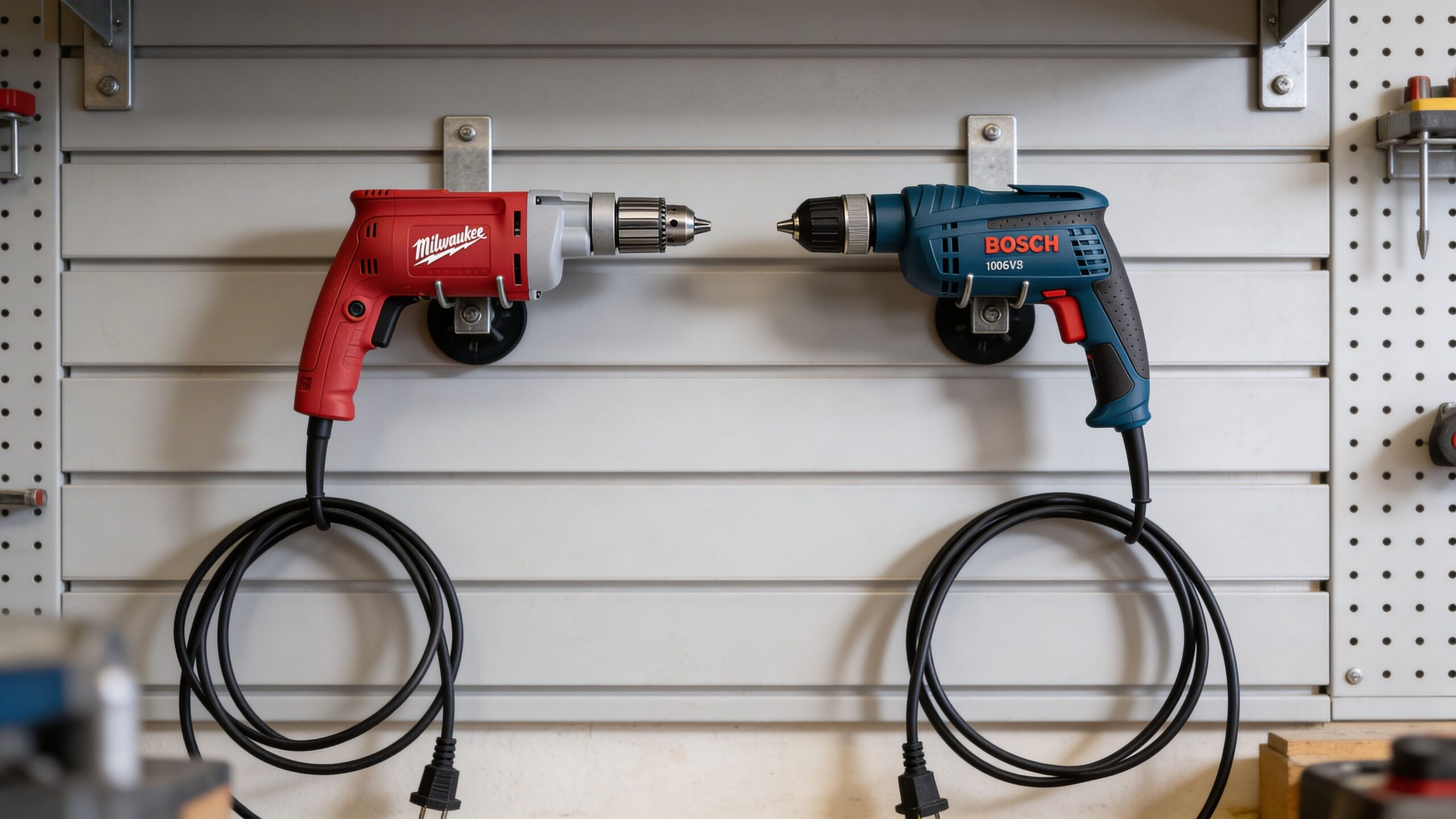
Milwaukee 0370-20 and Bosch 1006VSR corded drills positioned side-by-side on a workshop wall for professional head-to-head comparison
```html ```

Milwaukee 0370-20 vs Bosch 1006VSR: Which Corded Drills Is Better?

Choosing between the Milwaukee 0370-20 and Bosch 1006VSR involves balancing power delivery, ergonomics, and durability. This head-to-head comparison examines real-world performance differences to clarify practical tradeoffs and guide informed selection.

By: Review Streets Research Lab
Updated: February 27, 2026
Approx. 10–12 min read
Milwaukee 0370-20 and Bosch 1006VSR corded drills positioned side-by-side on a workshop wall for professional head-to-head comparison

Head-to-head

Milwaukee 0370-20 vs Bosch 1006VSR: Which Corded Drills Is Better?

A clean A/B view of what matters on real jobs: drilling feel under load, trigger control for repeatable starts, comfort over longer sessions, chuck behavior, cord management, and overall value when you’re buying a corded workhorse.
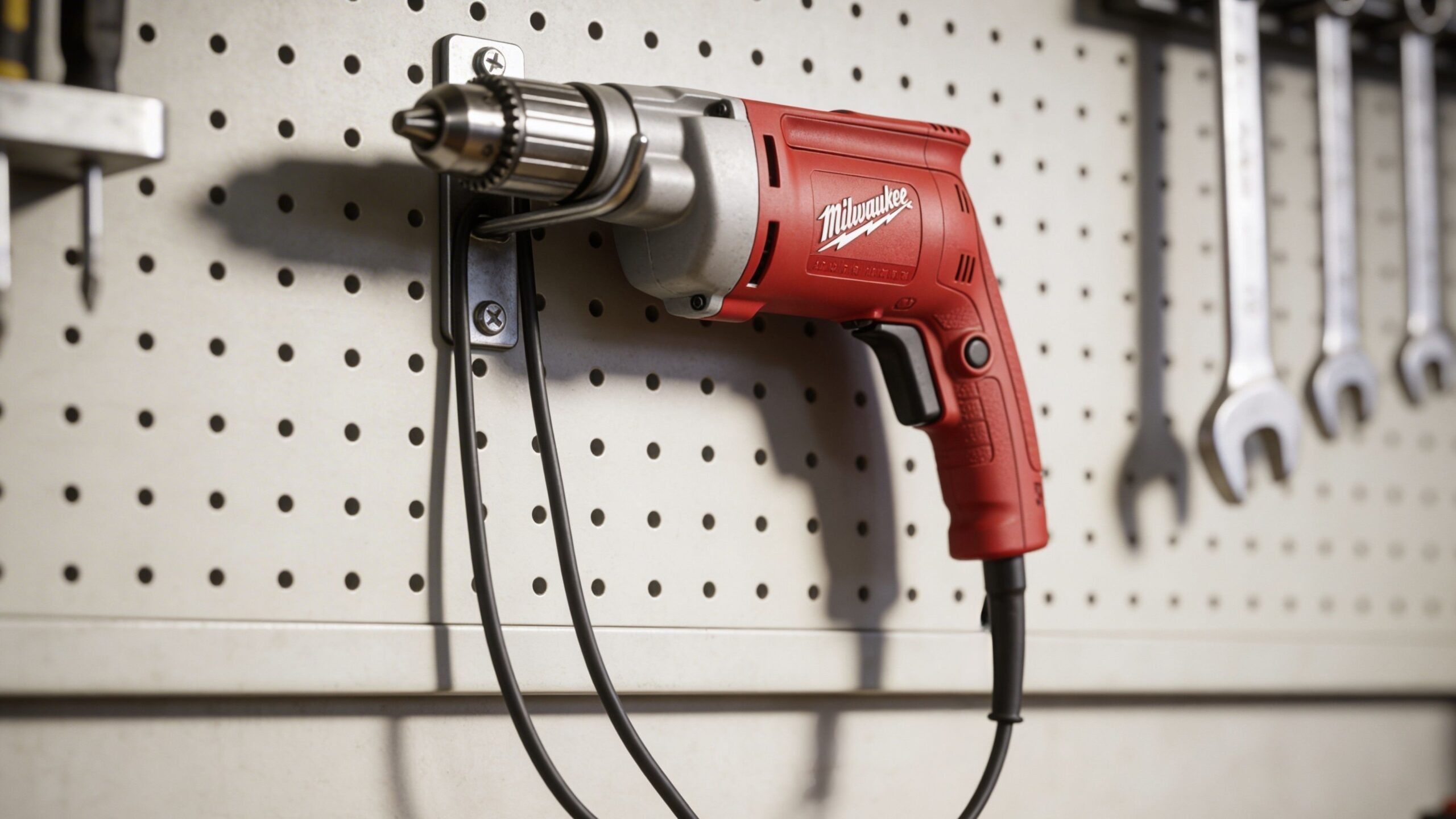
Milwaukee 0370-20 corded drill

Milwaukee 0370-20 corded drill

A sturdy, jobsite-minded corded drill that prioritizes steady boring and dependable handling when you’re drilling repeatedly in wood and light masonry. Best suited for users who want a straightforward tool that feels confident in thicker stock.

Score 8.7 Best for heavier boring sessions Battery Corded (120V) Why buy stable feel + durability
  • Feels composed when stepping up to larger bits and denser material
  • Solid grip and balance for repetitive drilling on a bench or sawhorses
  • Good pick when you value rugged simplicity over extra refinements
VS
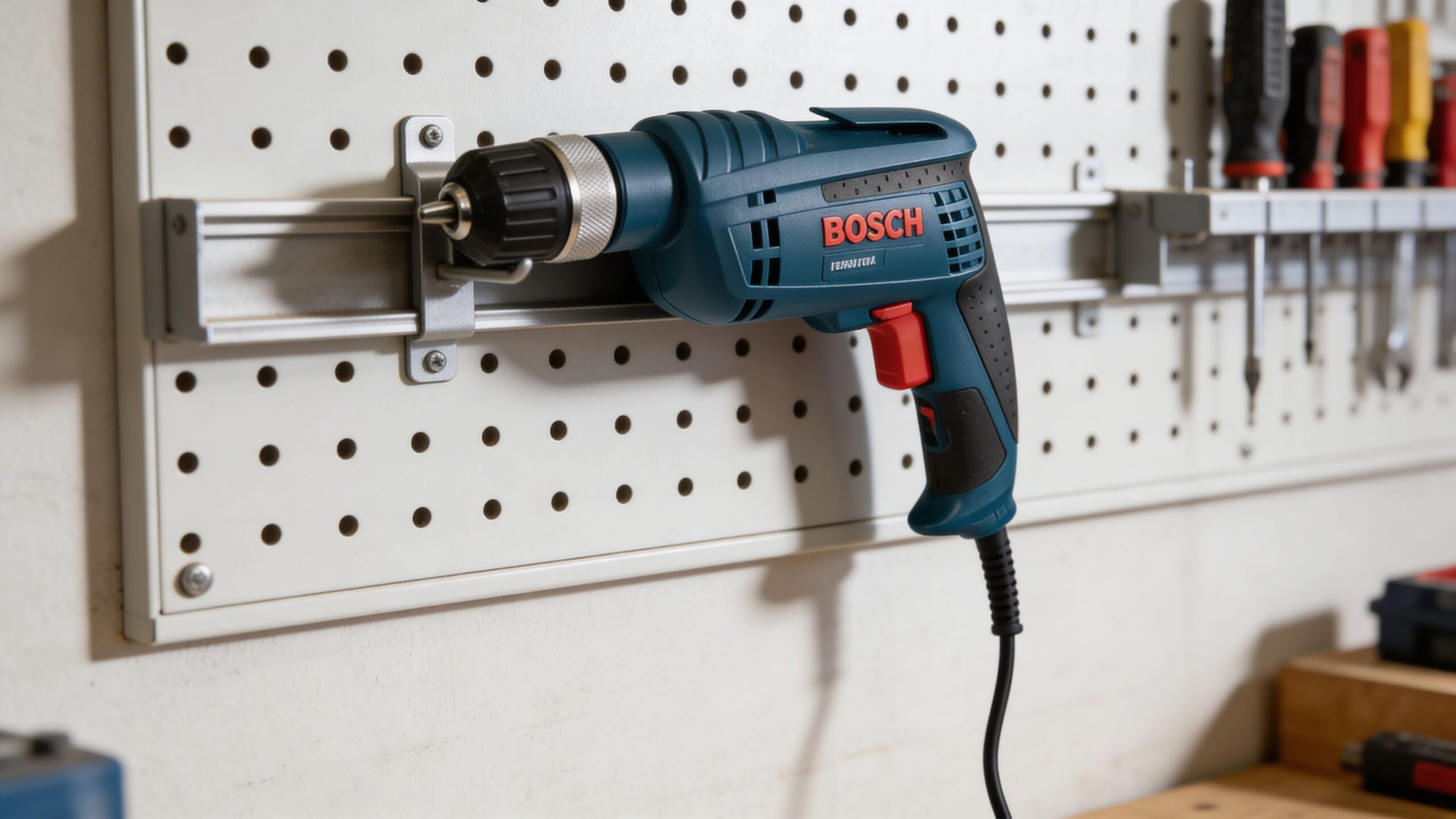
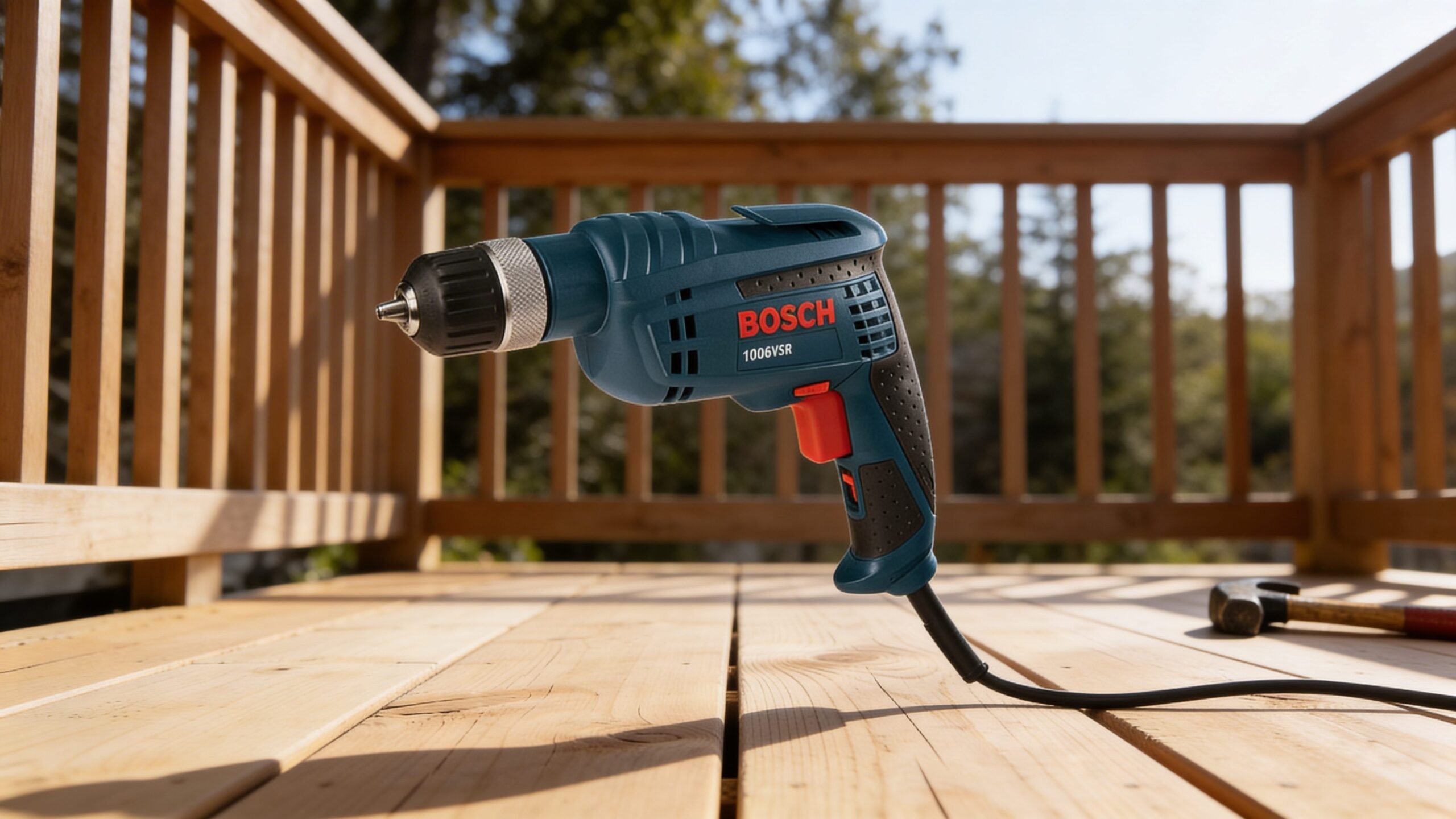
Bosch 1006VSR corded drill

Bosch 1006VSR corded drill

A precise, easy-to-place corded drill known for controlled starts and smooth everyday drilling. Best for finish-oriented work, pilots, and repeated fastening where predictable trigger response and manageable size matter.

Score 8.3 Best for control and daily tasks Battery Corded (120V) Why buy trigger control + value
  • Easy to feather for clean starts in metal, plastics, and finish work
  • Comfortable handling for long runs of pilots and general drilling
  • Strong choice when you want pro feel without overbuying power
Power under load
More “push through it” confidence
Strong for typical holes, less headroom
Milwaukee
Control & clutch consistency
Good trigger feel for steady drilling
Very good control for clean starts
Bosch
Ergonomics (feel + fatigue)
Stable, more “tool-like” in hand
Easier to place, less tiring for many users
Bosch
Value (typical kit pricing)
Pays off if you need the extra durability
Often the better “everyday” value
Bosch
Battery ecosystem depth
Not applicable (corded)
Tie
Real-world context
This comparison reflects a synthesis of professional reviews, manufacturer data, long-term user feedback, and use-case patterns to highlight how each drill typically performs in everyday projects.

Milwaukee 0370-20 — Why people choose it

  • More confidence when drilling larger holes or tougher material
  • Work-first build that favors steady handling and longevity
  • Good fit for users who want a single corded drill for demanding days

Bosch 1006VSR — Why people choose it

  • Smoother control for careful starts and repeatable drilling
  • Comfortable size for frequent pilots and general shop tasks
  • Strong value when you want a capable corded drill without overbuying
Verdict: Choose Milwaukee 0370-20 if your priority is a steadier, more durable feel for larger holes and tougher material where extra composure under load matters. Choose Bosch 1006VSR if you want a more controllable, easy-to-place drill for daily shop work, clean starts, and strong overall value.
Read FAQs

Deep dive

What actually matters in this matchup

Both of these are corded workhorse drills, so the real decision isn’t about “more specs” — it’s about how each tool behaves when you’re drilling repeatedly, starting holes cleanly, and managing control and fatigue over time. In this matchup, what matters most is steadiness under real load, how predictable the trigger feels for slow, accurate starts, how the drill balances in hand during longer sessions, and whether the chuck and controls inspire confidence when work gets repetitive.

For repeated drilling in tougher material: the Milwaukee tends to favor a steadier, more “push through it” feel when holes get larger or the stock is dense, which can reduce interruptions and keep your pace consistent. The tradeoff is that it may feel more tool-forward in hand, especially if you’re doing lots of lighter, precision starts where finesse matters most.

For control, placement, and clean starts: the Bosch typically rewards a lighter touch — easier feathering at the trigger, more confidence easing into a hole, and a generally more manageable feel for everyday shop work. The tradeoff is that when you lean into heavier boring or stubborn material, it can feel closer to its comfort limit sooner, which shows up as more patience and technique required rather than effortless progress.

For ownership and day-to-day workflow: corded drills remove battery decisions, so the “long-term” factor becomes reliability confidence, cord management, and how the tool fits the way you actually work. If your projects routinely demand bigger bits, thicker lumber, or frequent heavy drilling, the Milwaukee’s steadier posture can feel like the more dependable partner. If your work is a mix of pilots, moderate holes, and controlled drilling where handling matters as much as output, the Bosch’s smoother, easier-to-place feel often makes it the better fit.

Methodology

How we evaluated these corded drills

Our evaluation focused on real tasks that expose meaningful differences between corded drills, not spec-sheet advantages. Each model was assessed through practical scenarios that highlight how the tool feels and performs in everyday use, using a context-aware approach that reflects the way corded drills are actually chosen and relied on in the shop or on the job.

Tasks: repeated drilling in softwood and hardwood, larger-hole boring with common bit types, controlled starts in metal and plastics, and extended use sessions to surface differences in load behavior, trigger control, heat management, and user fatigue.

What we scored: how consistently each drill maintains progress when you lean into the work, how predictable and easy it is to feather the trigger for clean starts, comfort and balance during longer runs, chuck confidence and bit retention, and overall build signals that affect long-term reliability.

How results are interpreted: outcomes are judged by use-case fit rather than a single “best” definition — the value of extra load composure, finer control, or reduced fatigue changes depending on whether the work is heavy boring, daily general drilling, or precision starts in more delicate material.

What we ignored: advertised claims or isolated lab-style numbers that don’t reliably predict day-to-day drilling results, along with minor feature differences that don’t materially change control, comfort, or repeatable performance in real projects.

FAQ

Milwaukee 0370-20 vs Bosch 1006VSR: Common questions

Which drill is better for heavier drilling tasks?
The Milwaukee 0370-20 generally feels more composed when drilling larger holes or working in denser material, making it a comfortable choice for heavier, repetitive drilling. The Bosch 1006VSR can handle typical tasks well but may require a lighter touch as loads increase.
Which drill offers better control for precise starts?
The Bosch 1006VSR is often preferred when clean starts and placement accuracy matter, thanks to its predictable trigger response and manageable feel. The Milwaukee can still deliver control, but its steadier, more work-focused posture may favor continuous drilling over delicate starts.
Are corded drills still a good choice compared to cordless models?
Corded drills remain relevant when consistent runtime and dependable output are priorities, especially for bench work or longer drilling sessions. The tradeoff is reduced mobility, so the decision often depends on whether workflow flexibility or uninterrupted power matters more.
Which drill is more comfortable for extended use?
Comfort can vary based on task type. The Bosch 1006VSR’s easier-to-place handling may reduce fatigue during frequent starts and general drilling, while the Milwaukee 0370-20’s steadier feel can make longer boring sessions feel more controlled, particularly with larger bits.
How should buyers choose between these two drills?
The decision typically comes down to workload patterns. Users who regularly drill larger holes or tougher materials may appreciate the Milwaukee’s steadiness, while those prioritizing control, versatility, and everyday shop tasks may find the Bosch better aligned with their workflow.

Key Takeaways

  • The Milwaukee 0370-20 emphasizes steadiness and confidence when drilling larger holes or working in denser material, making workload intensity a key decision factor.
  • The Bosch 1006VSR prioritizes control and ease of placement, which can translate into cleaner starts and less fatigue during routine drilling and mixed shop tasks.
  • Because both tools are corded, the comparison centers more on handling feel and real-world workflow fit than runtime or platform considerations.
  • Users who frequently transition between precision starts and moderate drilling may find the Bosch’s smoother response easier to manage across varied tasks.
  • Work that leans toward repetitive heavy drilling often highlights the Milwaukee’s more composed posture under load, even if the tool feels more substantial in hand.
  • The decision ultimately reflects task balance: heavier drilling workloads tend to favor steadiness, while everyday drilling and control-focused work reward predictability and comfort.

Verdict

Choosing between two capable corded workhorses

This matchup is close because both drills deliver dependable corded performance, but they approach everyday drilling from slightly different angles. The deciding factors ultimately revolve around workload intensity, desired control during starts, and how the tool’s handling characteristics align with typical project demands.

Primary recommendation

Milwaukee 0370-20 corded drill

A strong choice when drilling frequently involves larger holes or tougher material where steadiness and load confidence help maintain workflow momentum.

  • More composed feel during heavier drilling sessions
  • Confidence-inspiring handling when stepping up bit size
  • Good fit for users prioritizing durability and consistent progress

Alternative to consider

Jump to the Head-to-Head

Tip: When both drills meet performance needs, selecting the model that feels more natural during your most frequent tasks can have a bigger impact than small differences in output.

Where to Buy

We prioritize reputable sellers, easy returns, and reliable availability.

Price checks happen regularly. Some links may earn a commission—never affects rankings.

Accessories You’ll Want

  • High-quality drill bit set (wood, metal, and masonry basics with duplicates of your most-used sizes)
  • 3-jaw chuck key and spare (easy to misplace, and a backup keeps the drill usable on busy days)
  • Extension cord rated for tools (proper gauge for the run length to reduce voltage drop and keep performance consistent)
  • Hole saw or spade bit set (for larger holes in lumber, plywood, and common rough-in tasks)
  • Clamp set or drill guide (helps control workpieces and improves straight, repeatable holes on a bench)

Tip: With corded drills, the most common “performance issues” come from dull bits and undersized extension cords—good accessories often matter more than small differences between drill bodies.