
Reviews You Can Trust
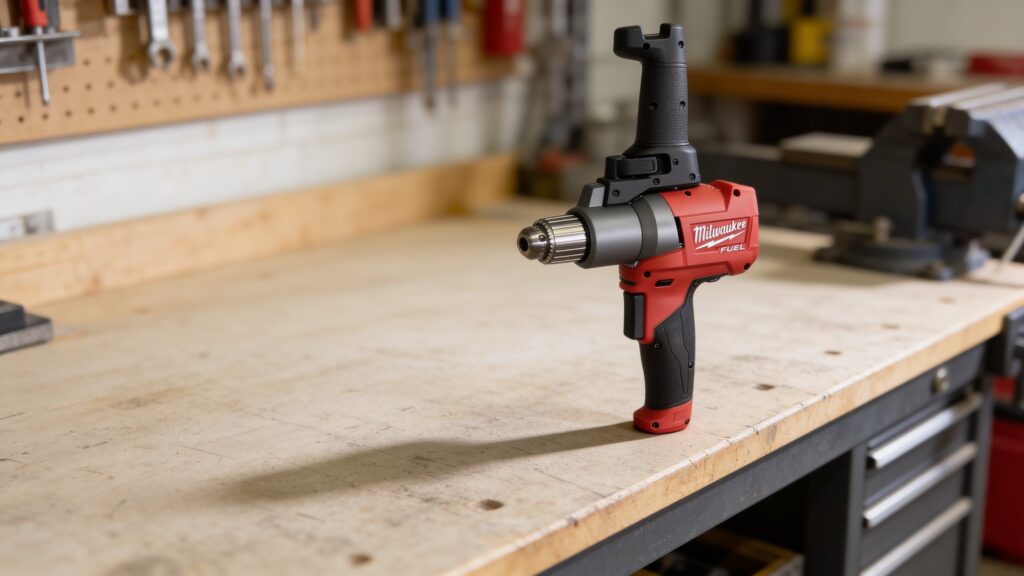
Why High-Torque Mixing Drills Matters
Feel the difference high torque makes—power through thick materials faster, smoother, and with far less strain on you.
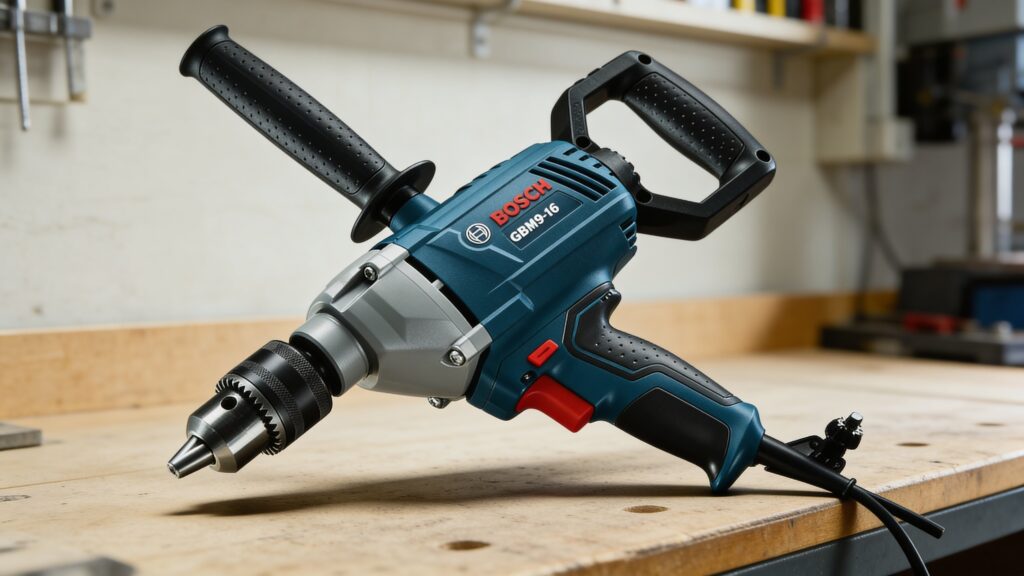
How Mixing Drills Works
See how mixing drills transform raw torque into smooth, powerful blending—turning thick materials into perfectly mixed results in seconds.
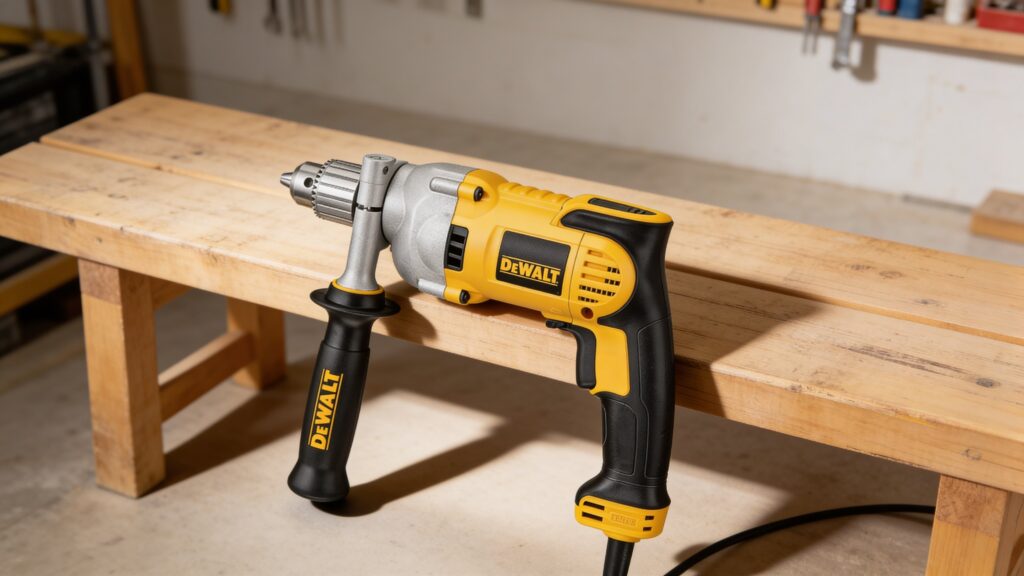
What Makes Mixing Drills Different from Standard Drills
Uncover what sets mixing drills apart—built for torque, control, and nonstop blending where standard drills quickly fall behind.
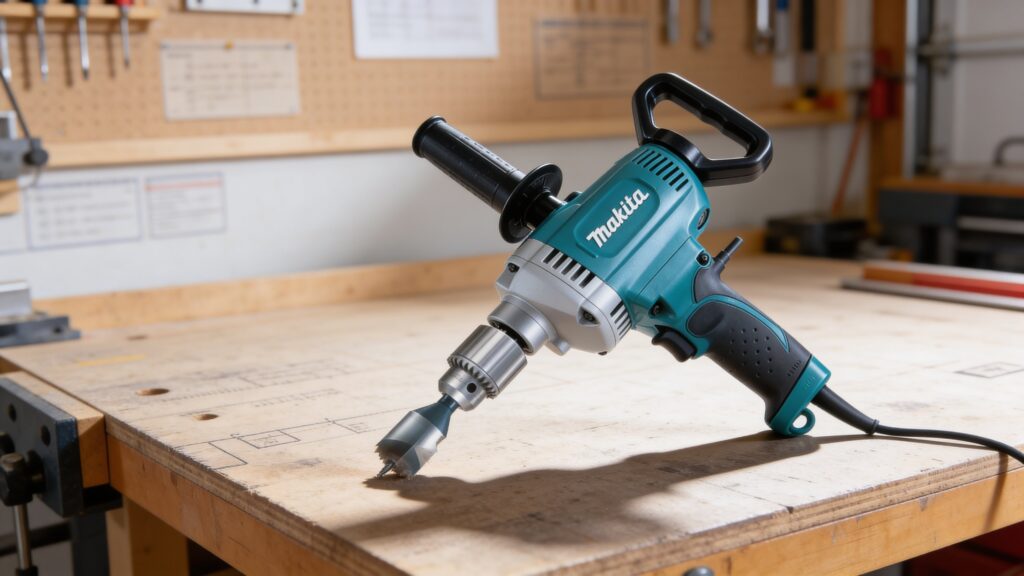
Why Variable-Speed Mixing Drills Matters
Dial in perfect consistency every time—discover why variable-speed mixing drills give you total control over power, texture, and results.
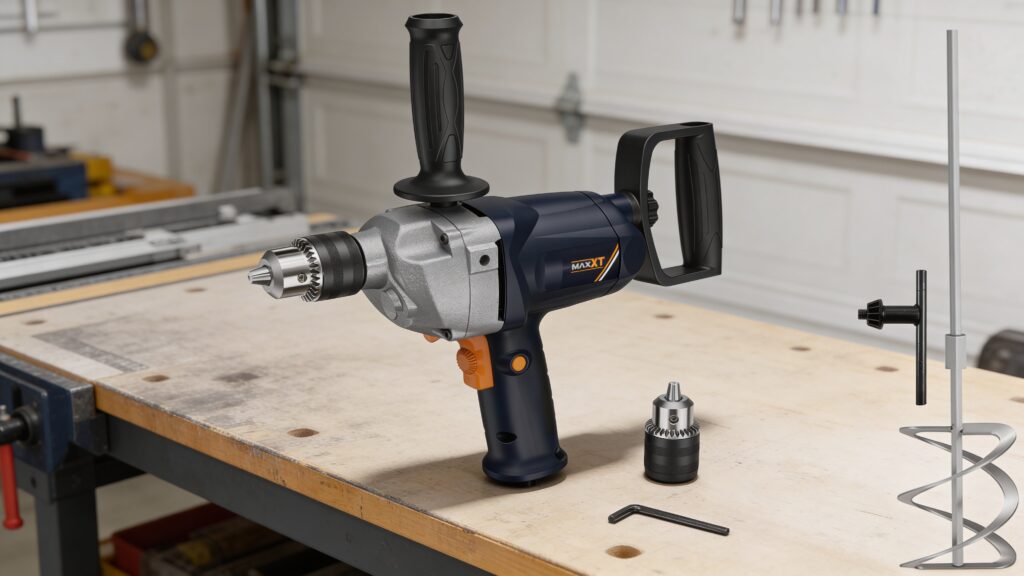
Why Mixing Drills Torque Matters
Feel the strength behind every mix—discover why high torque keeps materials moving smoothly, evenly, and without burning out your drill.
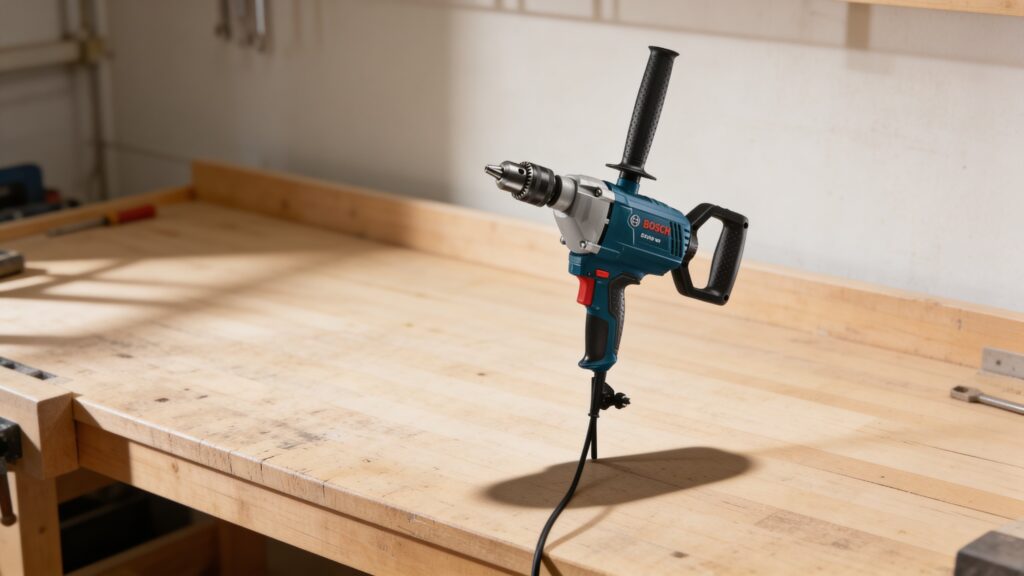
When to Use Mixing Drills Instead of Standard Drills
Know when muscle matters—discover why mixing drills outperform standard drills for thick materials, heavy loads, and nonstop blending power.