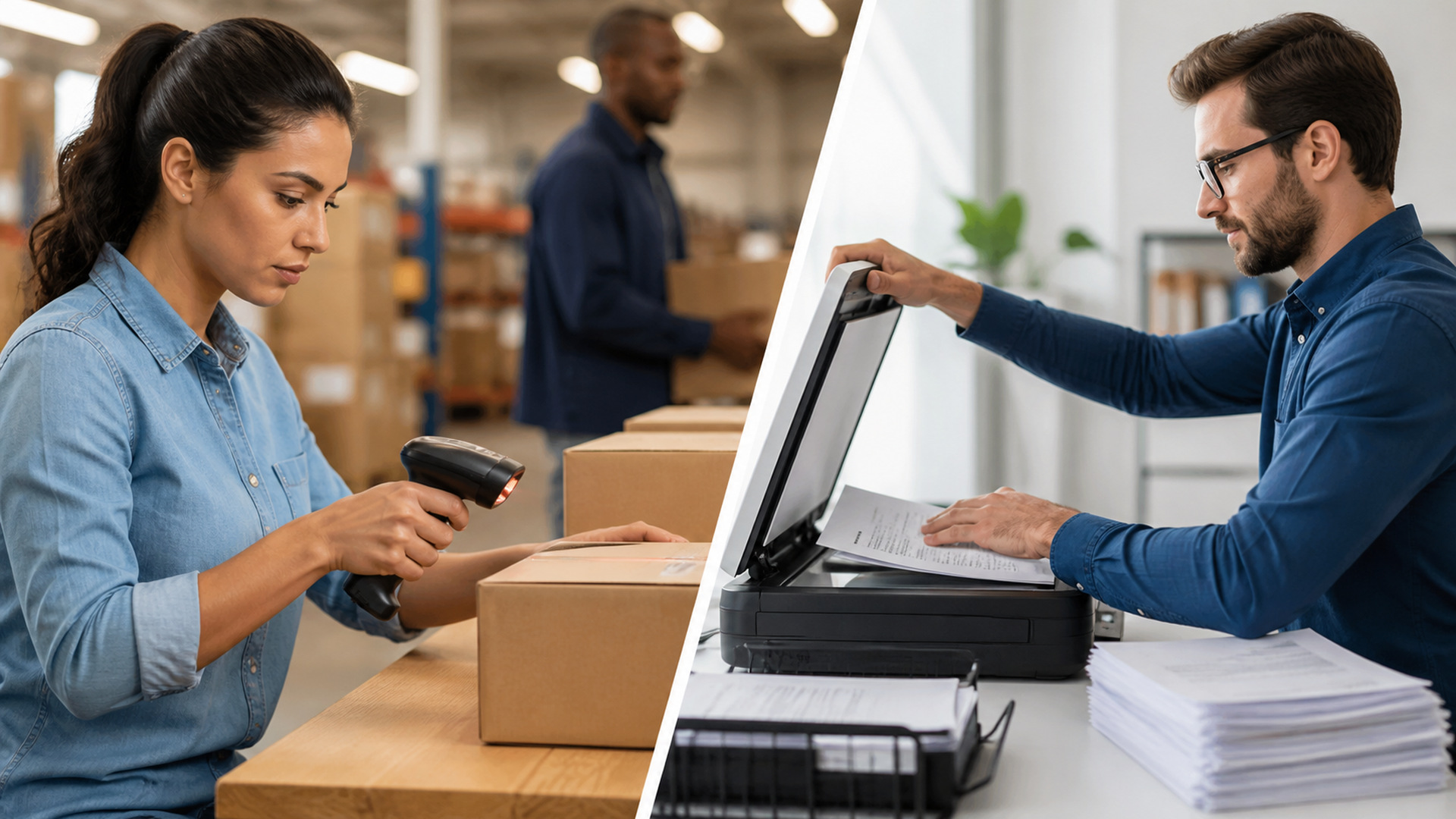
When to Use Barcode Equipment Instead of Document Scanners
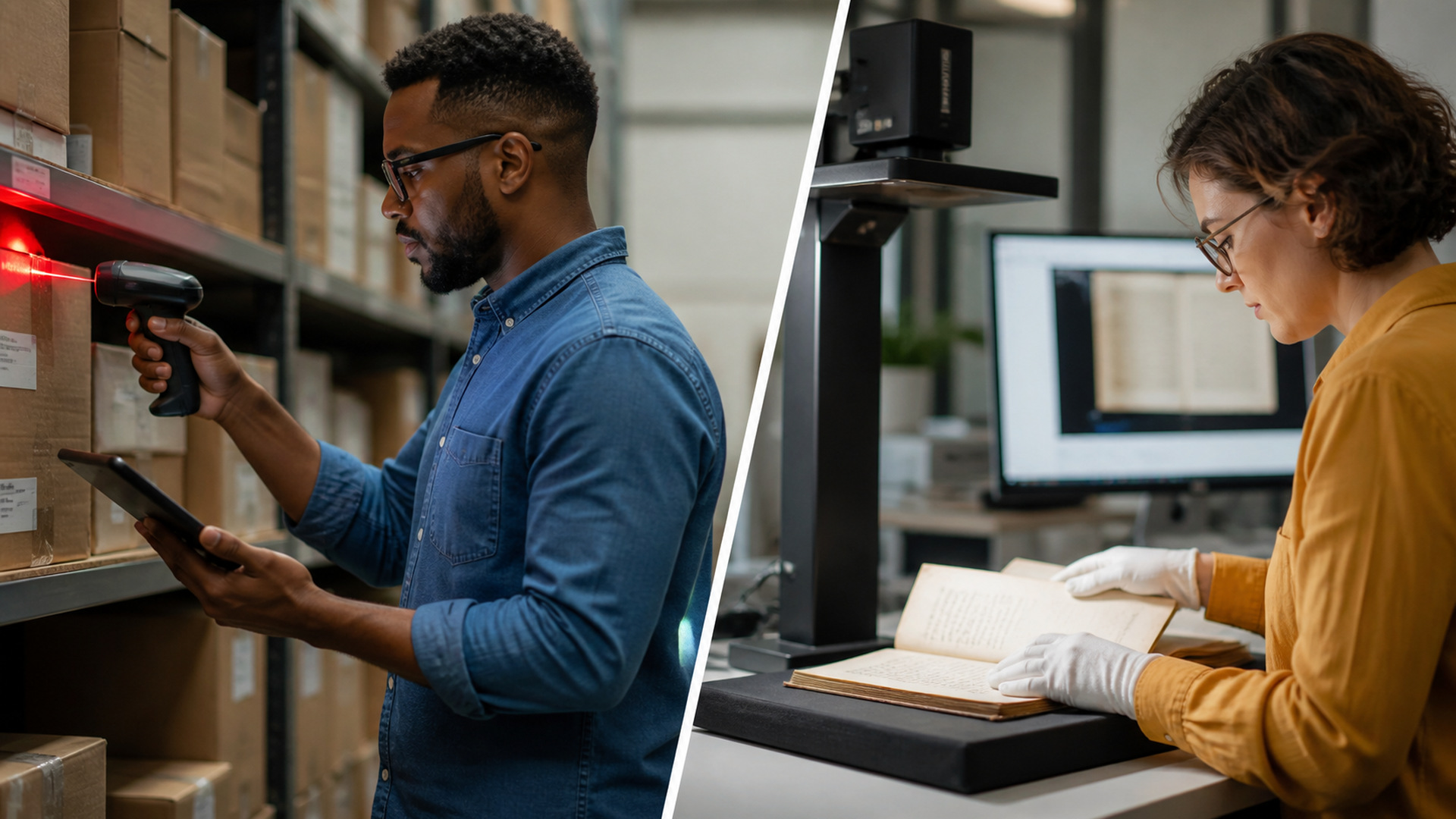
A detailed guide to barcode equipment instead of document scanners, including physical identifier, rapid decode, structured payload, exceptions, verification, and inventory record.

Reviews You Can Trust
A detailed guide to barcode equipment instead of document scanners, including physical identifier, rapid decode, structured payload, exceptions, verification, and inventory record.
A detailed guide to barcode equipment workflow role, including work instruction, item match, state transition, exceptions, verification, and completion evidence.
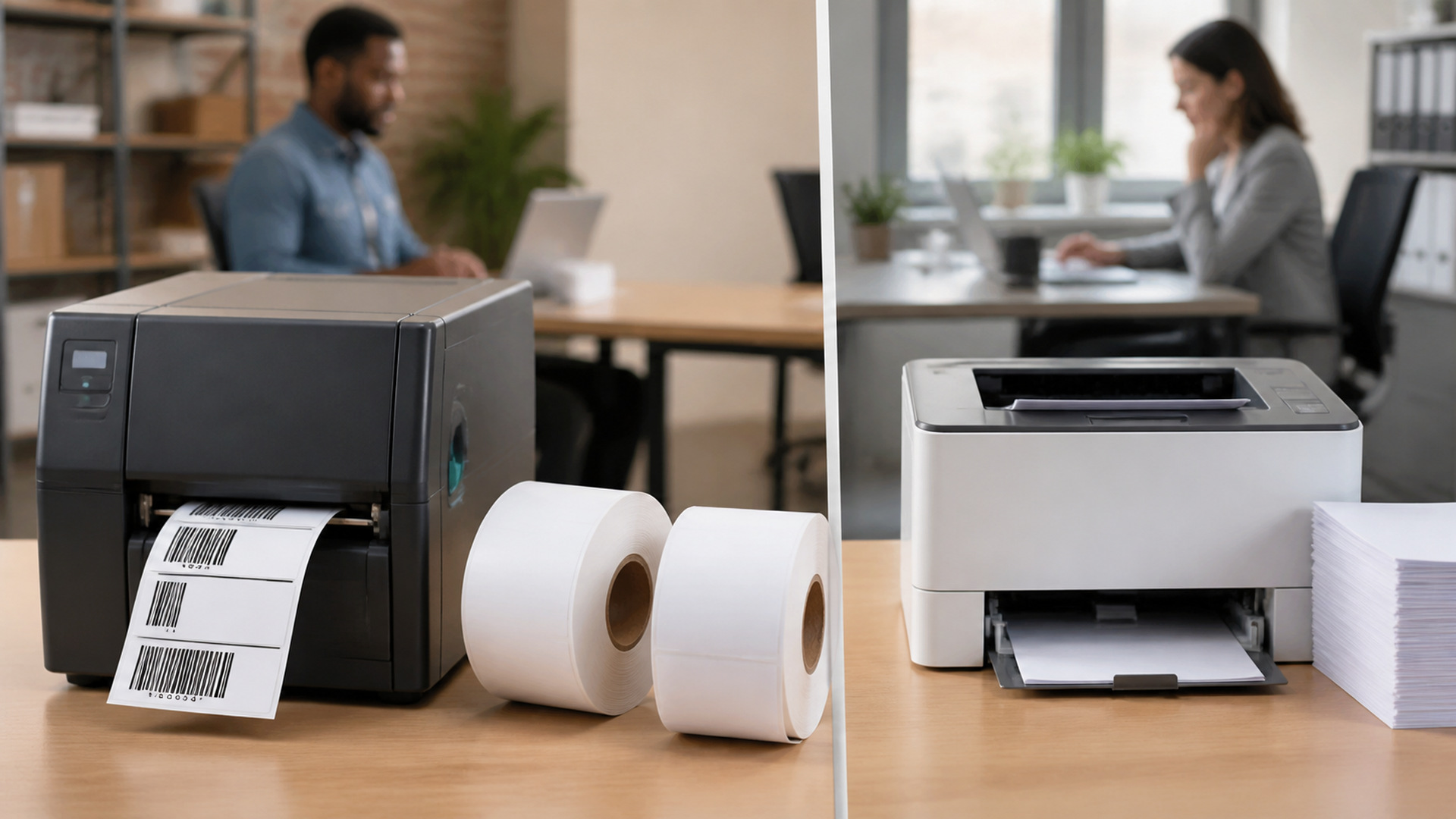
A detailed guide to barcode equipment and office printers, including barcode label, transfer ribbon, office page, exceptions, verification, and application handoff.
A detailed guide to barcode equipment permission structure, including label design right, reprint authority, device enrollment, exceptions, verification, and access revocation.
A detailed guide to barcode equipment data flow, including master identifier, device response, station context, exceptions, verification, and record reconciliation.
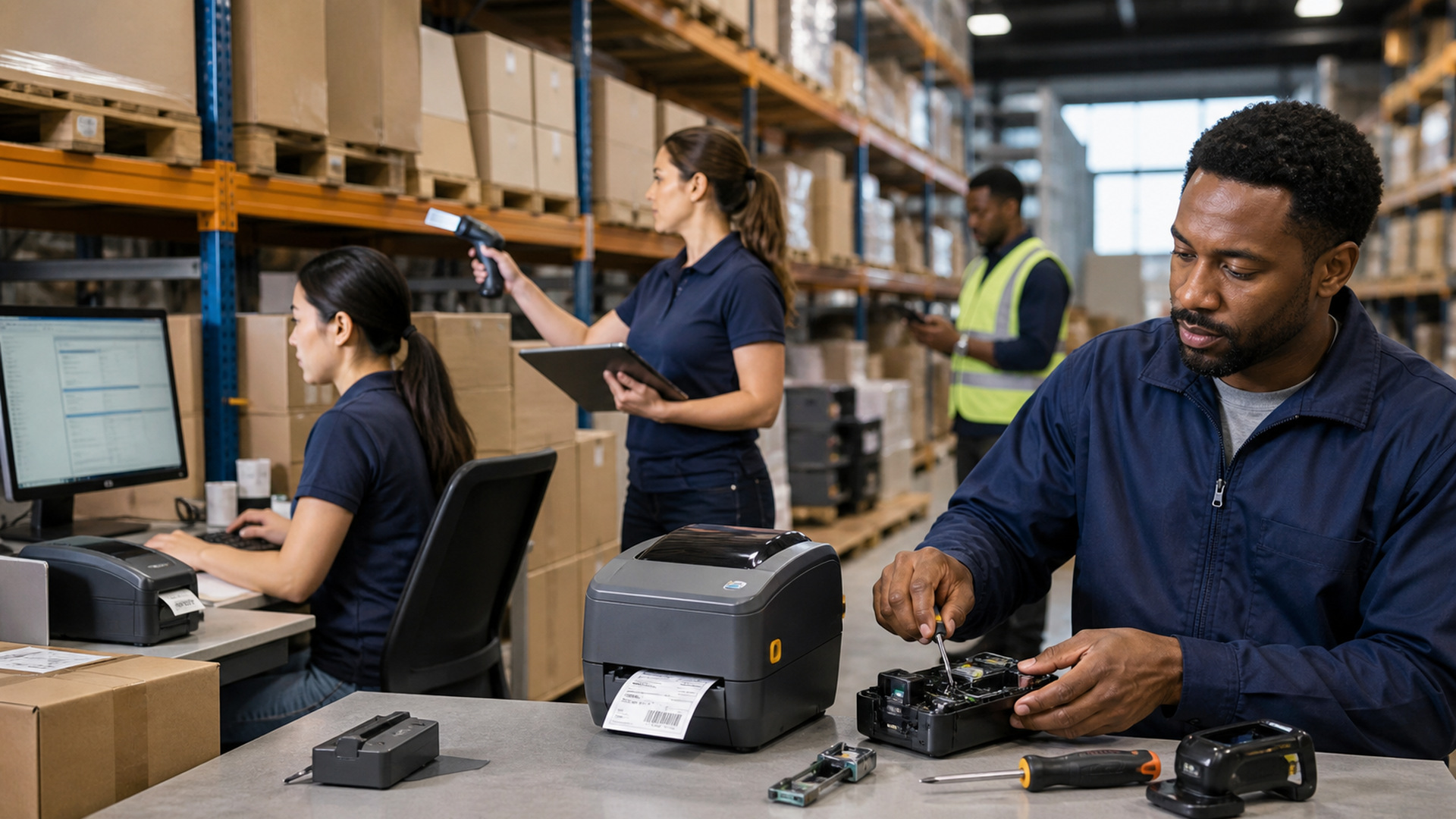
A detailed guide to barcode equipment instead of office machines, including physical item, hands-busy station, label printer, exceptions, verification, and operational system.
A detailed guide to barcode equipment and document scanners, including machine identifier, decode payload, document image, exceptions, verification, and content repository.
A detailed guide to barcode equipment operating model, including identifier governance, print station, location owner, exceptions, verification, and lifecycle record.
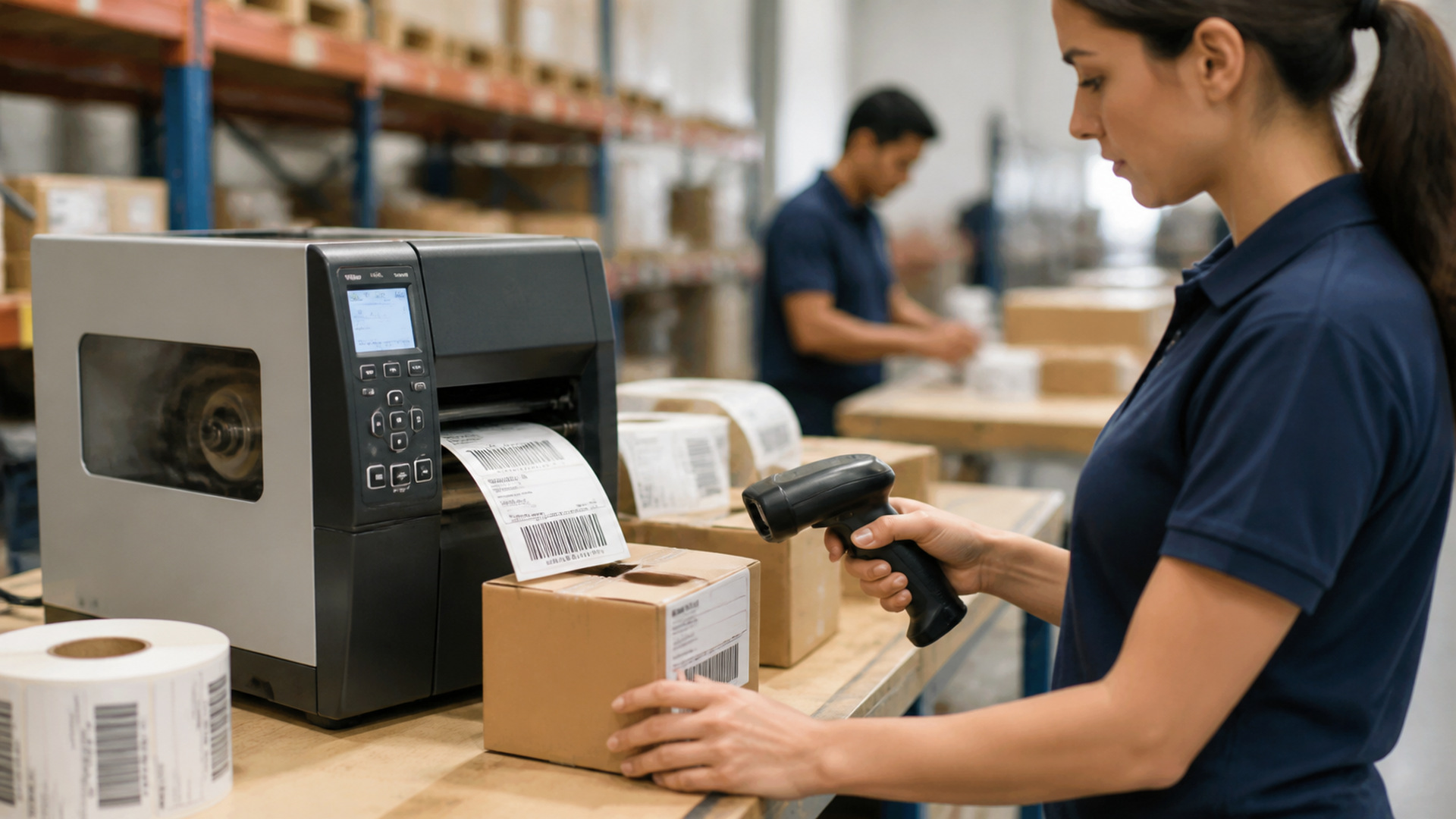
A detailed guide to barcode equipment, including item identifier, label stock, scan engine, exceptions, verification, and system of record.
Business infrastructure matters because facilities, power, environmental controls, connectivity, platforms, equipment, and shared services form dependency chains that determine operating capacity, failure impact, maintenance options, and recovery order.
Office technology matters because trusted identity, managed endpoints, applications, collaboration, documents, workflow, security, and support must operate as one environment for employees to create, share, approve, protect, find, and recover work reliably.
Ergonomic equipment matters when its range and controls change the physical and sensory demands of real work—reducing avoidable reach, force, contact pressure, visual strain, or static loading while enabling fit, movement, and task variation.