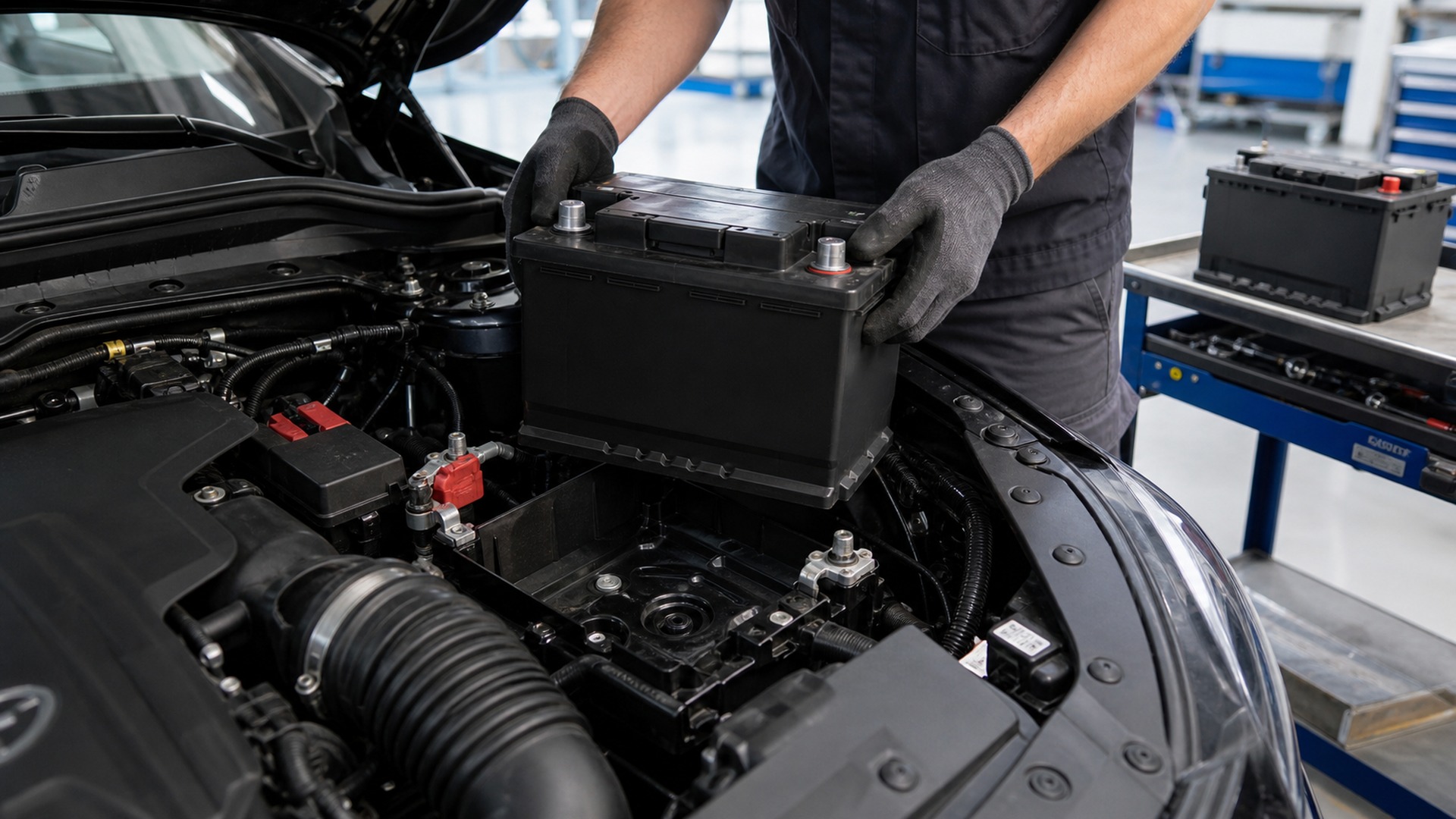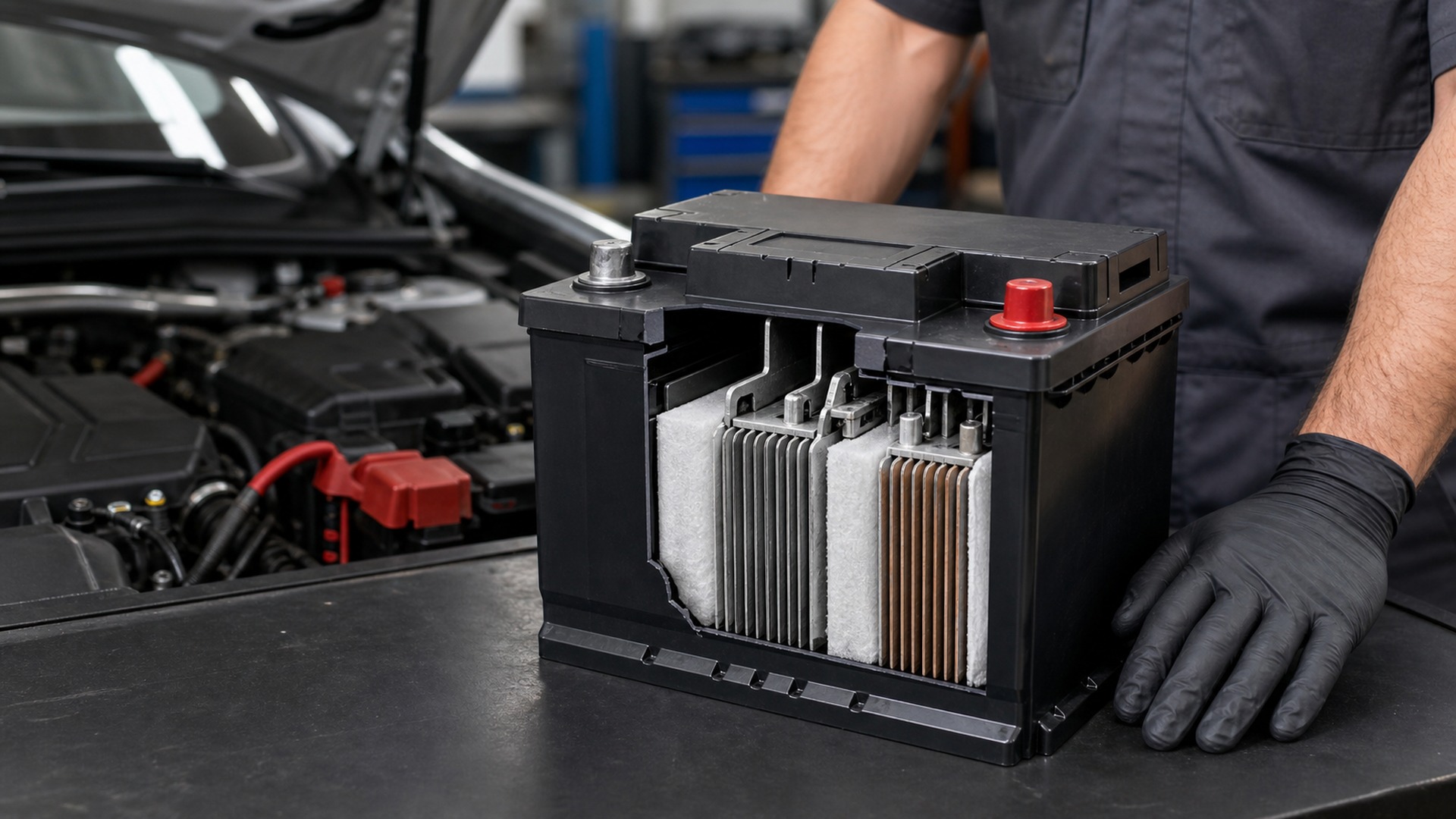
What Makes AGM Car Batteries Different from Deep Cycle Batteries
Understand AGM Car Batteries in plain language, including key definitions, how it works, common misconceptions, practical checks, and related Review Streets paths.

Reviews You Can Trust
Understand AGM Car Batteries in plain language, including key definitions, how it works, common misconceptions, practical checks, and related Review Streets paths.
Understand AGM Car Batteries in plain language, including key definitions, how it works, common misconceptions, practical checks, and related Review Streets paths.
Understand AGM Car Batteries in plain language, including key definitions, how it works, common misconceptions, practical checks, and related Review Streets paths.
Use car wash equipment while the problem is removable contamination. Water supply, pressure, flow, compatible chemistry, contact media, rinse transport, drainage, and drying should remove loose soil, salts, road film, and wash residue. Decontamination may then address bonded material that ordinary washing leaves behind.
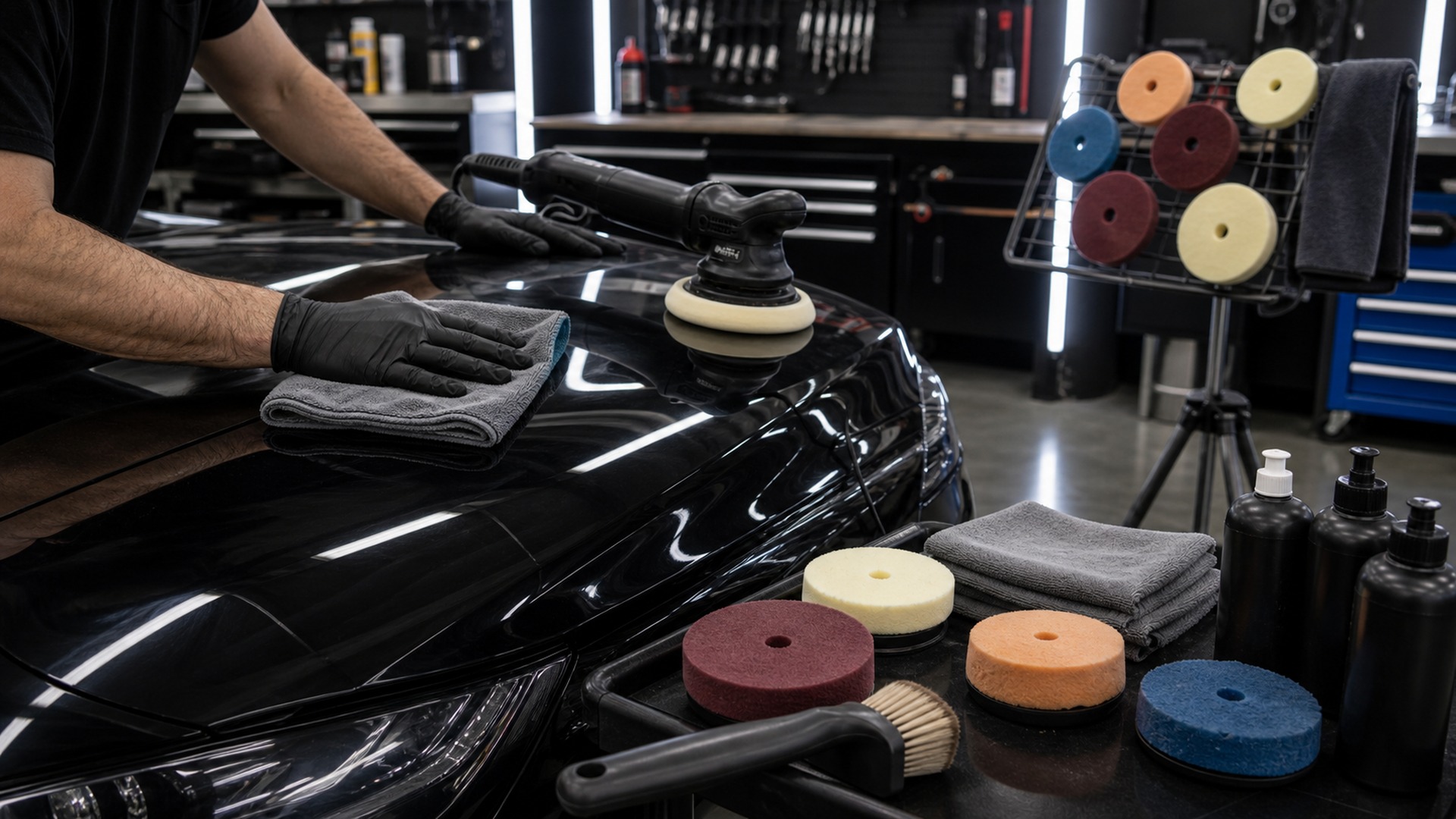
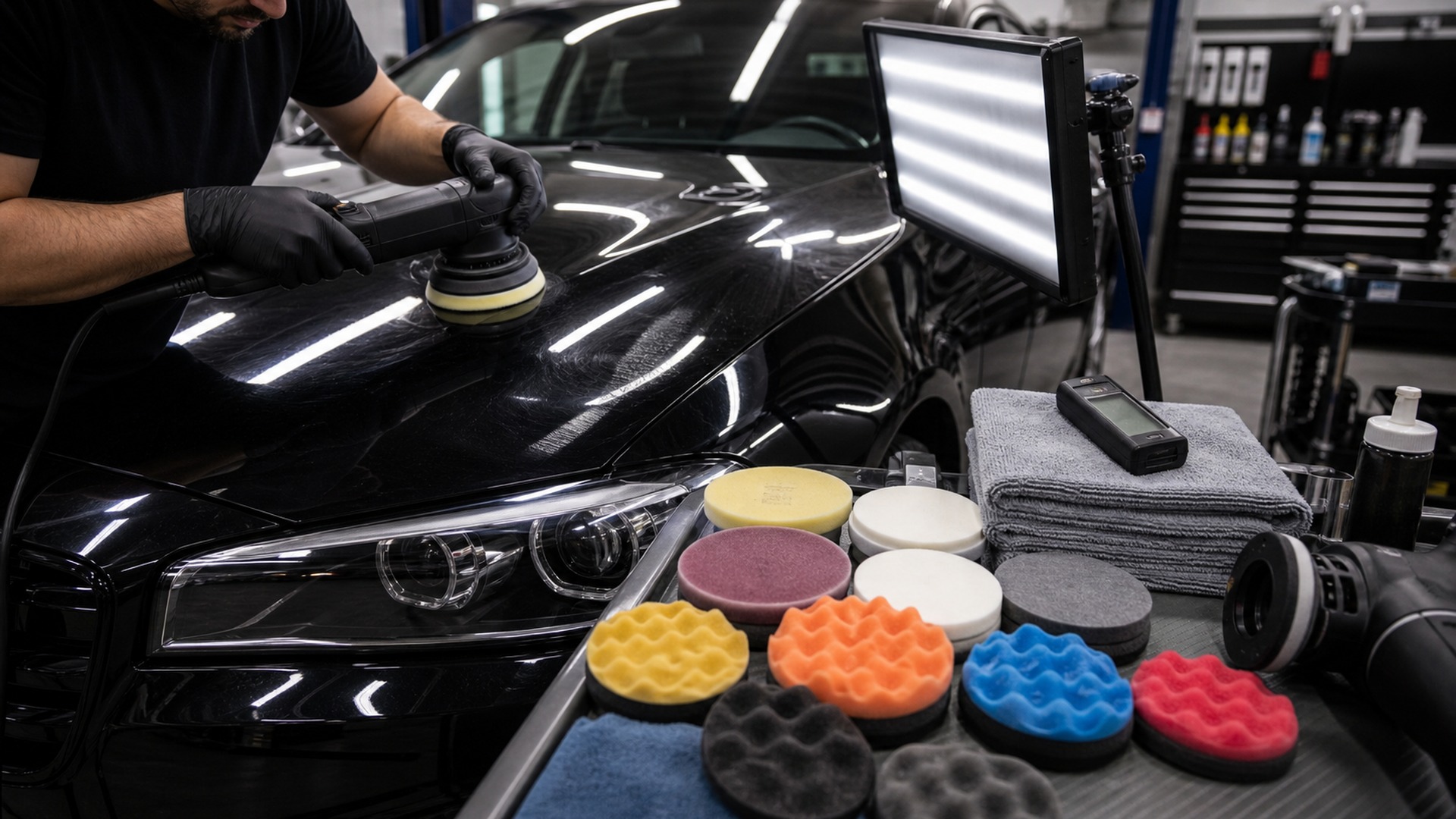
Correction maintenance has two targets: the working system and the corrected paint. Pads accumulate spent abrasive, removed paint, residue, and heat; backing plates fatigue; machines, cords, bearings, vents, and attachments wear. If these conditions drift, the same nominal settings can produce different cut, temperature, haze, vibration, or safety.
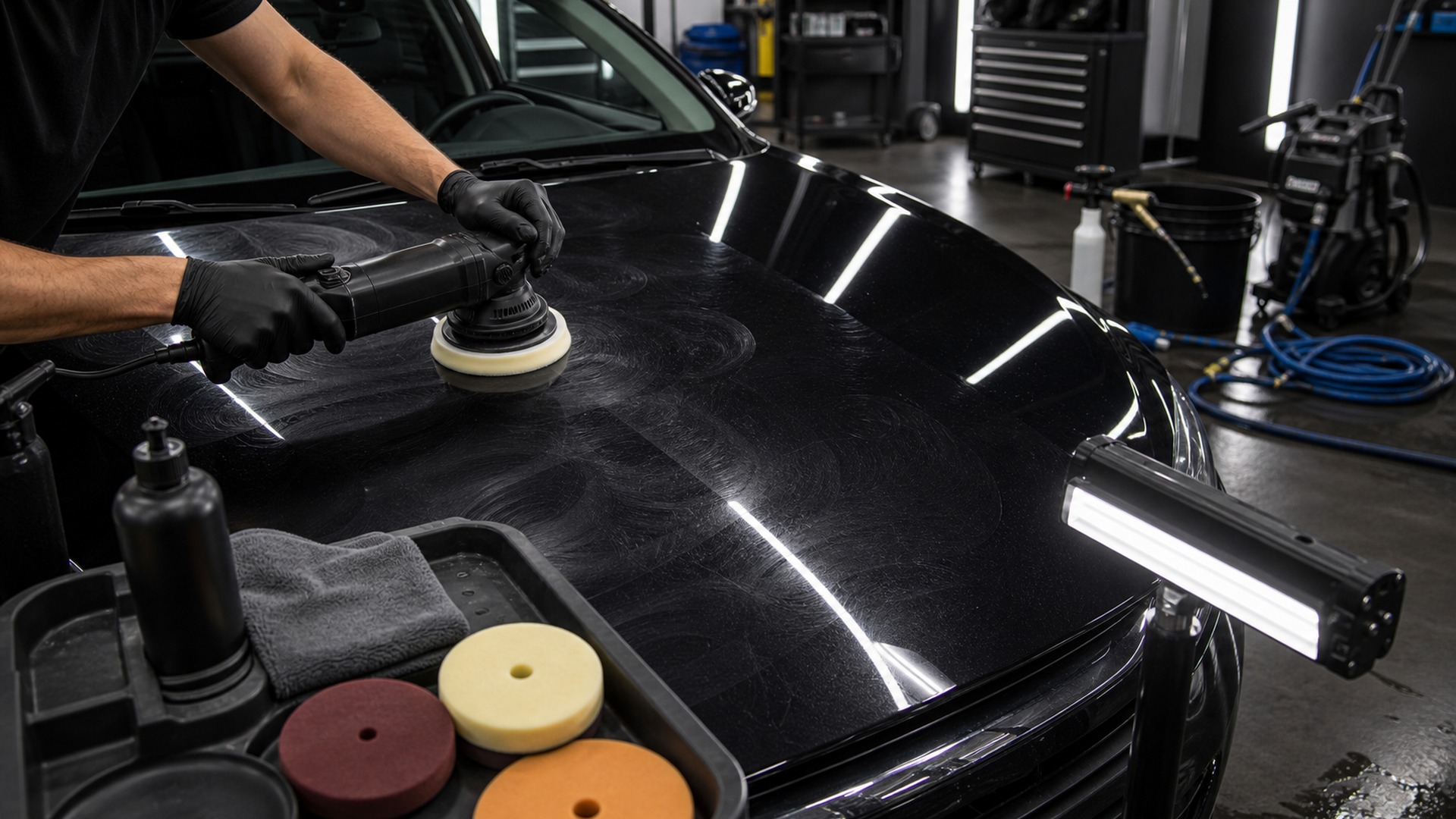
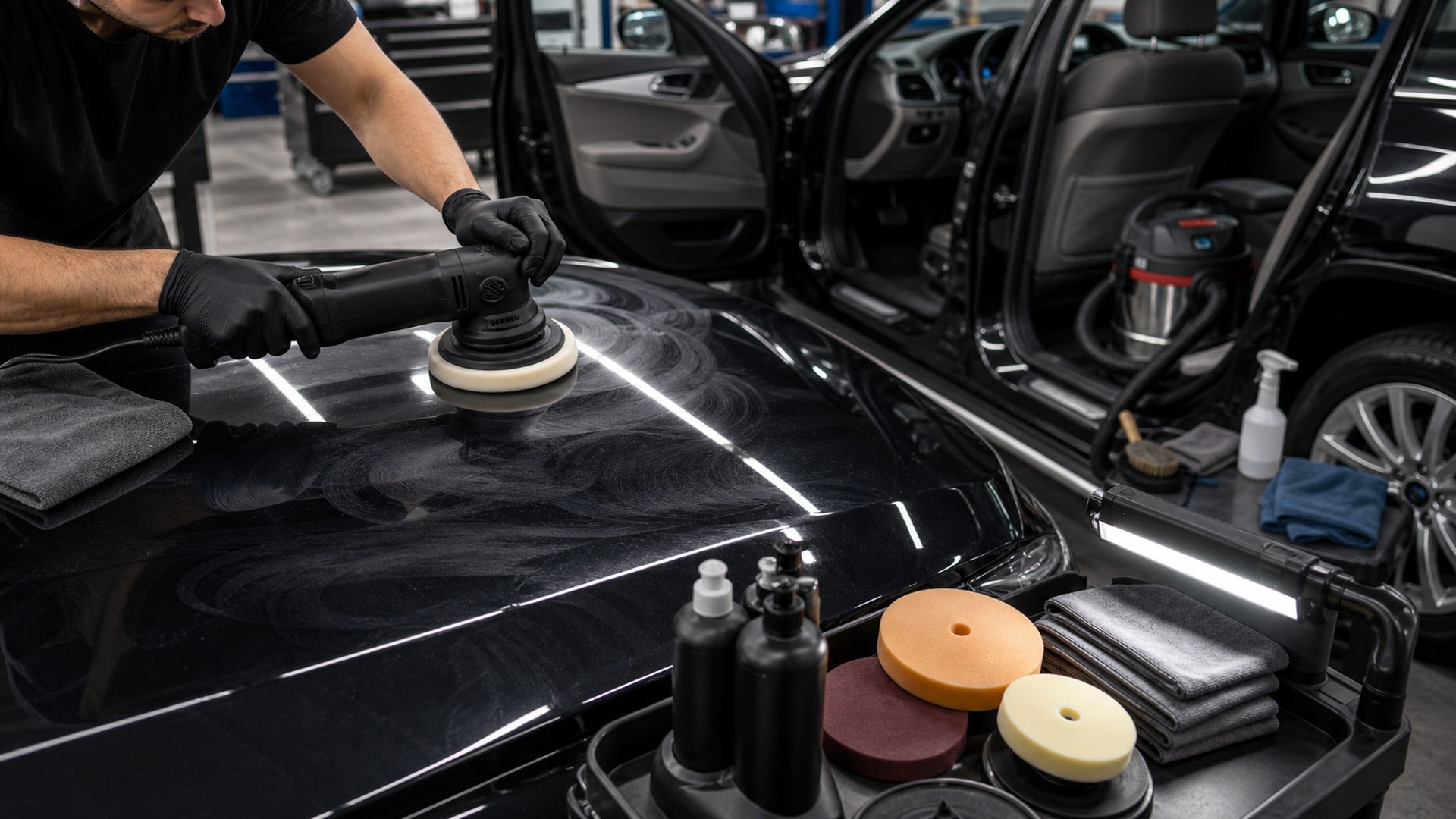
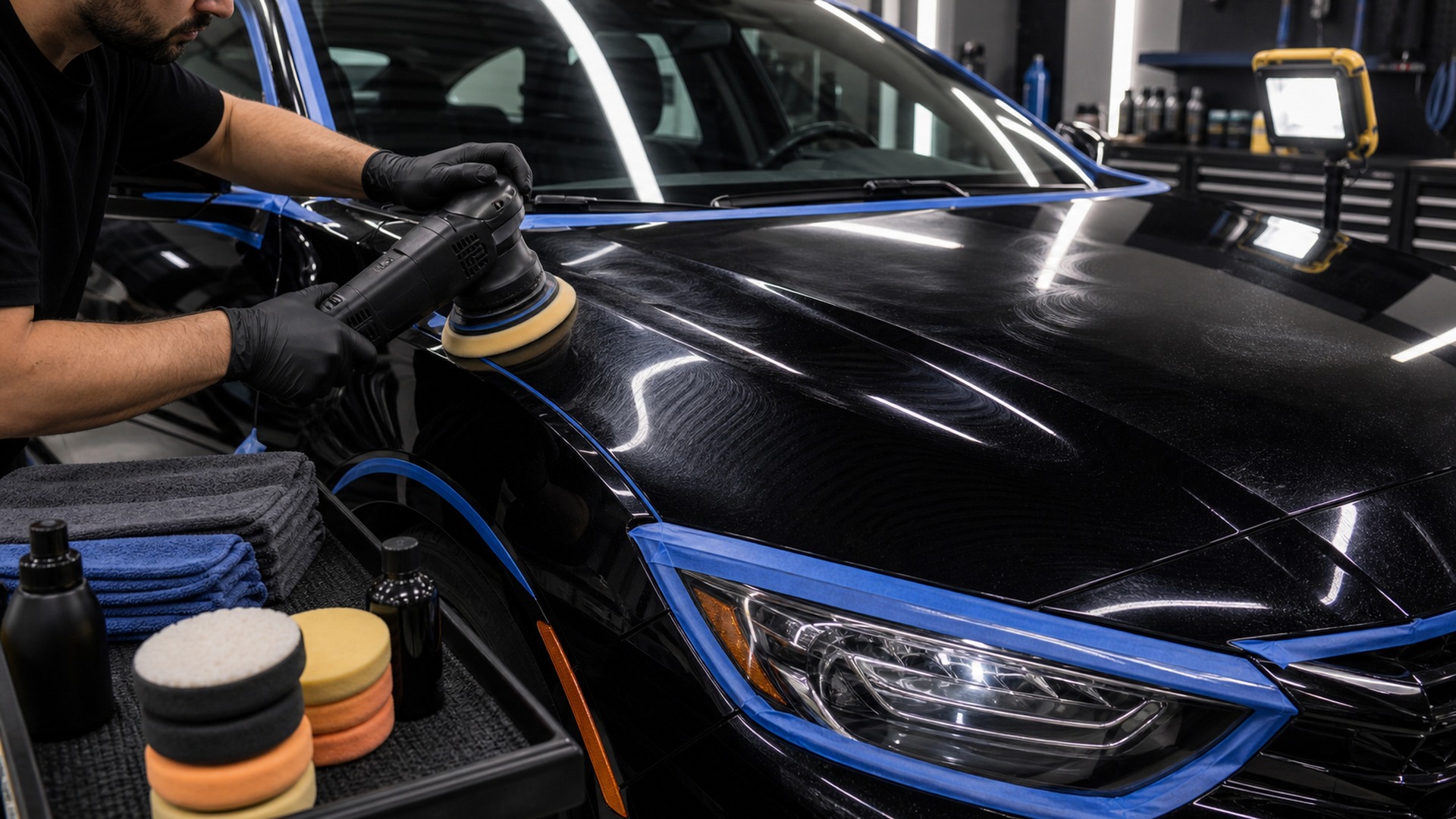
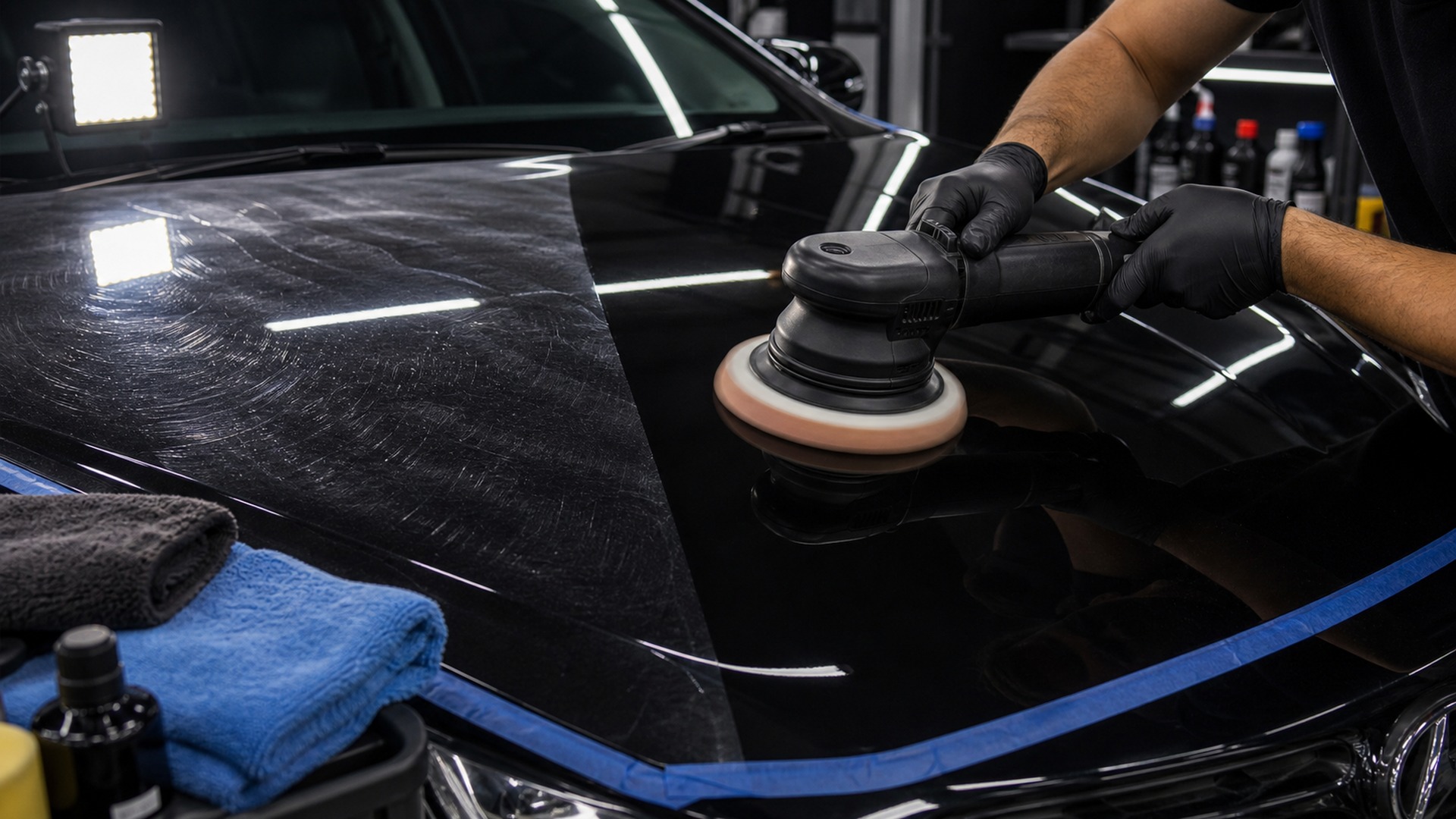
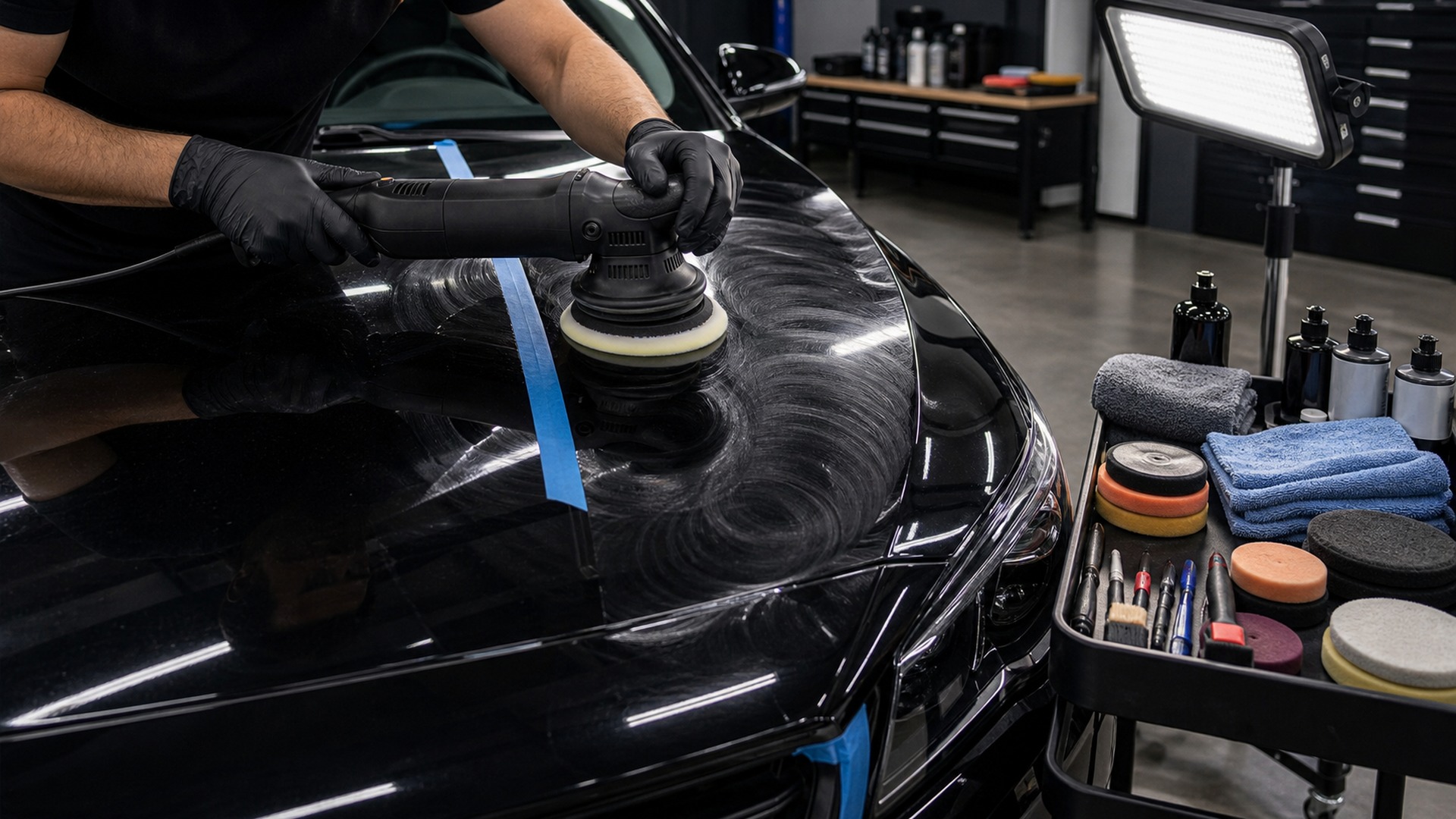
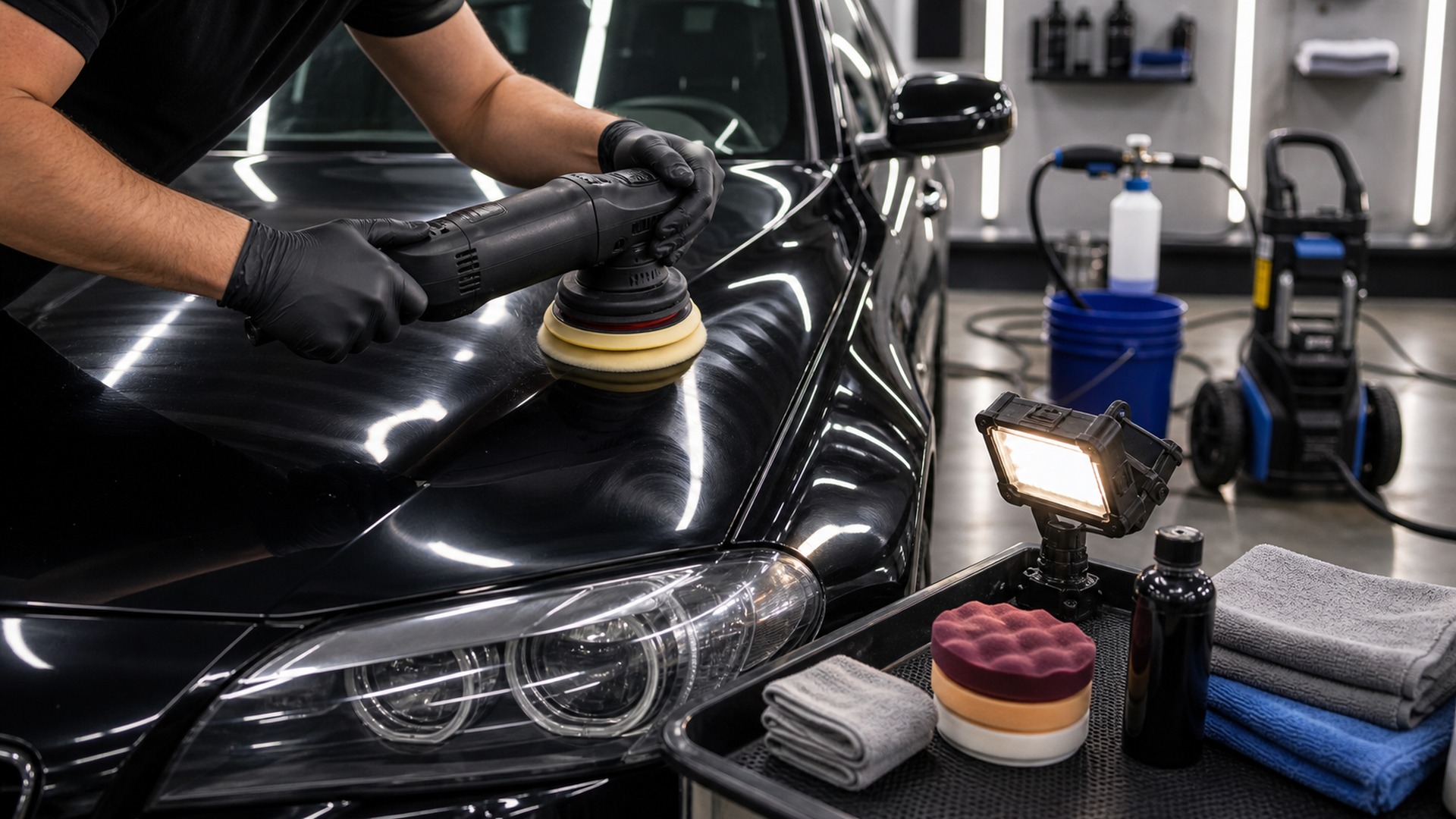
Polishing and paint correction deliberately change an exterior painted surface. Abrasive particles, pad contact, and machine movement refine or remove a microscopic amount of oxidation, paint, or clear coat around selected defects. The process is bounded by defect depth, coating reserve, geometry, heat, residue-free inspection, and downstream protection.
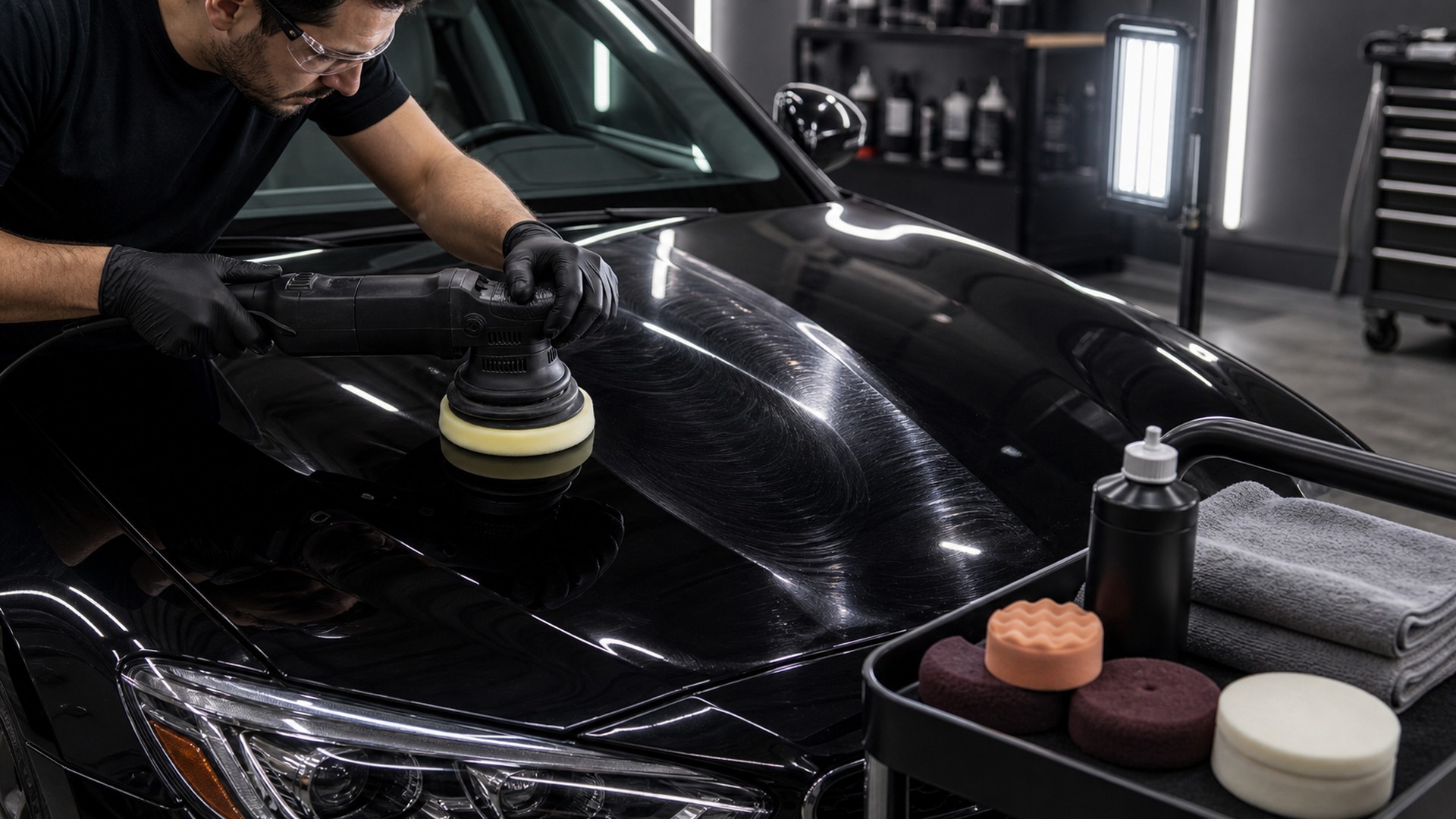
Paint correction puts powered rotating or orbiting equipment, abrasive liquids, cords, towels, dust, and body movement next to paint, glass, trim, badges, sensors, openings, and people. Safety controls begin before polishing: inspect tools and cables, read product guidance, establish PPE, route power, stabilize footing, and map fragile geometry.
Operating function matters because polishing actions that look similar can do different physical work. A cleaner may remove residue, a compound may level oxidation or clear coat, a finishing polish may remove micro-marring, and an all-in-one may combine modest abrasion with fillers or protection. Gloss alone does not identify which function occurred.
Use polishing and paint correction when clean, decontaminated, dry paint still shows correctable oxidation, haze, wash marring, sanding marks, or scratches and the desired improvement requires controlled abrasive leveling. The paint must have a defensible margin, and a conservative test spot must produce repeatable improvement without unstable heat or finish.
Polishing and paint correction deliberately alter the painted surface. Abrasive particles, pads, and controlled machine motion refine or remove a microscopic amount of oxidation, clear coat, or paint around selected defects. The job is bounded by defect depth, film build, geometry, heat, residue, inspection, and an acceptable remaining margin.
Paint-correction fitment matters because the same mark can be removable transfer, bonded contamination, oxidation, clear-coat marring, a deep scratch, repaint texture, cracking, or failure below the surface. Each has a different safe response, and some should not be polished at all.
Paint correction works by changing the surface around a defect. Abrasive compound carried by a pad removes or refines a microscopic amount of oxidized paint or clear coat so the surrounding plane better matches the defect. It does not pull a scratch upward or add missing coating.