AutoCar Care & DetailingPaint Protection

Why Paint Protection Safety Factors Matters

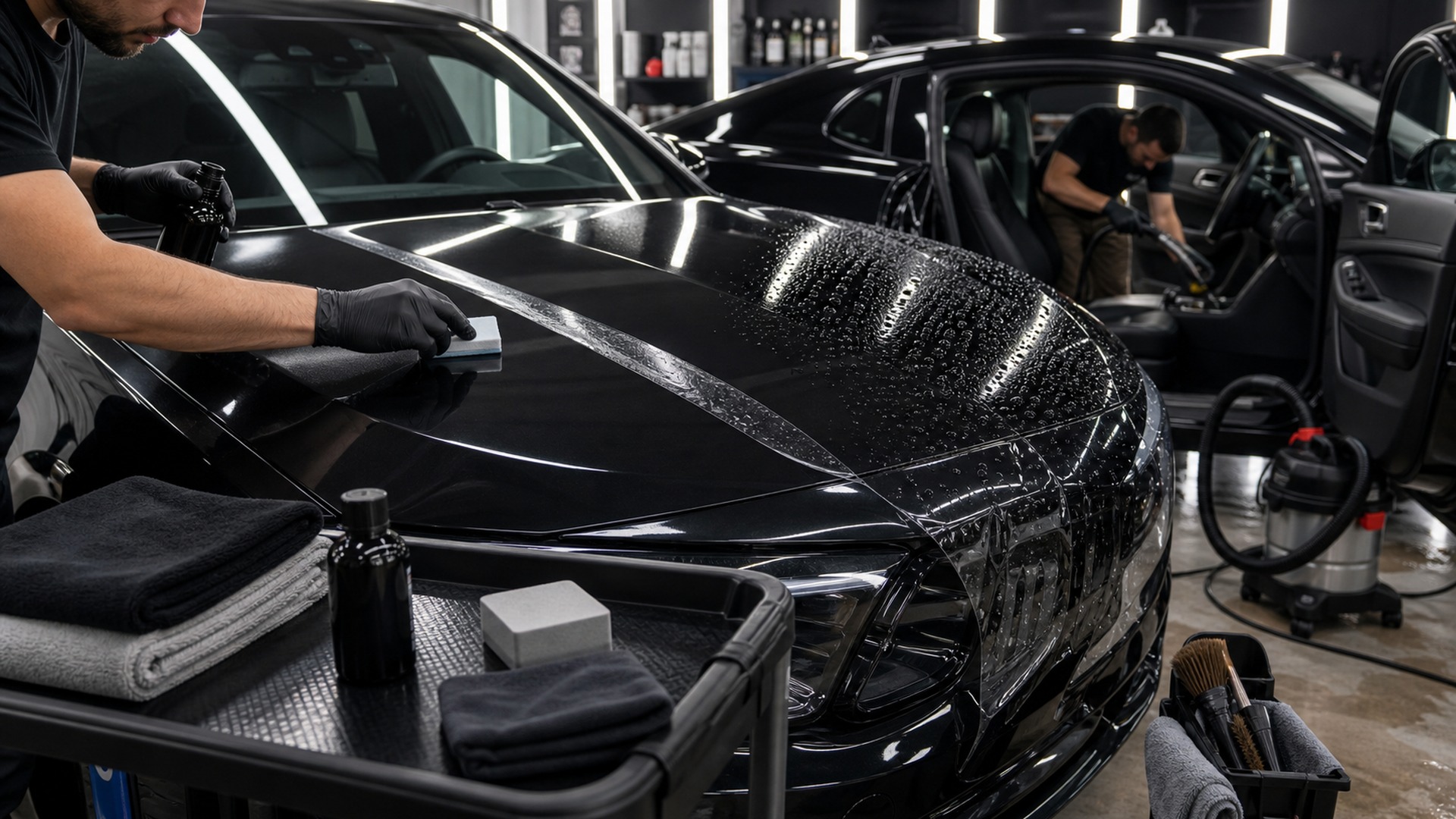
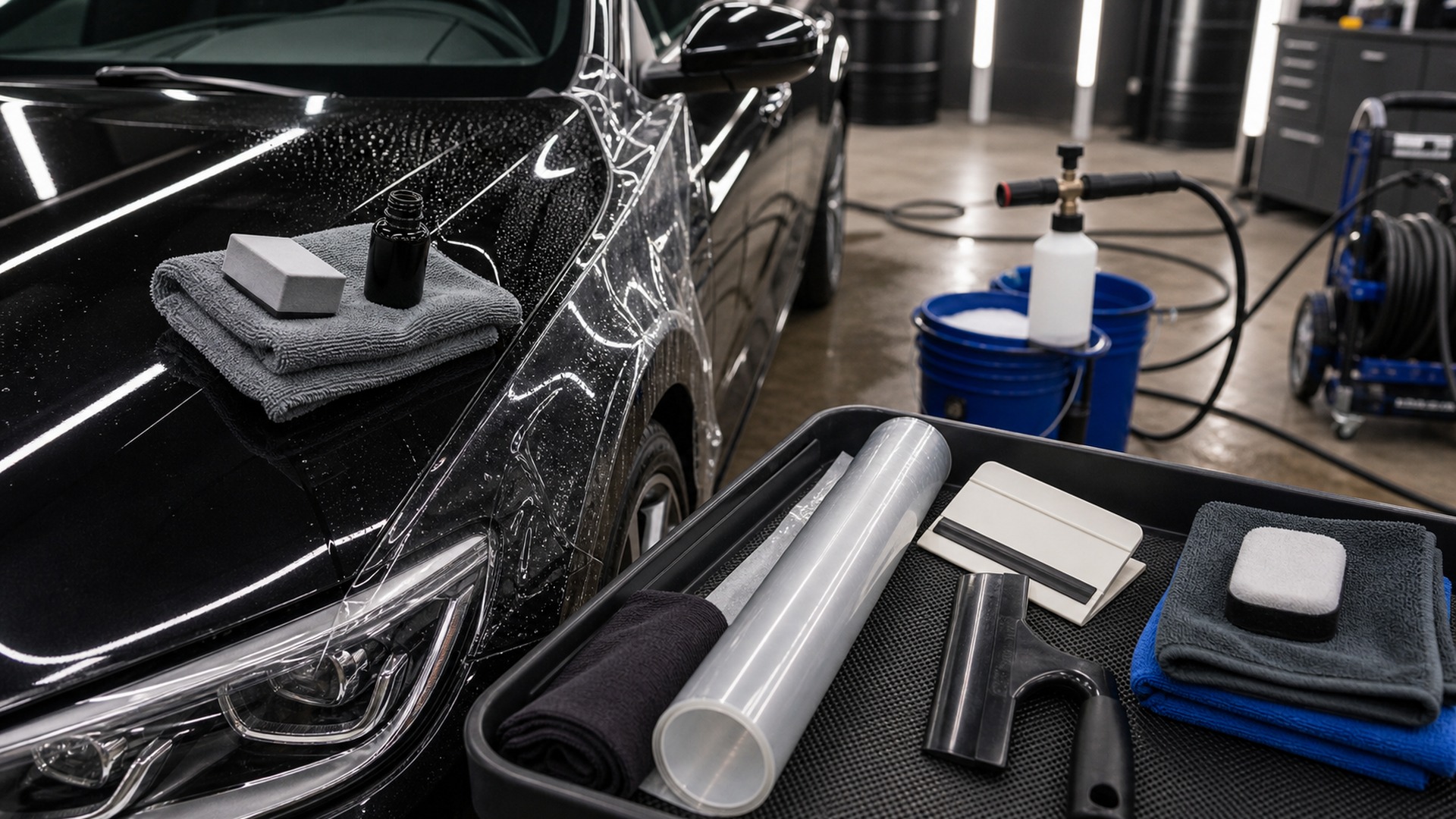
Paint-protection work combines cleaning chemicals, solvents or carriers, powered tools, water, sharp film-cutting implements, awkward body positions, and a vehicle filled with sensitive trim and electronics. Safety begins with labels and safety data sheets, then converts their limits into ventilation, PPE, ignition control, handling, storage, and spill plans.

AutoCar Care & DetailingPaint Protection

Why Paint Protection Operating Function Matters

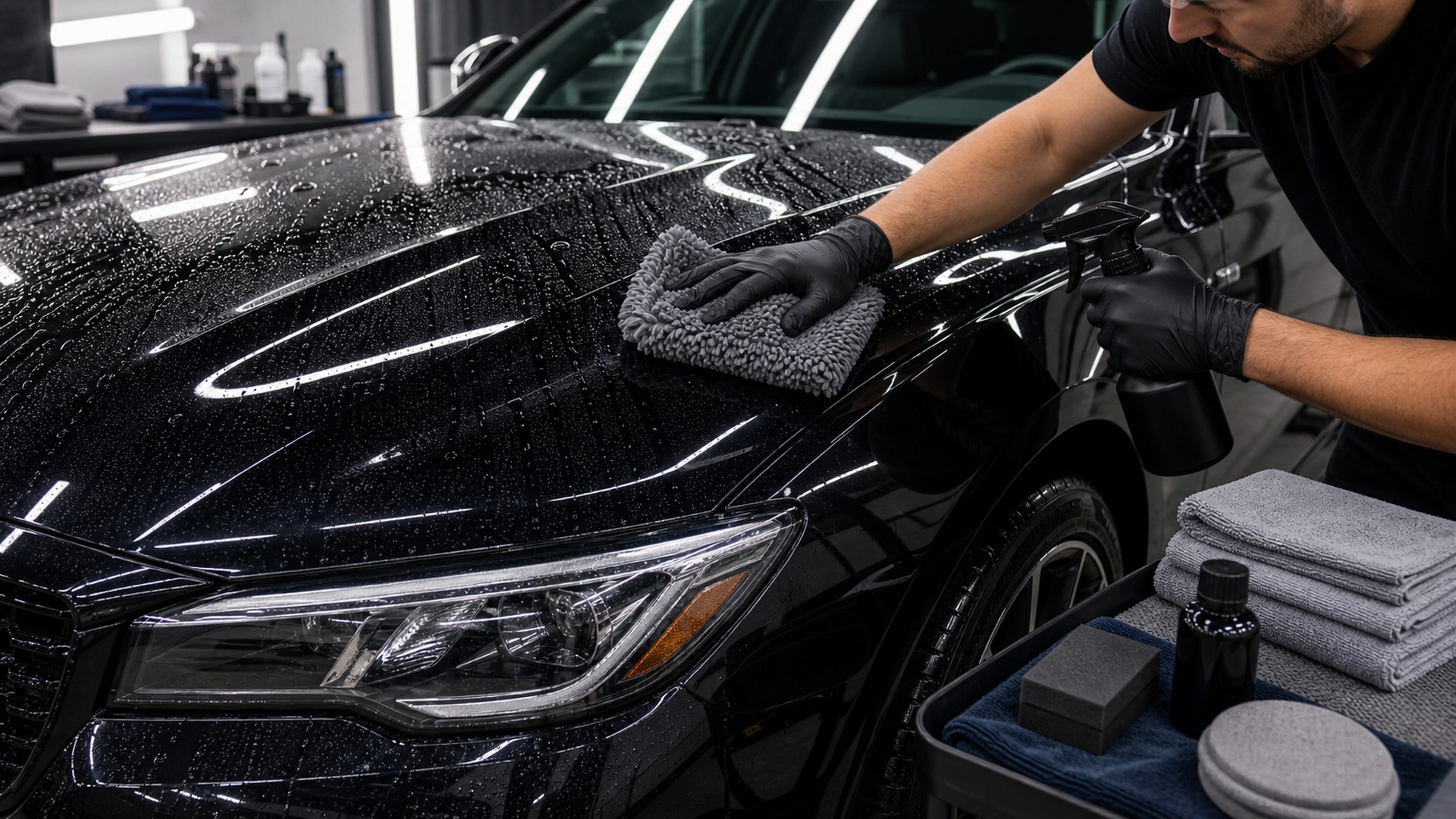
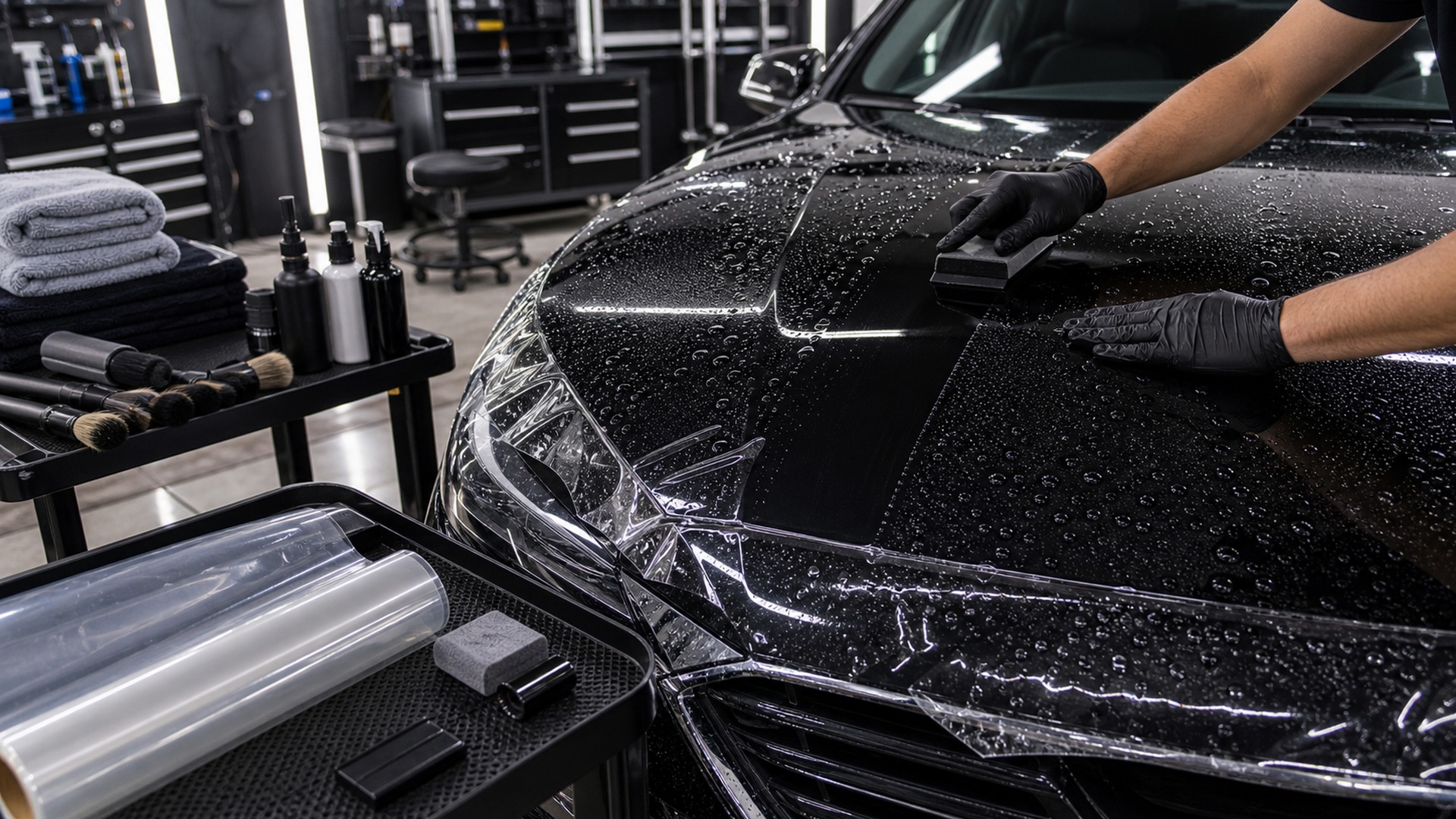
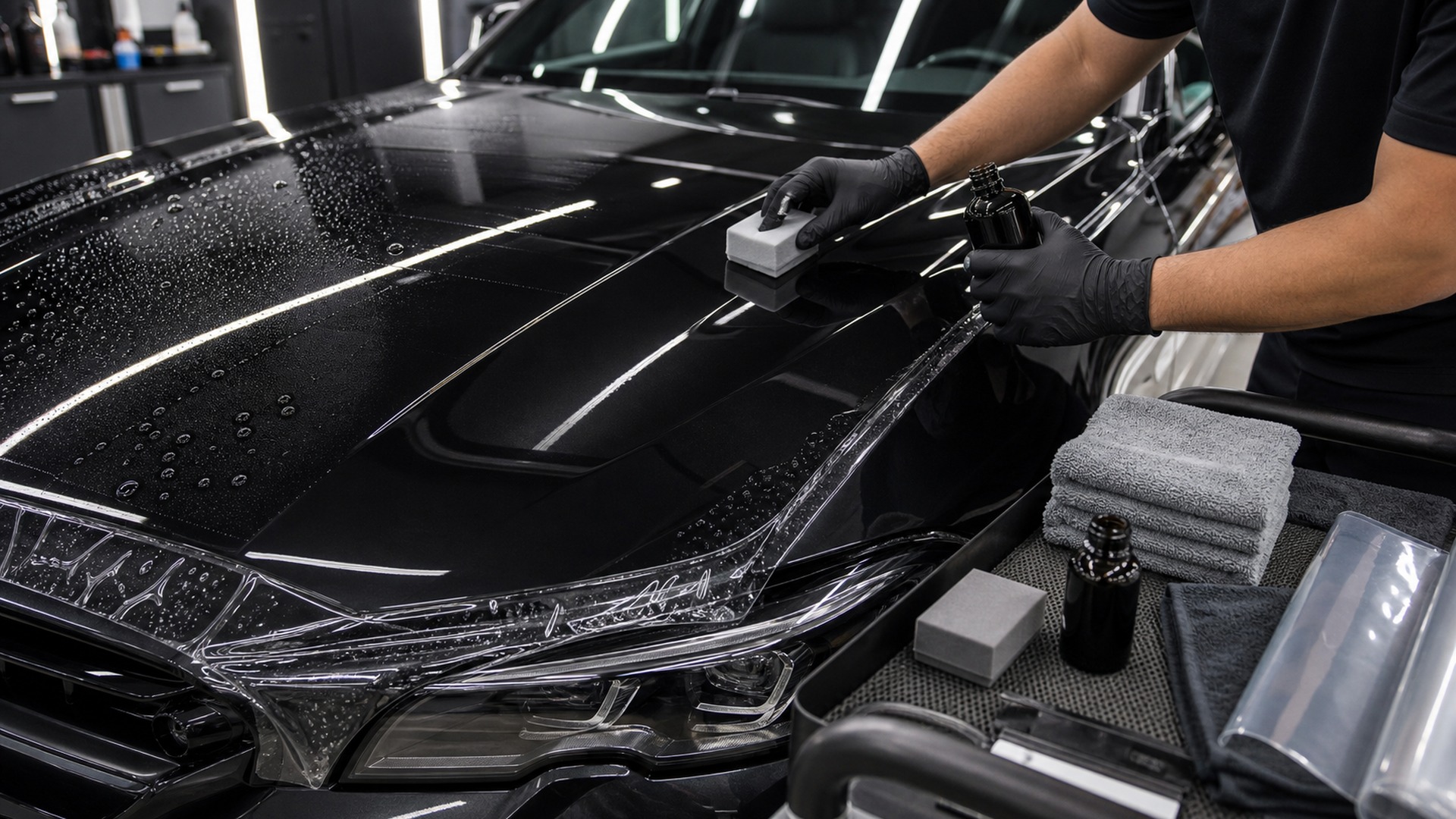
Paint protection matters because different materials perform different functions. Wax and sealant leave replenishable films; ceramic coatings alter surface interaction after wetting, leveling, and cure; paint-protection film adds a thicker polymer sheet held by adhesive. These functions address different exposures and cannot be ranked by one number.

AutoCar Care & DetailingPaint Protection

Why Paint Protection Fitment Matters

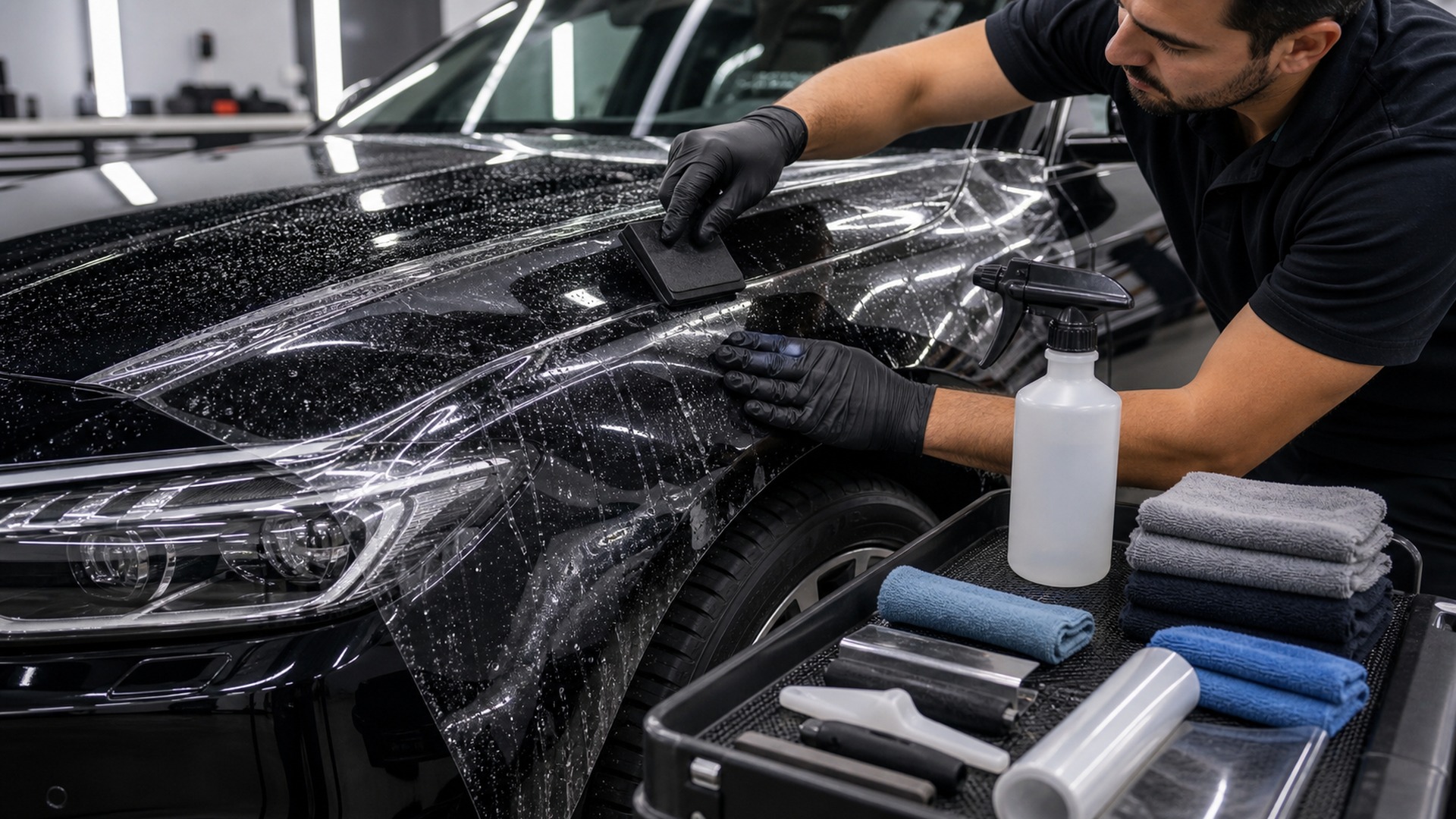
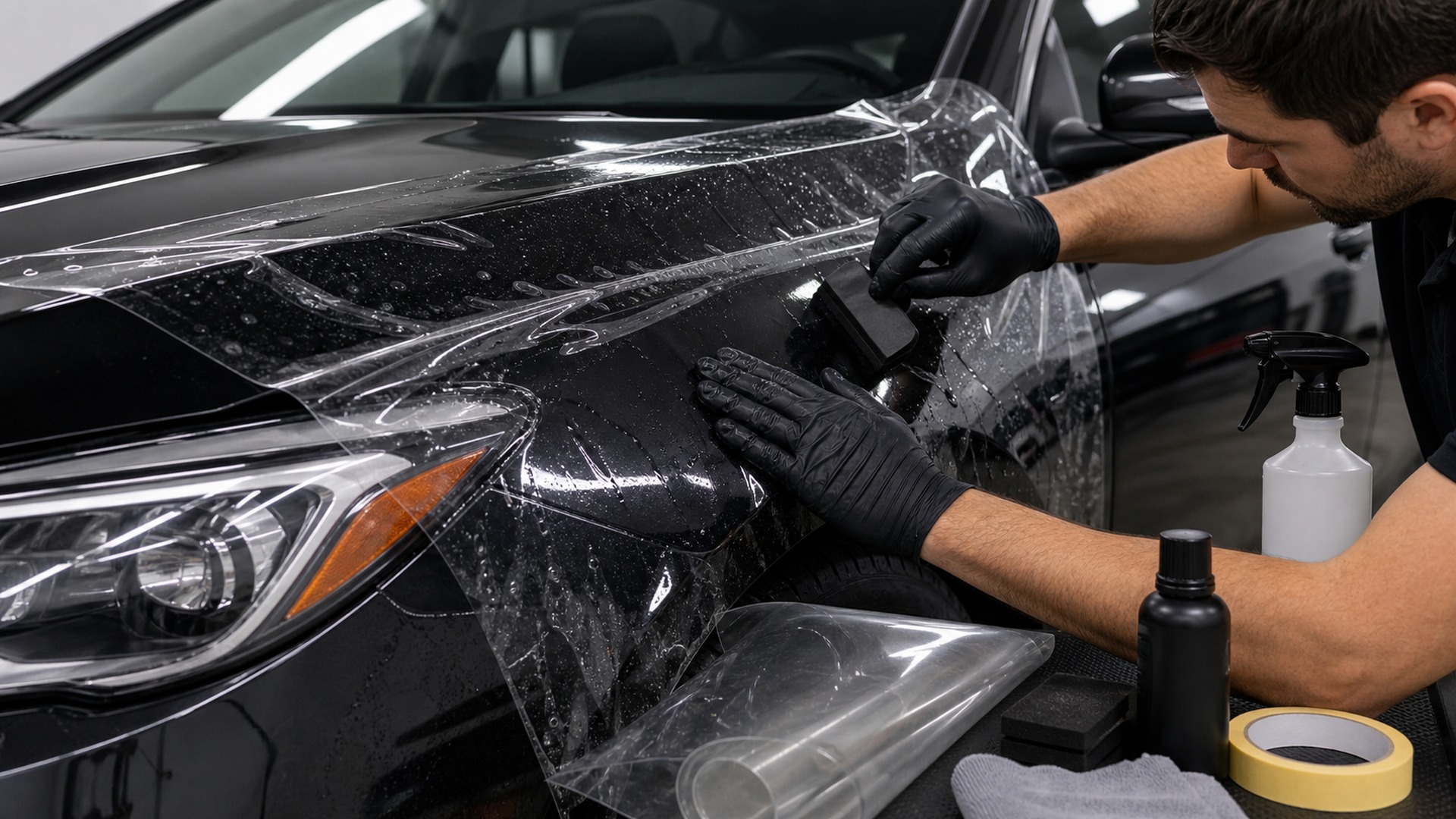
Paint-protection fitment is more than selecting gloss or durability. The substrate may be original paint, repaint, matte finish, repaired clear coat, existing coating, or film; each changes preparation and adhesion. Coverage geometry, edges, sensors, trim, badges, and panel shape determine whether liquid coating or cut film can be applied and inspected.

AutoCar Care & DetailingPaint Protection

How Paint Protection Works

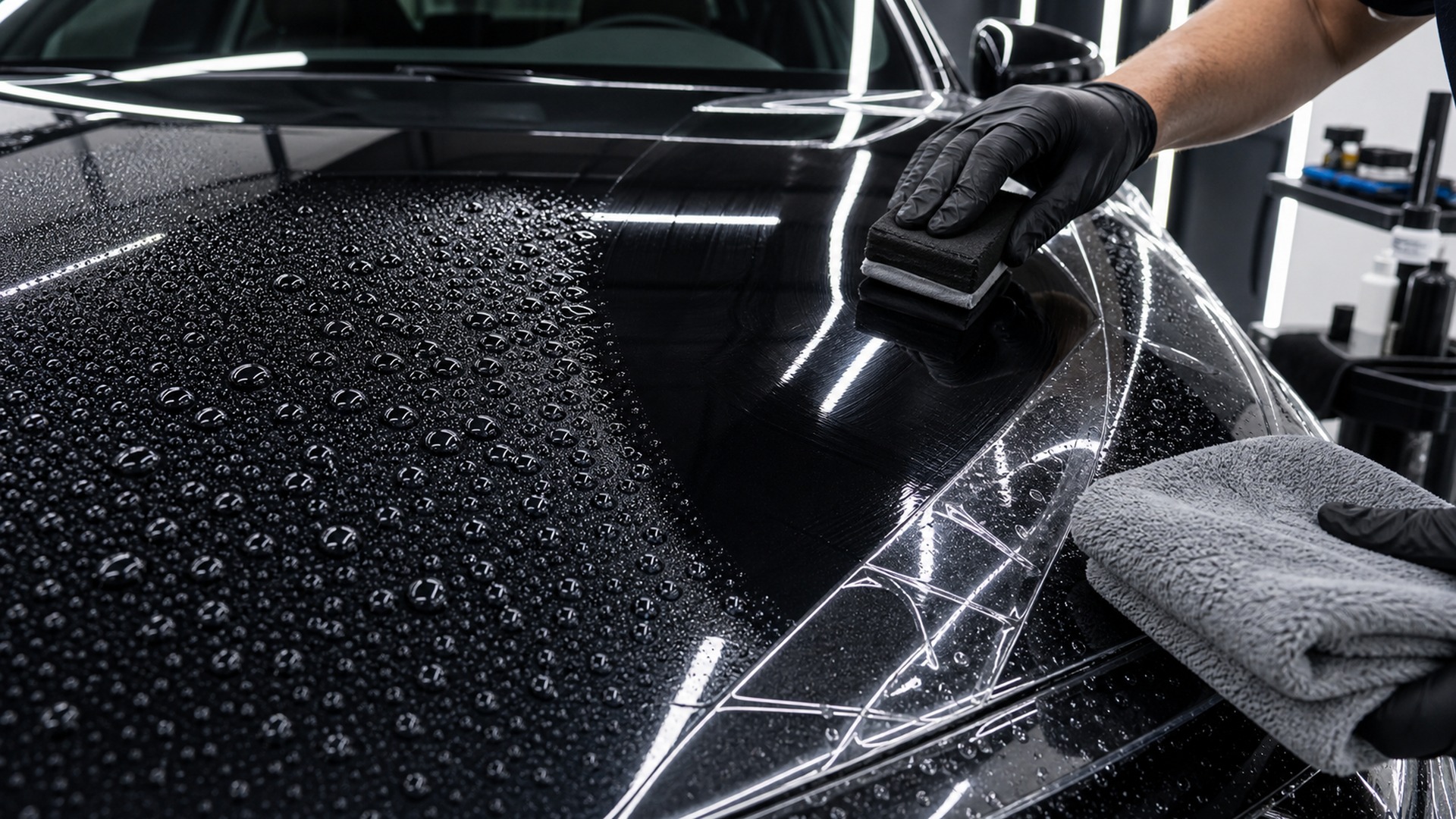
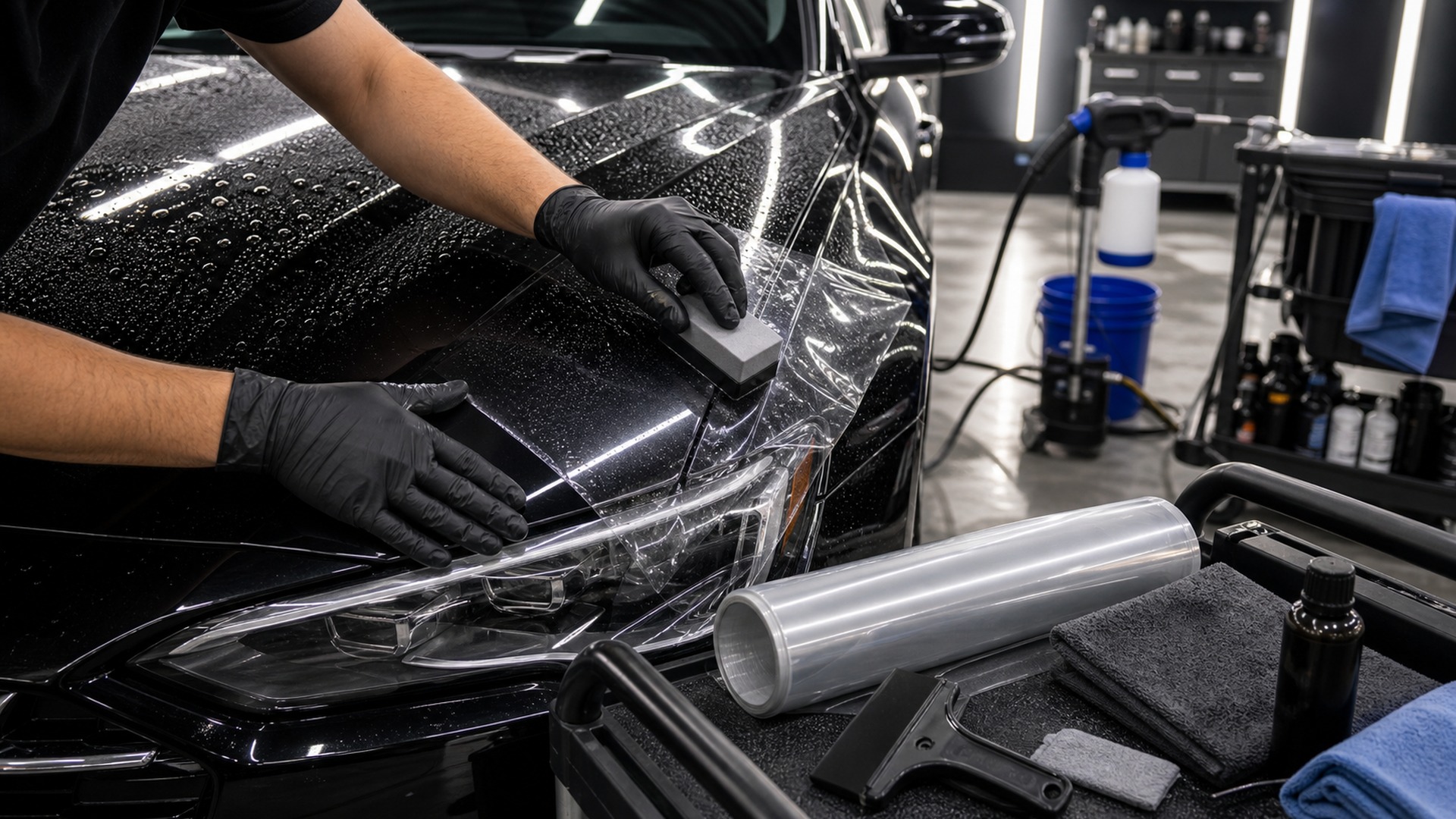
Paint protection works by placing a defined material between automotive paint and selected exposures. Wax or sealant forms a replenishable film; a liquid coating wets prepared clear coat, flashes, levels, and cures; paint-protection film uses adhesive to retain a thicker polymer sheet. Each system changes only specific surface interactions.