Why Car Audio Systems Safety Factors Matters
Car audio safety spans more than battery wiring. Learn how load limits, secure mounting, factory alerts, display behavior, and listening exposure determine whether an installation is safe to use.

Reviews You Can Trust
Car audio safety spans more than battery wiring. Learn how load limits, secure mounting, factory alerts, display behavior, and listening exposure determine whether an installation is safe to use.
A car audio system can power on while one signal, power, or acoustic handoff fails. Learn how defined operating functions improve tuning, diagnosis, protection, and vehicle integration.
Choose a car audio system when the unmet need is sound: intelligibility, music quality, output, bass extension, channel coverage, source integration, hands-free prompts, or acoustic tuning. The solution may include interfaces, DSP, amplification, speakers, enclosures, protected power, wiring, mounting, measurement, and tuning.
A car stereo head unit is a source-and-control component. It may provide radio, phone integration, media playback, display, navigation, decoding, volume, equalization, internal amplification, preamp outputs, and interfaces for cameras or vehicle controls. Its exact scope varies widely, especially when factory functions are distributed across multiple modules.
Car-audio fitment is more than dash dimensions or speaker diameter. The same model year can have different factory amplifiers, networks, active-noise systems, premium options, chimes, microphones, antennas, steering controls, voltage behavior, and channel processing. Those differences decide where a clean usable signal exists and which functions must remain.
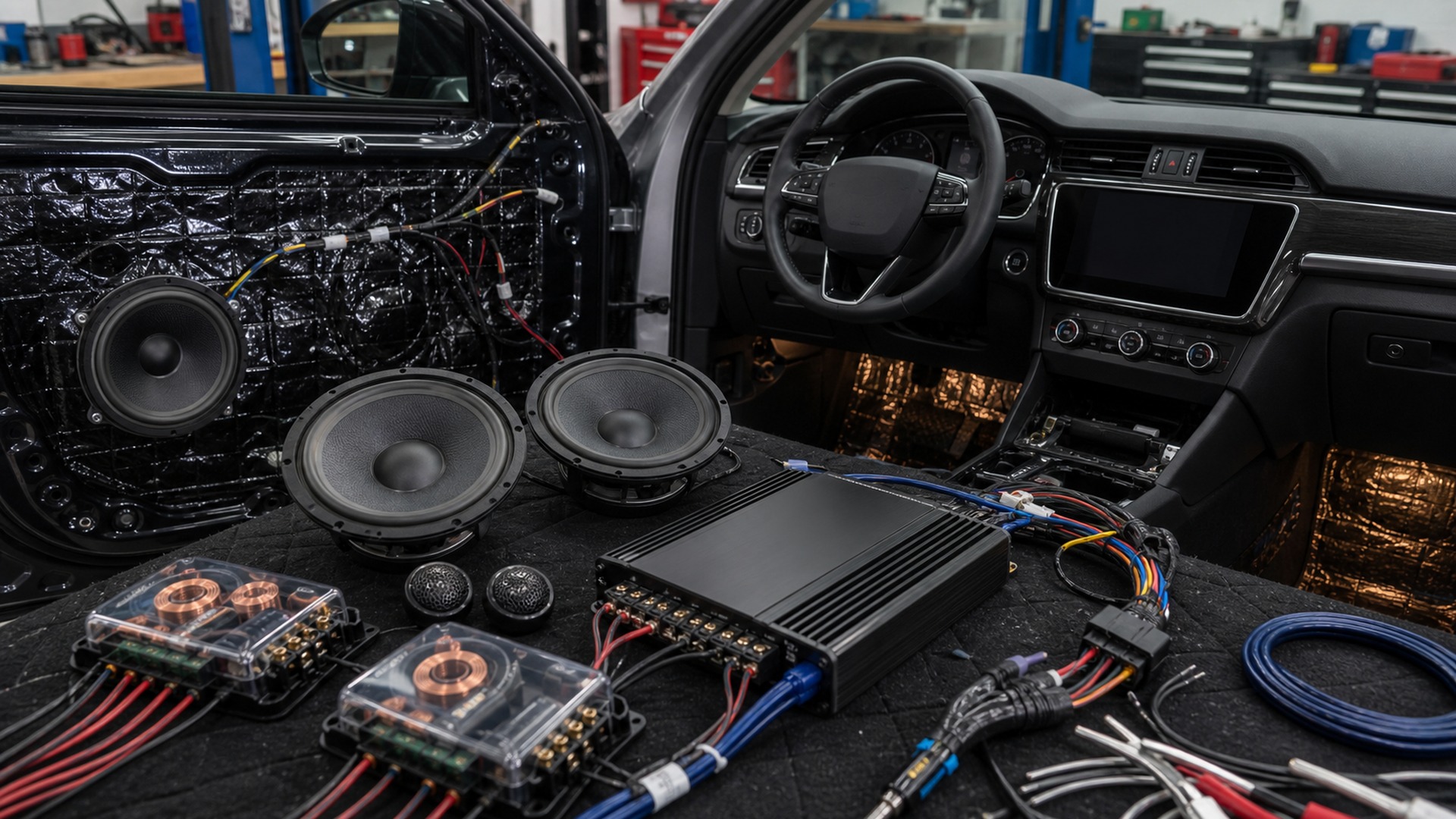
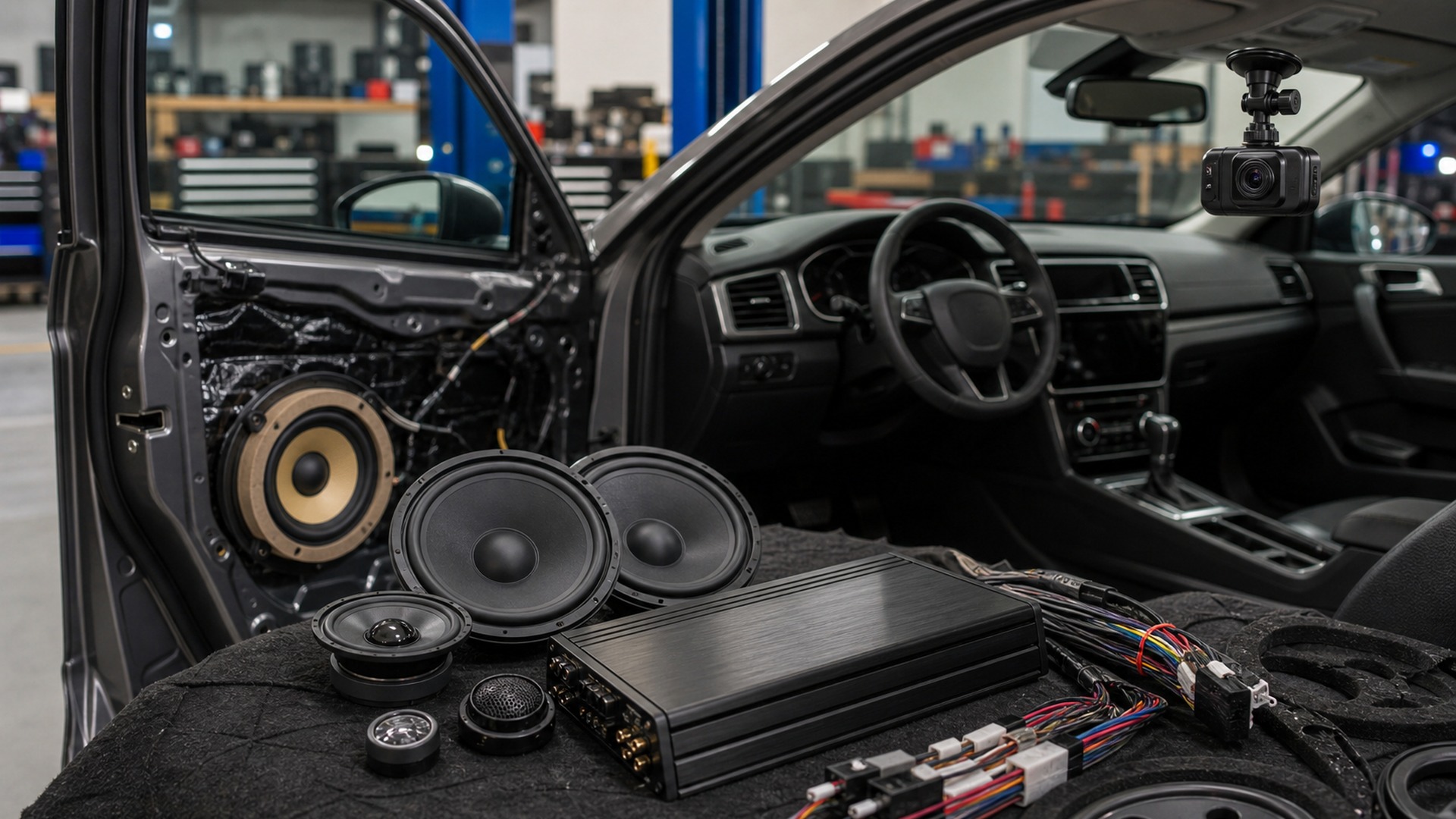
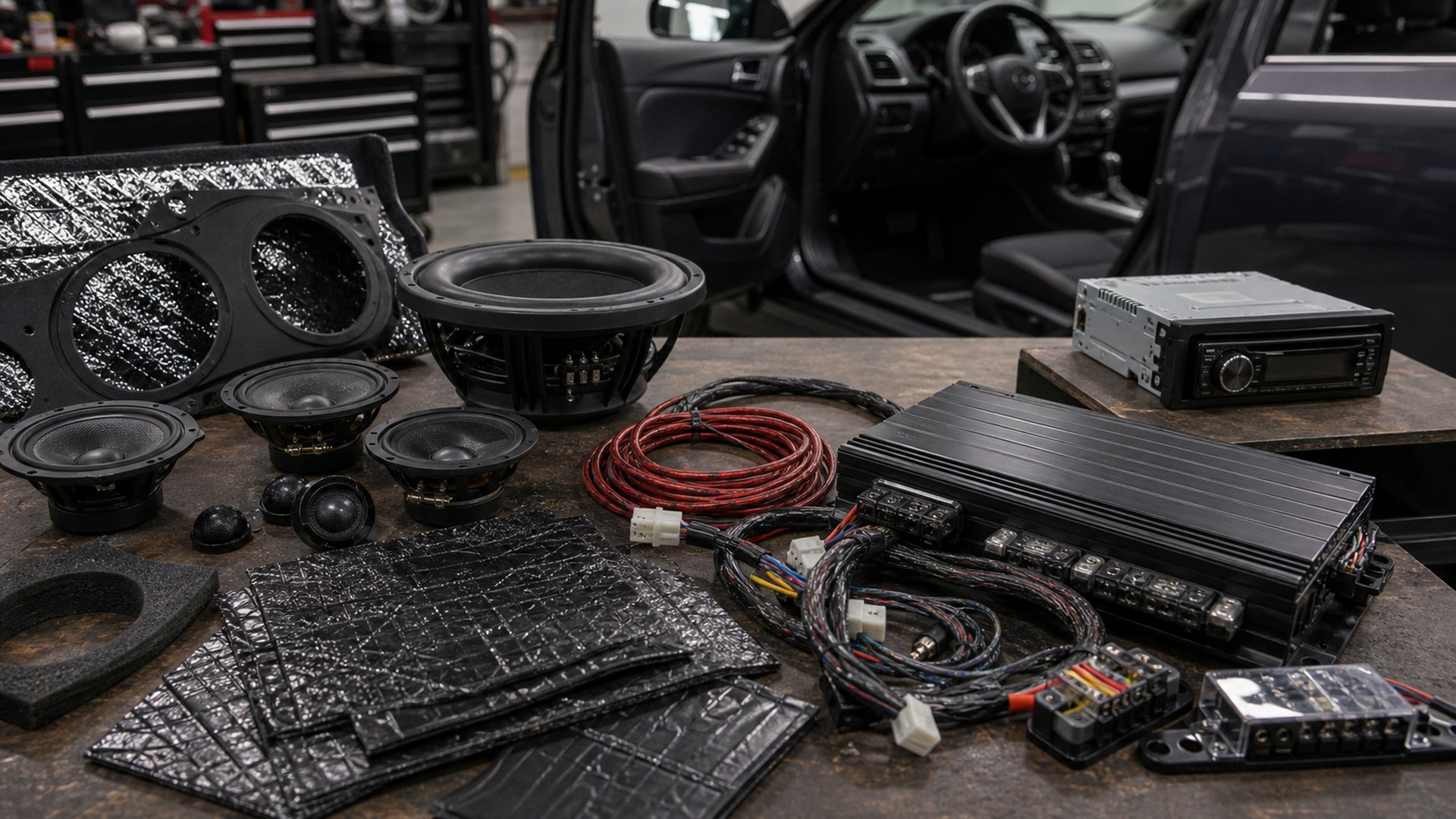
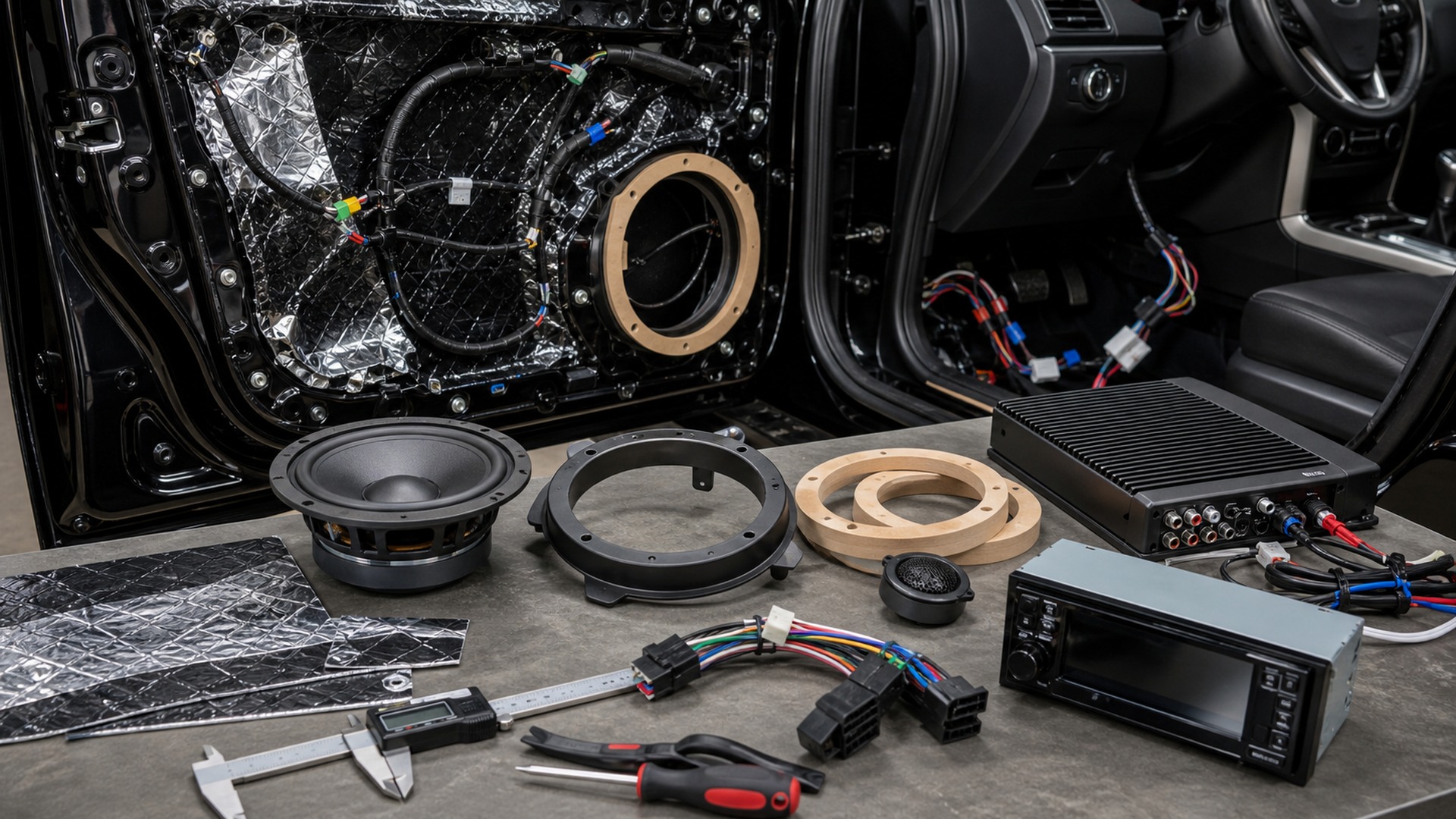
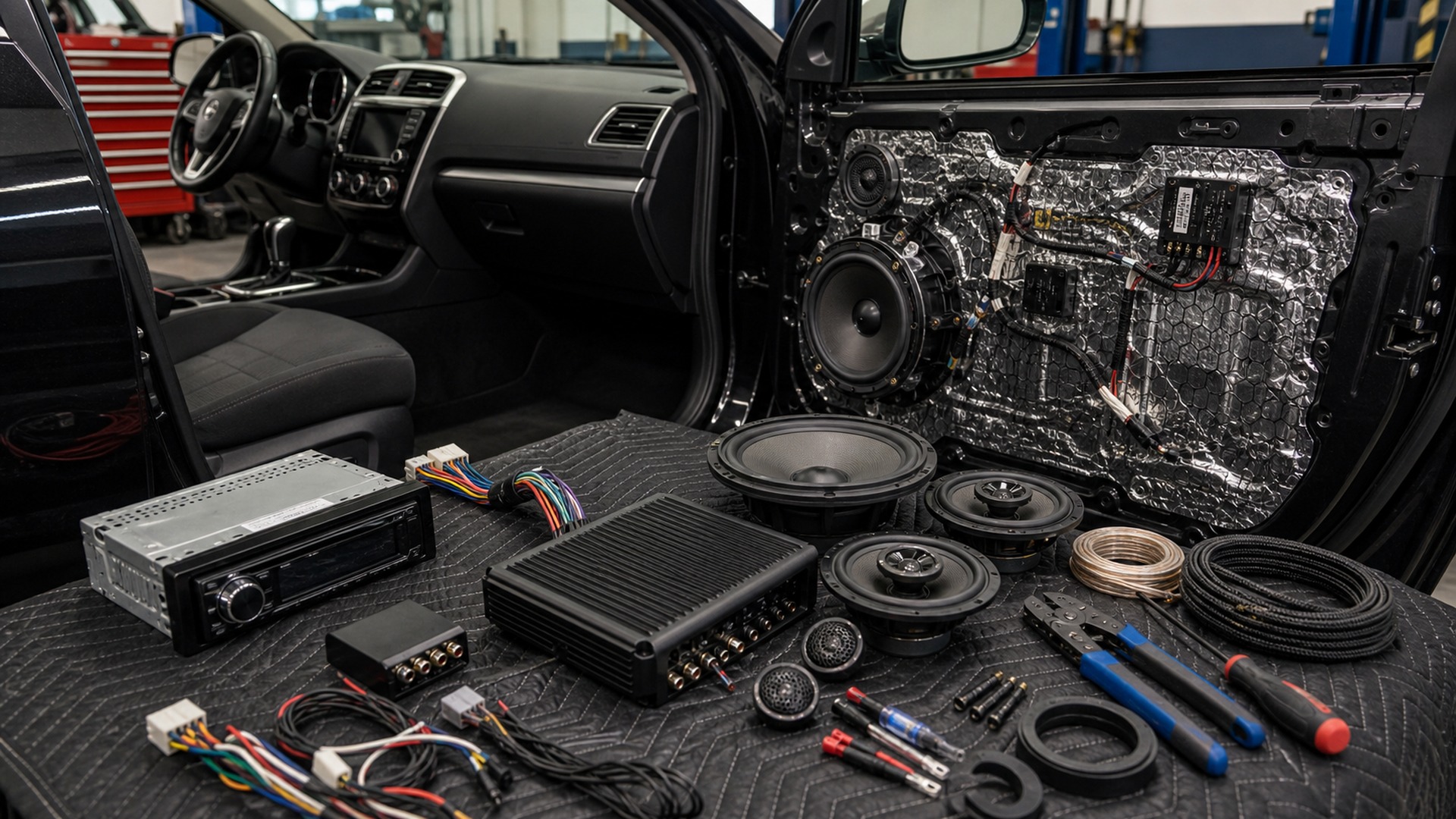
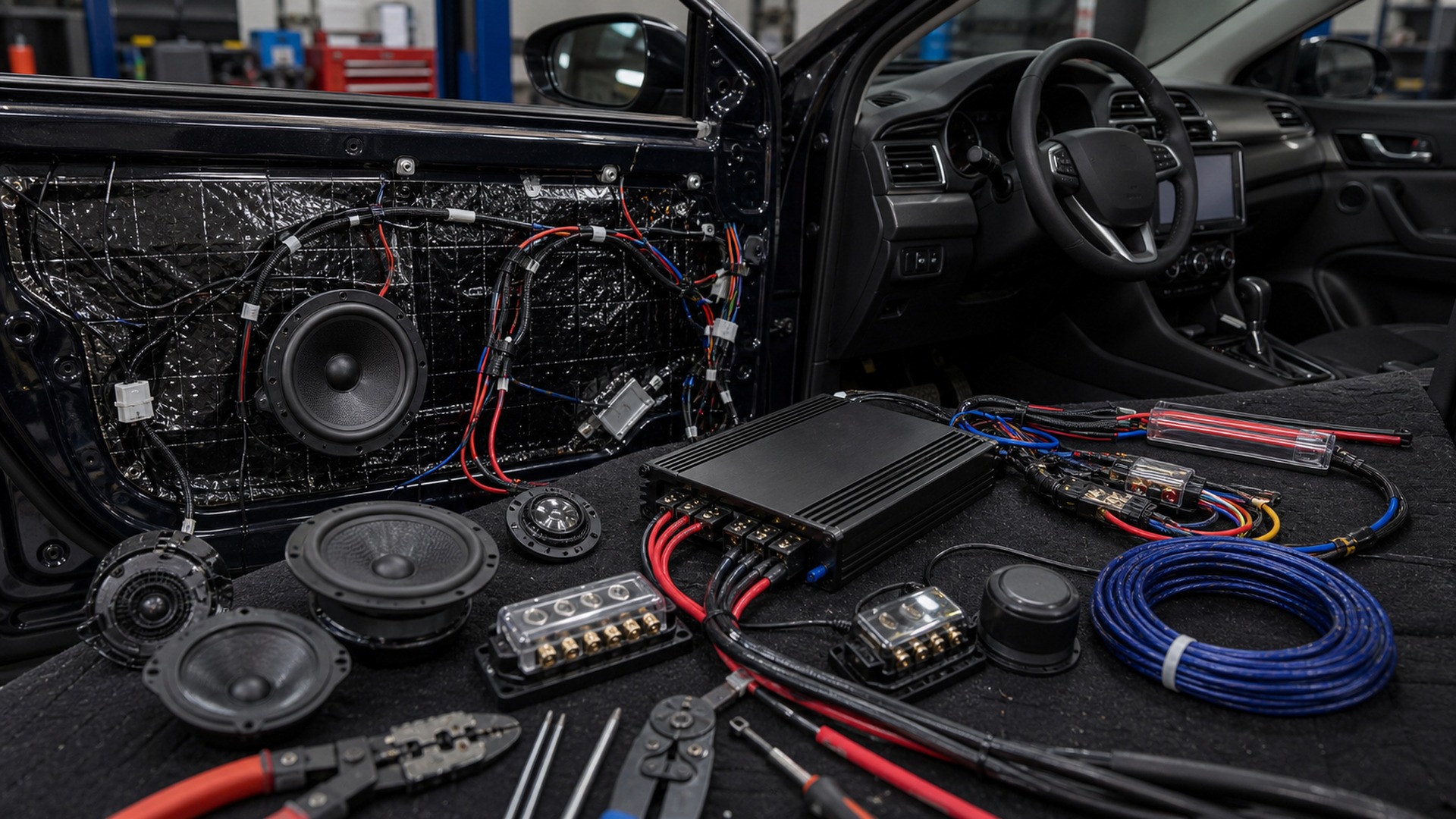
A car audio system converts stored, streamed, broadcast, or vehicle-generated information into sound. The source creates a digital or analog program signal; integration preserves required factory functions; processing routes channels, equalizes response, sets delay, and divides frequencies; amplifiers raise signal power; speakers convert electrical energy into air movement.
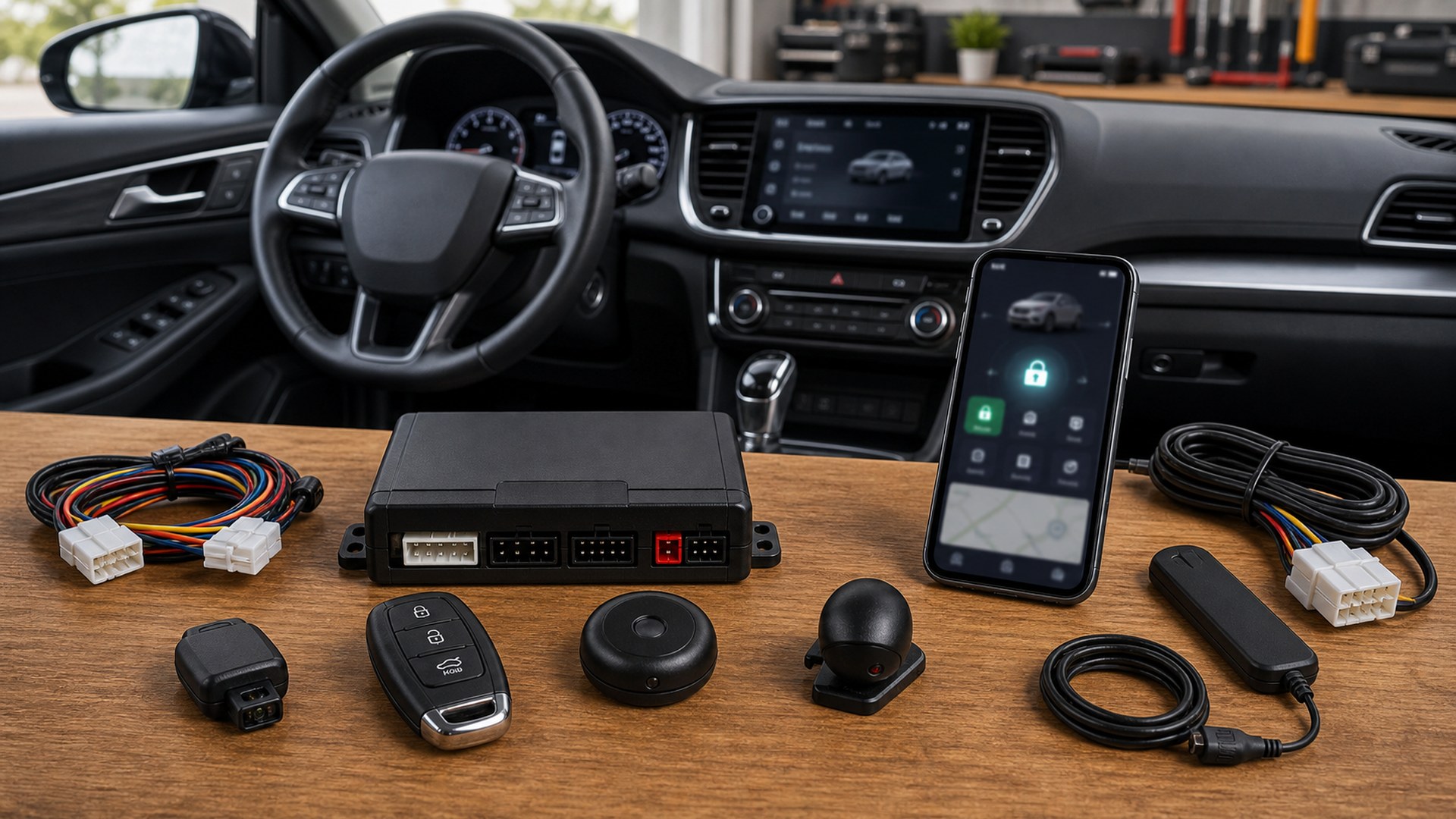
Connect vehicle-security sensors to clear, trustworthy alerts. Compare zone naming, shock, tilt and glass behavior, remote screens, app notification permissions, cellular latency, timestamps, history, location privacy, shared users, multifactor authentication, subscription limits, firmware support, offline fallback, local override, and repeatable event testing.
Select vehicle security for commuters and fleets by daily reliability, driver turnover, keys and remotes, administrator roles, after-hours alerts, location privacy, cellular subscriptions, false-alarm control, sleep current, standardized installation, service mode, incident records, account transfer, replacement parts, and vehicle downtime.
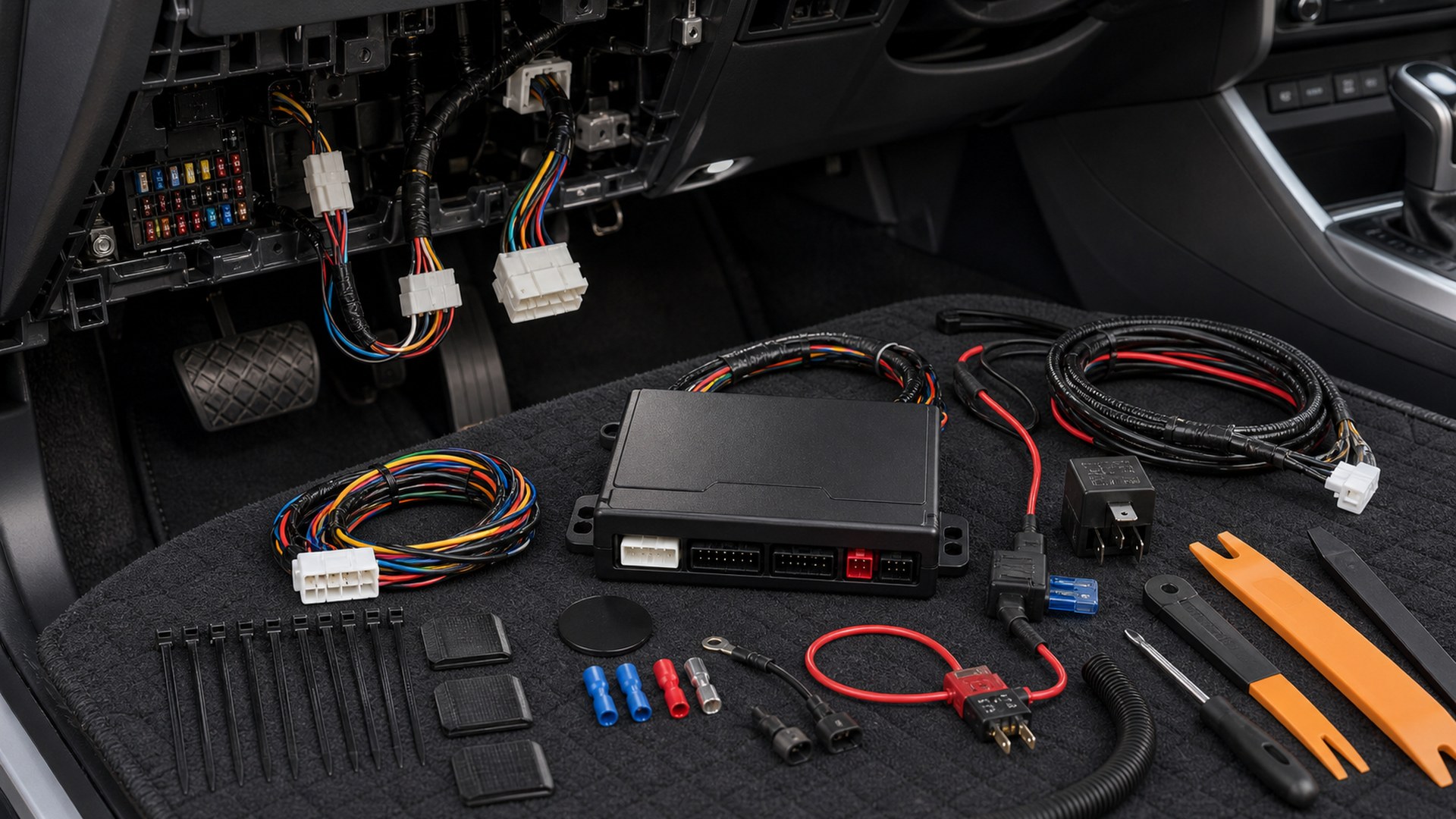
Plan a reliable vehicle-security installation before selecting hardware. Verify the exact year, trim and powertrain; current firmware; T-harness coverage; CAN and immobilizer interfaces; power, fuse, ground and relay design; hood and brake interlocks; airbag-safe routing; sleep current; documentation; service mode; and removal strategy.
Prepare vehicle security for hotels, garages, trailheads, airports, border travel, service stops, and visible cargo. Compare two-way range, cellular roaming, GPS recovery, geofences, tow alerts, backup power, parked current, valet mode, account access, subscriptions, privacy, and a police-ready recovery packet.
Build a vehicle-security feature plan around realistic threats and response distance. Compare visible deterrents, perimeter, shock, tilt, glass and proximity sensors, sirens, starter interruption, two-way remotes, cellular alerts, GPS recovery, geofences, backup batteries, remote start, subscriptions, privacy, and offline fallback.
Add vehicle security without compromising driver-assistance equipment. Verify forward and cabin camera zones, radar and parking sensors, ADAS calibration access, CAN interfaces, keyless ignition, immobilizers, hood, brake and gear interlocks, telematics, parked current, diagnostic scans, firmware, and service mode.