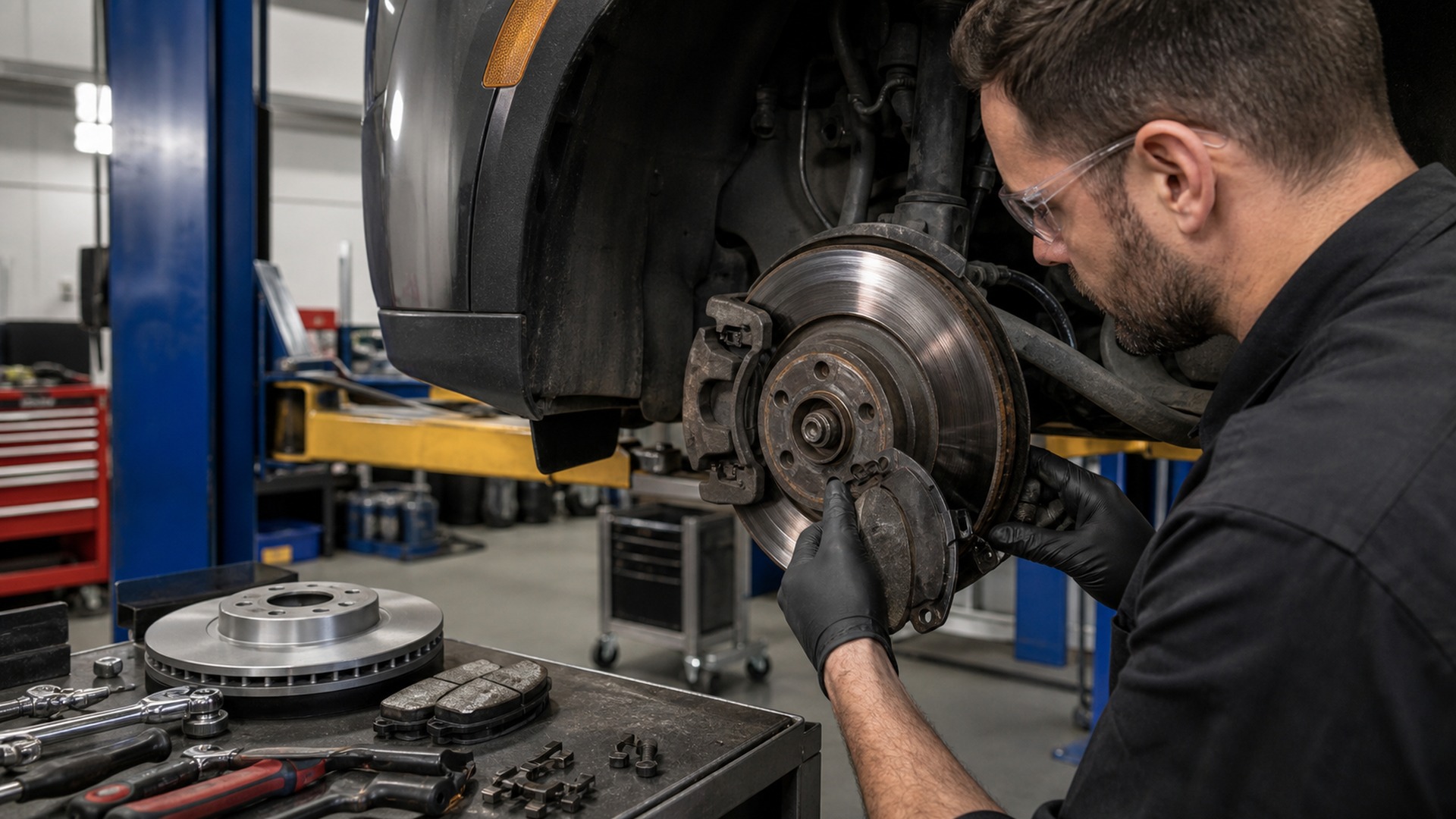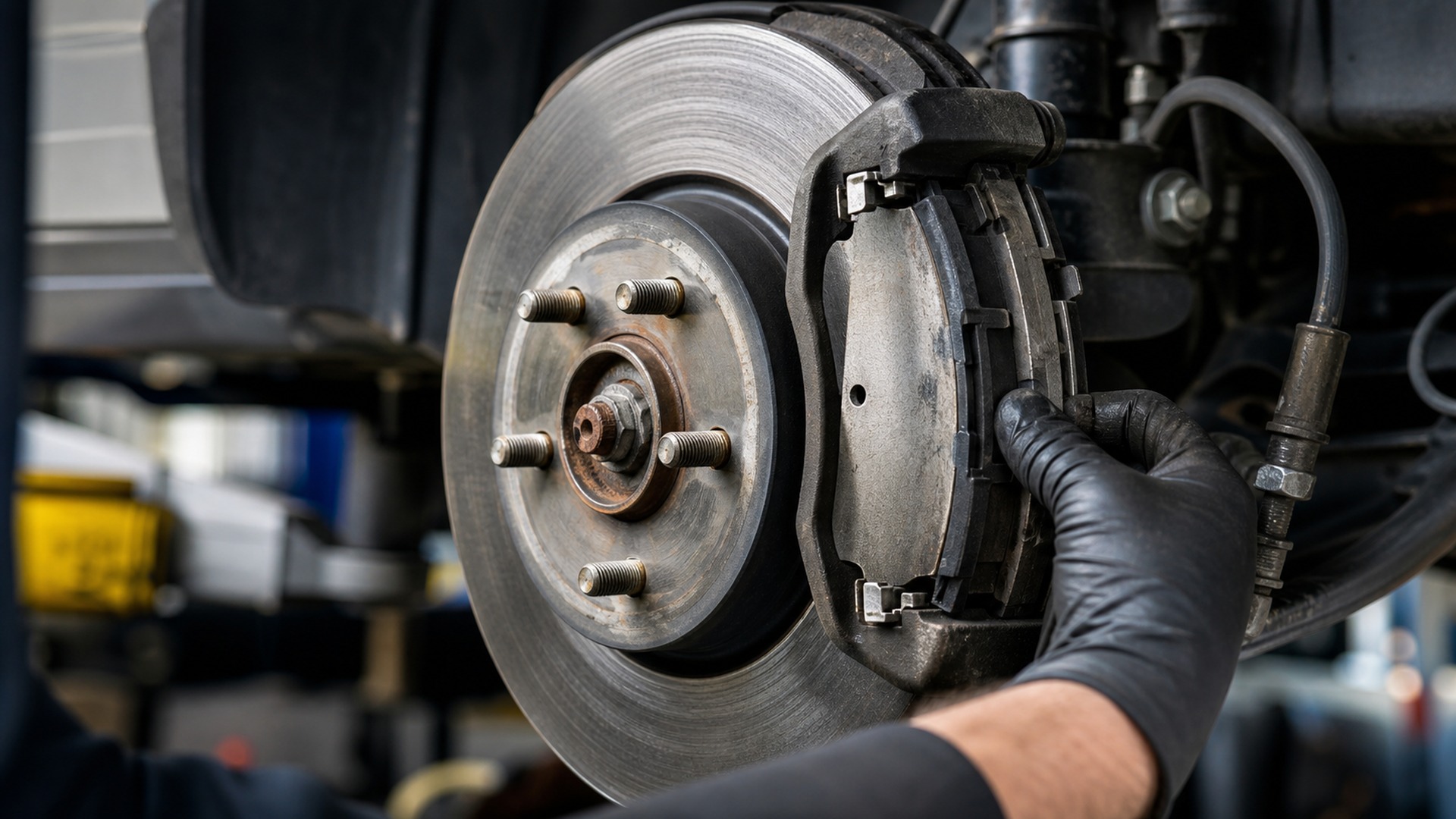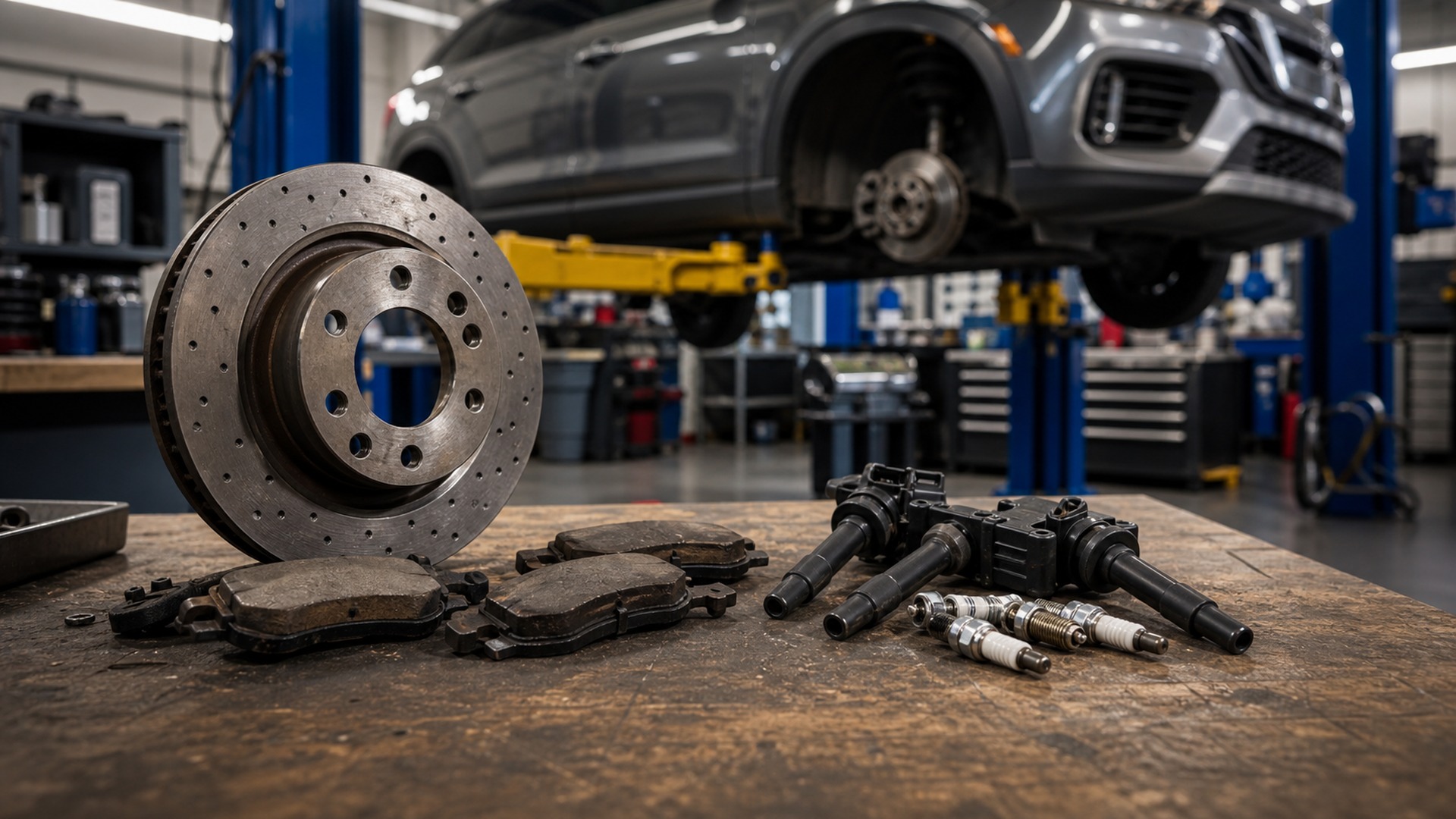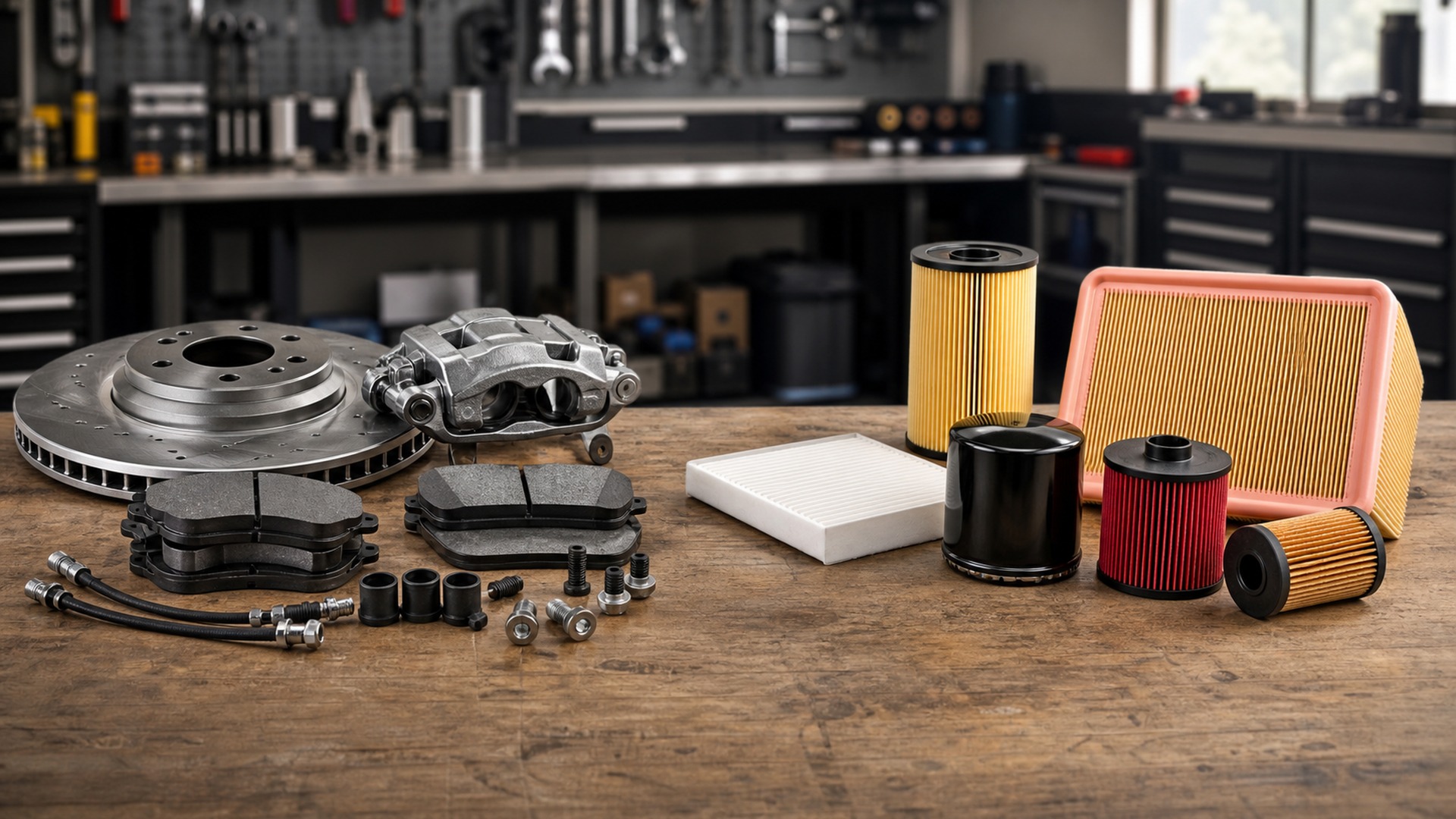
What Makes Brake Components Different from Vehicle Batteries
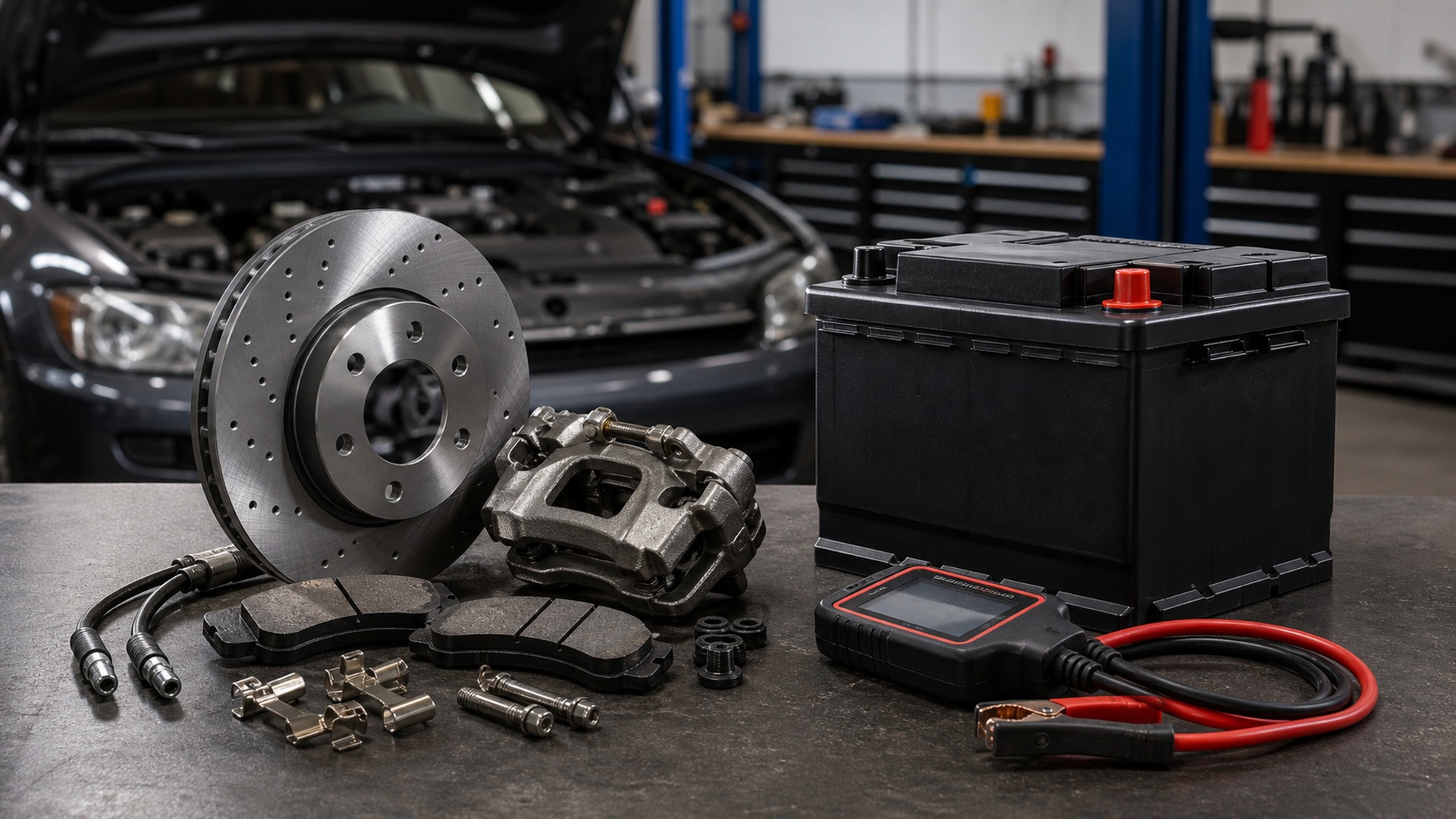
Brakes turn vehicle motion into heat; batteries store and supply electrical energy. Regeneration links their controls but does not make their service evidence interchangeable.

Reviews You Can Trust
Brakes turn vehicle motion into heat; batteries store and supply electrical energy. Regeneration links their controls but does not make their service evidence interchangeable.
Brake safety depends on layered reserves in hydraulics, friction, structure, heat control, electronics, tires, and the quality of the repair process.
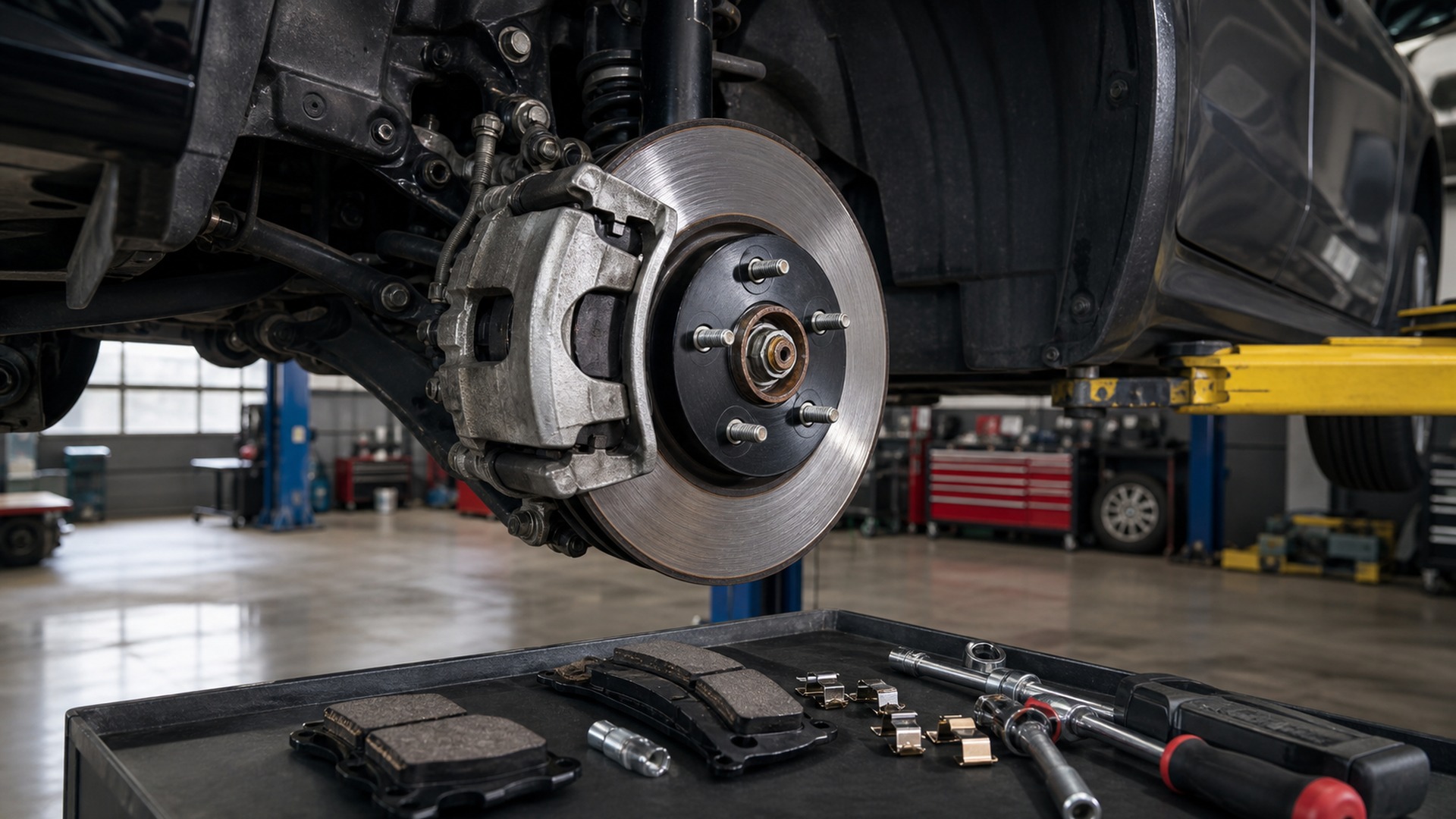
Brake function connects symptoms to the correct part and defines proof after repair—from pedal input and pressure containment to heat, ABS, and parking retention.
Use brake parts for proven stopping or wheel-release defects and ignition parts for proven spark faults. Codes, mileage, and shared symptoms require system-specific diagnosis.
Brake components create controlled deceleration through force and friction; engine filters remove contaminants while preserving air, oil, or fuel flow. Diagnose them separately.
A practical windshield warranty and service-life evaluation guide covering covered component, defect versus impact, workmanship term, leak and noise remedy, common mistakes, conditional decisions, and documented verification.
Brake fitment preserves force, clearance, thermal capacity, hose movement, sensors, and parking operation. A part that bolts on can still be dangerously wrong.
A practical windshield repair-estimate review guide covering glass identity, included companion parts, adhesive-system scope, labor and environment, common mistakes, conditional decisions, and documented verification.
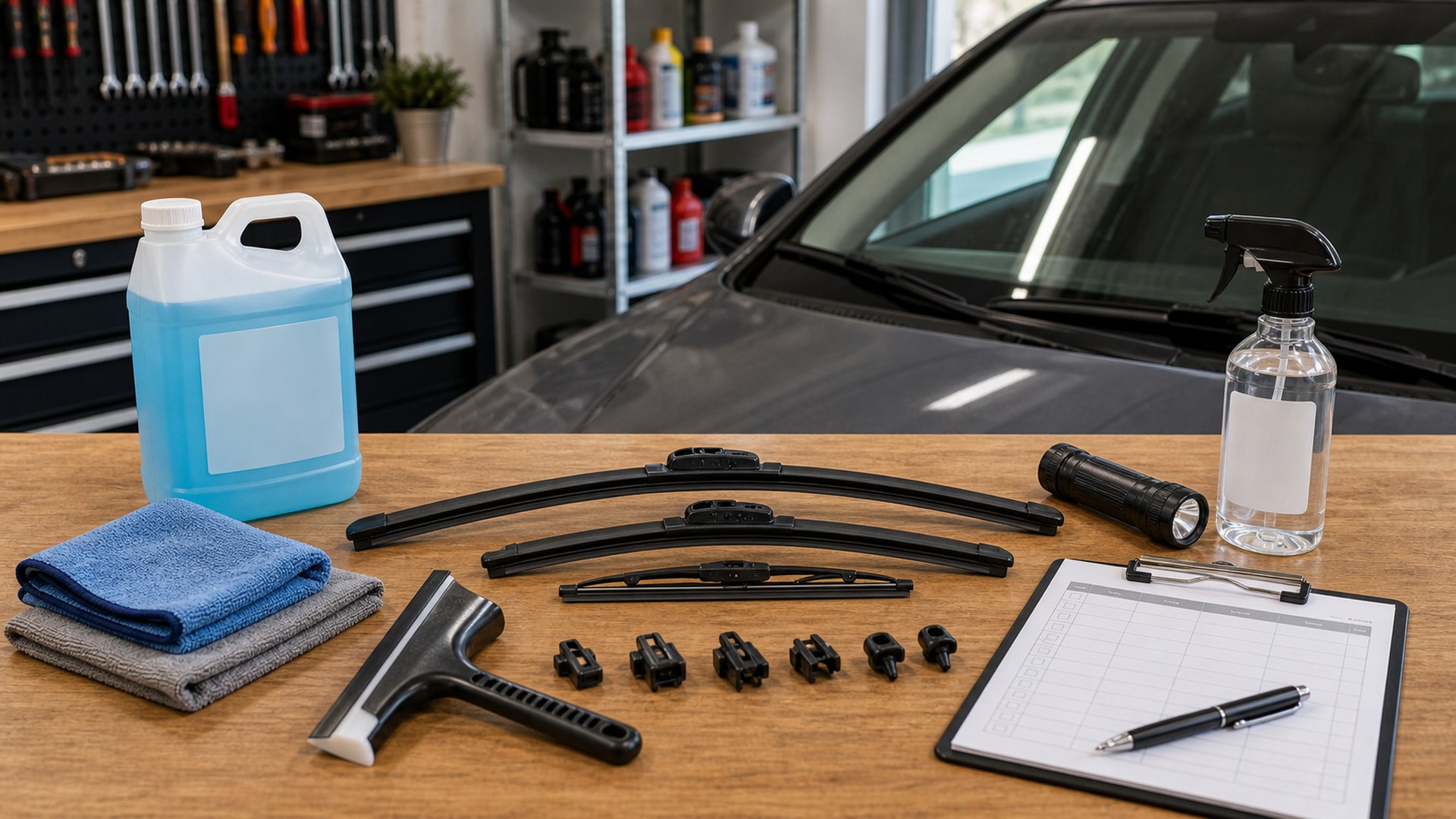
A practical home-garage windshield projects guide covering task boundary, glass and body protection, tool control, chemical compatibility, common mistakes, conditional decisions, and documented verification.
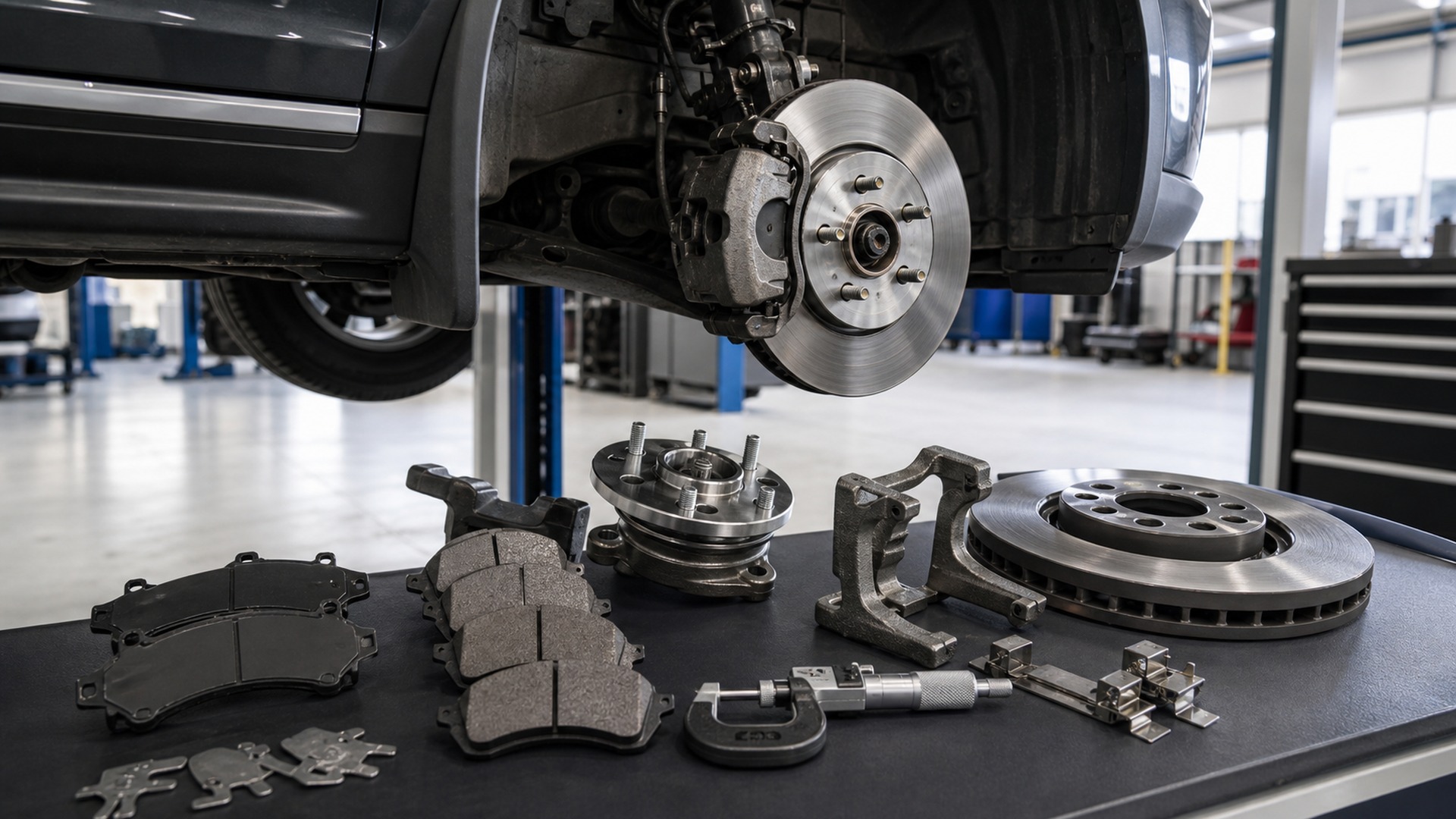
Brake components convert pedal input into hydraulic pressure, friction torque, and heat while split circuits, ABS, tires, and parking retention preserve control.
A practical aftermarket windshield-component selection guide covering application accuracy, safety-glazing compliance, optical and feature match, bracket and attachment geometry, common mistakes, conditional decisions, and documented verification.
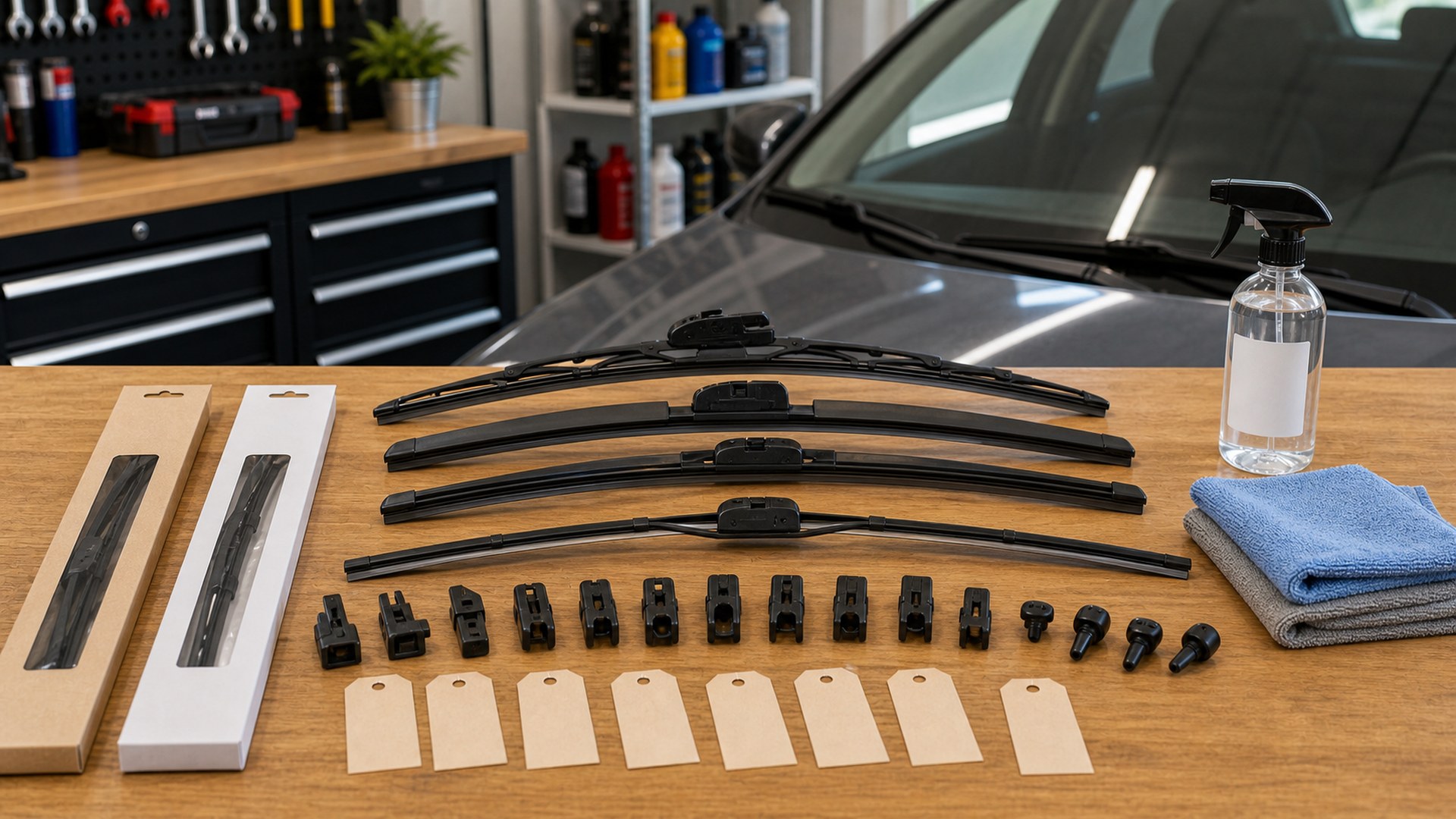
A practical preventive windshield maintenance guide covering glass damage trend, wiper and washer condition, edge and molding inspection, cowl drainage, common mistakes, conditional decisions, and documented verification.