Why Auxiliary Lighting Matters
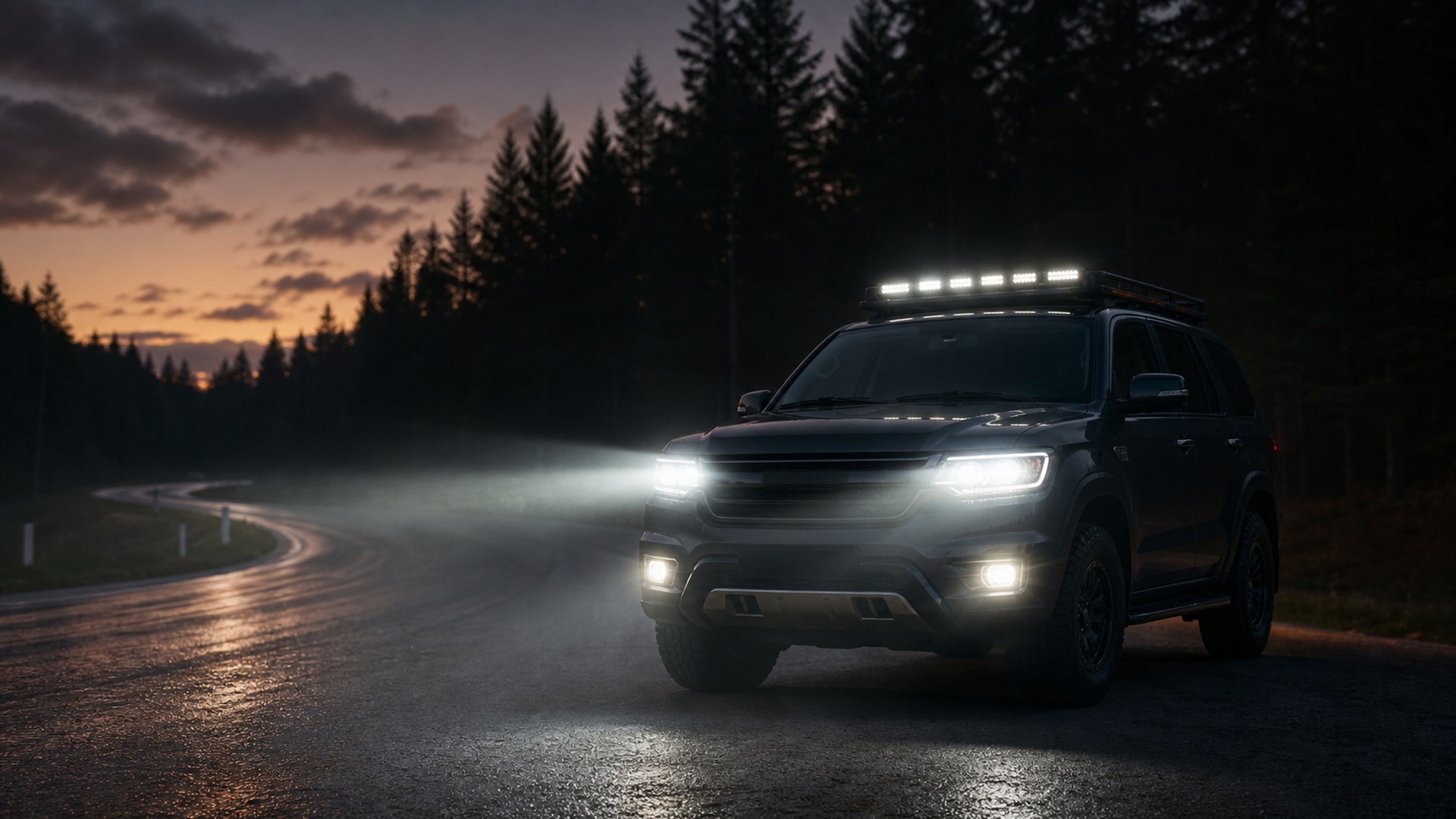
Auxiliary lighting is valuable when a controlled beam solves one defined visibility task without masking required lamps, creating glare, or compromising the vehicle’s electrical system.

Reviews You Can Trust
Auxiliary lighting is valuable when a controlled beam solves one defined visibility task without masking required lamps, creating glare, or compromising the vehicle’s electrical system.
Windshield visibility depends on transmission, low scatter, effective wiping and defogging, sound glazing, restrained reflections, and unobstructed calibrated sensor zones.
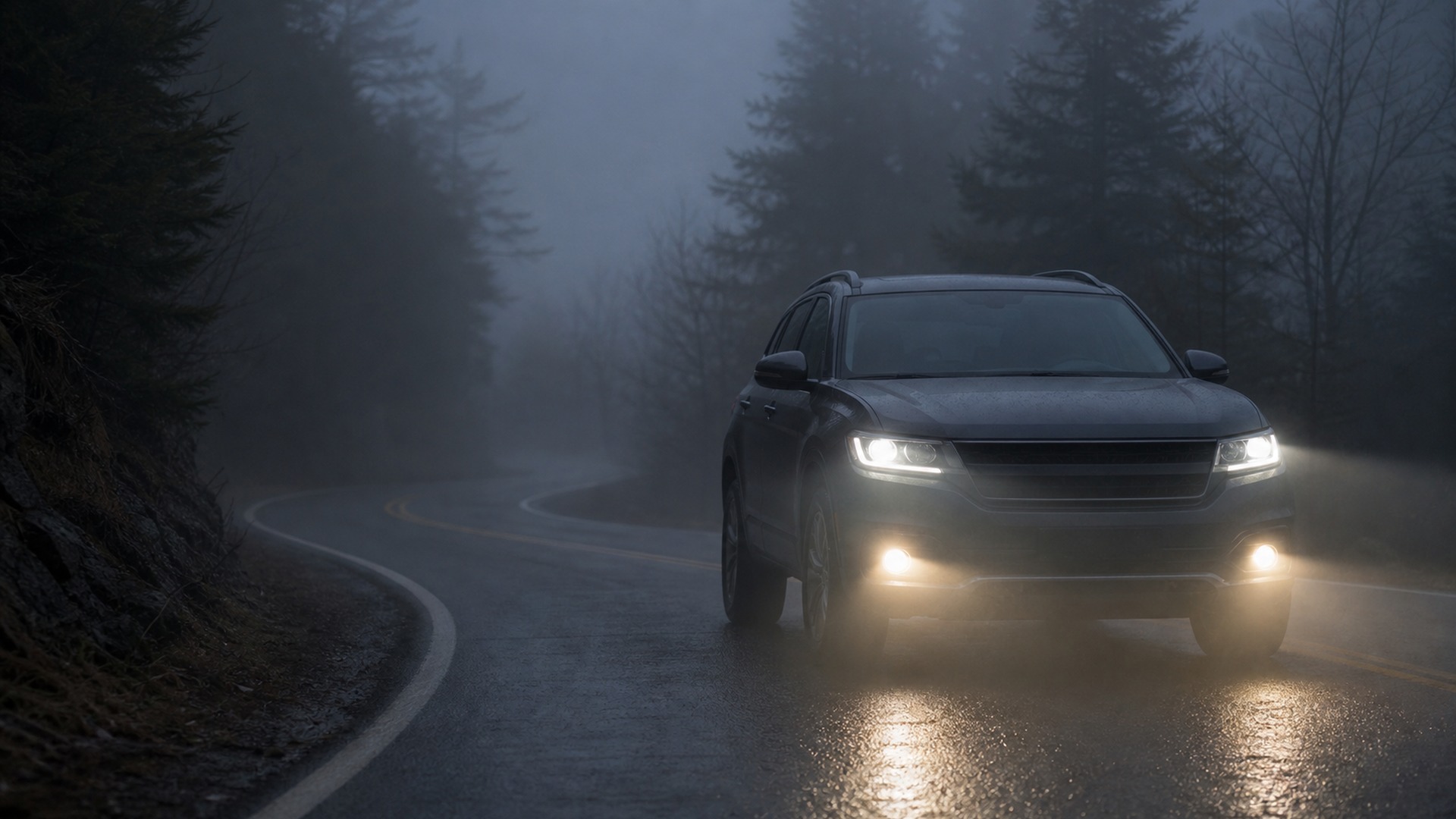
Fog lights can improve nearby lane-edge contrast with a low controlled beam, but safe use still depends on clear glazing, low beams, reduced speed, and sufficient stopping distance.
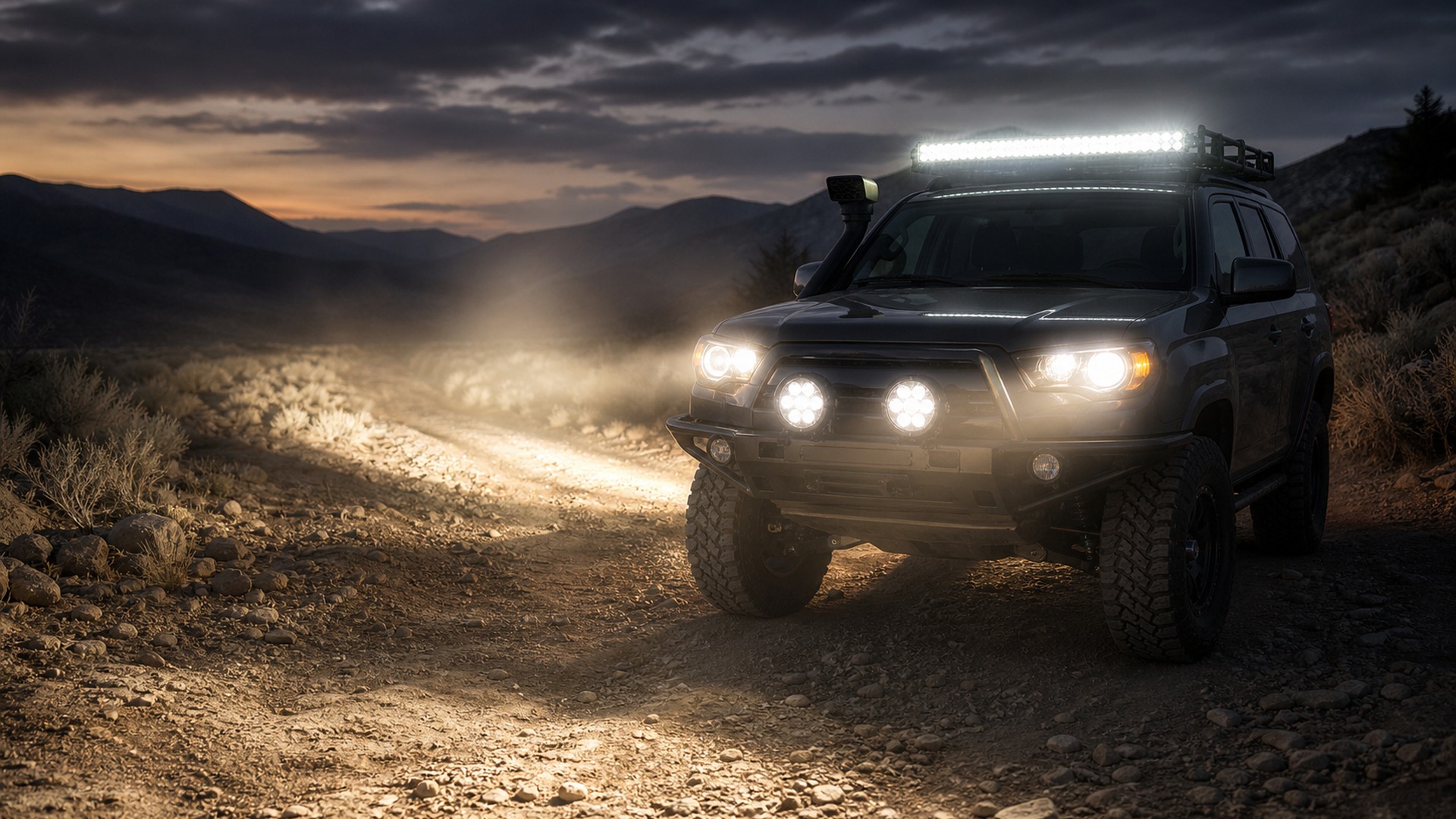
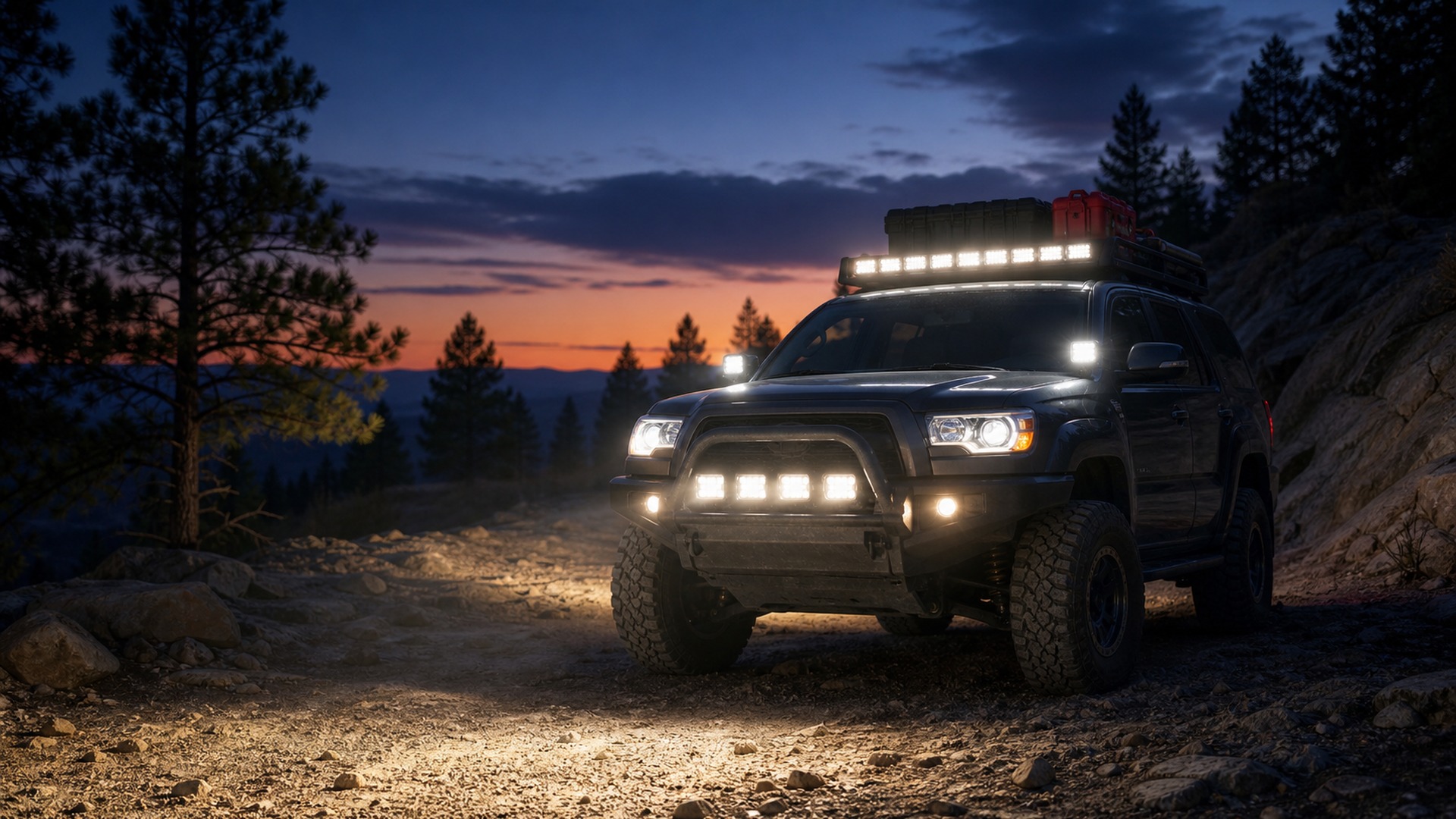
Use light bars for broad controlled off-road or work-area illumination and driving lights for directed lawful road reach, with optics, glare, wiring, and mounting verified.
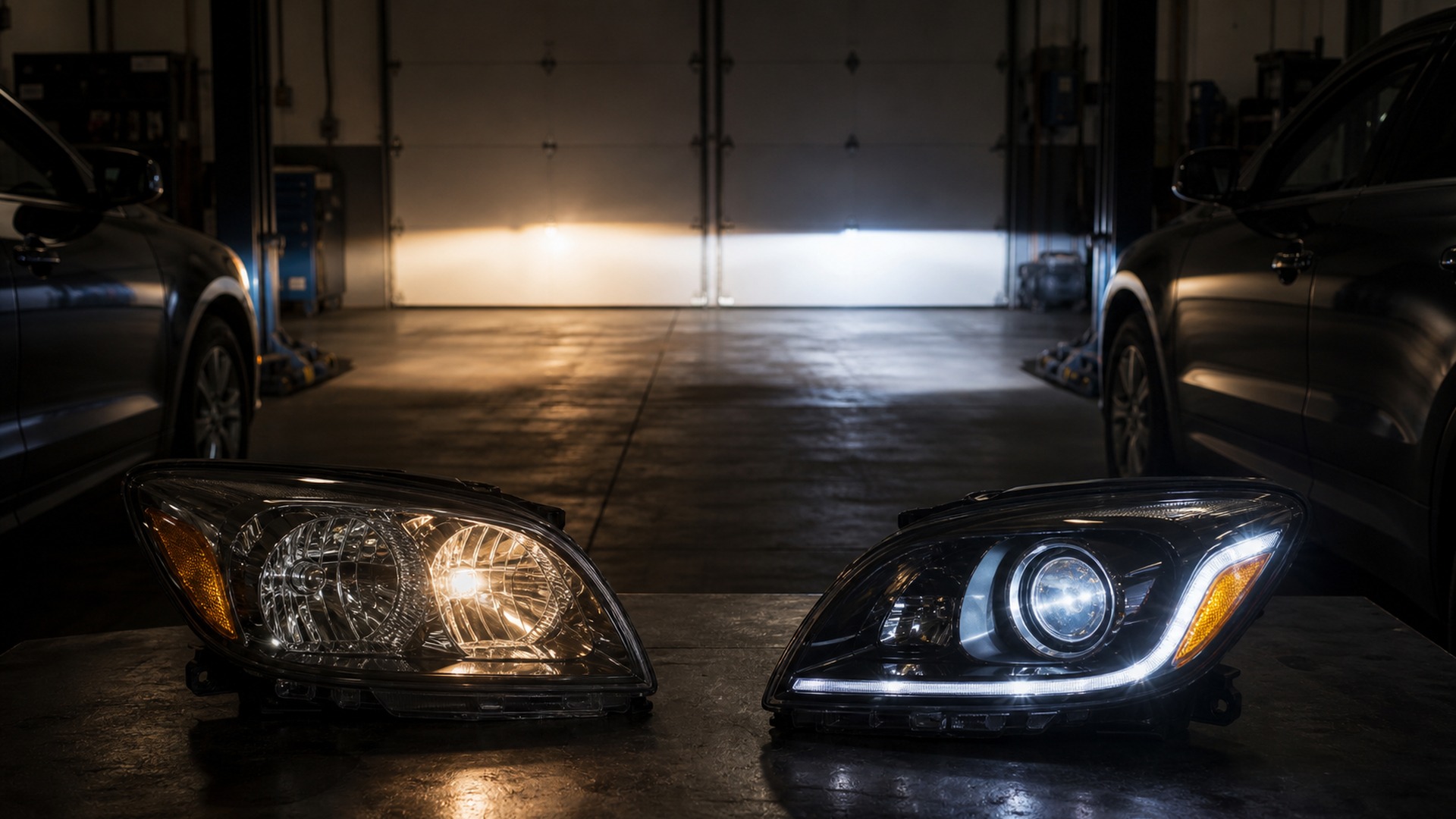
Projector headlights image an internal shield through a lens; reflector headlights direct ray bundles from a shaped bowl, while complete-system design decides performance.
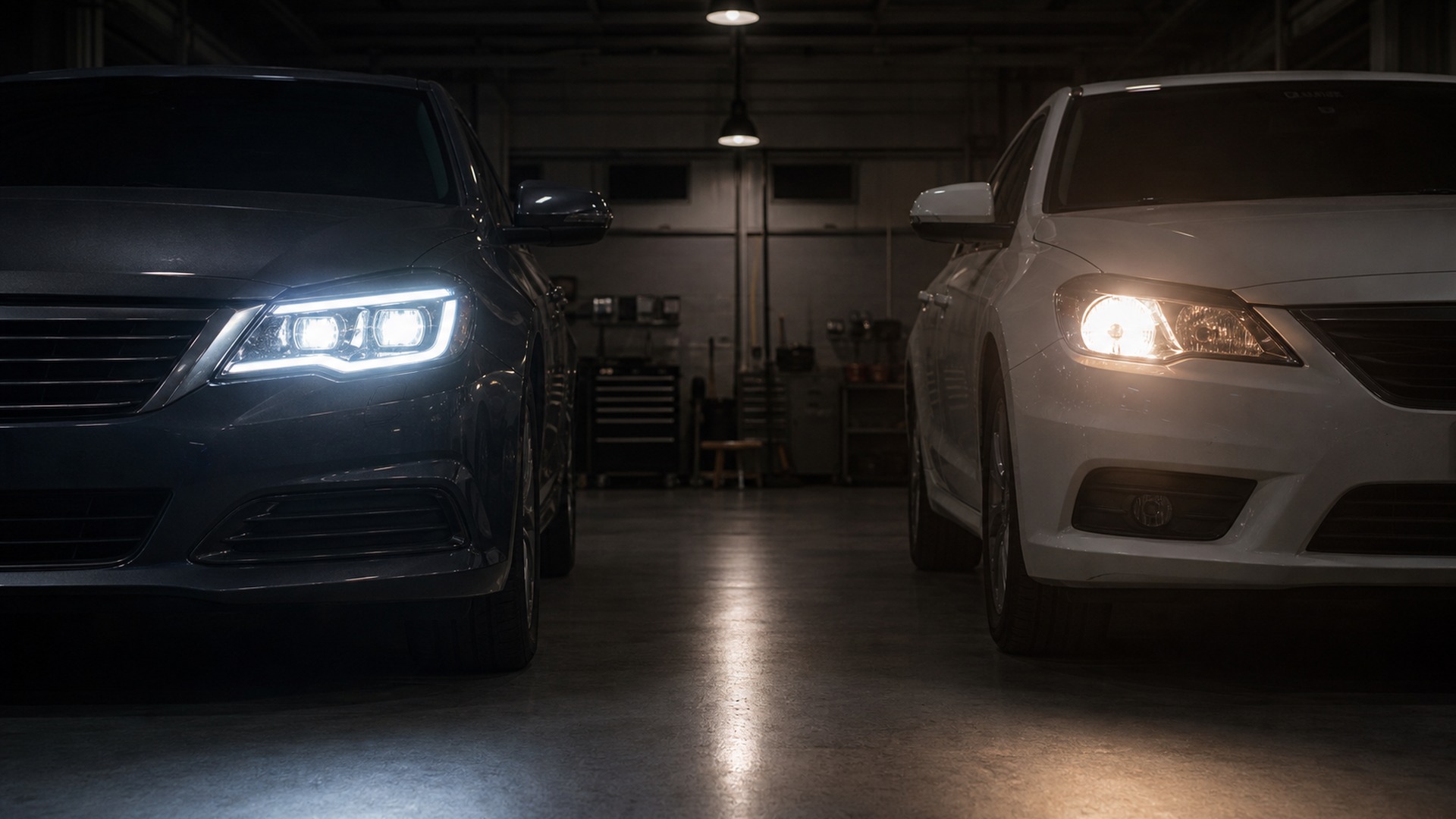
LED and halogen headlights create and manage light differently, but optics, aim, cooling, service design, and measured beam performance decide which system works better.
Vehicle visibility is a two-way system: drivers must recognize hazards in time, while others must detect the vehicle and understand its movement and intent.
LED headlights enable compact, efficient, controllable lighting, but optics, thermal management, drivers, aim, software, sealing, and service determine real performance.
Vehicle visibility comes from controlled beam patterns, recognizable signals, clear glazing, correct aim, maintained optics, and weather-aware operation—not brightness alone.
A compliance-focused guide to inventorying required lights, evaluating replacement certification, preventing obstruction, checking color and activation, confirming aim, and researching state inspection rules.
A sensor-aware guide to lighting placement, camera image quality, radar and ultrasonic clearance, electrical interference, bumper changes, diagnostics, and post-install calibration.
A terrain-first guide to layering off-road scene, corner, driving, distance, rock, and camp lighting while controlling reflection, power demand, vibration, switching, and public-road use.