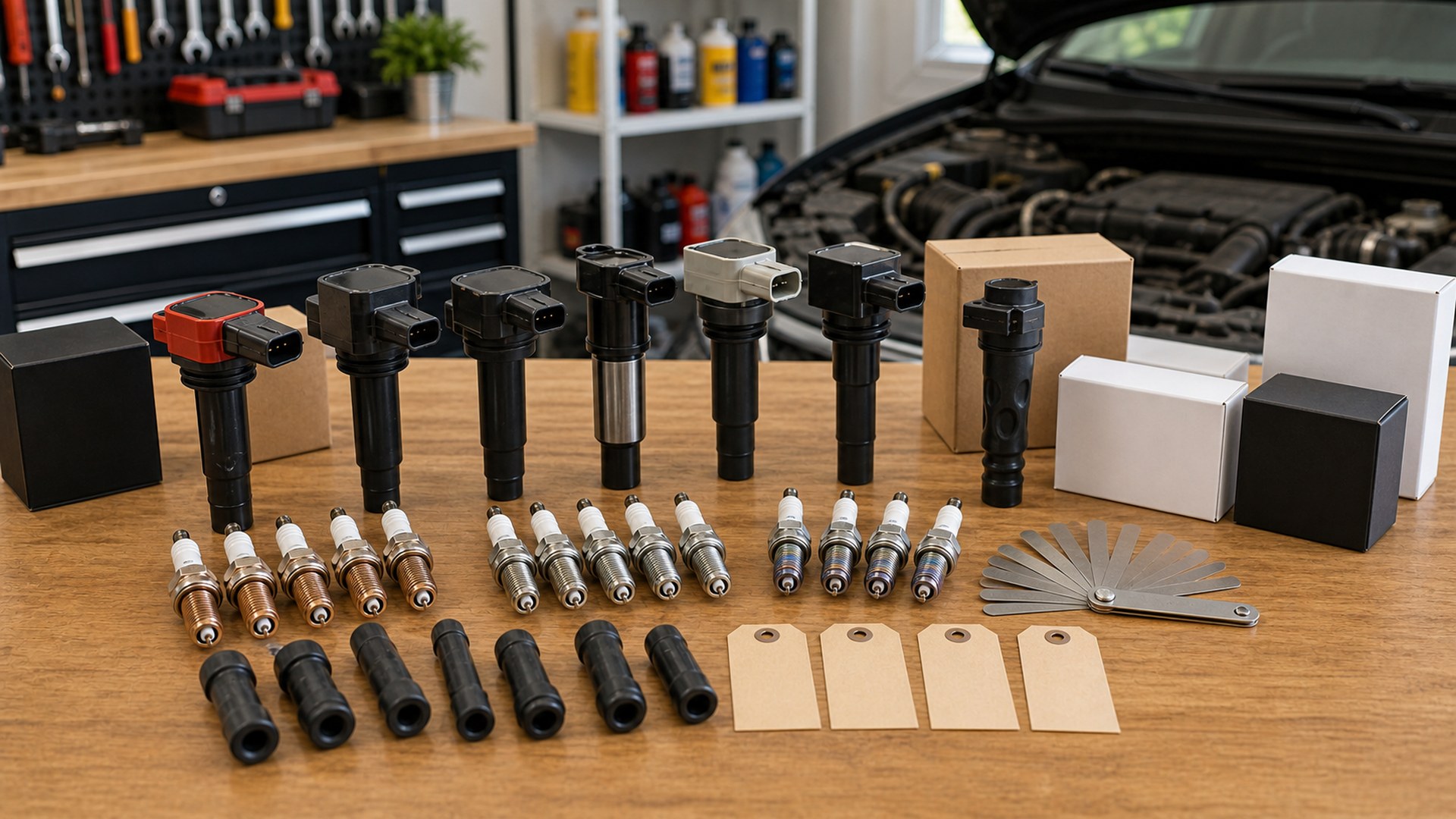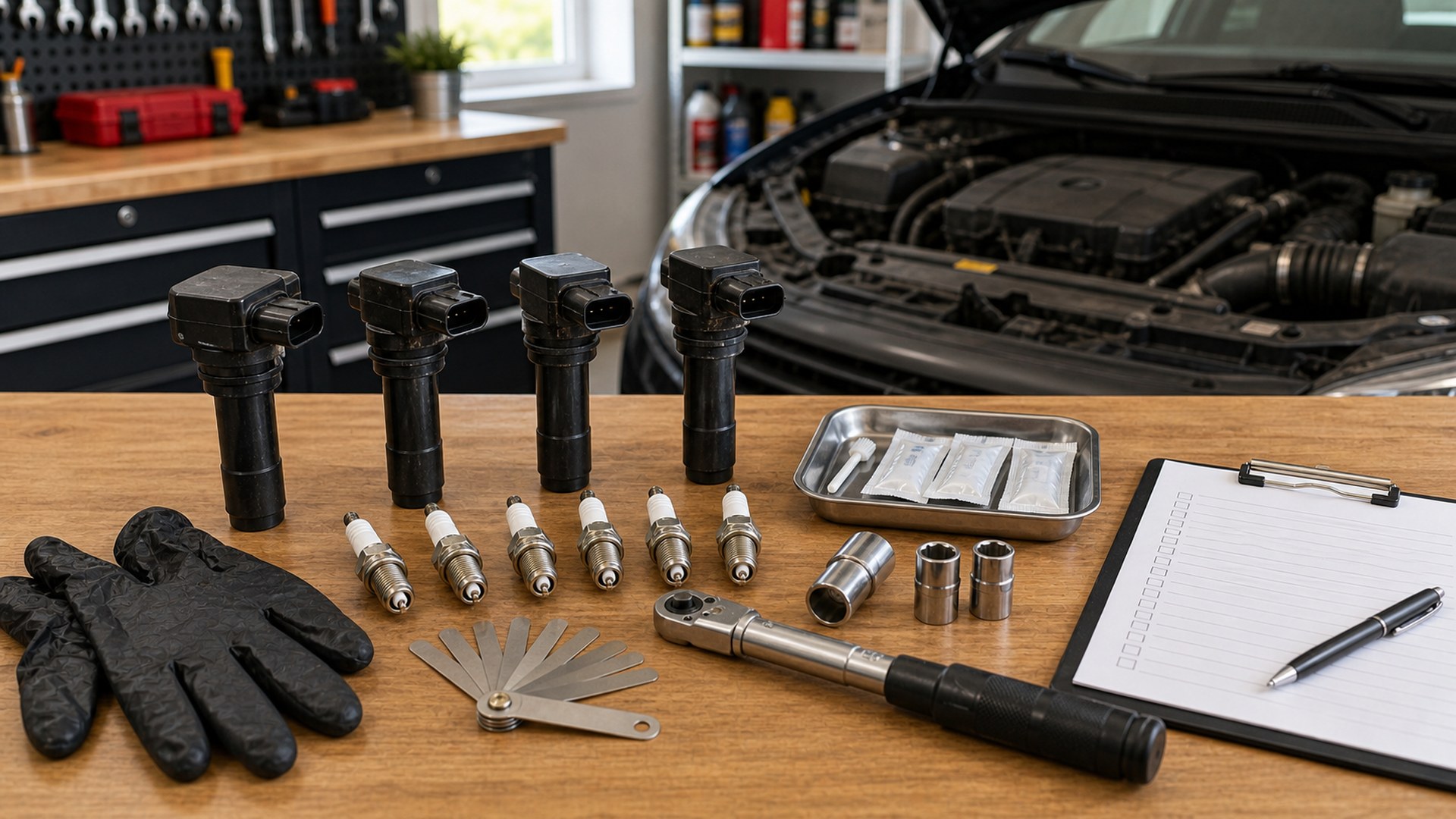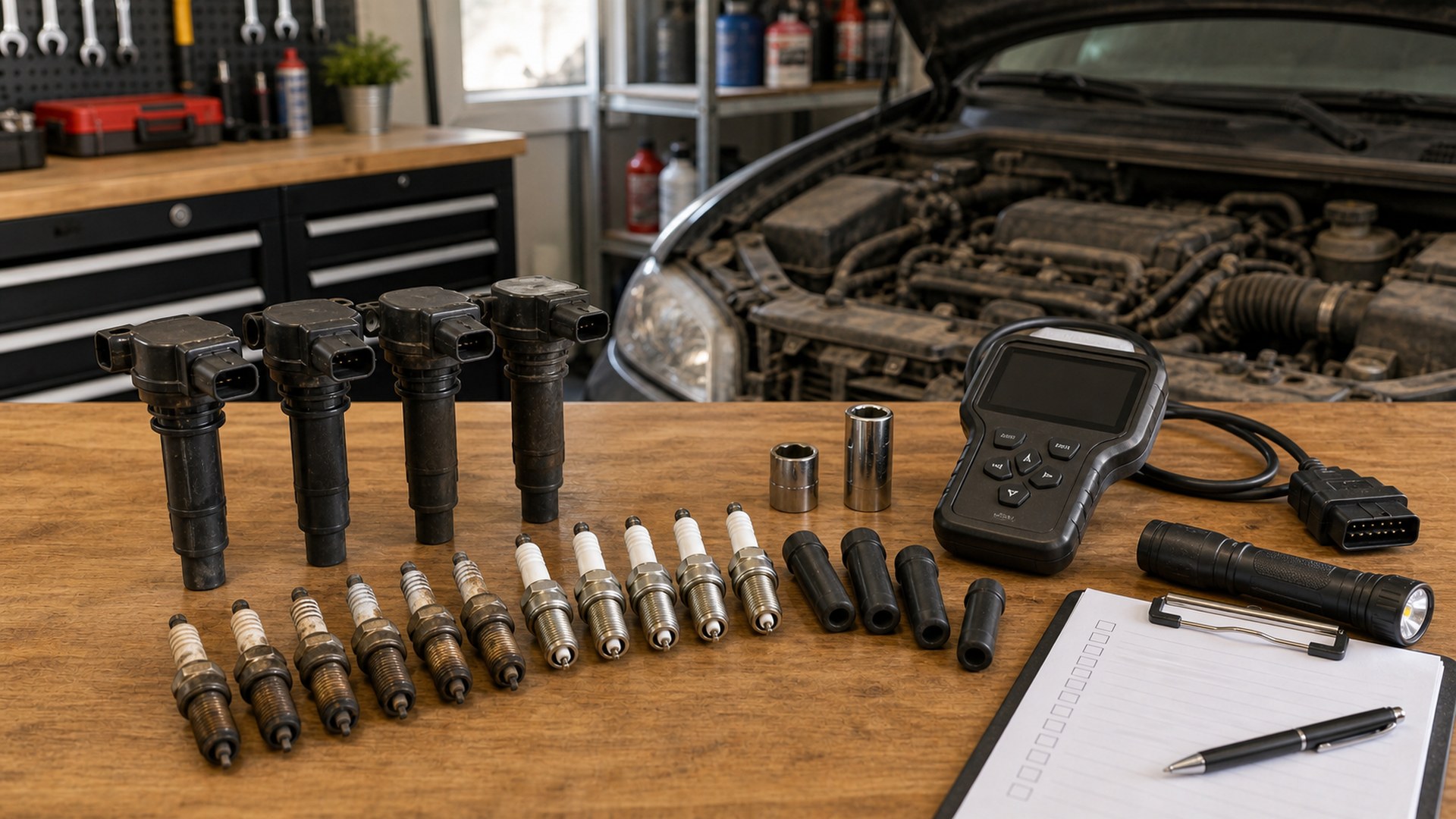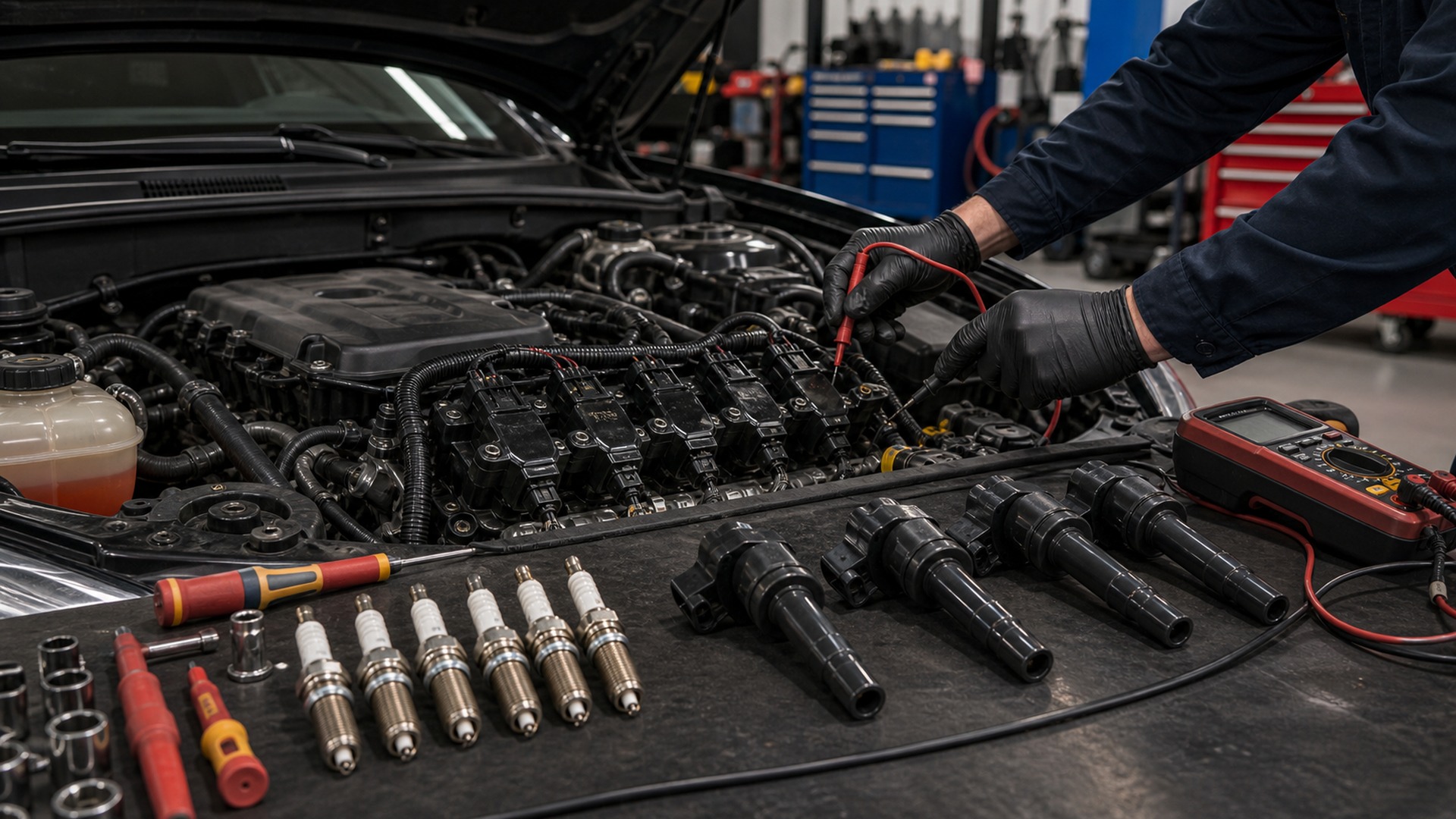
Why Ignition Components Safety Factors Matters
Ignition service combines high voltage, current, fuel, heat, motion, catalyst risk, and fragile engine interfaces that require explicit controls before first crank.

Reviews You Can Trust
Ignition service combines high voltage, current, fuel, heat, motion, catalyst risk, and fragile engine interfaces that require explicit controls before first crank.
Ignition performance is an energy-and-timing margin across coil charging, voltage containment, gap breakdown, spark duration, flame growth, and combustion phasing.
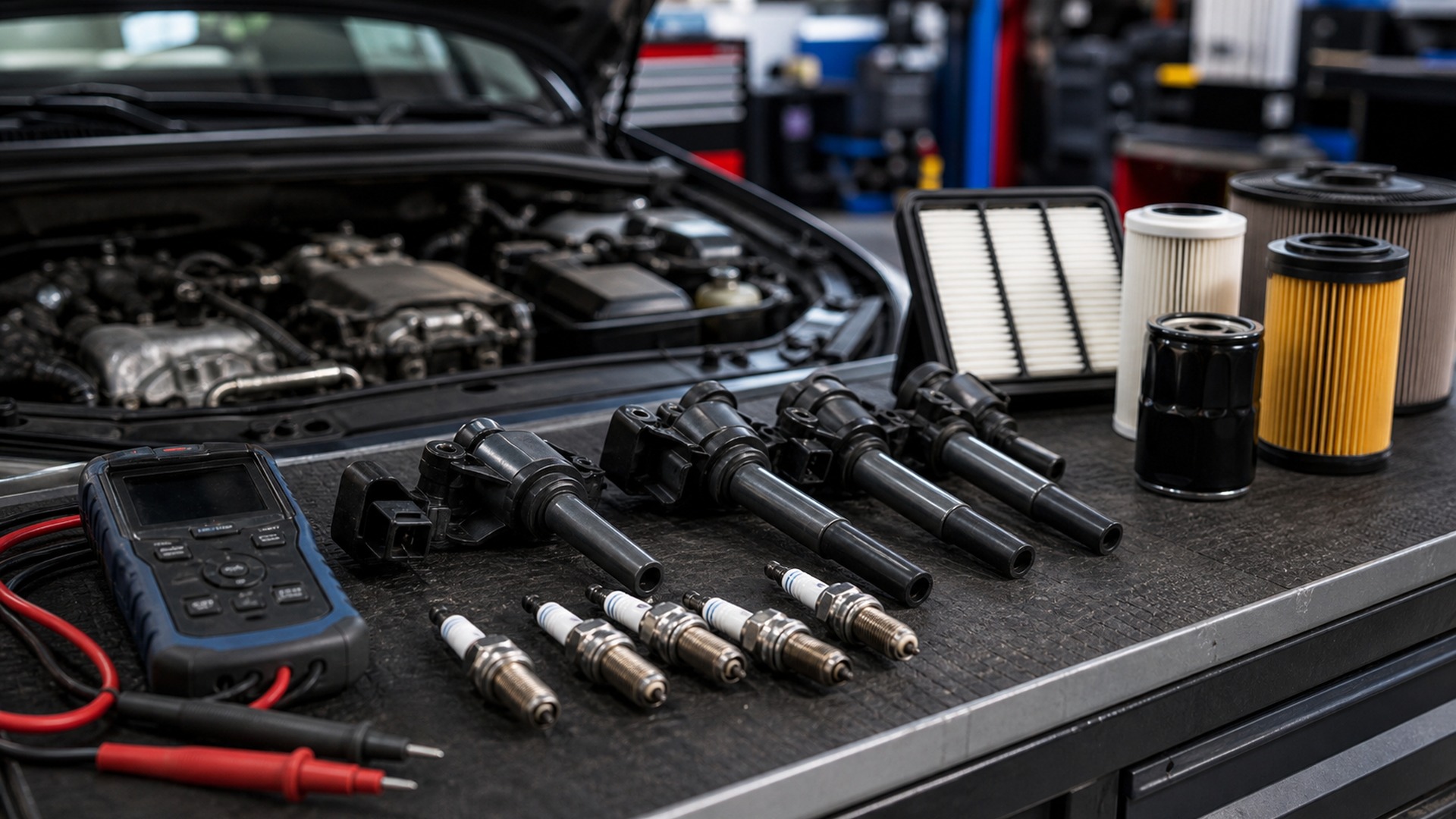
Choose ignition parts for proven spark-generation or delivery faults and filters for proven flow or contamination-control faults; confirm both under the failing condition.
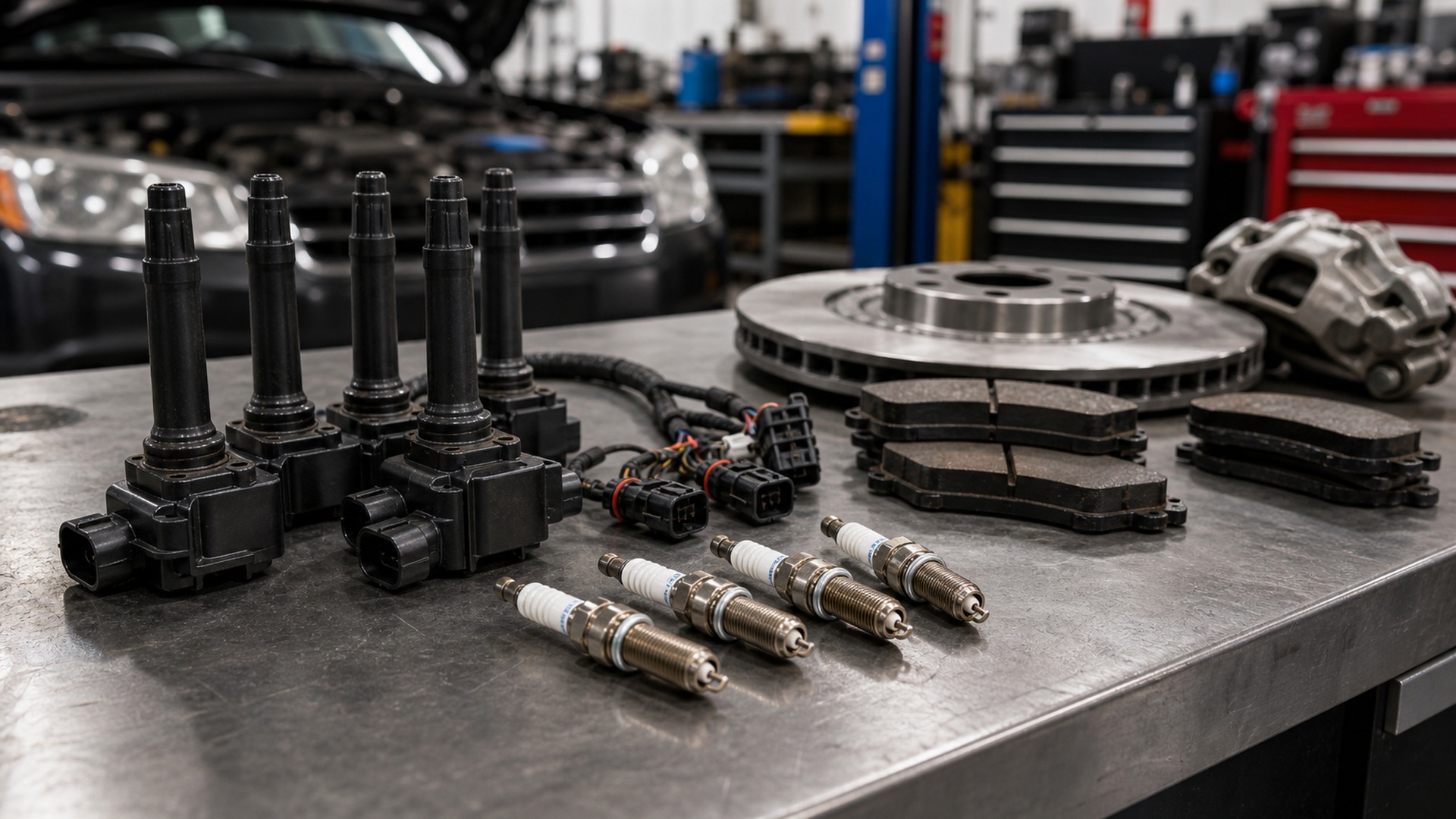
Ignition initiates cylinder combustion through timed discharge; brakes create vehicle deceleration and restraint through force, friction, heat, and tire-road reaction.
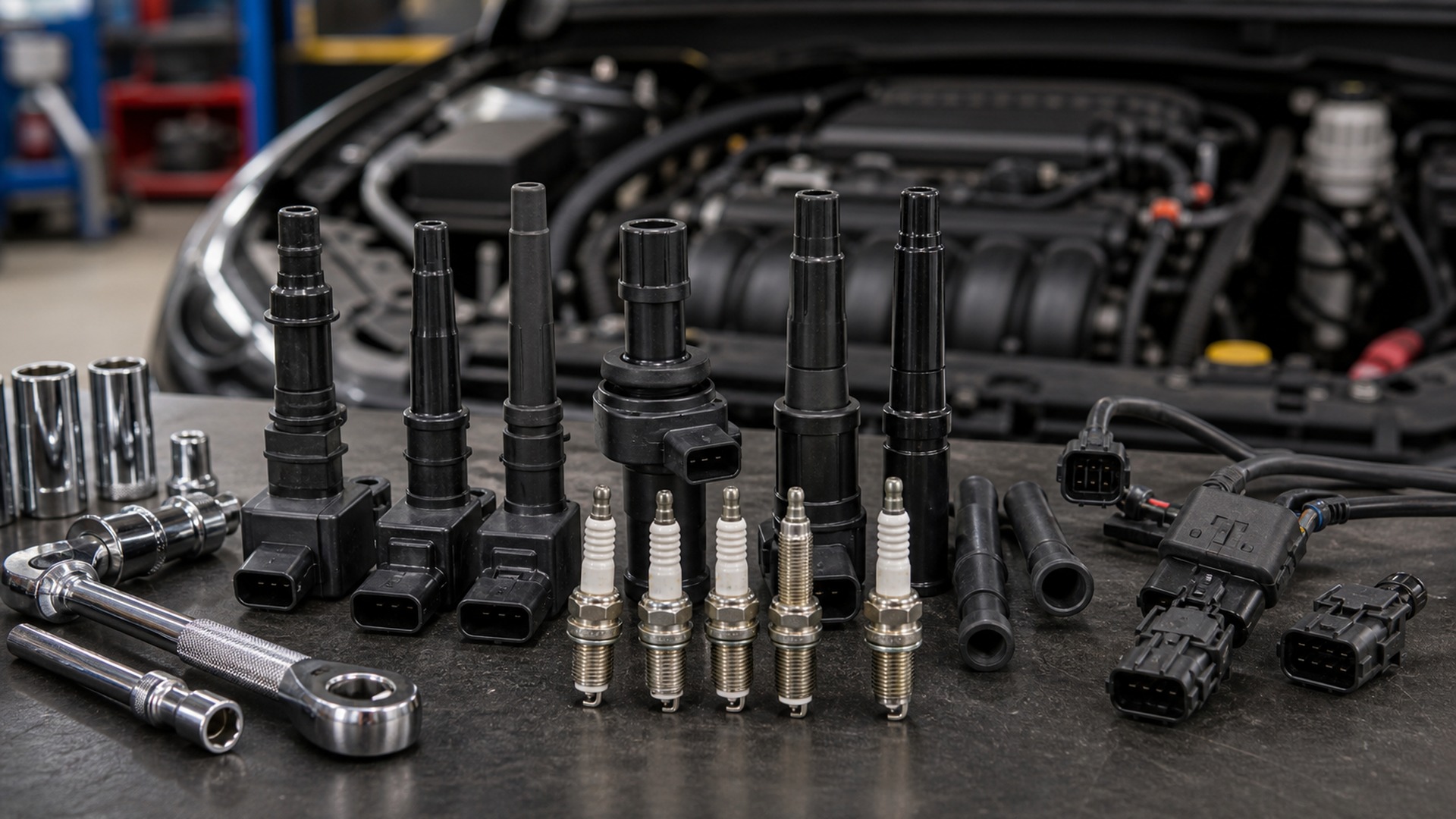
Ignition parts can physically install yet misfit the chamber, thermal path, secondary voltage, or controller. Exact geometry, electrical behavior, and torque all matter.
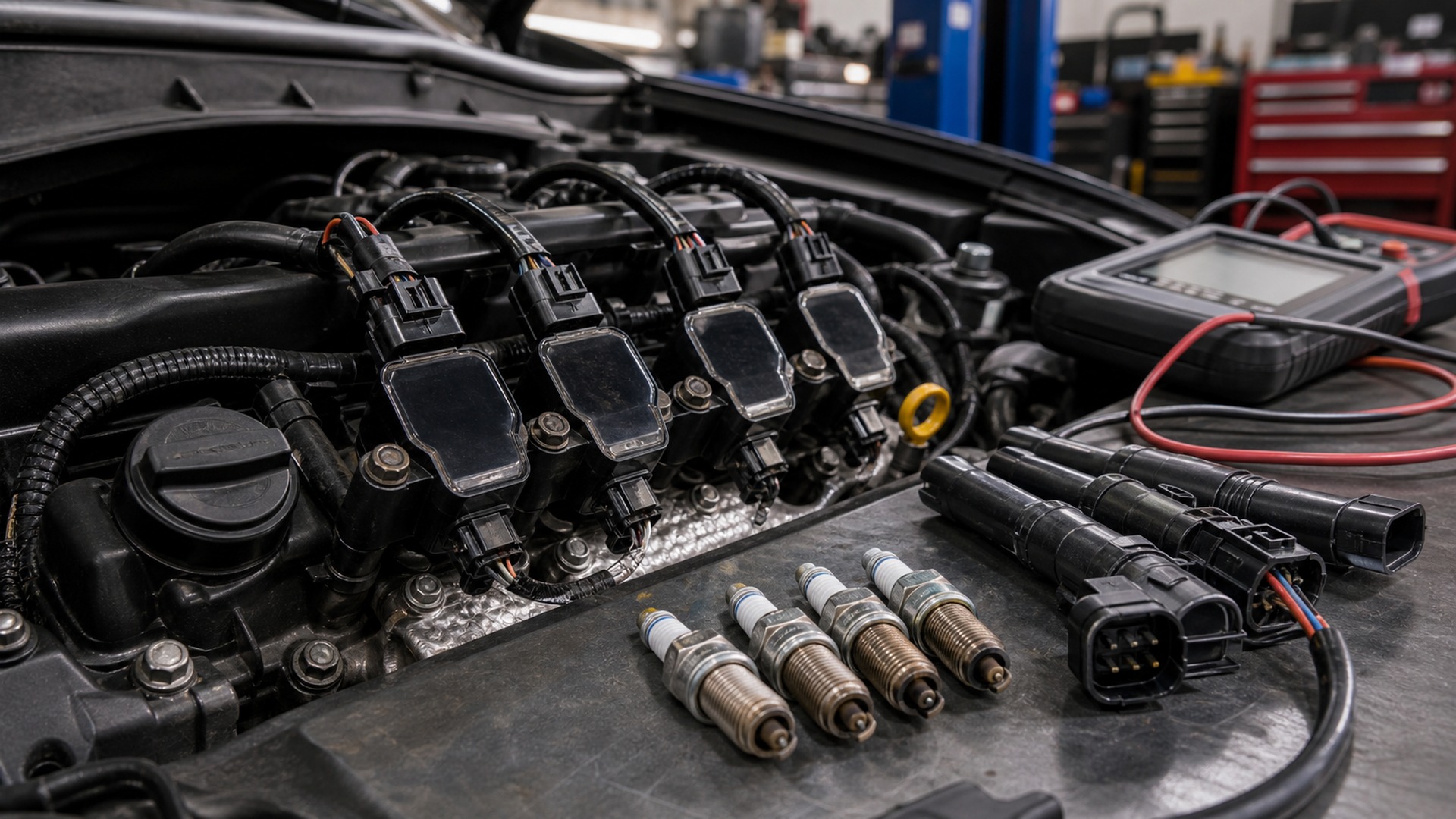
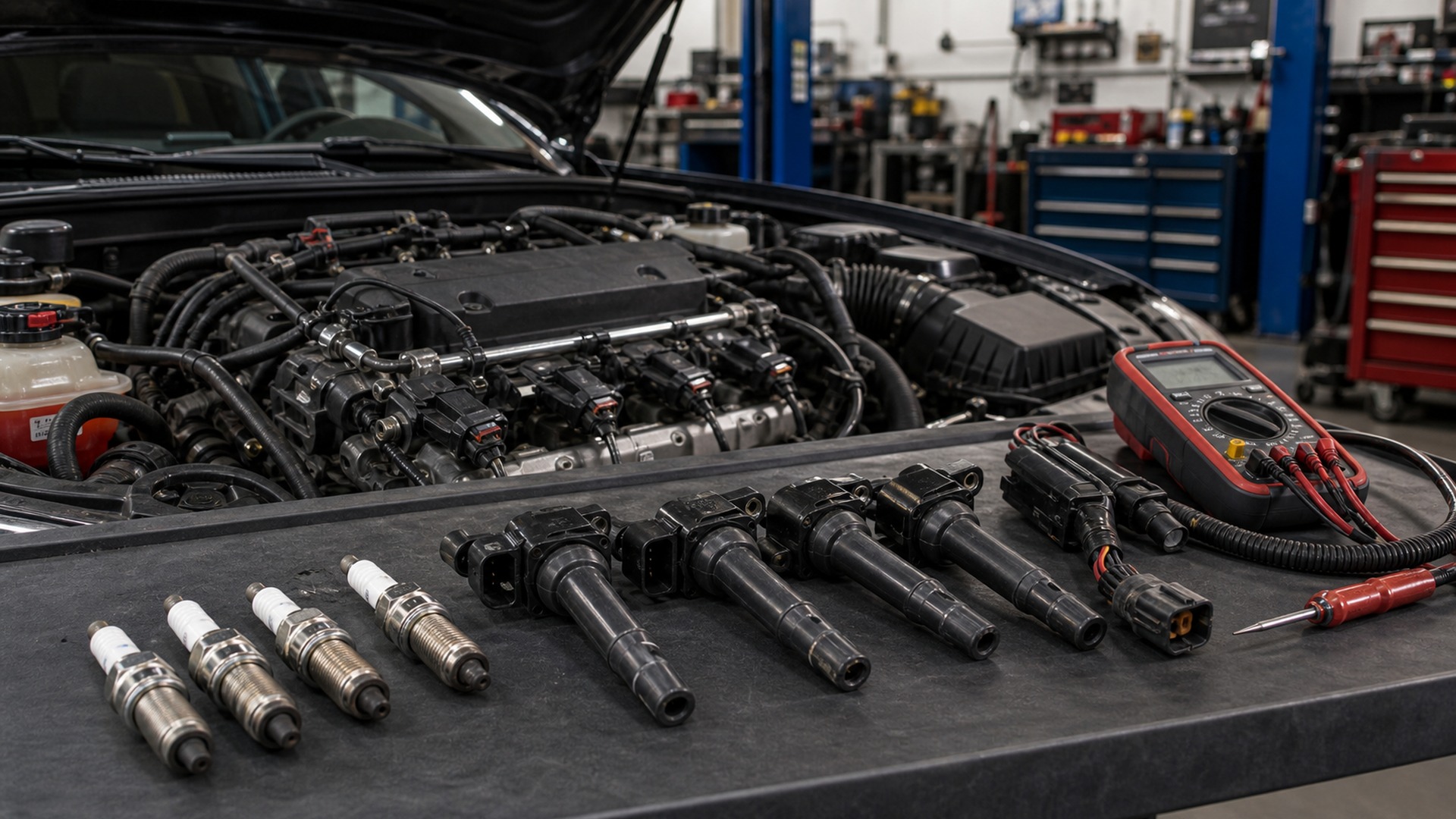
Ignition components turn timed low-voltage input into a high-voltage spark that initiates combustion under changing pressure, load, temperature, and mixture conditions.
An ignition warranty and service-life guide covering plug intervals, condition-based coil life, exposure, exclusions, evidence, labor remedies, and claim procedures.
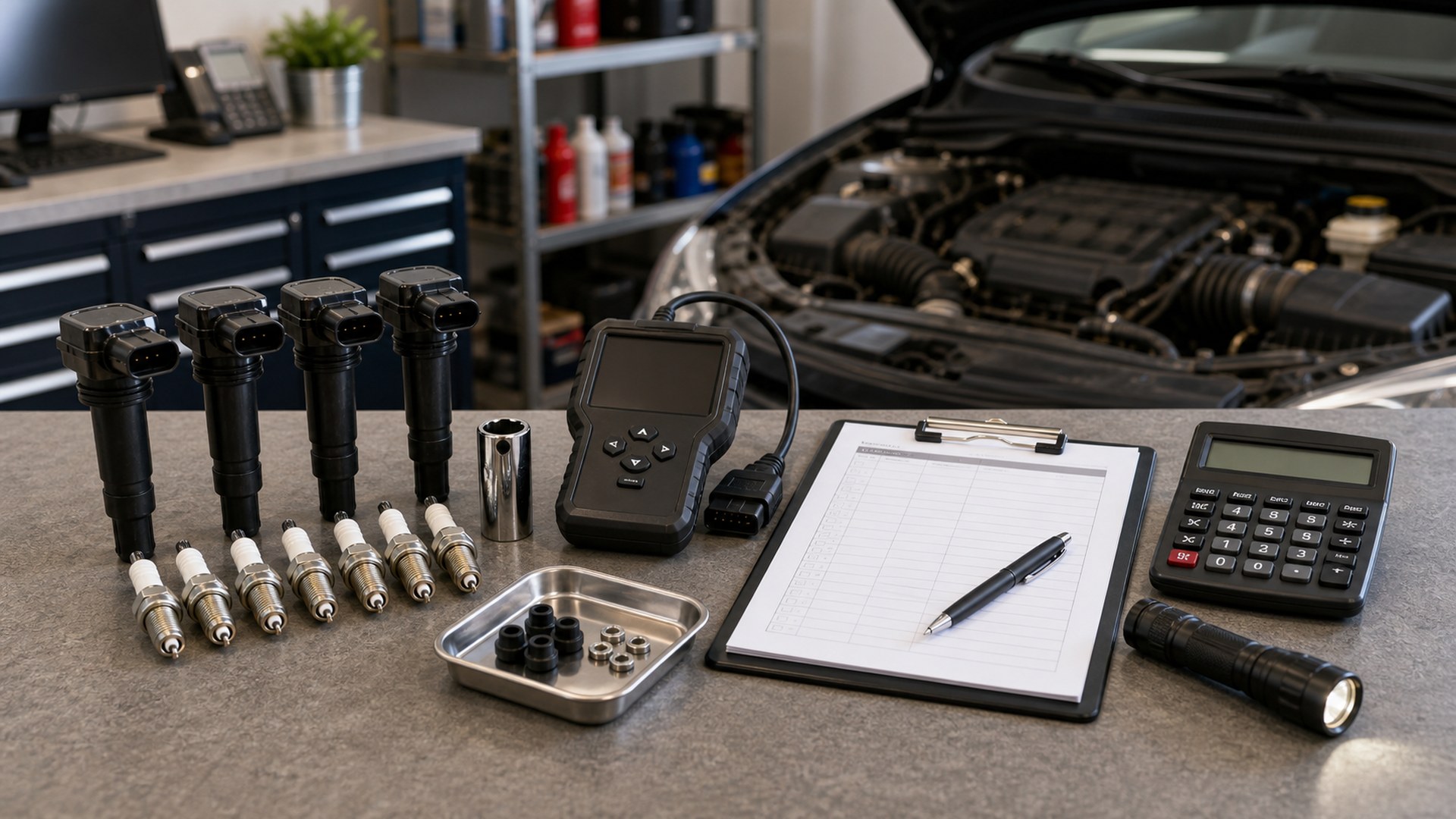
A guide to ignition repair estimates covering diagnostic evidence, plugs and coils, access labor, wiring, related leaks, shop supplies, programming, and warranty.
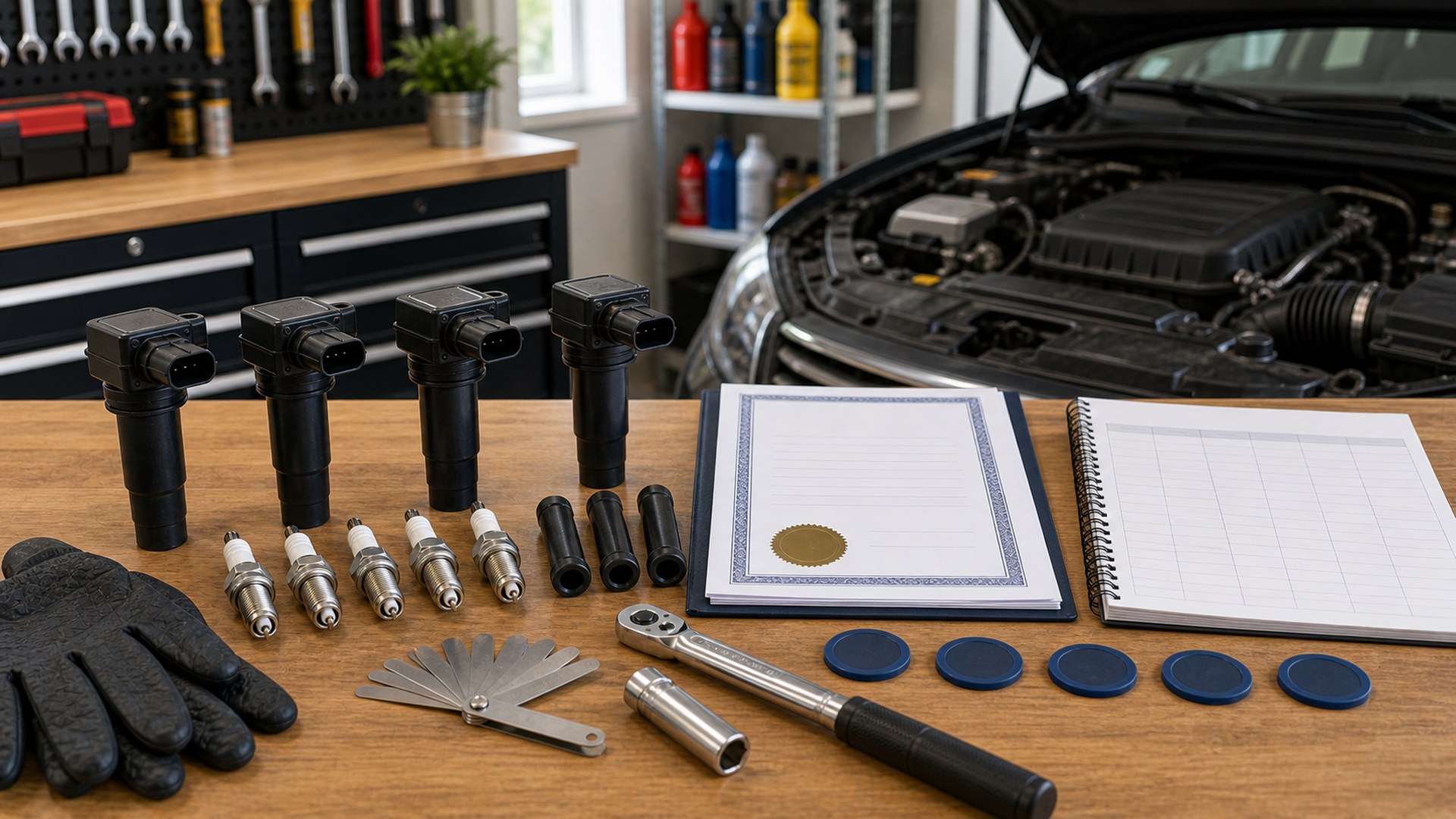
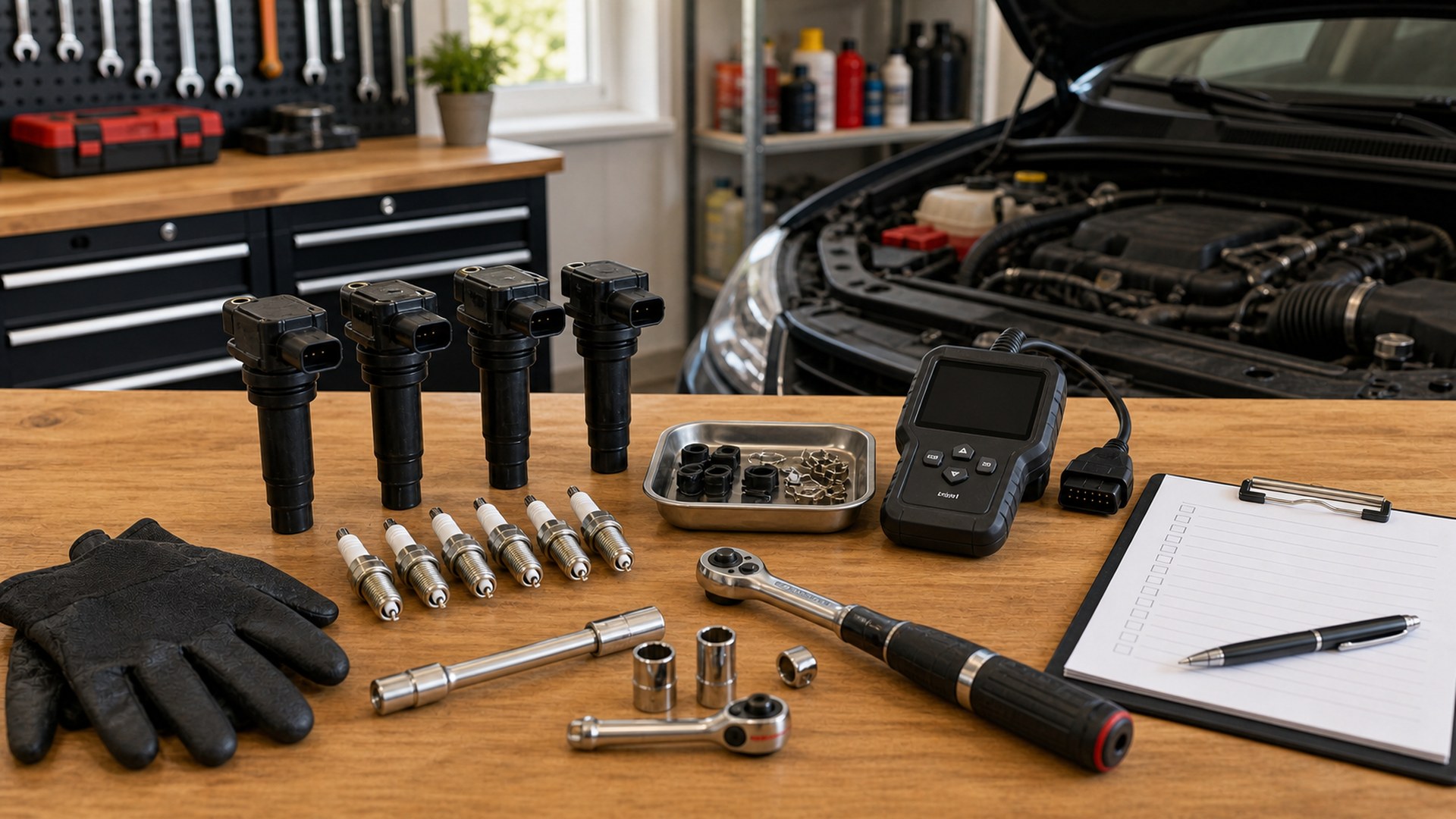
A DIY ignition-repair guide covering diagnosis, access, plug-well cleanliness, tools, threads, connectors, torque, gap handling, stop points, and verification.
An aftermarket ignition-parts guide covering catalog accuracy, spark-plug and coil specifications, insulation, counterfeit risk, seller support, warranty, and total cost.
A preventive ignition-maintenance guide covering plug schedules, coils, boots, wires, wells, leaks, gap handling, torque, records, and post-service checks.
A high-mileage ignition repair guide covering worn plugs, cylinder evidence, compression, oil entry, aging coils and wiring, charging voltage, and verification.