What Makes Vehicle Security Systems Different from Car Audio Systems
Vehicle security manages access and intrusion response; car audio reproduces selected sound. Shared speakers and power require coordination, not category confusion.

Reviews You Can Trust
Vehicle security manages access and intrusion response; car audio reproduces selected sound. Shared speakers and power require coordination, not category confusion.
Vehicle-security fit depends on supported architecture, defined sensor coverage, safe outputs, stable parked power, credential control, and authorized recovery.
Vehicle security is a layered state machine connecting arming, credentials, sensors, responses, immobilization, notifications, and authorized recovery.
Connect vehicle-security sensors to clear, trustworthy alerts. Compare zone naming, shock, tilt and glass behavior, remote screens, app notification permissions, cellular latency, timestamps, history, location privacy, shared users, multifactor authentication, subscription limits, firmware support, offline fallback, local override, and repeatable event testing.
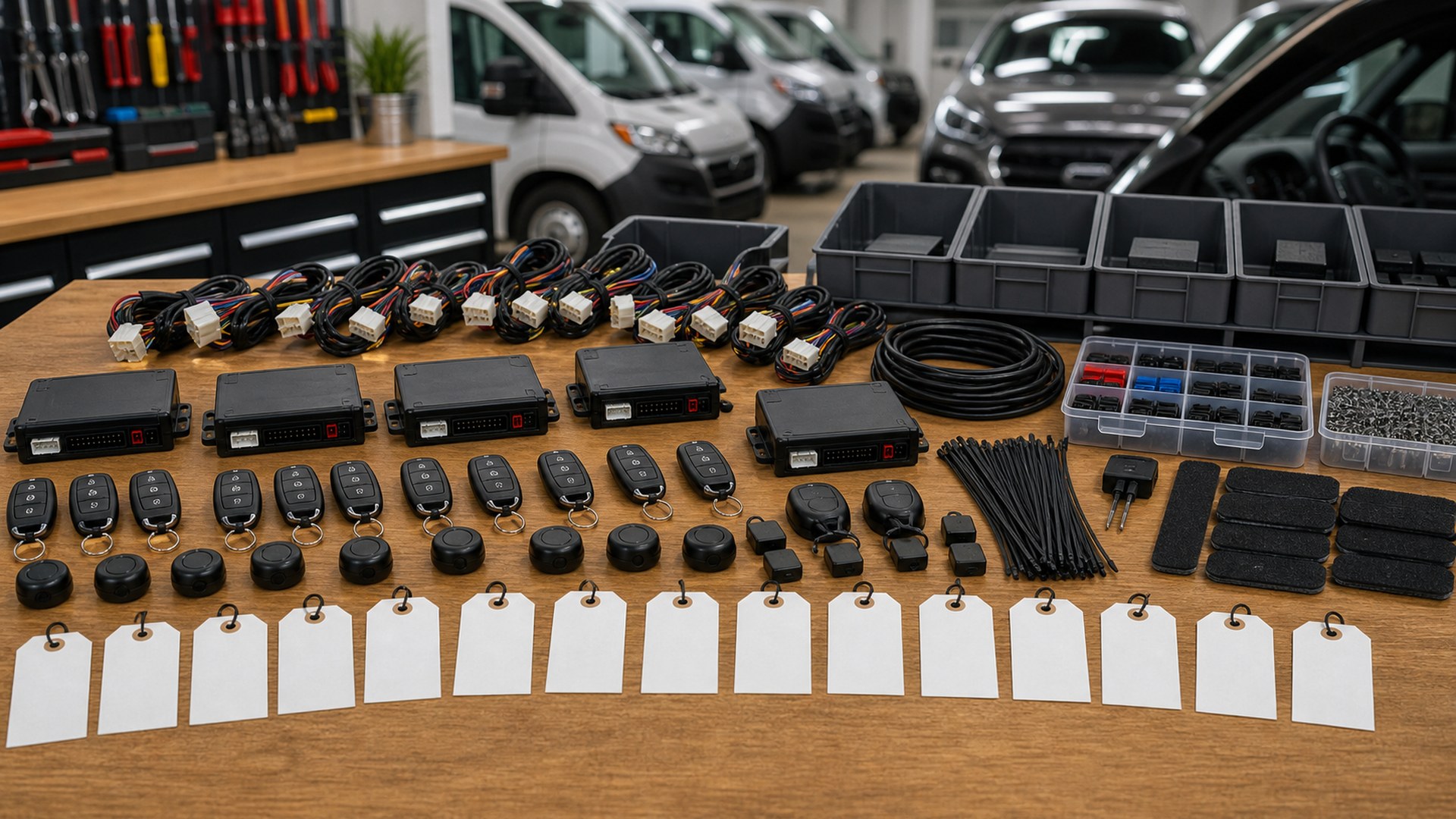
Select vehicle security for commuters and fleets by daily reliability, driver turnover, keys and remotes, administrator roles, after-hours alerts, location privacy, cellular subscriptions, false-alarm control, sleep current, standardized installation, service mode, incident records, account transfer, replacement parts, and vehicle downtime.
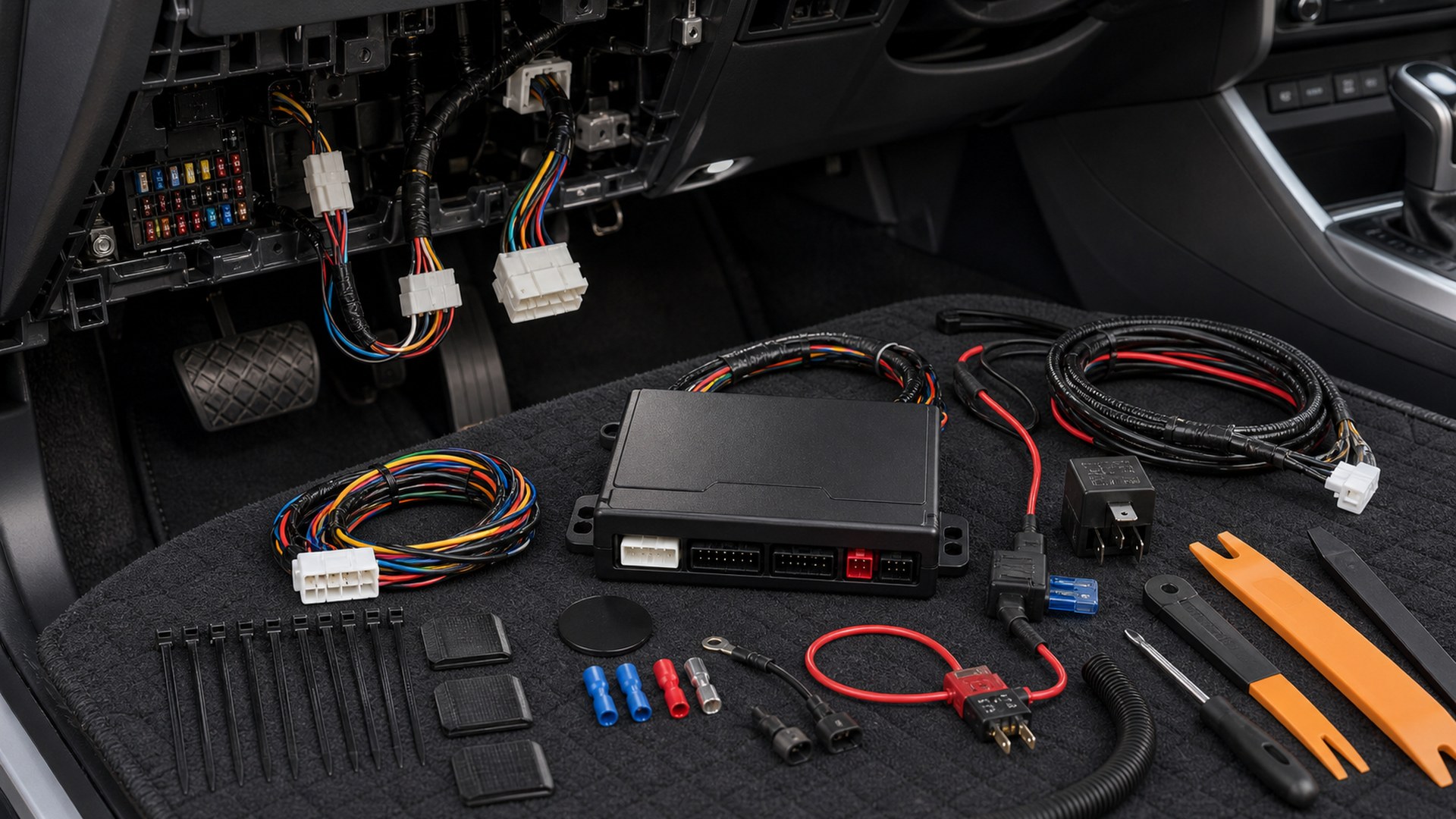
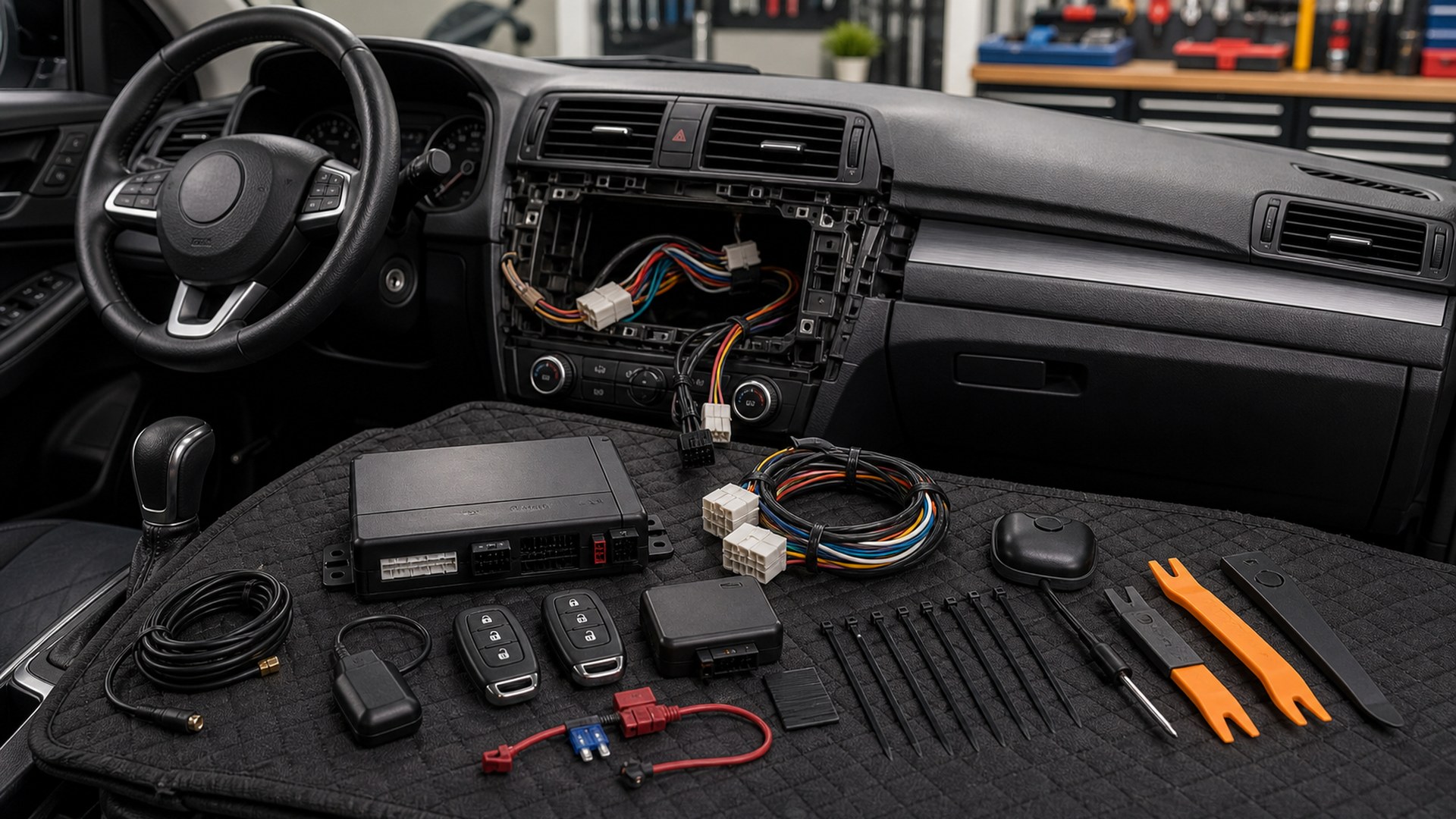
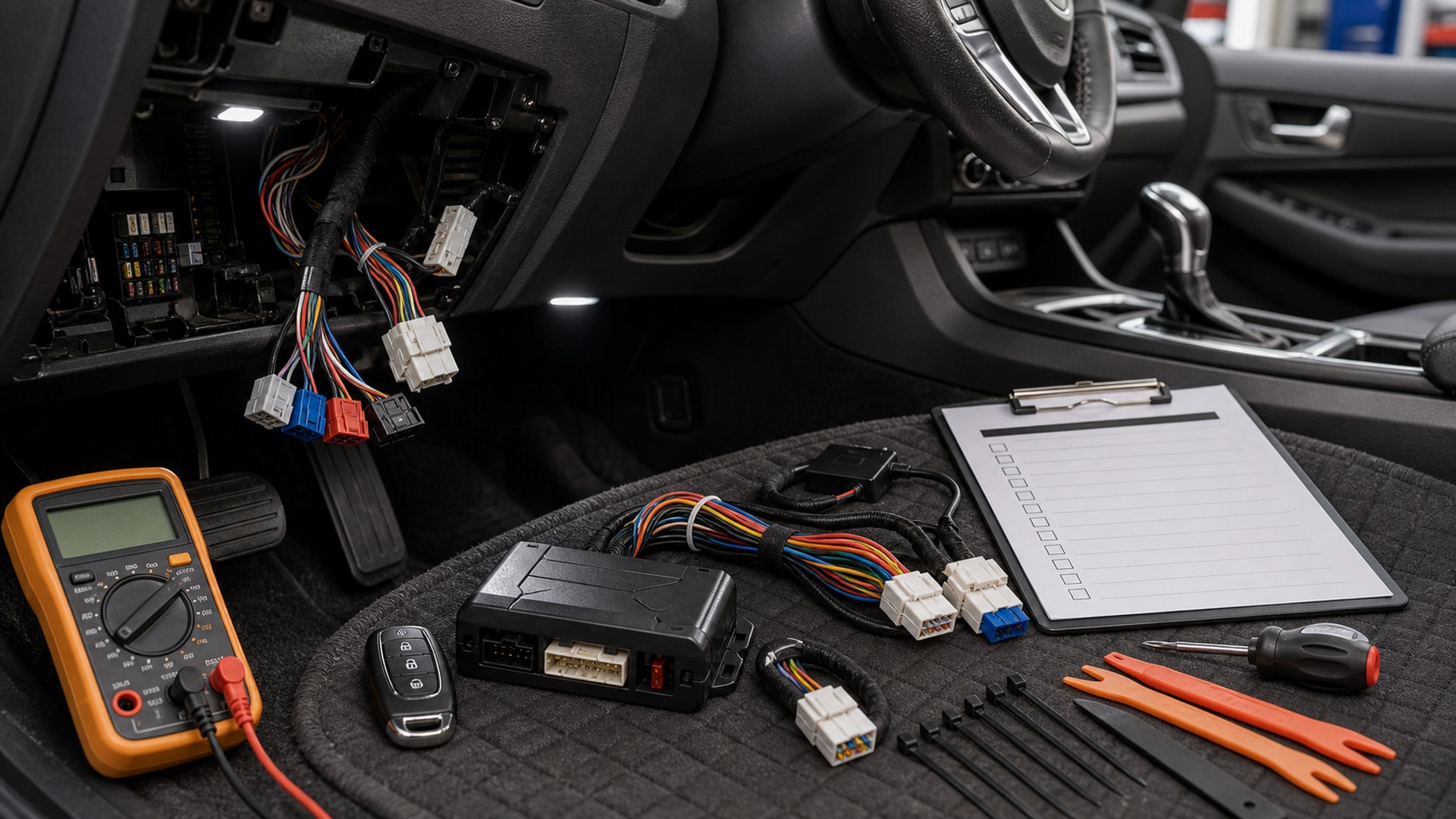
Plan a reliable vehicle-security installation before selecting hardware. Verify the exact year, trim and powertrain; current firmware; T-harness coverage; CAN and immobilizer interfaces; power, fuse, ground and relay design; hood and brake interlocks; airbag-safe routing; sleep current; documentation; service mode; and removal strategy.
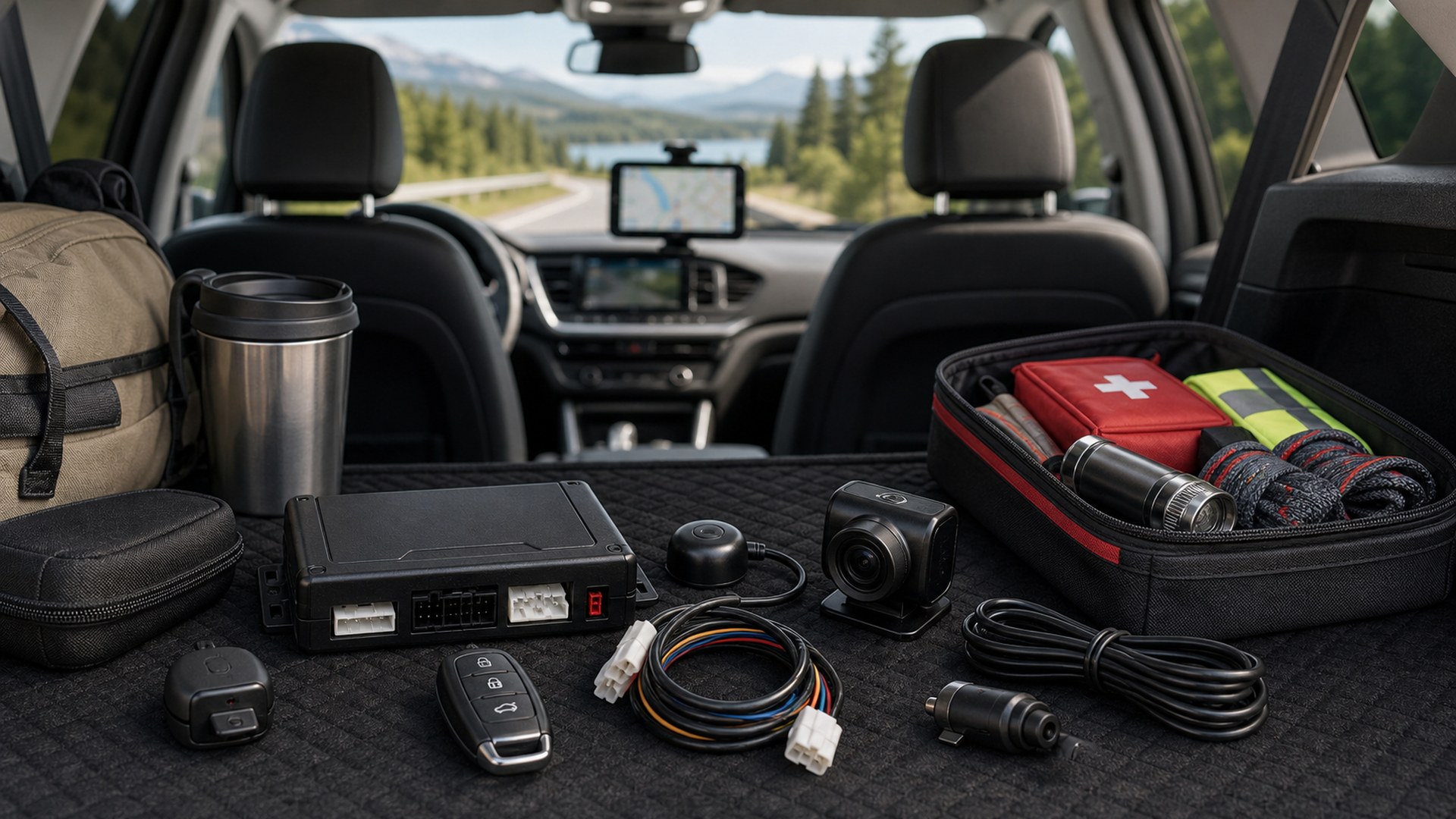
Prepare vehicle security for hotels, garages, trailheads, airports, border travel, service stops, and visible cargo. Compare two-way range, cellular roaming, GPS recovery, geofences, tow alerts, backup power, parked current, valet mode, account access, subscriptions, privacy, and a police-ready recovery packet.
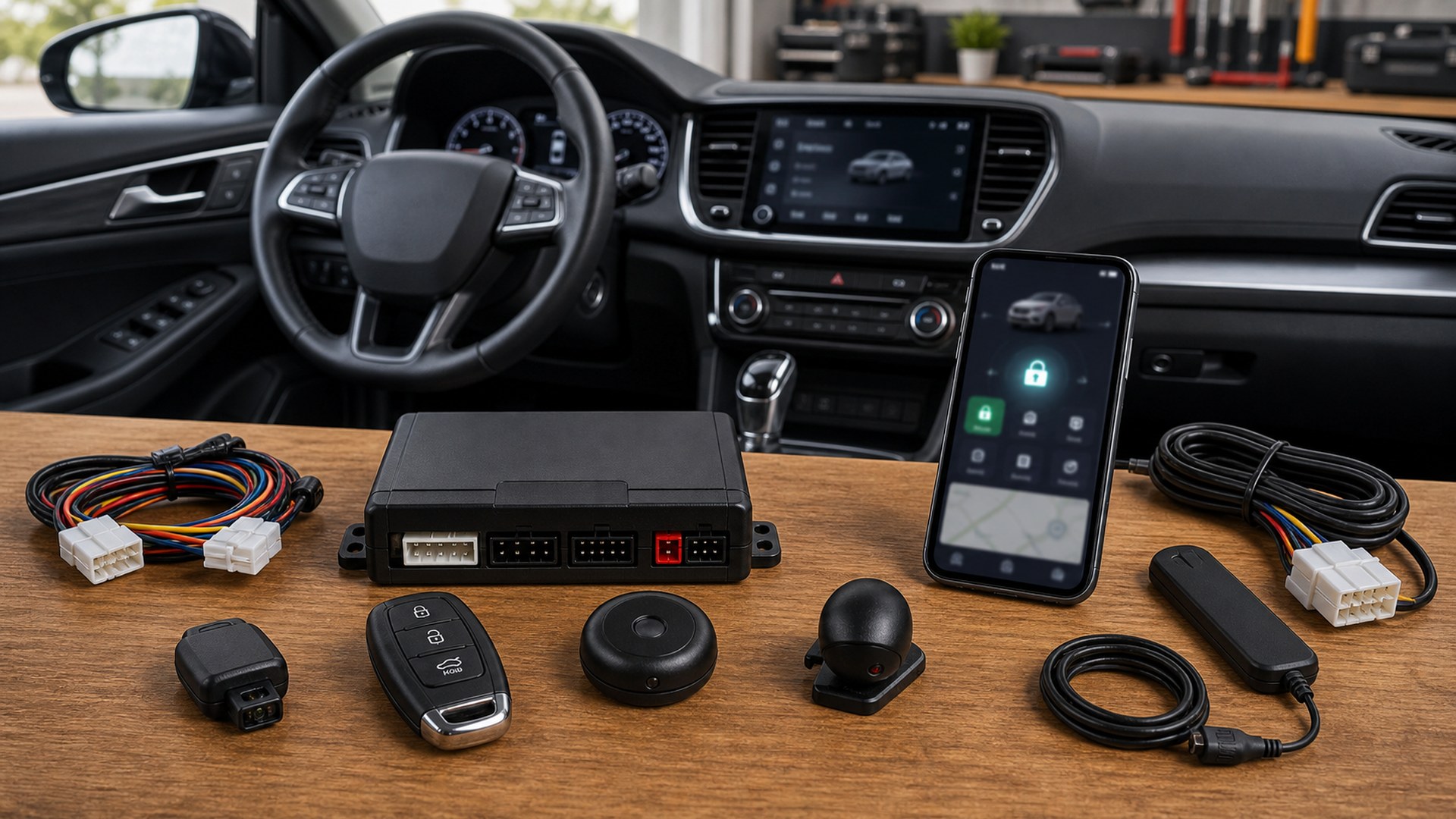
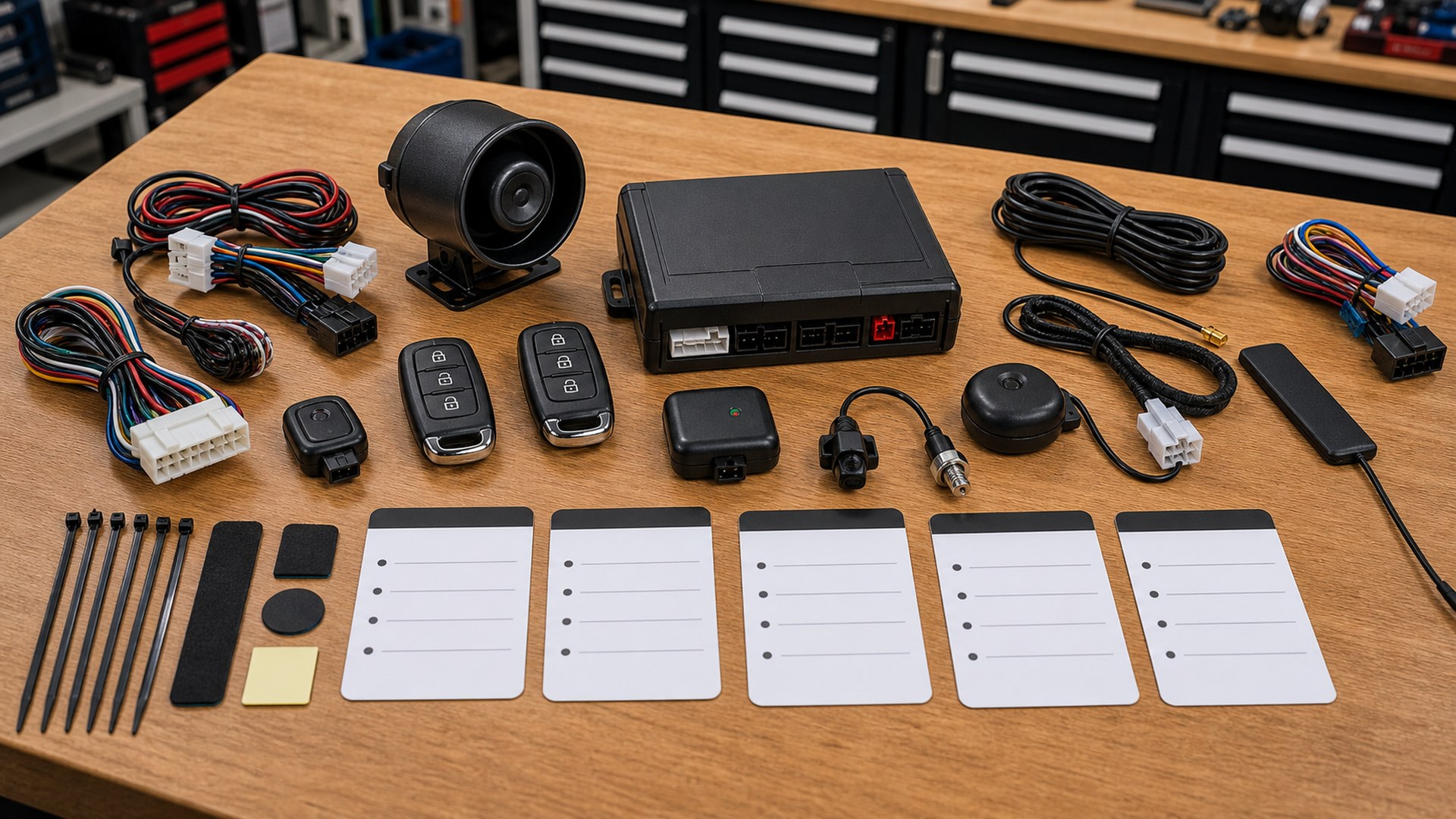
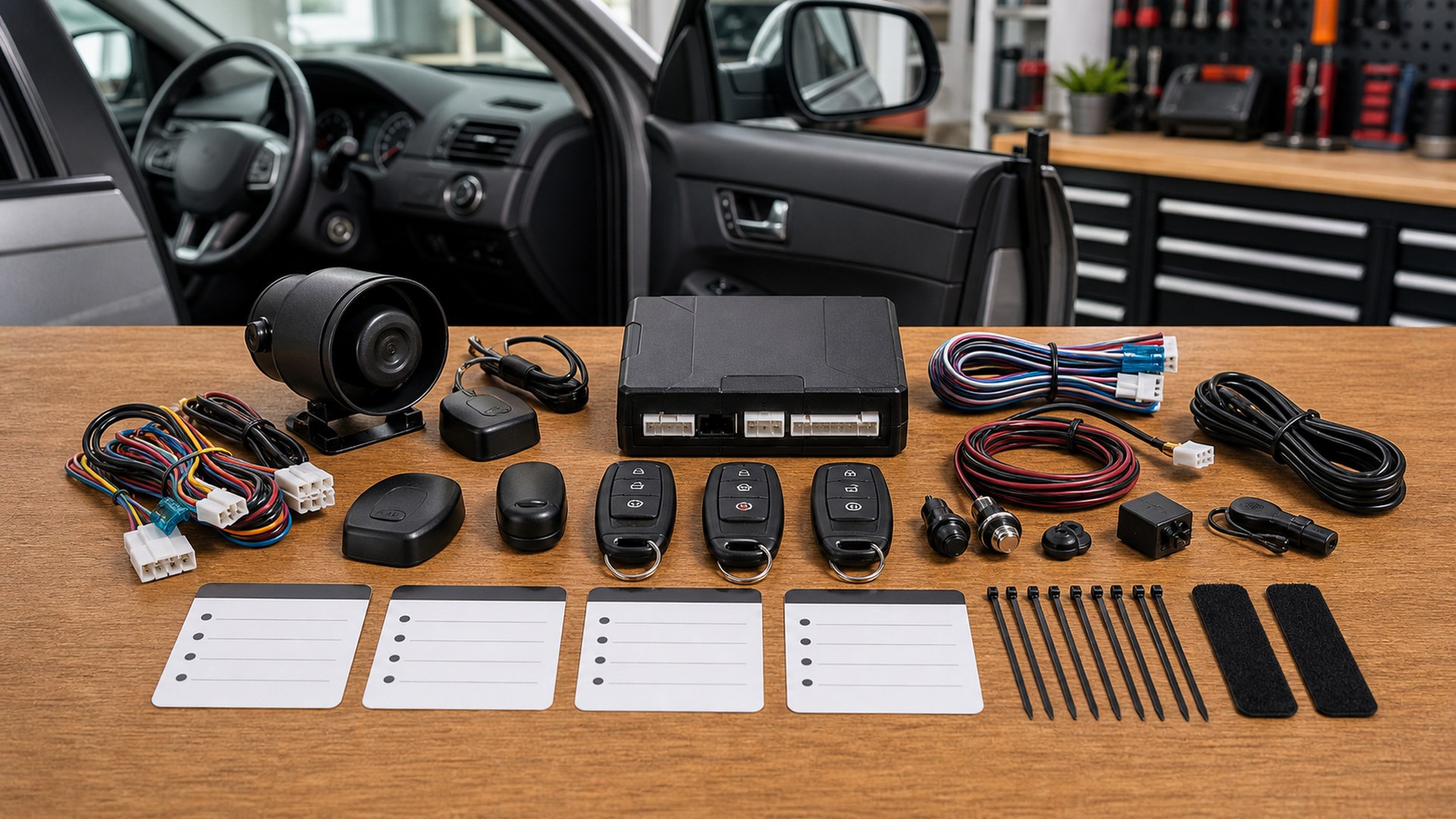
Build a vehicle-security feature plan around realistic threats and response distance. Compare visible deterrents, perimeter, shock, tilt, glass and proximity sensors, sirens, starter interruption, two-way remotes, cellular alerts, GPS recovery, geofences, backup batteries, remote start, subscriptions, privacy, and offline fallback.
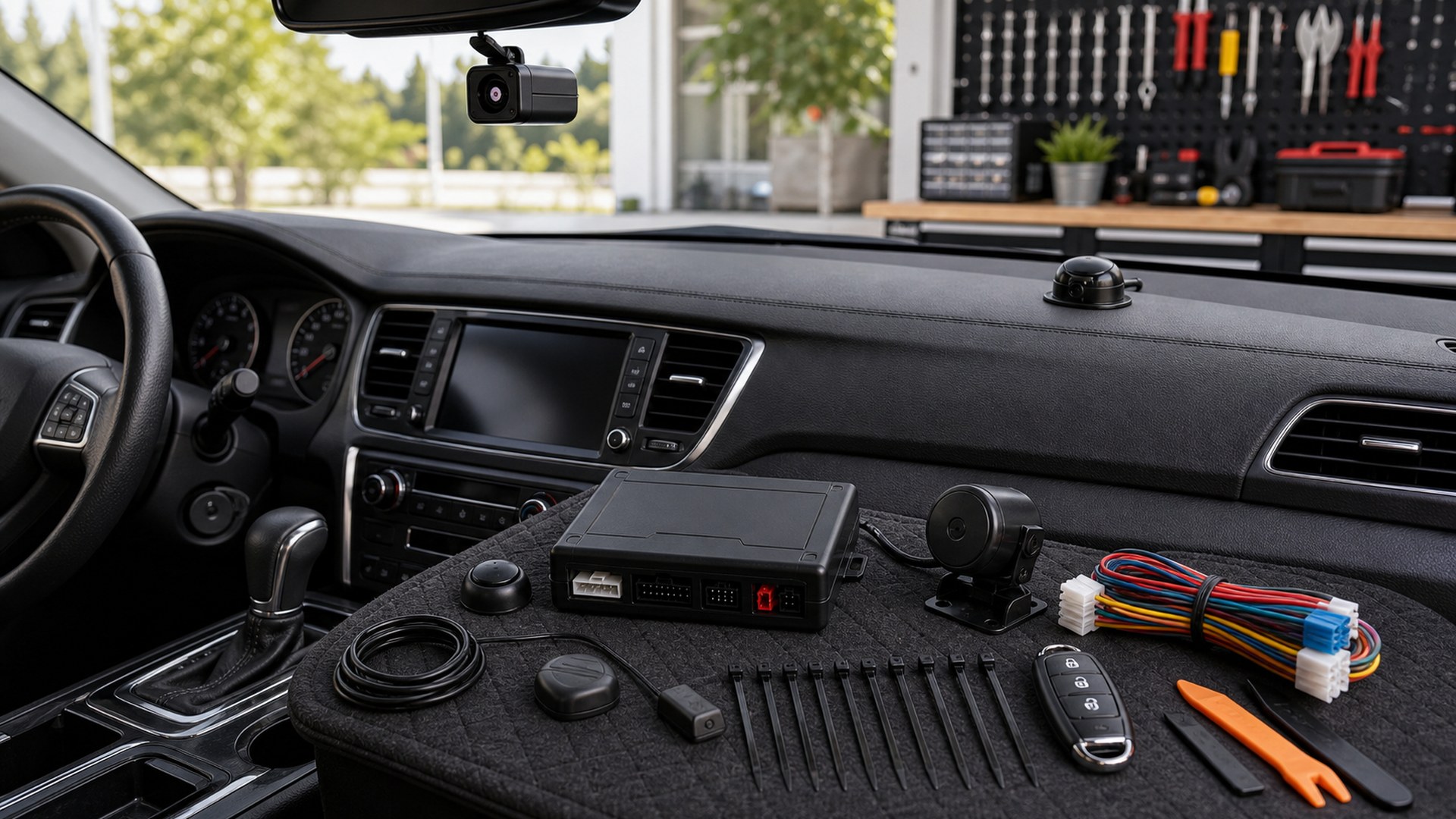
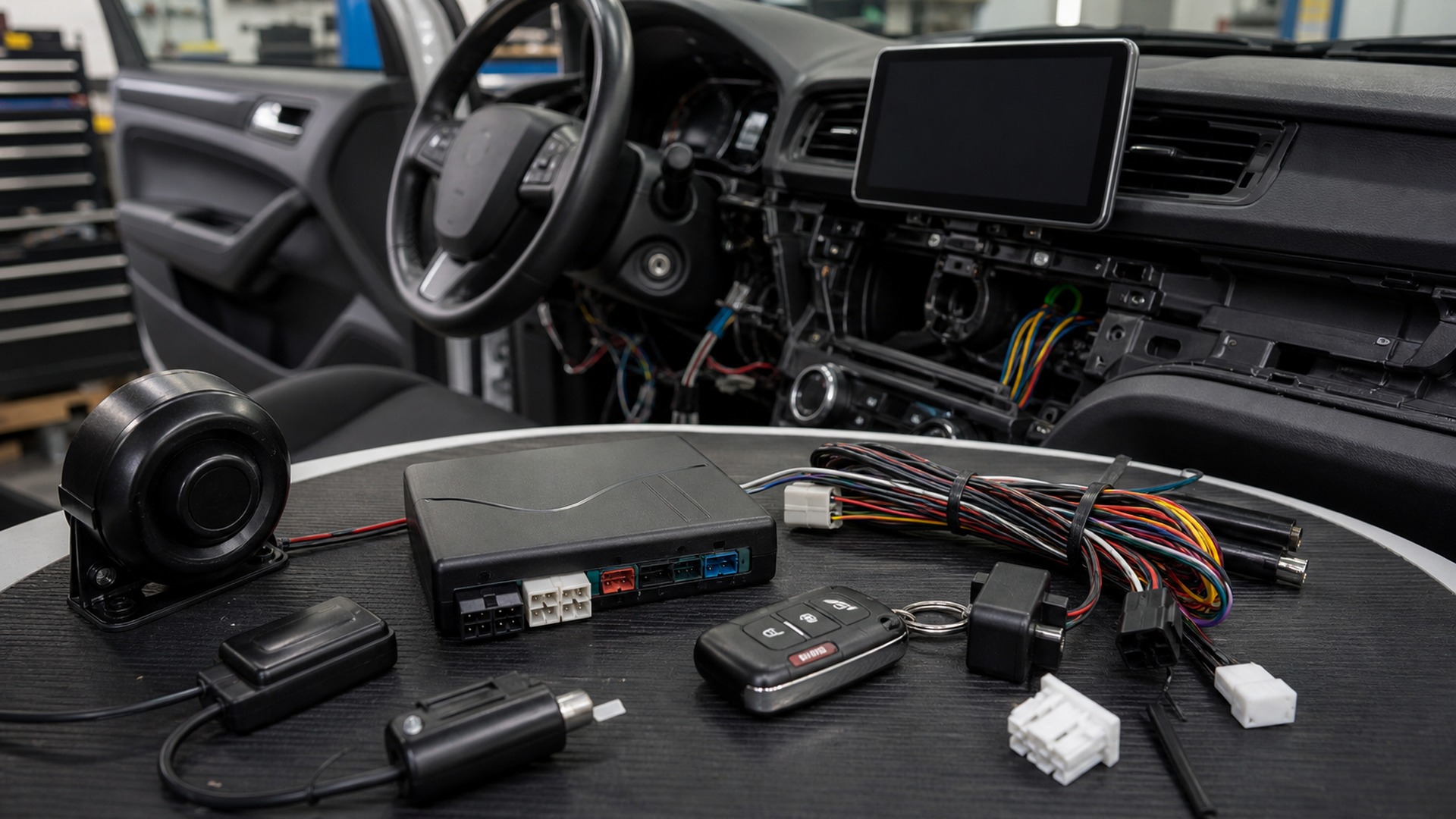
Add vehicle security without compromising driver-assistance equipment. Verify forward and cabin camera zones, radar and parking sensors, ADAS calibration access, CAN interfaces, keyless ignition, immobilizers, hood, brake and gear interlocks, telematics, parked current, diagnostic scans, firmware, and service mode.
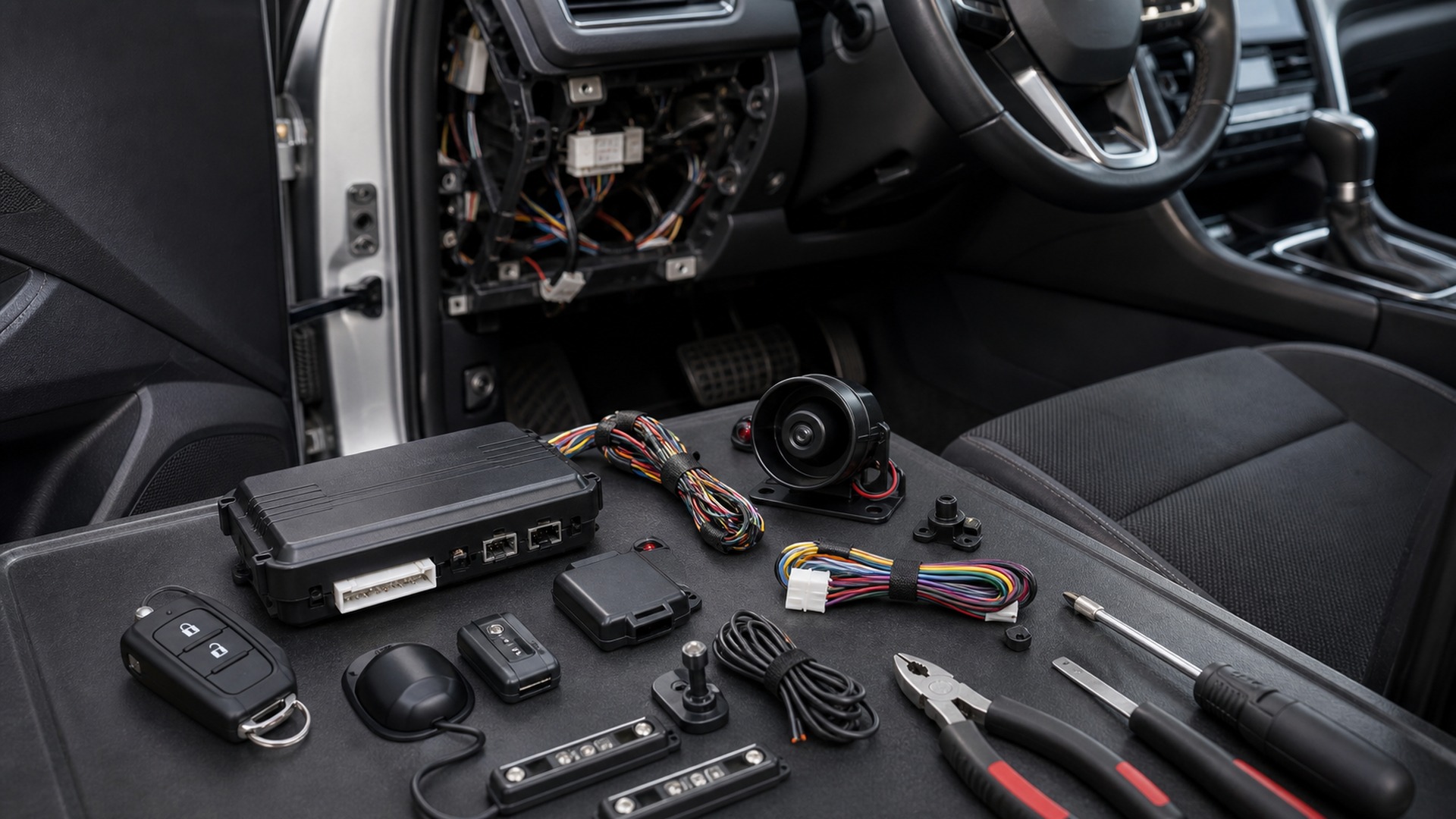
Plan a concealed vehicle-security installation by assigning safe zones for the control module, RF antenna, cellular or GPS hardware, status LED, valet switch, siren, hood pin, shock and tilt sensors, starter interruption, fused power, grounds, airbag-safe harness routes, updates, diagnostics, and removal.
Verify a vehicle security system against the exact VIN, trim, keyless or transponder ignition, factory immobilizer and alarm, body controller, CAN interface, door, hood and trunk triggers, locks, remote-start interlocks, firmware, OEM campaigns, sleep current, service procedures, and future software updates.
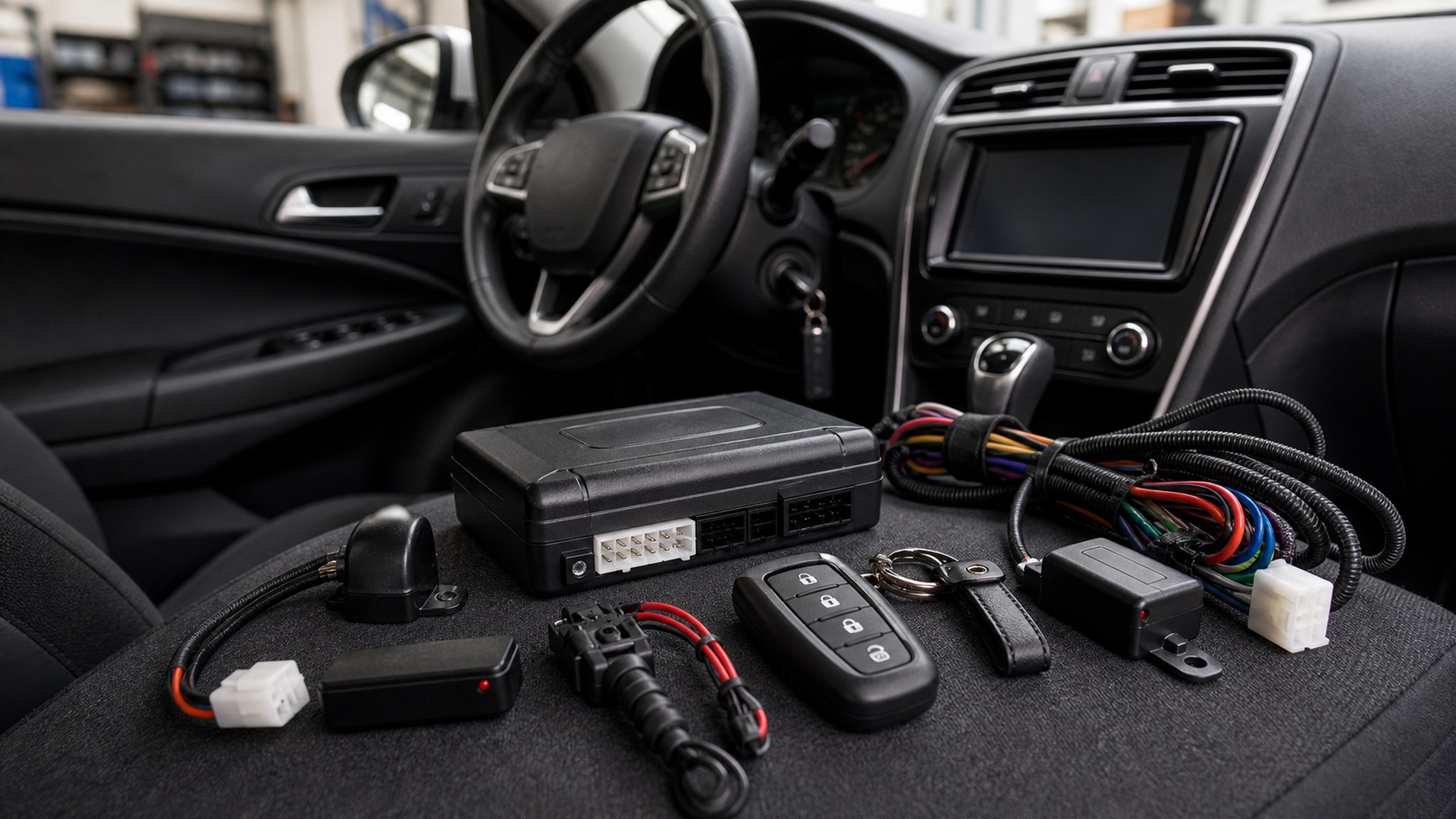
Choose a vehicle security system by mapping existing factory locks and immobilizers, entry and movement threats, alarm triggers, shock, tilt and glass sensors, siren, starter interruption, two-way remotes, cellular alerts, GPS recovery, backup power, installation quality, privacy, subscriptions, and service mode.