Why Vehicle Preservation Matters
Vehicle preservation controls cumulative wear through early detection, time and mileage maintenance, dry exposure management, correct repair, and documented history.

Reviews You Can Trust
Vehicle preservation controls cumulative wear through early detection, time and mileage maintenance, dry exposure management, correct repair, and documented history.
Vehicle weather protection works through layered barriers, drainage, contamination removal, drying, and prompt repair—not by trapping moisture beneath more material.
Tonneau covers manage weather, airflow, and casual access over a pickup bed, but cargo securement, drainage, latching, and approved travel positions remain essential.
Use exterior accessories for bounded reversible needs; use engineered modifications when structure, wiring, geometry, calibration, or certified capability must change.
Running boards provide a long stepping platform; side steps localize the foothold. Installed geometry, mounts, clearance, traction, and rating decide which fits.
PPF supplies sacrificial polyurethane thickness for limited impact; ceramic coating changes surface behavior for contamination and maintenance. They solve different problems.
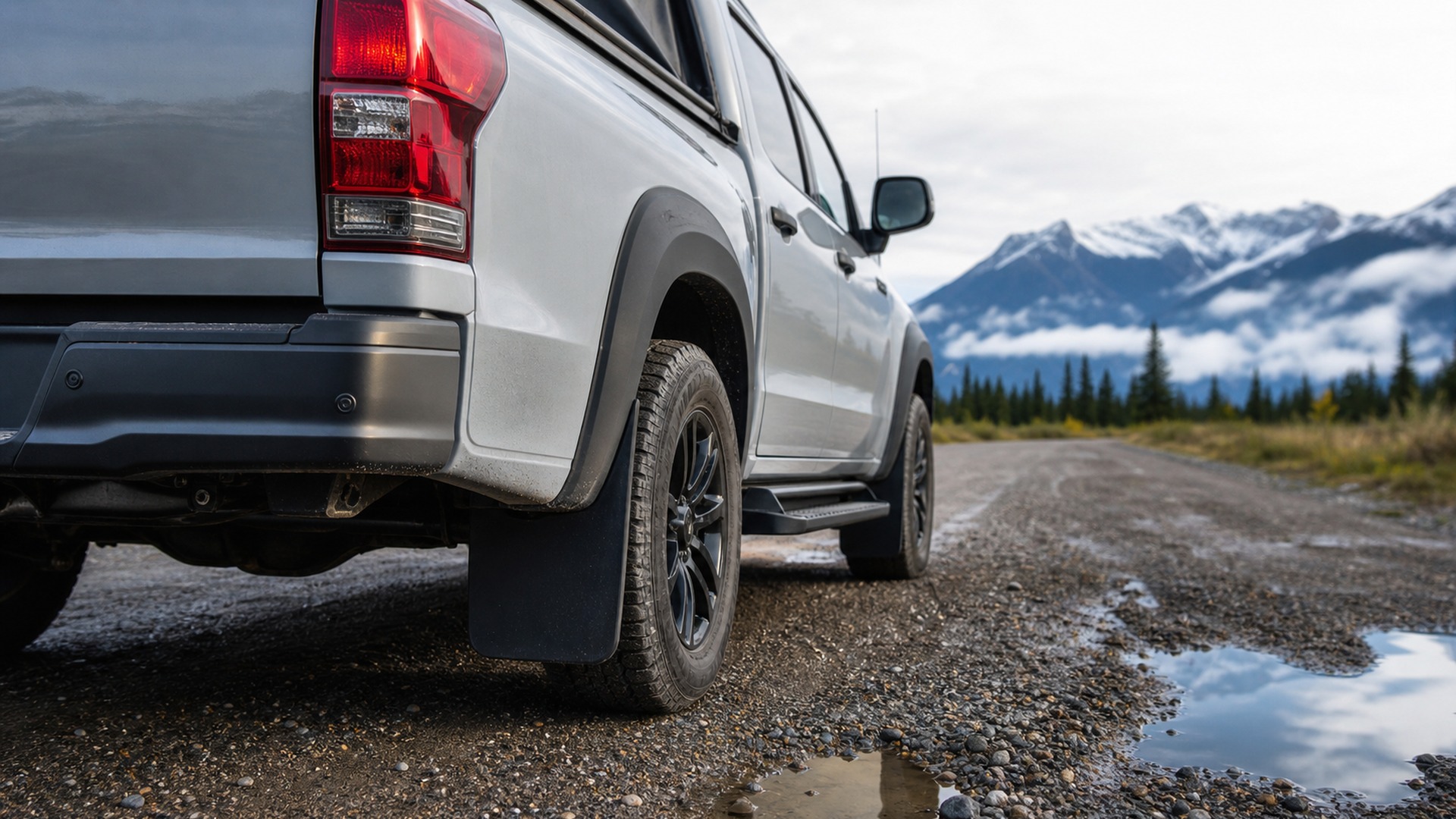
Mud flaps interrupt tire-thrown spray and debris, but coverage, flexibility, dynamic clearance, mounts, drainage, and hidden-surface maintenance decide their value.
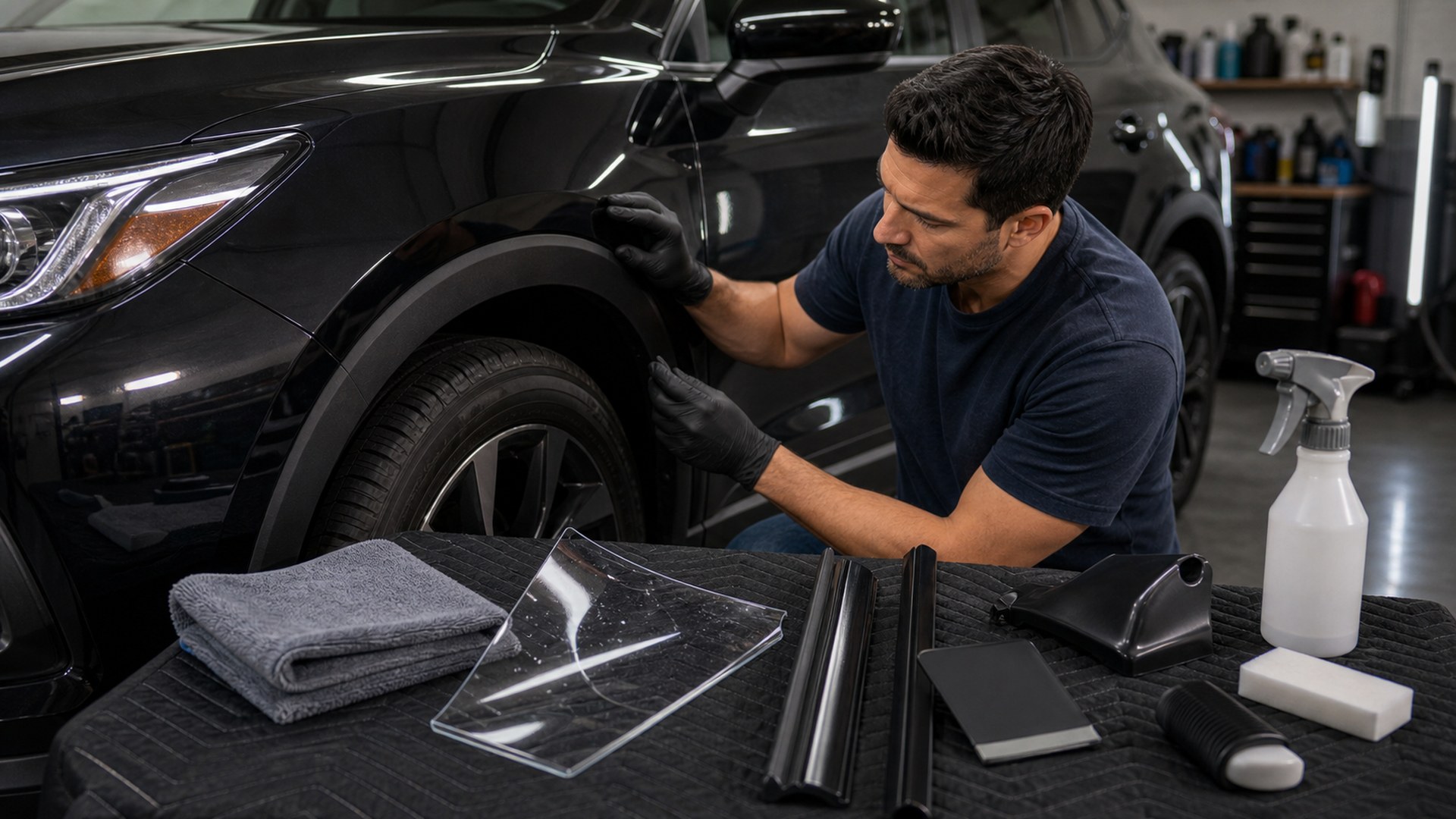
Paint protection film adds replaceable polyurethane thickness above vulnerable paint, but substrate condition, installation, edges, care, and removal determine its value.
Exterior accessories protect by intercepting defined hazards, but their mounts, edges, clearances, sensor fields, drainage, and hidden surfaces require verification.
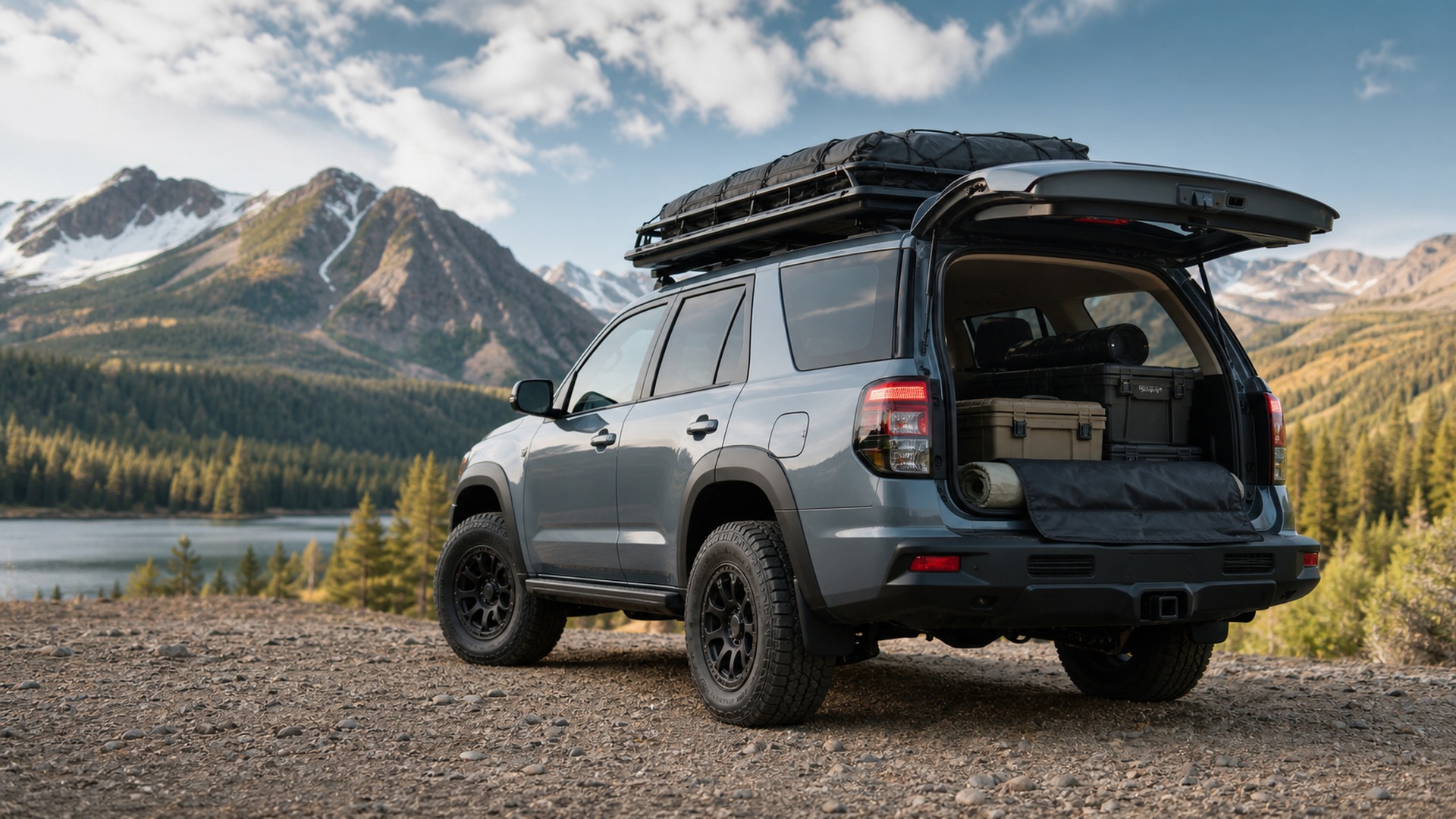
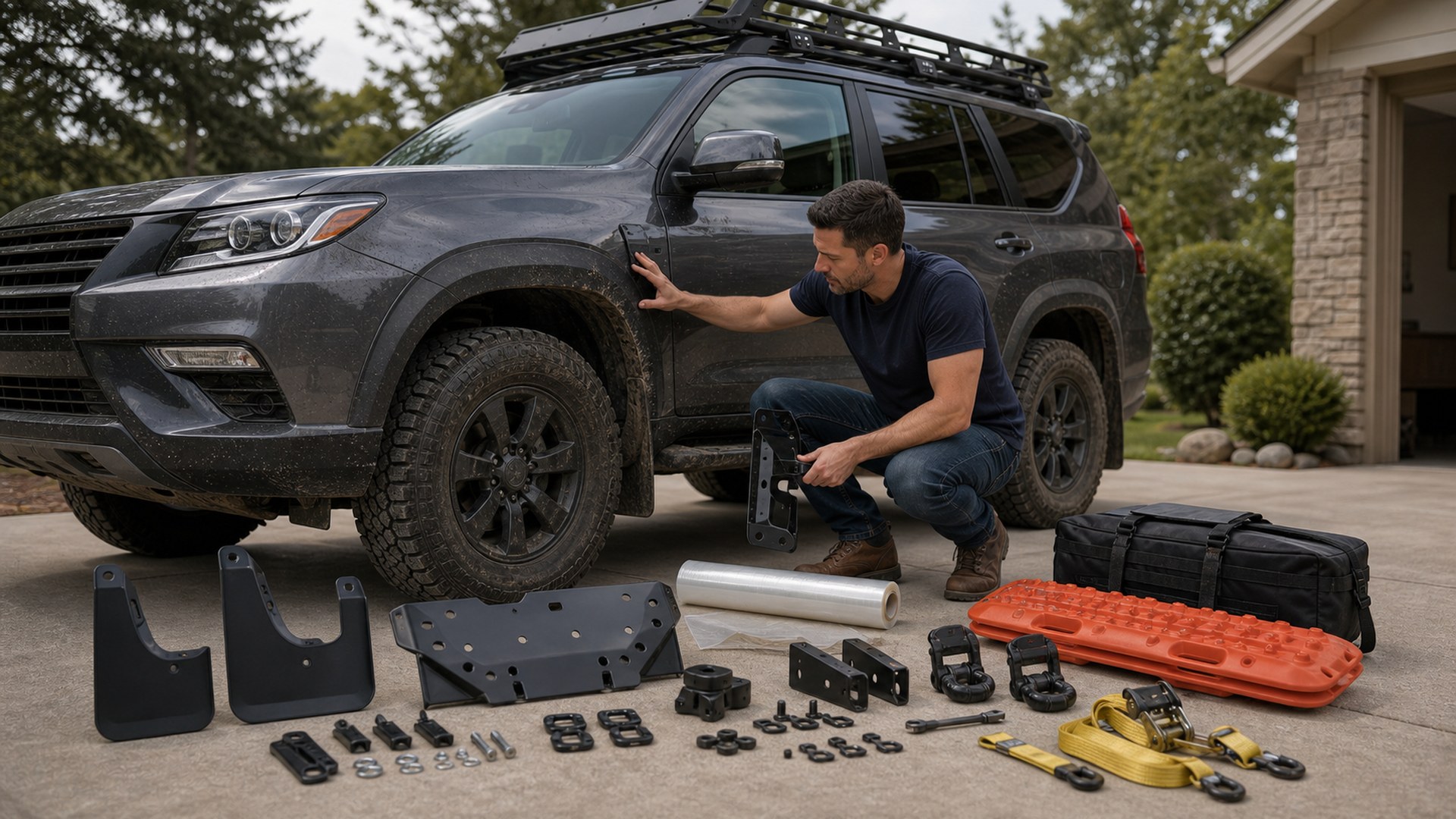
Plan off-road and travel accessories as one load and clearance system. Compare skid plates, sliders, recovery points, racks, carriers, and spray protection by structural mounting, installed mass, suspension travel, service access, vibration resistance, and actual route needs.
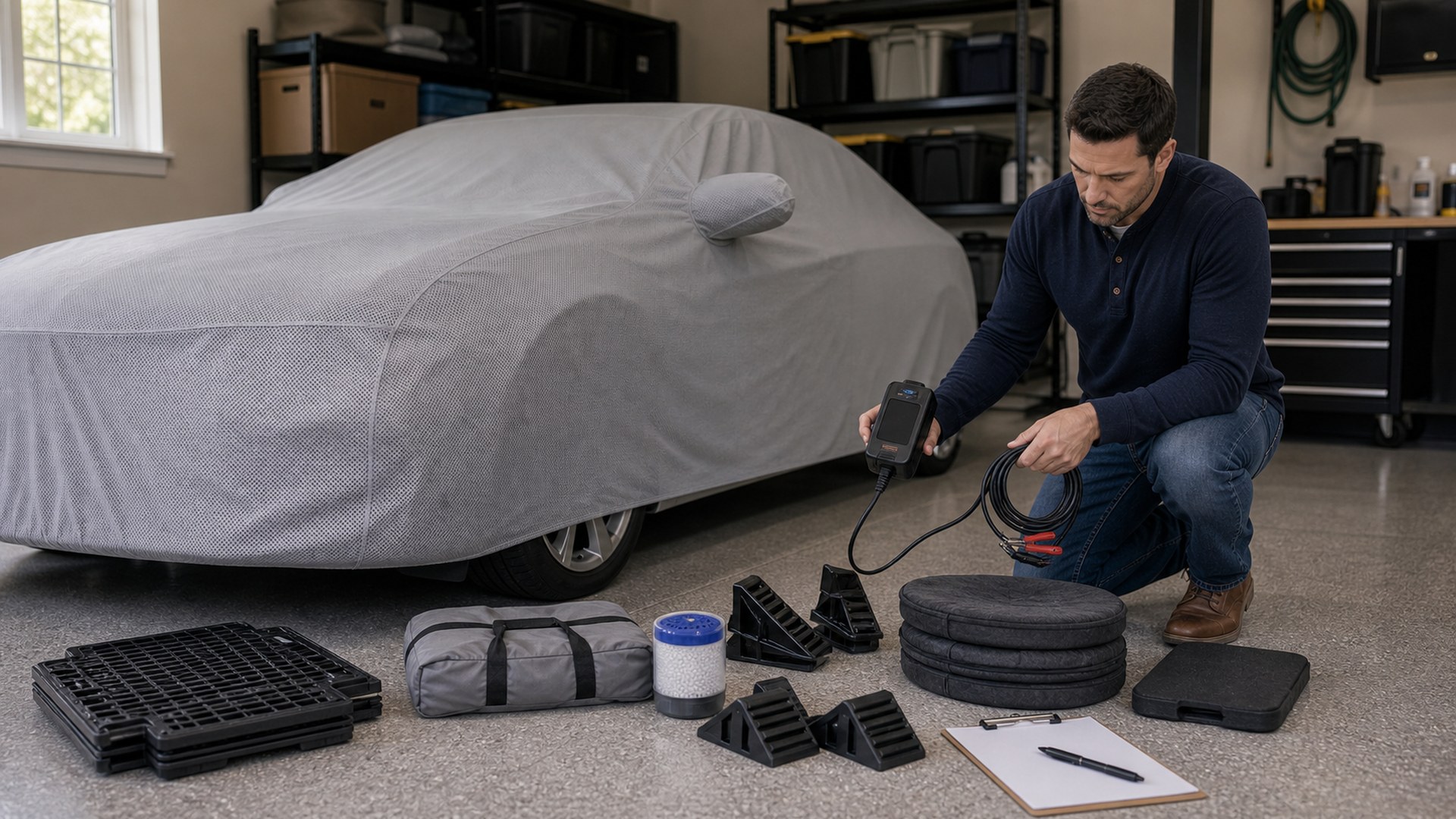
Seasonal storage protection starts with the site. Learn how indoor dust covers, outdoor fitted covers, wheel shields, and restraints differ in breathability, water resistance, UV durability, paint contact, wind behavior, security, and periodic inspection.
Paint protection works best when it targets a known chip, scuff, or loading zone. Compare film, splash guards, door-edge trim, bumper protectors, and sill coverage by finish compatibility, edge behavior, contamination control, appearance, and eventual removal.