Why Overlanding Storage Systems Matter
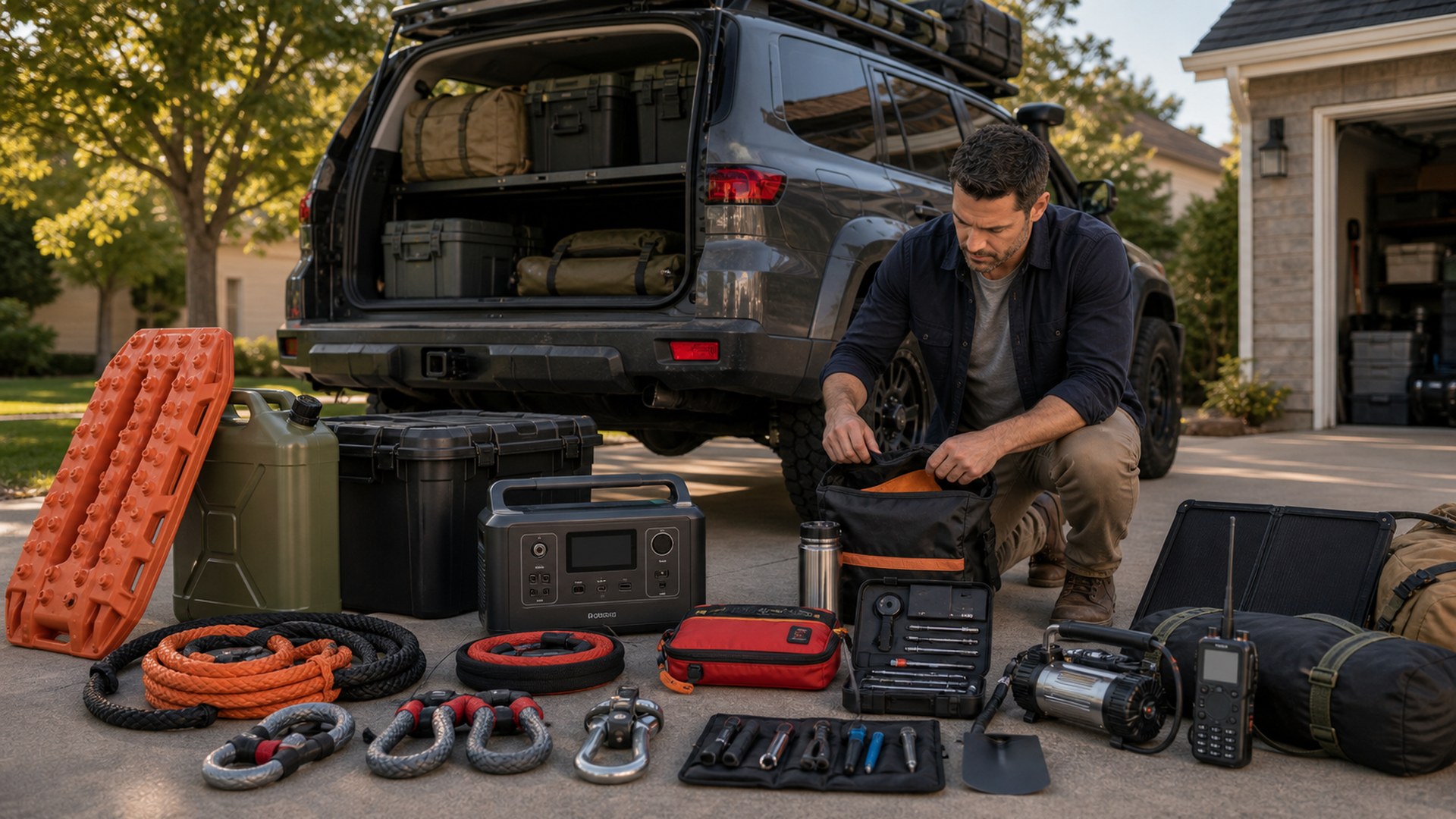
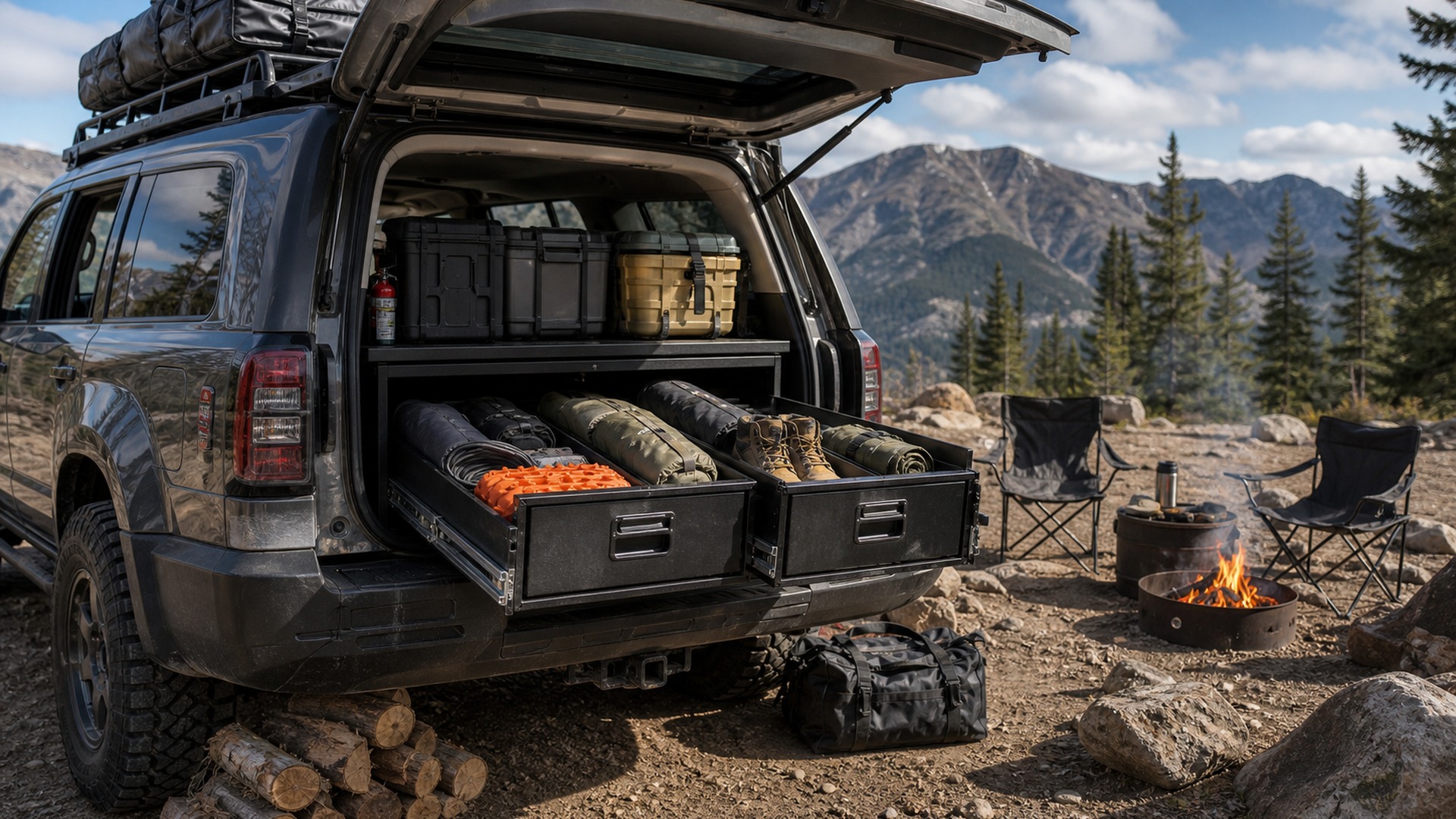
Overlanding storage is a vehicle load and access system that must control mass, restraint, emergency reach, contamination, environment, and inventory—not merely organize boxes.

Reviews You Can Trust
Overlanding storage is a vehicle load and access system that must control mass, restraint, emergency reach, contamination, environment, and inventory—not merely organize boxes.
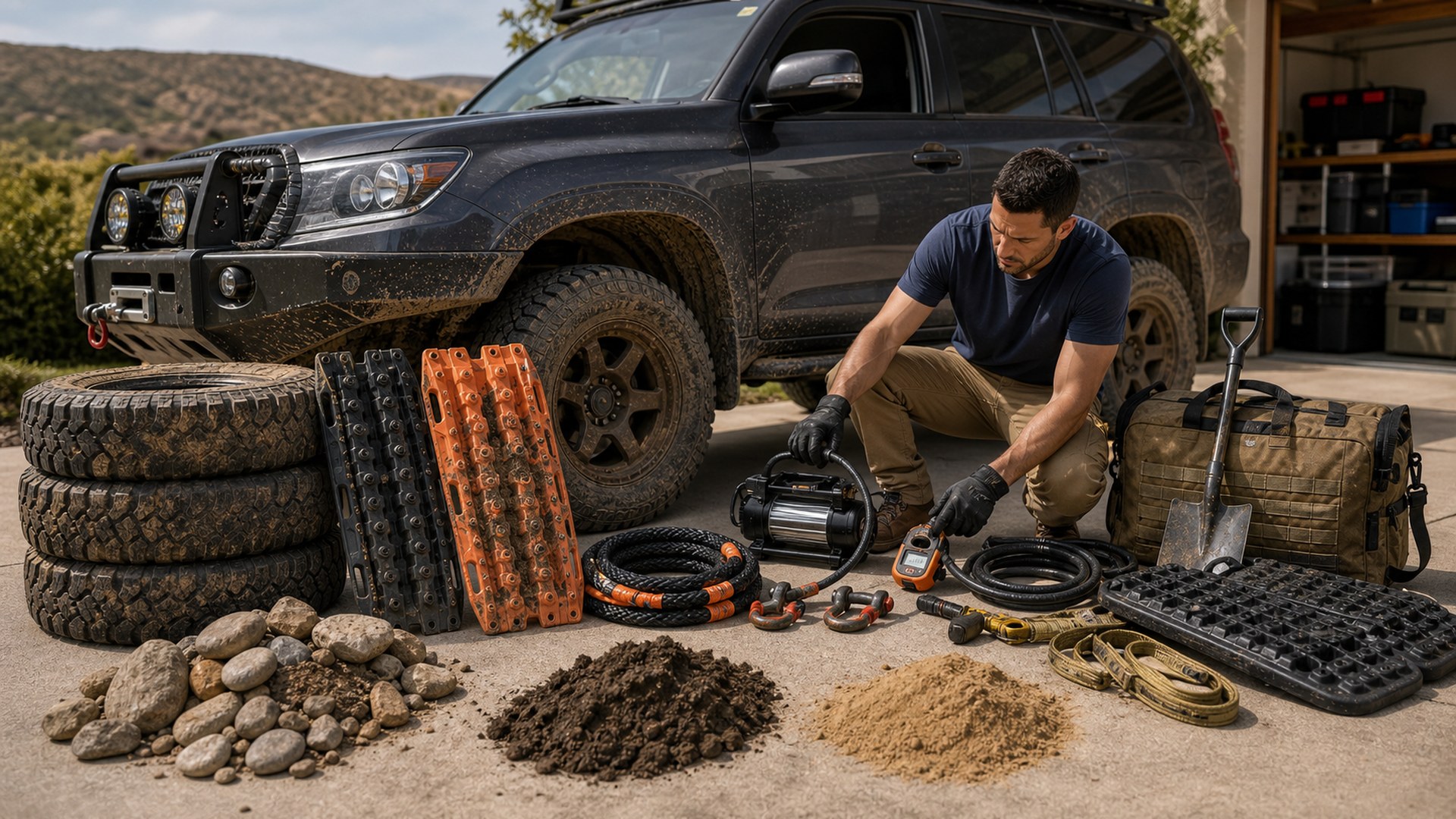
Vehicle recovery gear matters as a route-specific system that diagnoses immobilization, solves low-energy causes first, controls rated pulling force, and protects people.
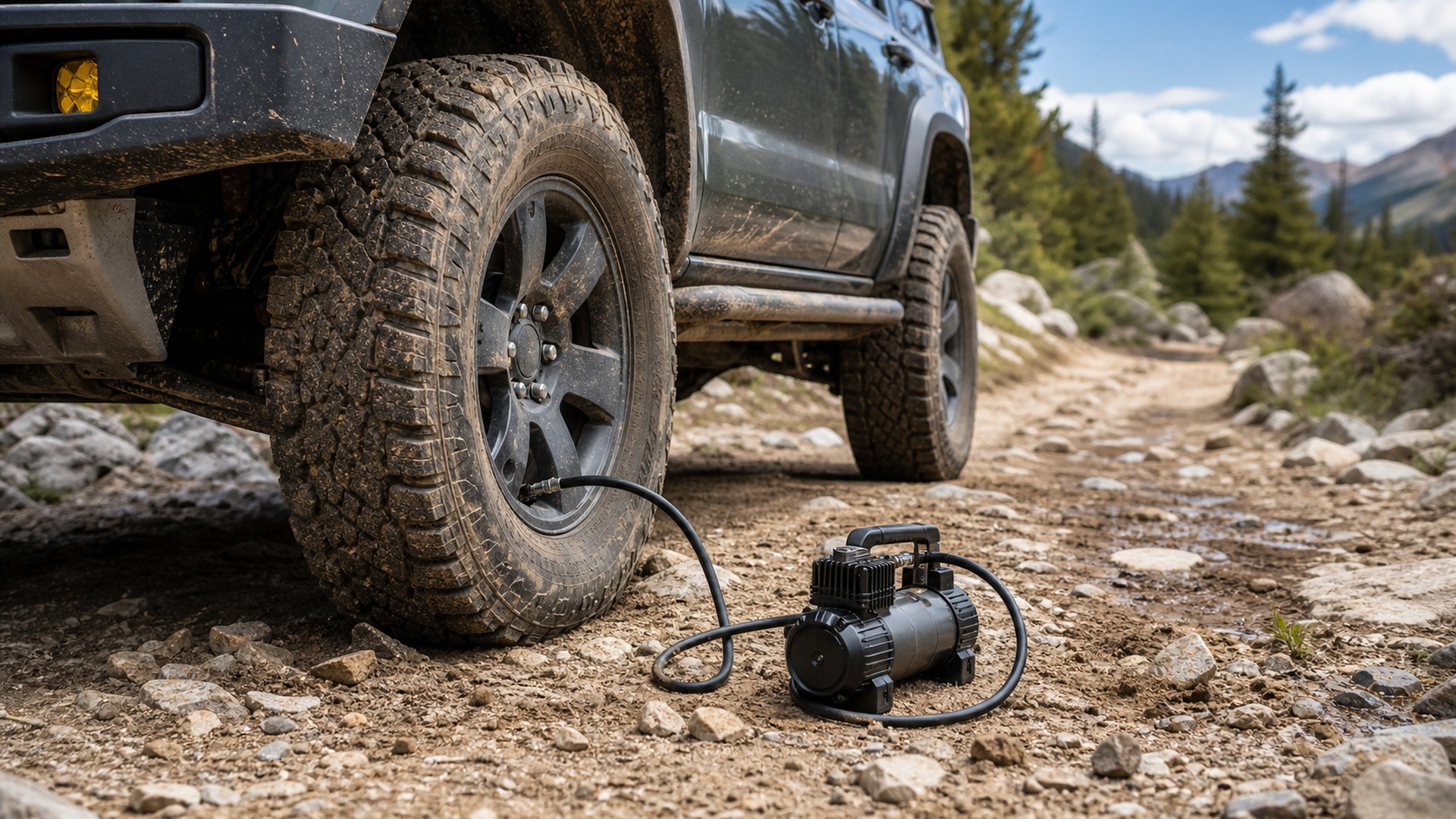
A portable compressor makes tire-pressure management reversible, but useful airflow, duty cycle, electrical supply, temperature control, and accurate cold-pressure verification decide performance.
Choose a roof top tent for compatible vehicles and frequent mobile camps; choose a ground tent for lighter, flexible, accessible, vehicle-independent shelter.
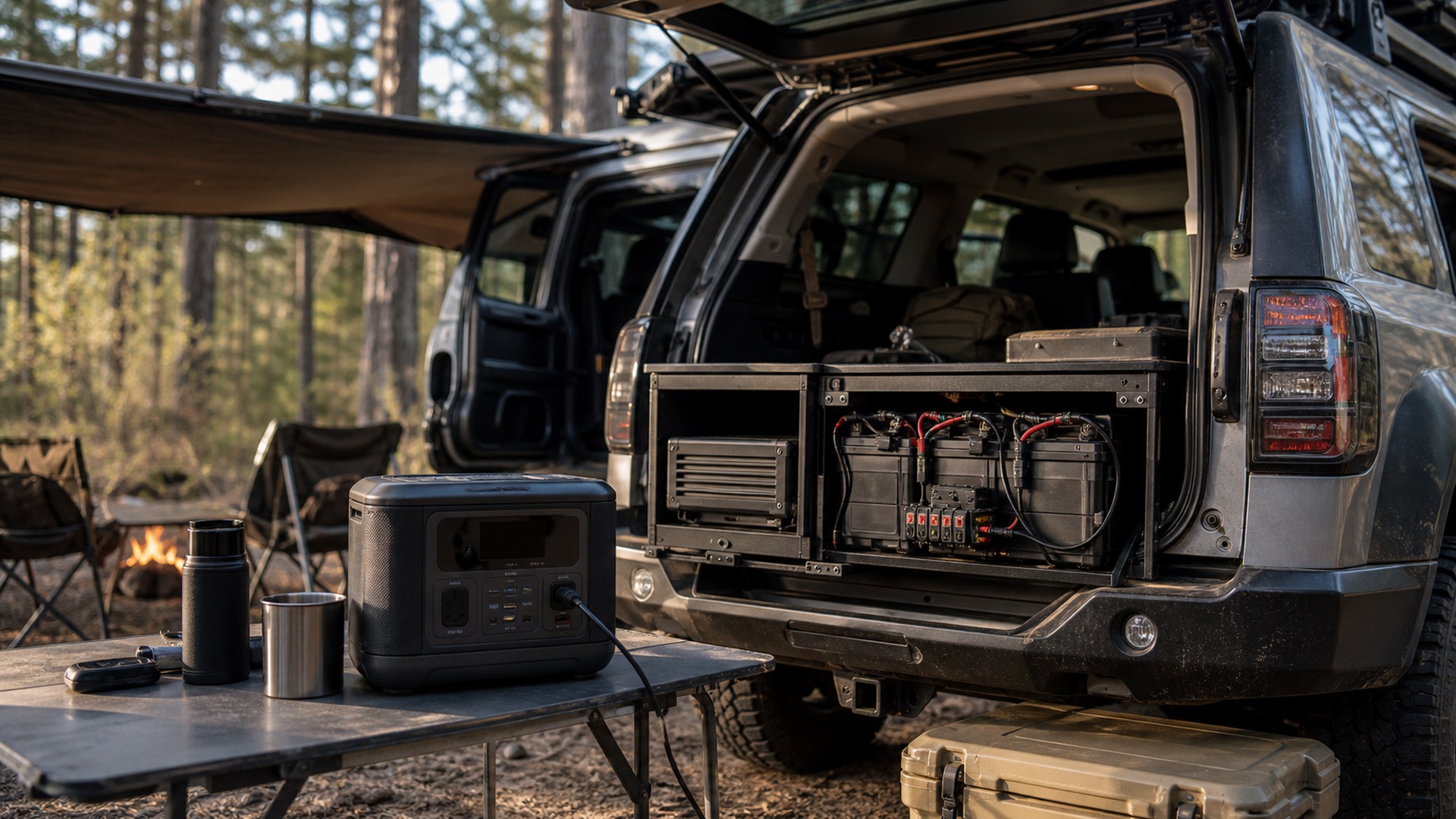
Portable stations package power into a removable appliance; dual battery systems integrate charging and distribution into the vehicle for greater customization and responsibility.
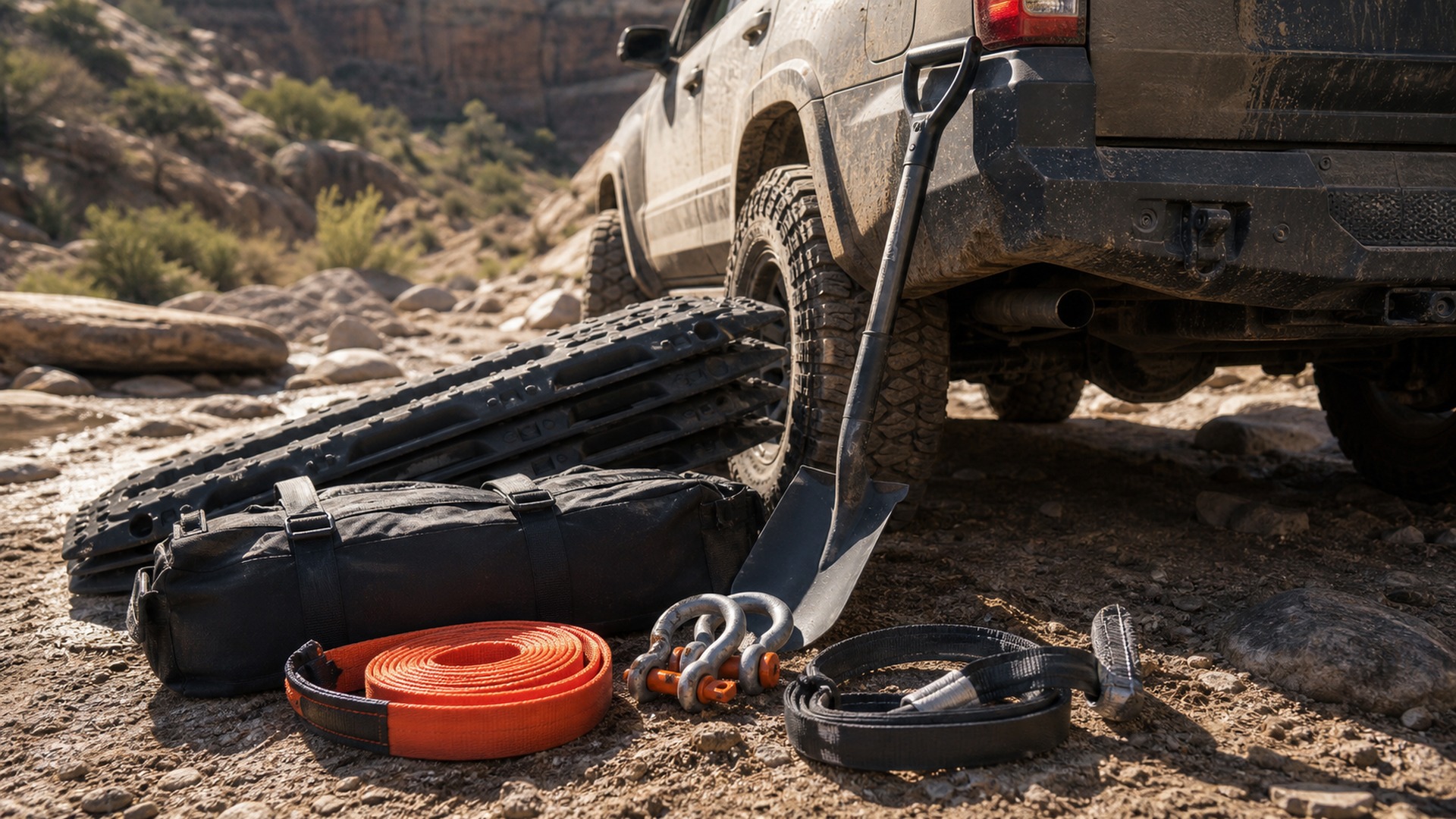
Recovery boards rebuild traction beneath tires; recovery straps transfer force between vehicles, creating very different load paths, energy, space, and safety requirements.
Roof top tents provide integrated elevated shelter, but safe value depends on verified roof compatibility, stable deployed support, weather management, and daily-use tradeoffs.
Recovery equipment turns an immobilization into a controlled load problem by reducing resistance, using rated connections, managing stored energy, and protecting people.
Off-road and overlanding capability comes from balanced mobility, recovery, load, shelter, resource, and information systems—not from carrying every accessory.
A layered self-reliance guide covering prevention, detection, stabilization, communication, field repair, recovery, medical escalation, bailout routes, and prewritten stop-trip decisions.
A terrain-mechanics guide to tires, pressure, protection, cooling, traction aids, and recovery for sharp rock contact, deep mud drag, and soft-sand flotation.
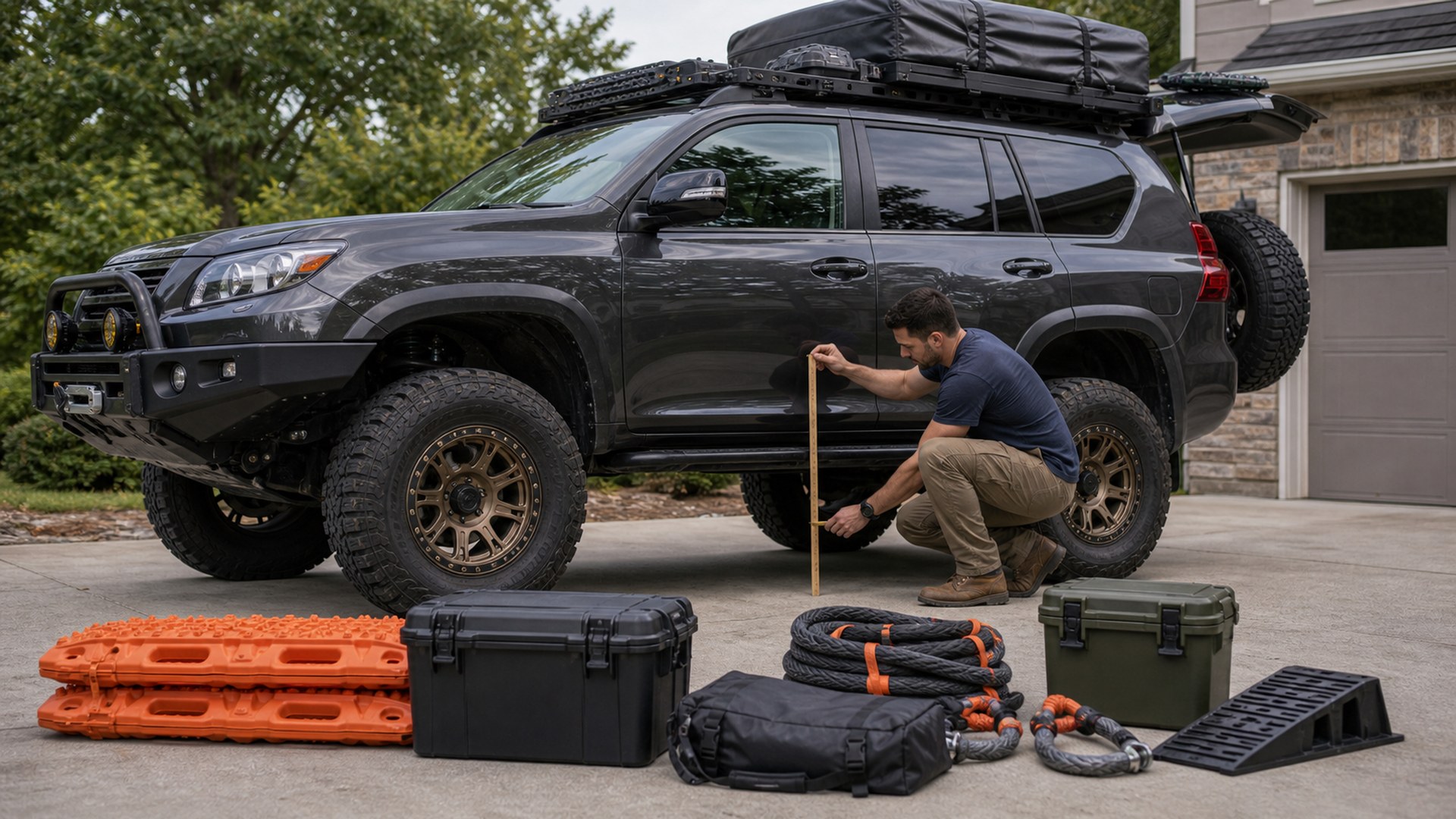
A measurement-led guide to loaded axle weight, tire reserve, actual low points, tire and lift effects, dynamic clearance, center of gravity, armor, and route geometry.